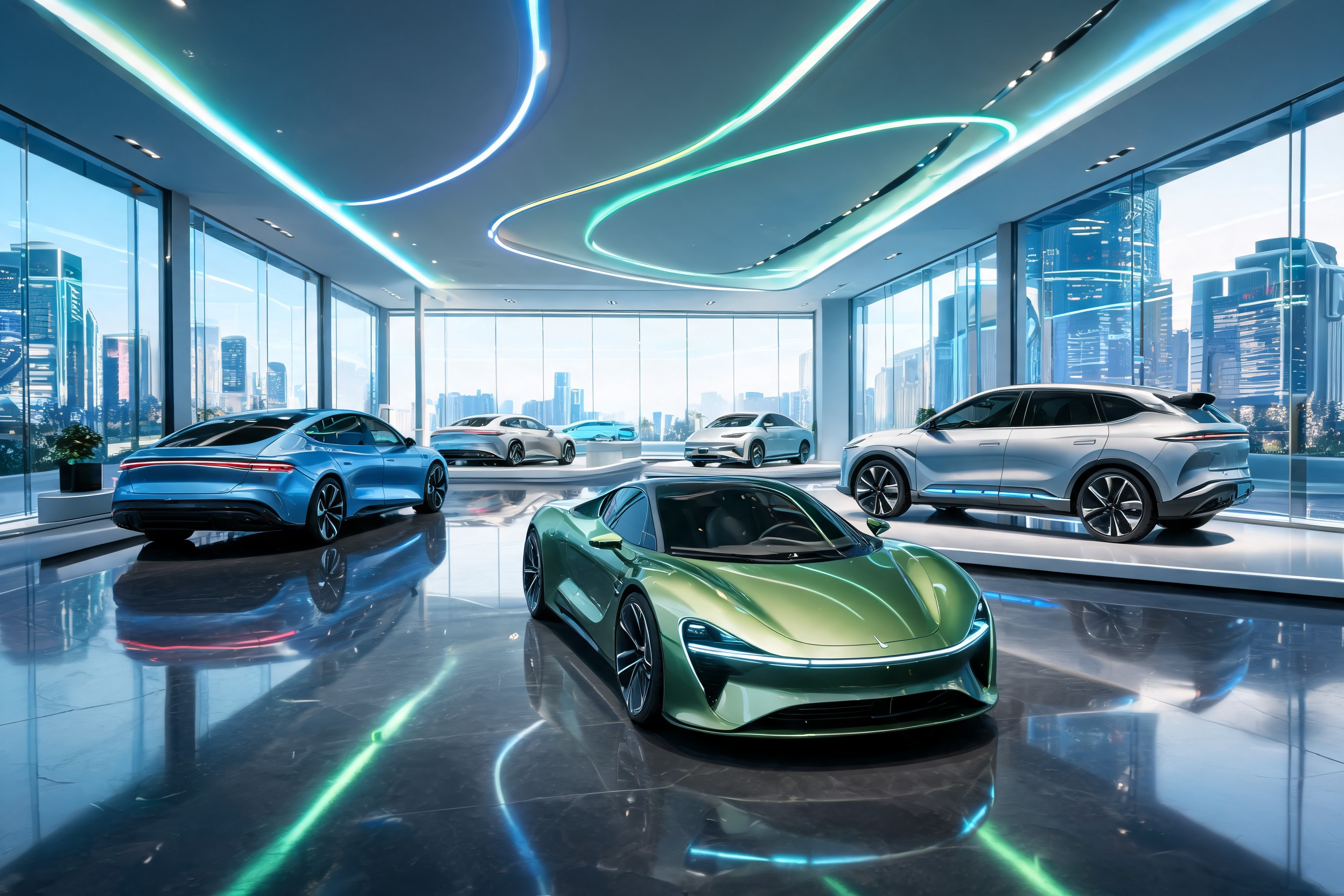
Buckle up, folks! Our ‘Checklist: Current Car Trends Every Smart Buyer Should Know Now’ is your all-access pass to the future of driving. In 2026, it’s not just about where your car takes you, but how it gets you there. From Nissan’s hybrid push to cars that learn your every twist and turn—AI, anyone?—this guide helps your family make informed decisions aligned with modern automotive marvels. So, ready to ride shotgun with innovation? Explore the trends that promise to revolutionize your daily commute.
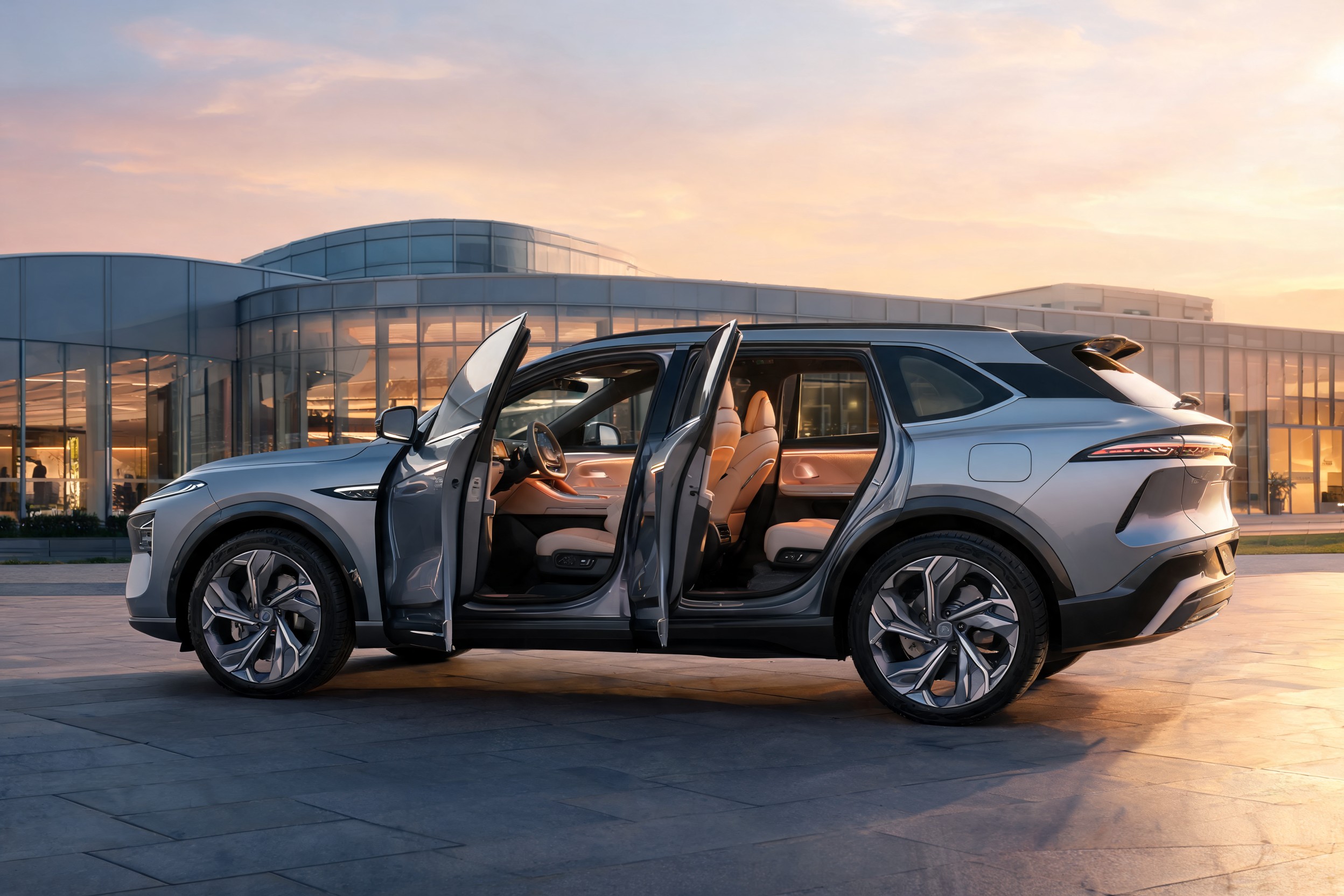
Key Takeaways
- Dive into 2026’s hottest car trends—because who wants to drive yesterday’s news?
- From Nissan’s hybrid craze to AI in your ride—sci-fi dreams, meet reality!
- Help your family make savvy choices with automotive innovations.
- Modernize your drive with the latest in hybrid expansions.
- Will AI integration change your road trip experience forever? Let’s find out!
- Stay ahead of the curve—because being last gets old.
Why Understanding Current Car Trends Matters for Your Next Purchase
Look, buying a car isn’t like picking out a coffee maker anymore. The automotive landscape is shifting faster than a manual transmission, and if you’re not keeping tabs on current car trends, you might end up with yesterday’s technology in tomorrow’s driveway. We’re talking about everything from hybrid expansion to AI-powered safety features that could literally save your life. Whether you’re a family of five hunting for the perfect SUV or a commuter looking for fuel efficiency, understanding what’s happening in the automotive world right now is absolutely crucial. The stakes? Making a decision that aligns with modern automotive innovation rather than settling for outdated features.
- The automotive industry is evolving at breakneck speed—staying informed helps you avoid buyer’s remorse and ensures your investment stays relevant for years.
- Current car trends reveal what manufacturers are prioritizing: sustainability, technology, and safety—three things that directly impact your wallet and lifestyle.
- Smart buyers who research trends negotiate better deals, understand resale value, and choose vehicles that meet their actual needs instead of flashy marketing promises.
- From hybrid expansion to electrification pipelines, knowing these shifts helps families align their purchase with long-term environmental and economic goals.
The Hybrid Revolution: Why It’s Not Just About Fuel Economy Anymore
Remember when hybrids were considered the “compromise car”—not quite electric, not quite traditional? Yeah, those days are long gone. Hybrid technology has matured into something genuinely impressive, and 2026 is shaping up to be the year hybrids become the smart default choice for practical buyers. Manufacturers are expanding their hybrid lineups across every segment imaginable, from compact sedans to full-size trucks. The beauty? You’re getting performance, reliability, and fuel savings without the range anxiety that plagues purely electric vehicles. It’s the Goldilocks of modern automotive innovation—just right for most families.
- Performance meets efficiency: Today’s hybrids deliver impressive acceleration while sipping fuel like a responsible sipper—combining electric motor torque with traditional engine reliability.
- Hybrid expansion across vehicle categories means you’re not limited to sedans anymore; trucks, SUVs, and crossovers now offer hybrid powertrains that don’t compromise on capability.
- Resale value and longevity: Hybrid batteries have proven their durability over hundreds of thousands of miles, making them a financially sound investment.
- The cost difference between hybrid and gas-only versions continues to shrink, making the fuel savings recoup the premium faster than ever before.
AI Integration: Your Car Is Getting Smarter Than You’d Expect
Here’s something that’ll blow your mind: your next car might actually be smarter than your smartphone. AI integration in vehicles has gone from sci-fi fantasy to genuine reality, and it’s reshaping how we think about driving, safety, and convenience. We’re not just talking about fancy lane-keeping assist anymore. Modern AI systems predict mechanical issues before they happen, learn your driving patterns to optimize fuel efficiency, and even suggest the best time to charge or refuel based on your calendar and traffic patterns. This is current car trends territory that’s genuinely transformative, especially for families juggling busy schedules.
- Predictive maintenance systems use AI to monitor vehicle health and alert you before something breaks, potentially saving thousands in unexpected repairs.
- Personalized driving experience: AI learns your preferences—seat position, temperature, music choices—and adjusts settings automatically, making every drive feel tailor-made.
- Advanced driver assistance systems are becoming standard, with AI analyzing road conditions, traffic patterns, and weather to provide real-time driving recommendations.
- Voice-activated controls powered by AI are getting genuinely conversational, replacing clunky menu systems with natural language interactions that actually understand context.
The Electric Vehicle Landscape: More Options, Better Infrastructure, Realistic Range
Electric vehicles used to feel like a niche choice reserved for early adopters and tech enthusiasts. Not anymore. The EV revolution is hitting mainstream, and the current car trends show a market that’s finally matured. Range anxiety? Getting squashed. Charging infrastructure? Expanding like wildfire. Options? You’ve got choices across every price point and vehicle type. The question isn’t really “should I go electric?” anymore—it’s “which electric vehicle fits my lifestyle?” For families considering this leap, the timing’s actually pretty sweet right now.
- Range improvements mean many modern EVs can comfortably handle 300+ miles per charge, making daily driving and even road trips feasible without constant anxiety.
- Charging network expansion: Fast-charging stations are popping up everywhere, with many supporting multiple charging standards and offering reasonable pricing structures.
- Battery technology continues improving, with manufacturers offering longer warranties and demonstrating that battery degradation is slower than previously feared.
- Total cost of ownership for EVs increasingly favors electric over gas, especially when factoring in lower maintenance, fuel costs, and available incentives.
Safety Technology That Actually Works: From Autonomous Braking to Accident Prevention
Safety features have always been important, but here’s the thing—they’re not just important anymore, they’re genuinely impressive. Current car trends show manufacturers investing heavily in autonomous safety systems that don’t just react to accidents but actively prevent them. We’re talking about technology that can anticipate a collision before it happens, apply brakes automatically, and guide your vehicle away from danger. For families, this isn’t flashy marketing; it’s peace of mind knowing that technology is literally watching out for everyone in the car. These aren’t optional upgrades anymore—they’re becoming standard, which is fantastic news for safety-conscious buyers.
- Automatic emergency braking systems are now so effective that some studies show they prevent 30-40% of rear-end collisions before they even happen.
- 360-degree camera systems and blind-spot monitoring: See what you couldn’t see before, eliminating the dangerous surprises that cause accidents in parking lots and tight spaces.
- Drowsy driver detection uses AI to monitor eye movement and alertness, issuing warnings before fatigue becomes dangerous—a lifesaver for long road trips.
- Vehicle-to-vehicle communication is emerging, allowing cars to “talk” to each other and warn about hazards ahead, creating an interconnected safety net on the road.
Sustainability and Environmental Responsibility: Making the Green Choice
You know that nagging feeling when you’re filling up your gas tank and thinking about the environmental impact? Yeah, manufacturers are finally taking that seriously. Current car trends heavily emphasize sustainability, and it’s not just about electric vehicles. From recycled materials in interiors to manufacturing processes designed to minimize carbon footprints, the industry is shifting toward genuinely responsible practices. Modern automotive innovation now includes considerations that would’ve been unthinkable just a few years ago. For families who care about leaving a better planet for their kids, these trends offer real, substantive choices—not just greenwashing marketing.
- Manufacturers are using recycled plastics, sustainable leather alternatives, and reclaimed materials throughout vehicle interiors, reducing waste without sacrificing quality.
- Carbon-neutral manufacturing targets: Many companies are committing to zero-emission production facilities, fundamentally changing how cars are built.
- Battery recycling programs ensure that EV batteries don’t end up in landfills; instead, they’re reclaimed for materials or repurposed for energy storage.
- Lightweight materials reduce fuel consumption across all vehicle types, meaning even traditional gas-powered cars are becoming more efficient and eco-friendly.
Connectivity and Infotainment: Your Car Is Basically a Rolling Smartphone Now
Remember when a car radio with a CD player felt cutting-edge? Those days are hilarious in retrospect. Modern vehicles are basically smartphones on wheels, and the current car trends show connectivity becoming increasingly sophisticated. We’re talking about seamless integration with your digital life—streaming services that work perfectly, navigation that’s constantly updated, and the ability to control your vehicle from your phone even when you’re miles away. For families with multiple drivers, this connectivity can help with monitoring young drivers, locating your vehicle, and accessing real-time data about fuel levels and maintenance needs.
- Over-the-air updates mean your car gets smarter and more capable without ever visiting a dealership—security patches and feature improvements happen automatically.
- Smartphone integration standards are finally standardized: Whether you’re Apple or Android, your phone works seamlessly with your vehicle’s system without clunky workarounds.
- Remote vehicle access through mobile apps lets you lock/unlock doors, start the engine, check fuel levels, and locate your car in crowded parking lots from anywhere.
- Built-in Wi-Fi and hotspot capabilities turn your vehicle into a mobile office, perfect for families on road trips or professionals managing their day on the go.
The Price Point Reality: What You’re Actually Paying for Modern Features
Let’s be real—all these fancy features come with a price tag. Current car trends show that modern automotive innovation isn’t cheap, and understanding where your money’s actually going is crucial for smart buying decisions. Here’s the thing though: the value proposition is genuine. You’re not just paying for gadgets; you’re investing in longevity, safety, efficiency, and technology that will genuinely improve your driving experience for years. The key is understanding which features matter for your situation and which ones are just nice-to-haves. For families with a budget, this clarity prevents overspending on features you’ll never use while ensuring you get what actually matters.
- Base models now include safety features that were premium options five years ago, meaning even budget-conscious buyers get legitimate modern technology.
- Technology packages often offer better value than individual upgrades: Bundled features typically cost less than purchasing them separately, which is why understanding package deals matters.
- Fuel savings from hybrids and efficient engines offset higher purchase prices within 5-7 years for many buyers, making the initial premium financially sensible.
- Warranty coverage has improved across manufacturers, protecting your investment and reducing the financial risk of newer technology that might have issues.
Your Smart Buyer’s Checklist: Using These Trends to Make Your Decision
Alright, so you’ve got the information—now what? Time to put it all together into an actual decision-making framework. When you’re standing on the dealership lot or scrolling through listings online, having a checklist based on these current car trends transforms you from a confused buyer into an informed consumer. You know what matters, you understand the technology, and you can ask intelligent questions that separate genuine innovation from marketing hype. Whether you’re leaning toward hybrid expansion benefits, interested in AI integration features, or prioritizing safety systems, this checklist approach ensures you’re making decisions aligned with your family’s actual needs and your budget’s actual limits.
- Evaluate what matters most: Is fuel efficiency your priority? Safety features? Connectivity? Technology? Clarifying your hierarchy prevents getting distracted by flashy features you don’t actually need.
- Research reliability records for specific models and years: Current car trends are interesting, but a vehicle that breaks down constantly is a terrible investment no matter how innovative.
- Test drive multiple options, paying specific attention to how AI features work, how intuitive the infotainment system is, and whether the vehicle genuinely feels like an upgrade for your lifestyle.
- Compare total cost of ownership across options—including fuel, maintenance, insurance, and depreciation—not just the sticker price, which reveals the true financial picture.
- Don’t rush the decision. Modern automotive innovation means manufacturers are constantly releasing new models and updates; waiting a few months might give you better options at similar prices.
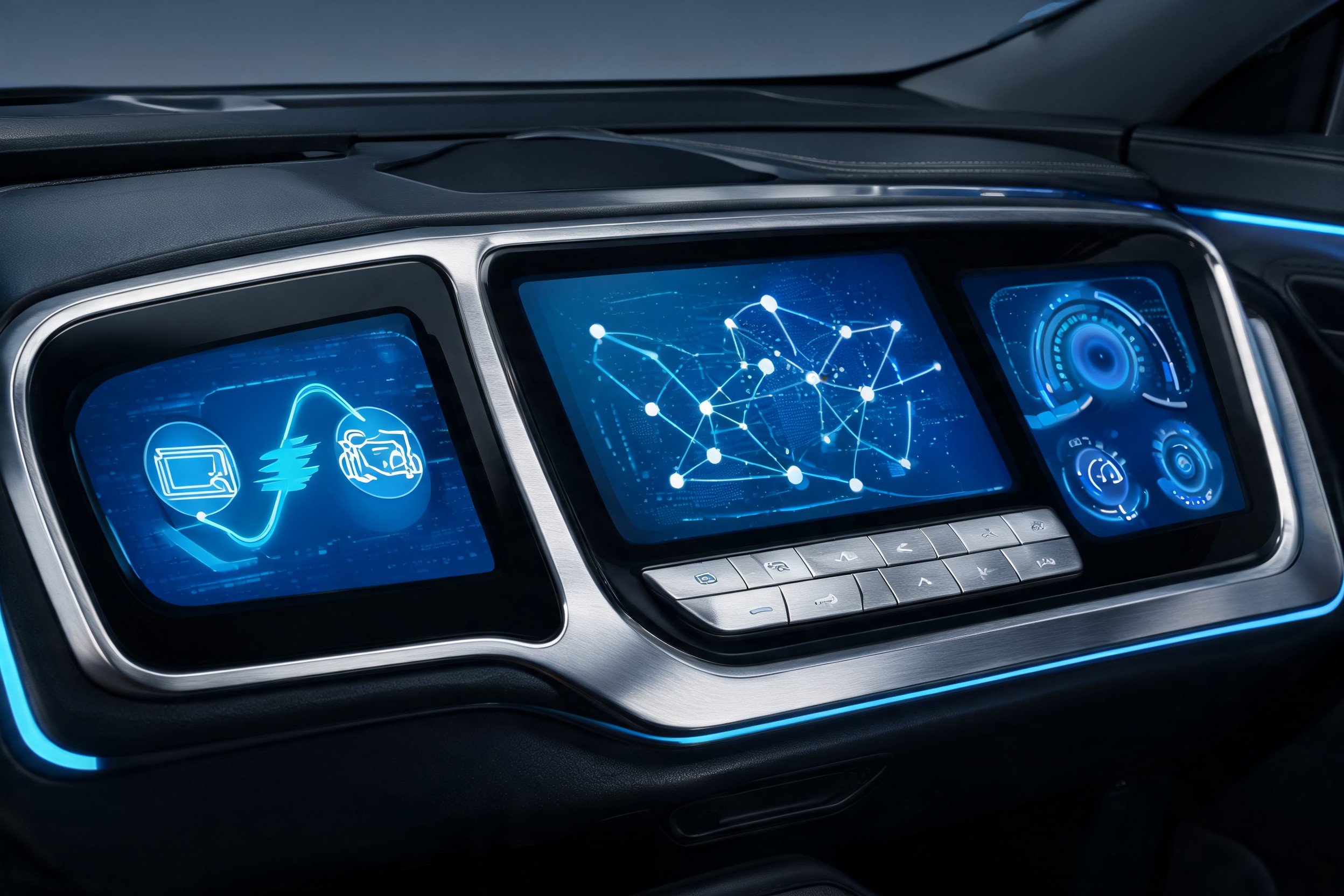
As we wrap up our exploration of 2026’s most exciting car trends, it’s clear that staying ahead of the curve in the automotive world is all about embracing innovation and making informed choices. From the continued expansion of Nissan’s hybrid models to the seamless integration of AI into our driving experiences, these advancements aren’t just technological—they’re transformative, reshaping how families approach vehicle ownership. By understanding these trends, savvy car buyers can make decisions that are not only aligned with modern automotive innovation but also ensure they’re getting the best value and efficiency out of their investments. So, whether you’re looking for a car that’s environmentally conscious or one that makes your daily commute feel like a scene from the Jetsons, this checklist provides a roadmap to a smarter purchase.
Now that you’re equipped with the knowledge of today’s car trends, it’s time to rev up your engines and take action! If this guide has fueled your curiosity, be sure to connect with us on Instagram, where we share more insights and exclusive updates. Want to delve deeper into the world of car innovations? Follow us on LinkedIn for professional insights and detailed trends analyses. And if you’re keen on the latest threads around automotive advancements, don’t miss out on our updates on Threads. Let’s drive the future together!
Leave a Reply