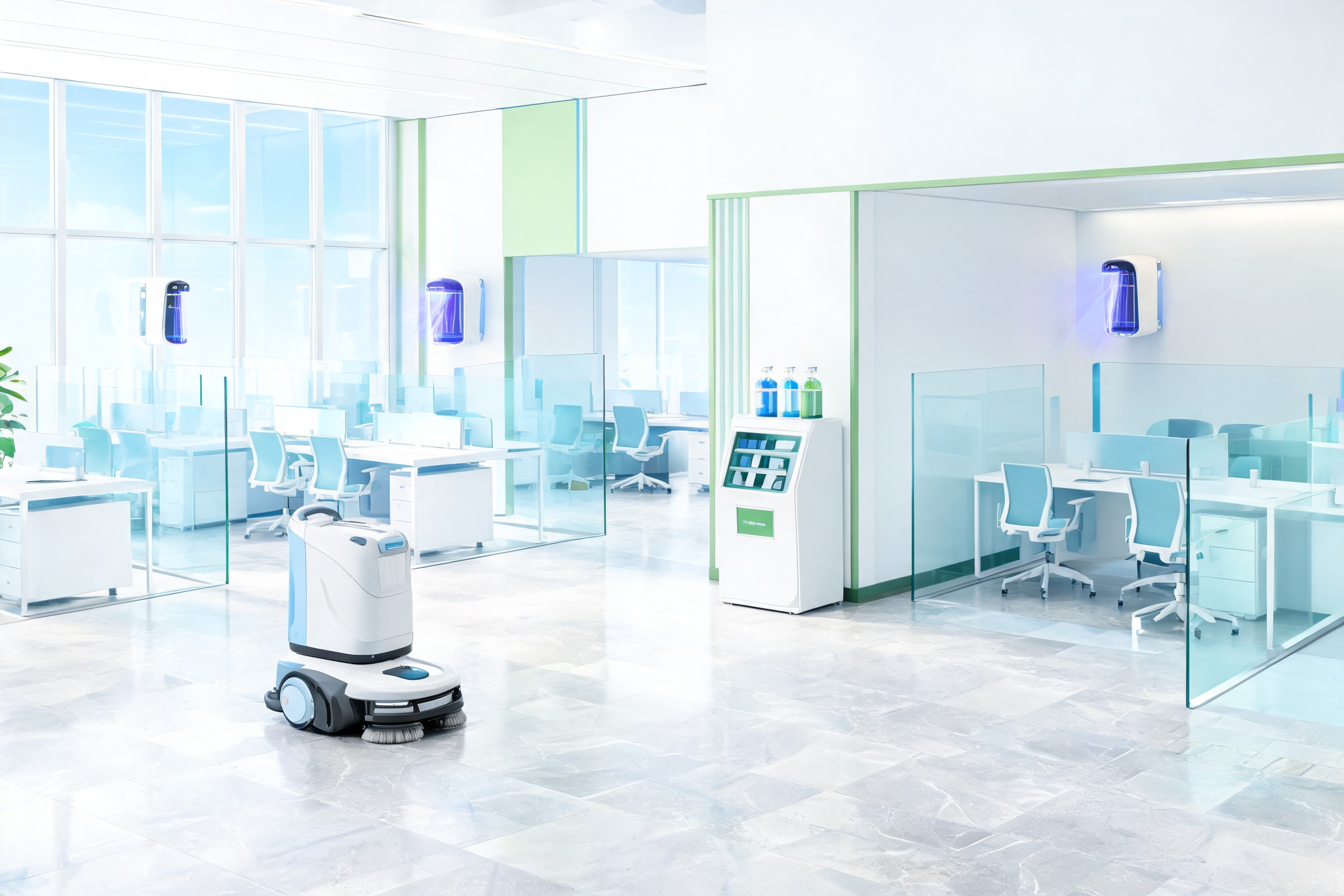
Here’s How Commercial Cleaning Trends Shape 2026 Success, and wow, the game has changed. Offices and businesses aren’t just chasing spotless floors anymore; they’re looking at automation, eco-friendly practices, and health-focused sanitization that keep teams comfortable and productive. In the commercial cleaning world, those details matter more than ever. Even recent industry insights point to smarter methods driving better results. Ready to see what’s actually working in 2026—and what’s just shiny hype? Let’s dig in.
Key Takeaways
- Commercial cleaning trends in 2026 are all about working smarter, not just scrubbing harder.
- Automation is stepping in to handle repetitive tasks—because nobody misses the robot vacuum, right?
- Eco-friendly cleaning practices are helping businesses cut waste and impress sustainability-minded teams.
- Health-focused sanitization is still a big deal, especially when employee comfort and confidence matter.
- Better cleaning strategies can boost satisfaction, productivity, and that “yes, this place is taken care of” feeling.
- Offices and businesses need flexible cleaning plans that keep up with changing workspaces and expectations.
- The smartest commercial cleaning trends blend efficiency, hygiene, and a little modern-day magic.
The Rise of Automation in Commercial Cleaning Trends
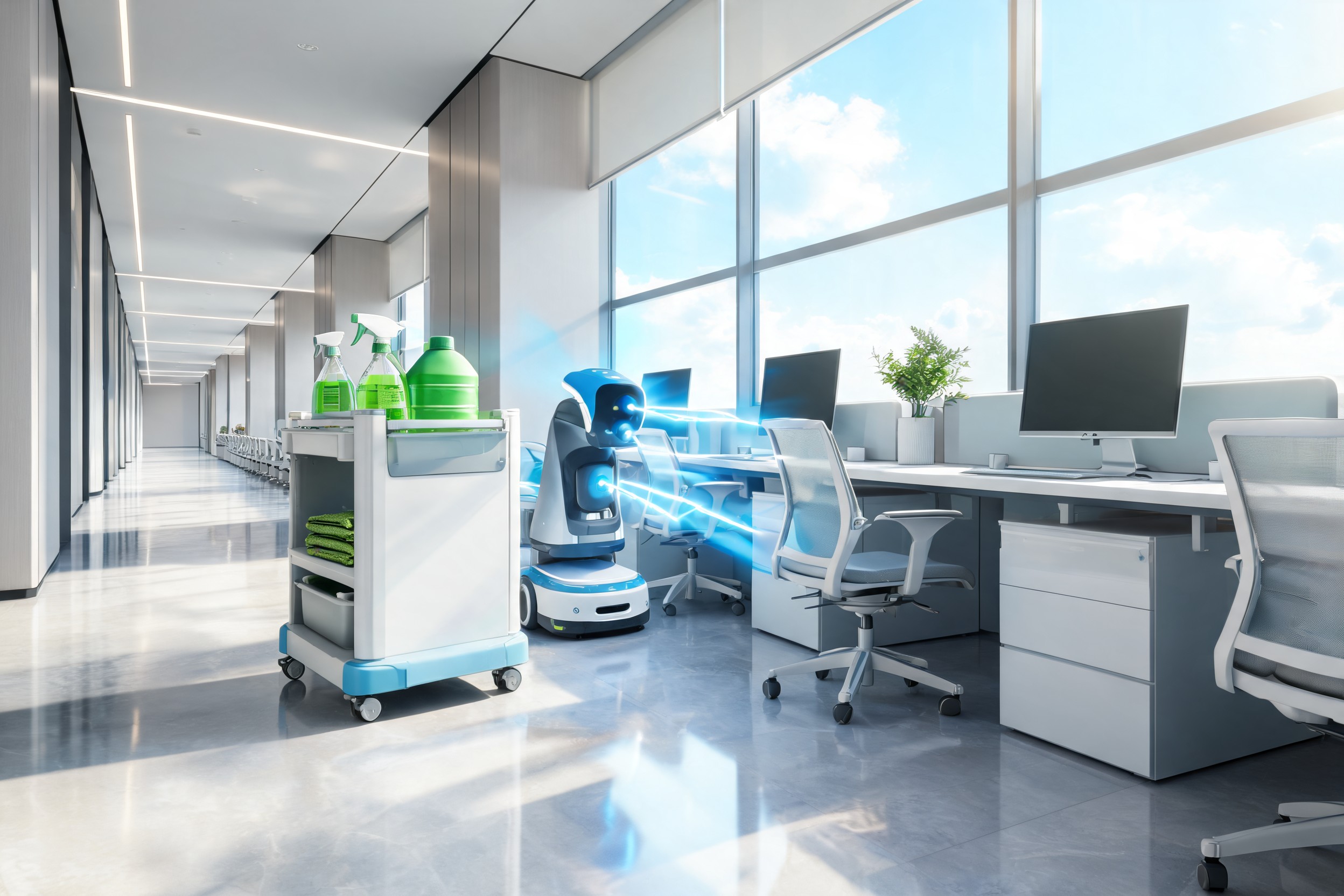
Here’s the thing—commercial cleaning is getting a serious tech upgrade in 2026, and honestly, it’s about time. We’re talking robots, AI-powered scheduling systems, and smart equipment that basically does the heavy lifting while your team focuses on what really matters. Automation isn’t replacing cleaners; it’s freeing them up from repetitive grunt work so they can tackle the detail-oriented tasks that actually require a human touch. The commercial cleaning trends shaping 2026 are all about working smarter, not harder, and automation is leading the charge.
- Robotic Vacuum Systems: These autonomous machines are now sophisticated enough to navigate complex office layouts, avoiding obstacles and learning your building’s layout over time—talk about efficiency on steroids.
- AI-Driven Scheduling: Predictive algorithms analyze traffic patterns and high-touch areas, ensuring your cleaning crew hits the spots that need it most when they need it most.
- IoT Sensors for Real-Time Monitoring: Smart sensors track cleanliness levels in bathrooms and common areas, alerting your team instantly when intervention’s needed rather than guessing.
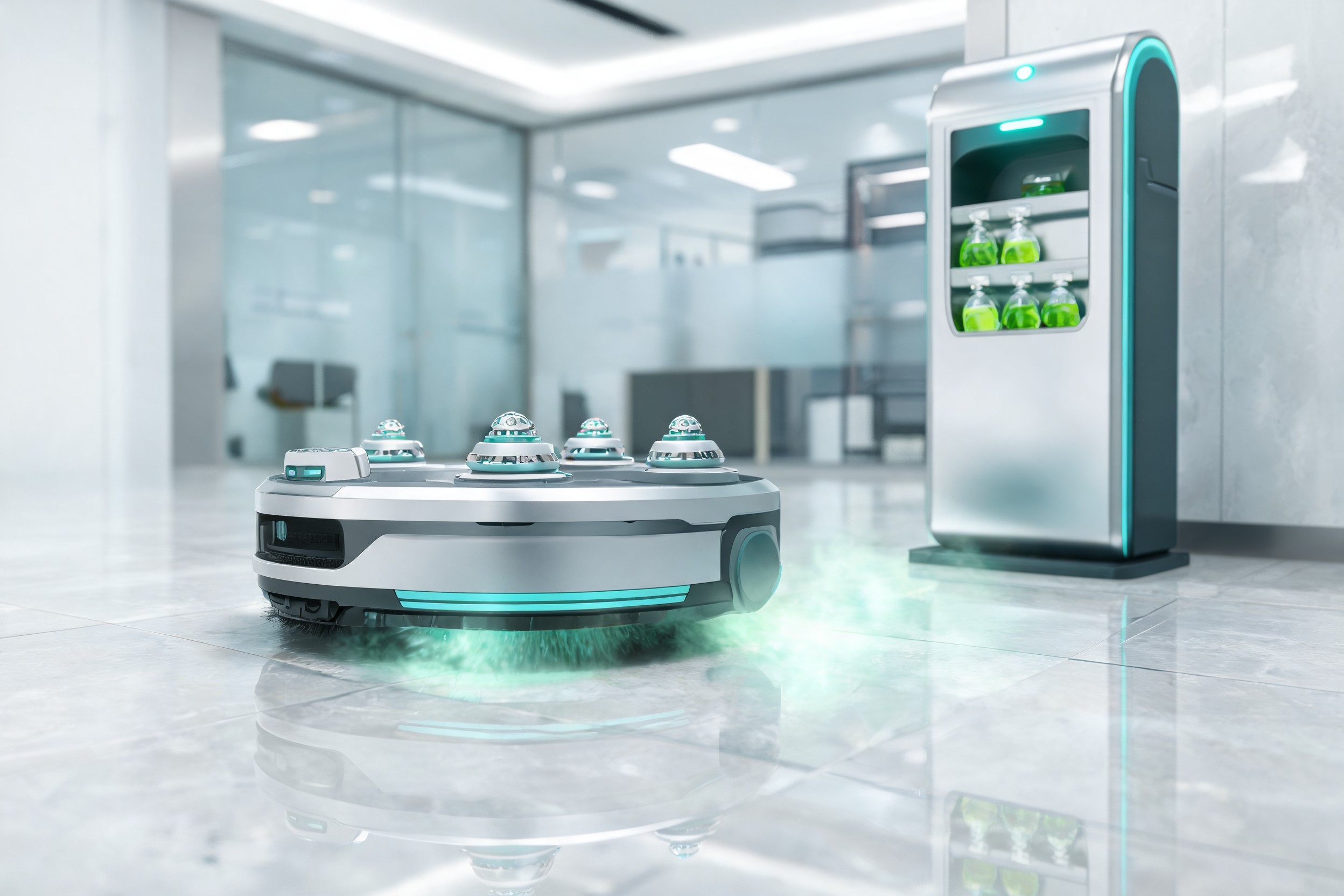
- Automated Dispensing Systems — These eliminate waste and ensure consistent product application, cutting costs while maintaining quality standards across your entire facility.
Eco-Friendly Practices Redefining Commercial Cleaning Standards
You know what’s wild? Companies are finally realizing that going green isn’t just good for the planet—it’s good for their bottom line too. Eco-friendly commercial cleaning trends in 2026 are moving beyond buzzword territory into genuine operational strategy. We’re seeing a massive shift toward sustainable products, reduced chemical usage, and waste minimization practices that actually stick. Your employees notice this stuff, and it genuinely boosts morale when they know their workplace cares about environmental responsibility.
- Plant-Based Cleaning Solutions: Biodegradable formulas derived from natural ingredients are proving just as effective as traditional chemicals—minus the toxins and the guilt.
- Water Conservation Techniques: Microfiber technology and waterless cleaning methods are cutting water usage by up to 80% in some facilities, which is massive for both the environment and operational costs.
- Zero-Waste Cleaning Programs — Reusable equipment, refillable product containers, and composting programs are replacing single-use items, creating a circular system that actually makes sense.
- Green Certification Standards: More businesses are pursuing certifications that validate their commitment to sustainability, giving them credibility with eco-conscious clients and employees.
Health-Focused Sanitization Strategies Taking Center Stage
Post-pandemic awareness didn’t fade—it evolved. Health-focused sanitization is now a cornerstone of commercial cleaning trends for 2026, and frankly, it’s changed the entire game. We’re not just talking about surface cleaning anymore; it’s about creating genuinely healthier workspaces that reduce illness transmission and boost employee confidence. This goes beyond compliance—it’s about building trust and protecting your team’s wellbeing.
- Electrostatic Disinfection Technology: These systems spray a fine mist of disinfectant that clings to surfaces electrostatically, reaching crevices traditional methods miss and killing pathogens more effectively.
- UV-C Light Sanitization: Ultraviolet light disinfection is becoming standard in high-traffic areas, breaking down microorganisms at the DNA level without chemical residue.
- Antimicrobial Surface Coatings — Long-lasting protective layers applied to frequently-touched surfaces create an ongoing barrier against bacteria and viruses between cleaning cycles.
- ATP Testing and Data Reporting: Real-time cleanliness verification using adenosine triphosphate testing gives you measurable proof that sanitization standards are being met, not just assumed.
Employee Satisfaction Through Enhanced Workplace Cleanliness
Here’s something companies are finally getting—a clean workspace directly impacts employee satisfaction, productivity, and retention. Commercial cleaning trends in 2026 recognize that your team isn’t just working in a space; they’re living in it eight hours a day. When your cleaning program prioritizes their comfort and health, they notice, and they appreciate it. It’s one of those things that seems obvious in hindsight but often gets overlooked in practice.
- Personalized Cleanliness Preferences: Some forward-thinking organizations are surveying employees about their cleanliness priorities—fragrance preferences, allergen concerns, cleaning schedule timing—creating spaces tailored to their needs.
- Transparent Communication: Posting cleaning schedules, sanitization certifications, and health standards in visible areas reassures employees that their workspace is being properly maintained.
- Mental Health Connection — Studies show clean, organized workspaces reduce stress and anxiety, directly contributing to better mental health outcomes and overall workplace morale.
- Allergen Management Programs: Specialized protocols targeting common workplace allergens—dust mites, pollen, pet dander—are becoming standard, especially for employees with sensitivities.
Smart Building Integration and Data Analytics
The convergence of commercial cleaning trends with smart building technology is creating something pretty remarkable—buildings that essentially manage their own cleanliness standards. We’re talking integrated systems where your HVAC, lighting, and cleaning operations work together, sharing data to optimize everything from air quality to sanitization schedules. It’s less “Big Brother” and more “helpful building manager that never sleeps.”
- Integrated Facility Management Platforms: Centralized dashboards give you complete visibility into cleaning operations, equipment maintenance, and compliance metrics all in one place—no more scattered spreadsheets and guesswork.
- Predictive Maintenance Alerts: Systems flag potential issues before they become problems, whether that’s equipment breakdown or supply shortages, keeping operations running smoothly.
- Energy Efficiency Optimization — Smart integration reduces unnecessary cleaning cycles and water usage by understanding occupancy patterns and actual cleanliness needs rather than running on fixed schedules.
- Occupancy-Based Cleaning Schedules: Sensors detect when areas are in use, allowing cleaning teams to focus on unoccupied spaces, improving efficiency without disrupting workflow.
Training and Certification Standards Evolving in 2026
You know what often gets overlooked? Your cleaning staff are the backbone of everything we’ve discussed, and 2026’s commercial cleaning trends recognize that proper training isn’t optional—it’s essential. We’re seeing a shift toward comprehensive certification programs, continuous education, and professional development that treats cleaning as the skilled trade it actually is. When your team is properly trained on new technologies and health standards, everything else falls into place.
- Advanced Equipment Certification Programs: As automation and new technologies become standard, workers need formal training on robotics, electrostatic systems, and data collection—creating career pathways and better-paying positions.
- Health and Safety Compliance Training: Specialized courses on infectious disease prevention, chemical safety, and ergonomic practices ensure your team can work safely while maintaining high standards.
- Green Cleaning Certifications — Industry-recognized credentials validate expertise in eco-friendly practices, making trained staff more valuable and confident in their roles.
- Cross-Training on Technology Integration: Staff understand how their work connects to smart systems and data analytics, creating accountability and engagement with the bigger picture.
Cost Management and ROI in Modern Commercial Cleaning
Let’s be real—all these cutting-edge commercial cleaning trends sound amazing, but the question is always, “How does this affect my budget?” Here’s the good news: when implemented strategically, these innovations actually reduce costs while improving outcomes. We’re talking better resource allocation, less waste, and measurable efficiency gains that justify the investment. It’s not about spending more; it’s about spending smarter.
- Reduced Chemical Waste: Precise dispensing systems and eco-friendly alternatives cut product consumption by 30-40% while maintaining or exceeding cleanliness standards.
- Labor Optimization: Automation handles repetitive tasks, allowing fewer staff members to cover larger areas—reallocating your budget toward specialized, higher-value work.
- Preventive Maintenance Savings — Predictive data means fewer emergency repairs and equipment breakdowns, extending asset lifespan and avoiding costly downtime.
- Energy Efficiency Gains: Smart scheduling and optimized systems reduce water and electricity consumption, with many facilities seeing utility savings of 20-35% annually.
Future-Proofing Your Commercial Cleaning Strategy
So what does this all mean for your business moving into 2026 and beyond? The commercial cleaning trends we’re seeing aren’t just fads—they’re fundamental shifts in how professional spaces maintain health, sustainability, and employee satisfaction. The companies that embrace these changes early gain competitive advantages in attracting talent, impressing clients, and managing costs effectively. Whether you’re starting small with eco-friendly products or diving into full automation, the time to act is now because the landscape is shifting fast, and you don’t want to get left behind.
- Audit Your Current Systems: Take inventory of what you’re doing now versus what’s becoming standard in 2026—identify gaps and prioritize changes based on impact and feasibility.
- Pilot New Technologies: Test automation, new sanitization methods, or eco-friendly products in limited areas before full implementation to minimize risk and gather real-world data.
- Invest in Your Team — Whether through training, better equipment, or competitive wages, supporting your cleaning staff ensures successful adoption of new practices and reduces turnover.
- Track Metrics That Matter: Implement data collection systems now so you can measure cleanliness, employee satisfaction, cost savings, and sustainability gains—what gets measured gets managed.
Conclusion
As we’ve seen, commercial cleaning trends in 2026 are doing a lot more than keeping offices looking sharp—they’re quietly shaping how businesses run, how employees feel, and how customers judge a space the second they walk in. Automation is taking the grunt work off the table, eco-friendly practices are helping companies clean smarter without leaving a giant footprint, and health-focused sanitization is proving that a truly clean workplace is also a safer, more productive one. Put together, these trends show that the future of commercial cleaning isn’t just about sparkle and shine; it’s about trust, efficiency, and creating an environment where people can actually do their best work without side-eyeing the breakroom counter. That’s the real win for any business aiming to stay competitive in 2026 and beyond.
Wrapping this up, if you’re ready to turn these commercial cleaning trends into everyday results, now’s the time to make a move—because the dust bunnies aren’t going to schedule themselves. For more practical updates and behind-the-scenes takes, check out our Facebook and Instagram. Stick around, stay curious, and keep your workplace looking as good as it performs.
Leave a Reply