
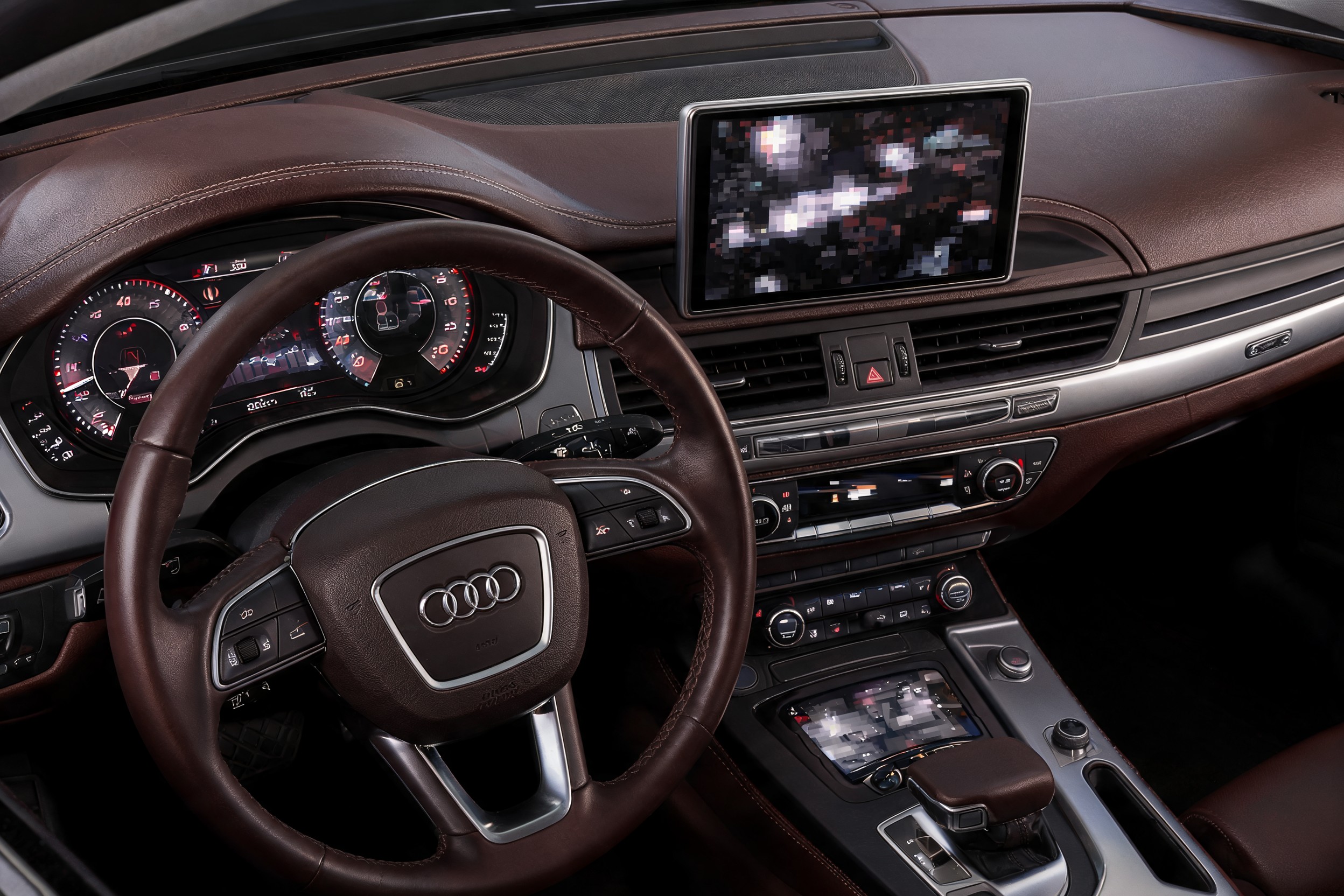
Thinking of snagging a used Audi? Hold that thought. Not all Audis are as dazzling as they seem. Our checklist reveals the Audi models to avoid and why they disappoint. From hefty maintenance bills to unexpected breakdowns, some Audis have earned their bad reputations. But don’t worry, armed with this honest truth, you’ll sidestep the lemon and cruise home confident. Curious about which models made the list? Let’s dive in and make your used car shopping a breeze. Trust us, it’s a ride worth taking!
Key Takeaways
- Avoid certain Audi models known for costly maintenance.
- Discover which Audis disappoint with reliability issues.
- Learn from others’ experiences before buying used.
- Dodge the lemon and drive with confidence.
- Unpack the truth about notorious Audi models.
The Reality Behind Those Luxury Price Tags
You know that moment when you’re scrolling through used car listings and spot a gorgeous Audi at what seems like an unbeatable price? Yeah, we’ve all been there. But here’s the thing—sometimes that deal is too good to be true, and it’s not because you’ve stumbled upon a unicorn. The truth is, certain Audi models to avoid have earned their sketchy reputations through years of owner complaints, astronomical repair bills, and reliability problems that’ll make your wallet weep. Before you pull the trigger on that pre-owned luxury sedan, let’s talk about which ones tend to disappoint and why savvy buyers steer clear of them.
- Understanding the maintenance costs difference—some Audis are notorious for needing expensive repairs that can rival a monthly car payment.
- Reliability issues vary dramatically by model year and generation—not all Audis are created equal.
- The depreciation trap: certain models hold value better than others, and knowing which ones tank helps you avoid financial regret.
- German engineering comes with German-level repair bills—factor this into your total cost of ownership before signing anything.
The A4 Generation Problem (2004-2008): When Timing Chains Become Your Nemesis
Let’s get specific about one of the Audi models to avoid that keeps popping up in buyer forums and repair shop waiting rooms alike. The fourth-generation A4, particularly models from 2004 to 2008, has developed a bit of a reputation—and not the kind you want. These cars are known for timing chain issues that can absolutely devastate your bank account. We’re talking about potential repair costs that can reach $3,000 to $5,000 or more, depending on how badly things have deteriorated. The problem? These timing chains were prone to stretching and wearing out prematurely, especially in higher-mileage vehicles. You might drive home thinking you got a steal, only to have the check engine light greet you like an unwanted relative.
- Timing chain failures weren’t just occasional—they were common enough that mechanics started seeing patterns in these model years.
- The repair isn’t quick either; we’re talking about major engine work that can keep your car in the shop for days.
- Higher mileage amplifies the risk—anything over 80,000 miles on these generations deserves serious scrutiny and a pre-purchase inspection.
- Listen for rattling sounds during startup—that’s often your first warning sign before things get expensive.
The A6 C5 (2004-2011): Electrical Gremlins and Carbon Buildup Nightmares
Moving up the ladder, we encounter another set of Audi models to avoid: the C5 generation A6 sedans from 2004 to 2011. Now, these cars are genuinely beautiful machines—they’ve got presence, they’ve got that luxury feel, and they drive pretty darn well when everything’s working. But here’s where the reliability problems show up to crash the party. Owners have reported persistent electrical issues that seem to pop up randomly, like that friend who always shows up at inconvenient times. We’re talking about malfunctioning window regulators, door lock problems, and infotainment systems that decide to go haywire. On top of that, these models are particularly prone to carbon buildup on intake valves, which leads to rough idling, hesitation during acceleration, and reduced fuel economy.
- Carbon cleaning isn’t cheap—expect to spend $800 to $1,500 for a proper walnut shell blasting procedure to address this issue.
- Electrical repairs can be maddeningly difficult to diagnose, meaning you might rack up labor costs before anyone figures out what’s actually wrong.
- The transmission in some of these models—particularly the CVT—has shown signs of premature wear and hesitation issues.
- Rust issues on the undercarriage become more prevalent with age, especially in areas with harsh winters.
The A8 D3 (2003-2010): Luxury That Costs Like a Second Mortgage
If you’re considering a used A8 from the D3 generation (2003-2010), take a deep breath and sit down for this chat. These are gorgeous, sophisticated, absolutely loaded with features—and they’re some of the priciest Audi models to avoid if you’re budget-conscious. The problem isn’t just that repairs are expensive; it’s that everything seems to break, and when it does, you’re in for a world of financial hurt. We’re talking about suspension components that wear out quickly, electrical systems that are Byzantine in their complexity, and maintenance schedules that demand special fluids and parts you can’t just pick up at any garage. Owners have reported issues with the air suspension system failing, which can cost $2,000 to $4,000 to replace.
- The air suspension system is a common failure point—it’s sophisticated, it’s expensive to repair, and it affects ride quality dramatically when it goes.
- Transmission problems have been documented in certain model years, with some owners reporting hesitation and jerky shifting.
- The transmission fluid changes alone aren’t simple—these require special procedures and genuine fluid that costs significantly more than standard options.
- Brake system repairs on the A8 tend to be pricey because of the complexity and the need for specialized diagnostic equipment.
The Q7 First Generation (2006-2015): The SUV That Eats Maintenance Budgets
Alright, let’s talk about one of the Audi models to avoid if you’re looking at the luxury SUV market. The first-generation Q7 (2006-2015) is undeniably capable and comfortable, but it’s also notorious for reliability problems that can turn ownership into a frustrating experience. These vehicles are thirsty for maintenance and repairs, with many owners reporting issues that seem to cascade one after another. The transmission—particularly in earlier model years—has been a source of significant complaints, with owners reporting hesitation, rough shifting, and complete transmission failures that required expensive replacements. Additionally, the suspension components wear out faster than you’d expect for a vehicle in this price range.
- Transmission failures in Q7s can exceed $5,000 to $7,000 for a replacement, and some owners have dealt with multiple transmission issues.
- The carbon buildup problem affects Q7s too—these larger engines are susceptible to the same intake valve issues as their sedan counterparts.
- Cooling system failures have been documented, with water pumps and thermostats showing premature wear—not catastrophic individually, but they add up.
- Electrical gremlins in the Q7 are particularly frustrating because the vehicle’s complexity makes diagnosis time-consuming and therefore expensive.
The A3 (2006-2013): The “Budget Audi” That Wasn’t Actually Budget-Friendly
Here’s something interesting—many folks think that choosing a smaller, more “entry-level” Audi model means fewer reliability problems and lower maintenance costs. The A3 from 2006 to 2013 pretty thoroughly disproves that theory. While these cars are fun to drive and genuinely charming, they’ve developed a reputation for certain specific issues that keep repair shops busy. One of the most common complaints involves the DSG transmission, which has been problematic across multiple Audi and Volkswagen platforms. Owners have reported rough shifting, hesitation between gears, and in some cases, complete transmission failure. It’s particularly frustrating because it’s such a critical component, and repairs are anything but cheap.
- DSG transmission problems plague many A3s, with some owners spending $3,000 to $4,000 on repairs or replacements.
- Carbon buildup affects these engines too—the 2.0 TSI engine in particular has shown susceptibility to intake valve deposits.
- Water pump failures are more common than they should be—these aren’t usually catastrophic individually, but the labor costs add up quickly.
- The electrical system in some model years has shown quirks, including issues with the door latches and power window motors.
The Rs Models: Performance at a Steep Reliability Price
Now, we need to talk about the Rs models—the high-performance variants that promise thrilling driving dynamics. While these cars absolutely deliver on the performance front, they come with their own set of challenges when it comes to reliability problems. The RS4, RS5, and RS6 are incredible machines, but they’re also incredibly demanding machines. These high-output engines, aggressive transmissions, and complex all-wheel-drive systems require meticulous maintenance and specialist knowledge. When things go wrong—and they do go wrong—the repair bills can make your eyes water. We’re not talking about small-ticket items here; we’re talking about engine rebuilds, transmission replacements, and suspension overhauls that can cost as much as a new car.
- Carbon buildup is even more pronounced in performance models because these engines run harder and hotter than standard versions.
- Transmission issues in Rs models are particularly serious—performance transmissions are expensive to repair and often require complete replacement rather than repair.
- Engine problems, including timing chain issues and carbon buildup, are magnified in these high-output variants that demand more from every component.
- Suspension wear in Rs models happens faster due to the increased performance capability and the way these vehicles are often driven.
The VW Group Platform Problem: Understanding Why Certain Audis Share Common Issues
Here’s something that helps explain why we’re seeing similar reliability problems across multiple Audi models to avoid—they share platforms and components with other Volkswagen Group vehicles. This is actually a double-edged sword. On one hand, it means parts might be slightly cheaper because they’re shared across multiple brands. On the other hand, if there’s a design flaw in a shared component, it affects multiple platforms, and you’ll see the same problems recurring across different models. The DSG transmission, for instance, has been problematic across Audi, Volkswagen, and other VW Group brands. The carbon buildup issue isn’t unique to Audi either; it’s a characteristic of direct-injection TSI engines used across the group.
- Shared platform issues mean you might encounter the same reliability problems regardless of which Audi model you choose from a particular generation.
- The good news is that mechanics familiar with VW Group vehicles often understand these common issues and can diagnose them more efficiently.
- Extended warranties and recall campaigns sometimes cover shared platform problems, so check the history before purchasing.
- Understanding the VW Group connection helps you evaluate reliability issues more intelligently—what affects one platform often affects others.
The Maintenance Cost Reality: What You’re Actually Looking At
Let’s be brutally honest about what ownership of certain Audi models to avoid actually costs when you factor in maintenance and repairs. We’re not just talking about oil changes here. When you buy a used Audi with reliability problems, you’re potentially looking at maintenance costs that rival or exceed those of new vehicles. Brake fluid flushes for Audis run about $200 to $300 because they use special brake fluid. Transmission fluid changes aren’t simple jobs—they’re expensive services that cost $500 to $1,000. And that’s just routine maintenance. When something actually breaks, you’re entering expensive territory fast. A single diagnostic session at an Audi-specialized shop can cost $150 to $200 before any actual repairs begin.
- Calculate total cost of ownership, not just the purchase price—maintenance costs can easily add $1,000 to $2,000 per year for problem models.
- Specialized tools and training mean Audi repairs must often go to certified technicians, which costs more than taking your car to an independent shop.
- Parts are expensive—genuine Audi parts cost significantly more than aftermarket alternatives, and some repairs really do require genuine parts.
- Labor costs at Audi dealerships or certified shops can run $150 to $200 per hour, versus $75 to $125 at independent mechanics.
Smart Shopping: What to Check Before You Buy
Okay, so you’ve read this far and you’re thinking, “Should I just avoid Audi entirely?” Not necessarily. The key is being smart about which models you consider and doing your homework before you hand over your money. If you’re still interested in an Audi despite the reliability problems we’ve discussed, get a thorough pre-purchase inspection from a qualified mechanic—ideally one who specializes in Audis. Have them specifically check for the common issues we’ve mentioned: timing chains, carbon buildup, transmission function, electrical systems, and suspension wear. Request the complete service history and check for any recalls that haven’t been addressed. Look for signs of previous repairs and ask questions about what’s been fixed and what hasn’t.
- Always get a pre-purchase inspection from a specialist—this typically costs $150 to $300 but can save you thousands by revealing hidden problems.
- Check the Carfax or AutoCheck report for accident history, service records, and any recalls that might indicate chronic issues.
- Listen to the engine—unusual noises, rough idling, or hesitation during acceleration are red flags that warrant serious consideration.
- Test the transmission thoroughly—shifting should be smooth and responsive, not hesitant or jerky.
- Have a diagnostic scan performed to check for stored or pending fault codes—even cleared codes might reappear and reveal ongoing issues.
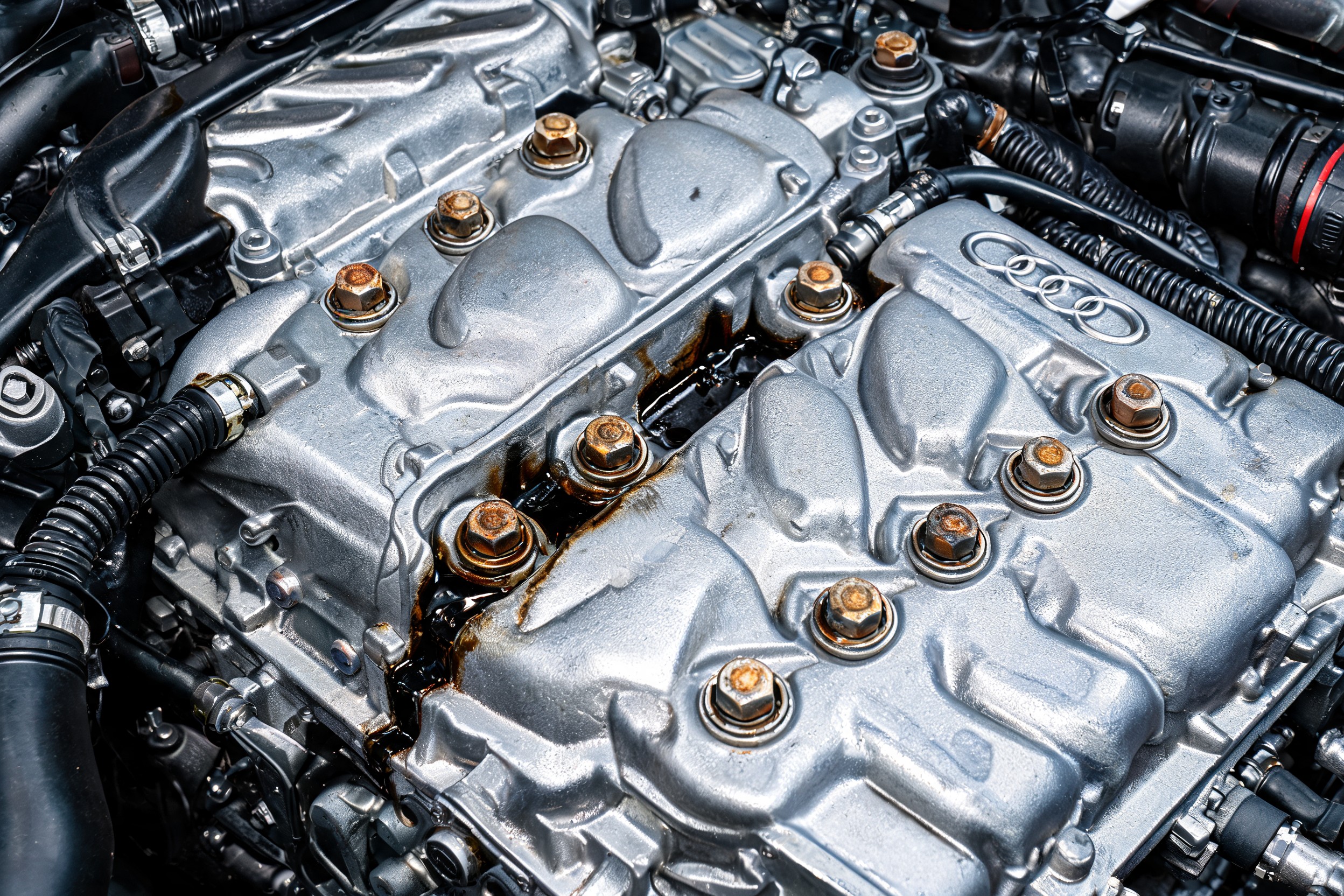
After diving into the murky waters of used Audi models, it’s clear that the allure of driving a luxury car can sometimes come with hidden pitfalls. High maintenance costs and nagging reliability problems have left some models with a rather disappointing reputation. Our checklist highlighted key culprits like the Audi Q7 and Audi A6, which despite their sleek designs and plush interiors, often leave owners flustered with frequent visits to the repair shop. Understanding which Audi models are more likely to drain your bank account helps keep your confidence intact as you hunt for that dream ride. Remember, the goal is to sidestep the lemon so you’re not just driving, but also smiling on your journey home.
Still thirsty for car wisdom? Want to see more tips and connect with fellow savvy shoppers? Rev up your online presence by bookmarking this treasure trove of automotive advice and join the conversation on social media! Keep up with the latest and greatest (or not so great) car insights on **Instagram** for a daily dose of vehicular wisdom or network with pros on **LinkedIn**. And if you’re more of a conversationalist, join the fun on **Threads**. Because, let’s face it, avoiding a car catastrophe is best done with a little help from your online friends.
Leave a Reply