
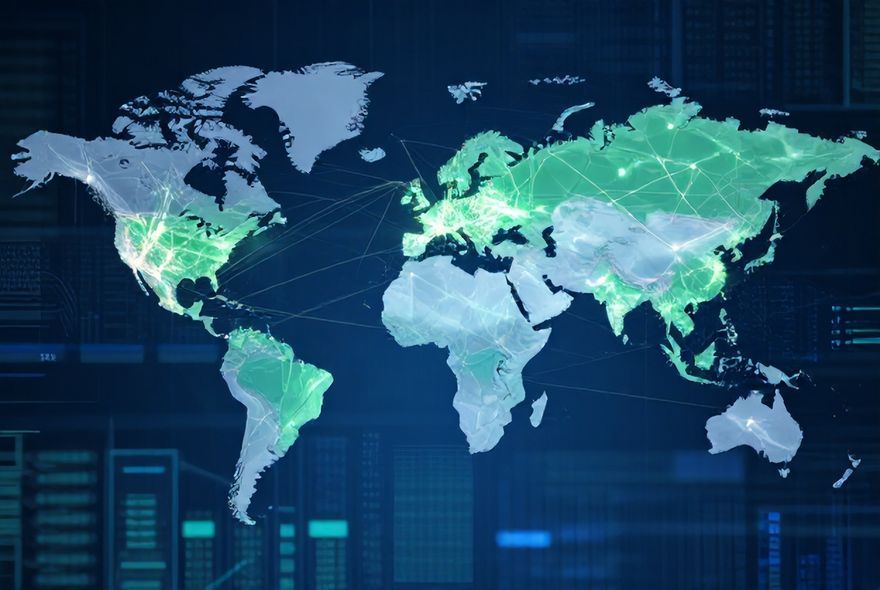
Ever found yourself staring blankly at the latest world news and wondering, “How on earth does this affect my business?” Well, you’re not alone! Our Guide To Reading Geopolitical Tea Leaves for Business Impact is here to save the day. We’ll decode those intricate international tensions, trade policies, and political movements that quietly reshape supply chains, talent markets, and consumer behavior across industries. Armed with insights from reports, this deep dive will leave you feeling less like a deer in headlights and more like a global trend wizard ready for 2026!
Key Takeaways
- Insights into how political movements can sneakily shift consumer behavior. Sneaky, right?
- Decode trade policies that could shake up your supply chain like a snow globe.
- Navigate the choppy waters of international tensions before they capsize your business strategy.
- Discover which geopolitical events could impact talent markets—don’t get caught without a paddle.
- Uncover the hidden trends that will shape industries by 2026—before they unfold.
- Engage with global trends and stay one step ahead, because who doesn’t love being in the know?
- Adapting to changing geopolitical landscapes can be a breeze if you know where to look.
Why Geopolitical Tea Leaves Matter for Your Bottom Line
Here’s the thing—most business leaders wake up, check their emails, and wonder why supply chains suddenly seized up or why talent recruitment got trickier overnight. The real answer? Geopolitical movements were already signaling trouble weeks before. Reading geopolitical tea leaves isn’t about becoming a political analyst (unless you want to be). It’s about understanding how international tensions, trade policies, and political movements quietly reshape the business landscape you operate in. Whether you’re managing supply chains, hiring globally, or selling to international markets, these forces directly impact your bottom line. Let’s decode what’s actually happening behind the headlines.
- Supply Chain Fragility: Trade policy shifts and geopolitical tensions create immediate disruptions—tariffs spike, shipping routes change, and sourcing becomes unpredictable. Companies that spot these shifts early pivot faster than competitors.
- Talent Market Volatility: Political movements affect immigration policies, visa regulations, and workforce availability. A shift in international relations can suddenly make hiring from certain regions difficult or expensive.
- Consumer Behavior Swings: International tensions influence consumer sentiment, currency values, and purchasing power. People buy differently during periods of uncertainty, and smart businesses anticipate these shifts.
- Currency and Investment Risk: Political instability in key markets creates currency fluctuations that impact pricing, profitability, and cross-border transactions.
- Competitive Advantage Through Foresight: Companies reading geopolitical signals early gain months of planning advantage over reactive competitors stuck in crisis mode.
Decoding Trade Policy Signals Before They Hit Your Operations
Trade policies are like weather patterns for business—they seem distant until they’re suddenly affecting your operations directly. You know that feeling when you’re blindsided by a tariff announcement that jacks up your costs? That shouldn’t happen if you’re paying attention to geopolitical tea leaves. Trade policies emerge from diplomatic tensions, bilateral negotiations, and shifting power dynamics between nations. Understanding where these policies are heading—before official announcements—gives you a real edge. Let’s break down how to read these signals.
- Monitor Diplomatic Messaging: When government officials start using tougher rhetoric toward trading partners, trade policy shifts typically follow within 3-6 months. Track speeches, press conferences, and official statements from trade ministers and presidents in your key markets.
- Watch for Bilateral Tensions: Disputes between major trading partners (think U.S.-China relations, EU-India negotiations) often precede tariff announcements, export restrictions, or preferential trade agreements that reshape sourcing strategies.
- Identify Protectionist Movements: Growing domestic political pressure for “buy local” policies, especially in developed nations, signals coming trade barriers. These movements typically gain momentum before becoming official policy.
- Track Regulatory Alignment Shifts: When countries begin aligning regulations differently—think data privacy laws or environmental standards—it’s often a sign of political realignment that affects trade relationships and compliance costs.
- Follow Supply Chain Diversification Announcements: When governments offer incentives for domestic manufacturing or nearshoring, they’re signaling future trade friction. Companies announcing supply chain shifts are reading geopolitical signals you should be watching too.
International Tensions and Supply Chain Restructuring
Supply chains aren’t just logistics puzzles—they’re geopolitical battlegrounds. When international tensions rise between major economies, supply chains become collateral damage. We’ve all watched it happen: tensions escalate, sanctions get imposed, shipping routes shift, and suddenly your procurement costs spike by 30%. But here’s what most businesses miss—the real disruption happens silently, weeks before the dramatic headlines. Reading geopolitical tea leaves means spotting these tensions early and restructuring before crisis hits.
- Recognize Early Warning Signs of Escalation: Military posturing, diplomatic withdrawals, and inflammatory rhetoric from government officials typically precede actual trade restrictions or sanctions. A 3-6 month window usually exists between heated rhetoric and concrete restrictions.
- Assess Geographic Concentration Risk: If your supply chain relies heavily on regions experiencing rising geopolitical tension—whether it’s Eastern Europe, the South China Sea, or the Middle East—you’re vulnerable. Map your dependencies and identify single points of failure before tension becomes crisis.
- Understand Sanctions Mechanics: Sanctions don’t just affect direct trade with sanctioned nations. Secondary sanctions, compliance requirements, and banking restrictions create ripple effects through supply chains. Companies doing business with sanctioned entities face penalties, even indirectly.
- Plan for Route Diversification: Rising tensions in key shipping routes (Strait of Hormuz, South China Sea, Suez Canal) signal potential supply disruptions. Companies proactively diversifying routes or nearshoring production avoid the scramble when tensions spike.
- Build Flexibility Into Contracts: Long-term supplier contracts become liabilities during geopolitical shifts. Including force majeure clauses, alternative sourcing provisions, and renegotiation triggers protects your operations when international tensions reshape sourcing realities.
Reading Political Movements That Reshape Talent Markets
Here’s something most business leaders don’t connect: political movements directly reshape talent availability and hiring costs. When you’re struggling to fill positions or noticing visa processing delays, it’s not random—it’s the outcome of political movements reshaping immigration policy and international labor agreements. Think about it. A shift in government toward nationalist policies means tighter visa restrictions, higher immigration fees, and reduced access to global talent pools. Conversely, trade agreements that facilitate movement of skilled workers open up talent markets. Understanding these political currents helps you anticipate talent challenges before HR is scrambling.
- Track Immigration Policy Shifts: Political movements toward stricter immigration typically precede visa restrictions and higher processing fees. Monitor election cycles, government statements about immigration, and policy proposals in your key talent markets (tech hubs, financial centers, etc.).
- Monitor Work Visa Category Changes: Adjustments to H-1B, skilled worker visas, or international transfer policies often follow political pressure. When politicians start campaigning about “protecting local jobs,” visa restrictions usually follow within 12-18 months.
- Watch for Brain Drain Indicators: Rising emigration from certain countries often signals upcoming political instability or policy changes that will make those markets less attractive for talent recruitment. It’s a leading indicator of geopolitical shifts affecting your workforce.
- Assess Regional Trade Bloc Changes: Shifts in trade blocs (EU expansion, USMCA renegotiations, RCEP membership) affect cross-border talent movement. Political movements reshaping these blocs directly impact your ability to move employees regionally.
- Evaluate Remote Work Policy Environments: Political attitudes toward remote work and digital employment vary globally. Governments moving toward stricter digital labor regulations or taxation of remote workers signal geopolitical movements affecting your distributed workforce strategy.
How Consumer Behavior Shifts With Geopolitical Winds
Consumer behavior isn’t rational—it’s emotional and deeply influenced by what’s happening in the world. When international tensions rise, people get nervous. When they’re nervous, they spend differently. As someone who tracks global trends, you’ve probably noticed how consumer sentiment swings with geopolitical movements. A trade war announcement doesn’t just affect your supply costs; it affects how your customers think about spending money. Reading these shifts in consumer behavior—before they show up in sales reports—gives you months of planning advantage.
- Understand Sentiment-Driven Purchasing: During periods of high international tension, consumers typically shift toward essential purchases and away from discretionary spending. This shift happens quickly—often within weeks of major geopolitical events. Luxury goods, travel, and premium services see the biggest drops.
- Monitor Currency-Driven Affordability: Geopolitical tensions create currency volatility. When a nation’s currency weakens due to political instability, imported goods become more expensive for local consumers. This affects pricing strategy, product mix, and market expansion decisions.
- Track Nationalism-Driven Brand Preferences: Political movements emphasizing nationalism create “buy local” trends. Consumers increasingly prefer domestic brands during periods of rising international tension. Companies with strong local positioning outperform those perceived as foreign during these shifts.
- Assess Supply Uncertainty Anxiety: When consumers perceive supply chain risks (due to geopolitical tensions), they stockpile and hoard. This creates artificial demand spikes followed by troughs. Smart retailers anticipate these patterns based on geopolitical signals, not just historical sales data.
- Evaluate Market Entry Timing: Political movements in target markets significantly affect consumer receptiveness to new brands. Entering during periods of rising nationalism or anti-foreign sentiment is uphill. Reading geopolitical tea leaves helps you time market expansion when consumer sentiment is favorable.
Building Intelligence Systems to Monitor Geopolitical Signals
Okay, so you’re convinced that reading geopolitical tea leaves matters. Now comes the practical part—how do you actually do it without becoming a full-time analyst? The truth is, you don’t need classified intelligence or fancy consulting reports. You need systematic monitoring of publicly available signals and a framework for interpreting what they mean for your business. Let’s talk about building intelligence systems that work for real companies, not Fortune 500 behemoths with dedicated geopolitical teams.
- Create a Monitoring Dashboard: Track key geopolitical indicators relevant to your business: bilateral trade tensions, government policy announcements, diplomatic events, sanctions developments, and election cycles in key markets. Tools like Google Alerts, news aggregators, and government websites provide free real-time monitoring.
- Assign Responsibility for Signal Detection: Don’t rely on random awareness. Assign someone (or rotate responsibility) to weekly review of geopolitical developments in your key markets. This person should summarize implications for supply chains, talent, and consumer markets in 30-minute weekly briefings.
- Map Your Geopolitical Exposure: Document your company’s exposure to different regions and countries. Which countries supply your critical materials? Where does your talent come from? Which markets represent significant revenue? This exposure map tells you which geopolitical signals matter most to your business.
- Develop Scenario Planning Protocols: When geopolitical tensions rise, develop 2-3 scenarios: base case (tensions resolve), stress case (tensions escalate), and crisis case (major disruption). For each scenario, document potential business impacts and mitigation strategies.
- Connect Intelligence to Decision-Making: Intelligence only matters if it drives decisions. Establish clear escalation protocols—when certain geopolitical triggers appear, specific teams (procurement, HR, marketing) prepare contingency plans. This ensures geopolitical insights translate to business action, not just interesting conversations.
Practical Strategies for Geopolitical Risk Hedging
Reading geopolitical tea leaves is step one. Actually protecting your business from geopolitical risks is step two. You know, the part that actually matters to your CFO and board. Here’s where theory meets practice. Smart companies don’t just monitor geopolitical signals—they actively hedge against geopolitical risks through supply chain diversification, financial instruments, and strategic positioning. These aren’t exotic strategies reserved for multinational corporations. Even mid-sized companies can implement these approaches to reduce geopolitical vulnerability.
- Implement Supply Chain Redundancy: Single-source suppliers in geopolitically volatile regions are ticking time bombs. Build redundancy by cultivating backup suppliers in different regions (ideally with different geopolitical risk profiles). This costs more upfront but saves enormous amounts when geopolitical tensions disrupt primary suppliers.
- Use Financial Hedging Instruments: Currency hedging, forward contracts, and options protect against currency volatility triggered by geopolitical events. While these have costs, they’re cheap insurance compared to margin erosion from unexpected currency swings during international tensions.
- Establish Geographic Portfolio Balance: If your revenue, talent, and supply chain are overly concentrated in geopolitically volatile regions, you’re exposed. Deliberately build geographic diversification—revenue from stable regions, talent from different hemispheres, supply sources from politically uncorrelated countries.
- Negotiate Flexible Contracts and Partnerships: Lock in flexibility, not just prices. Contracts with force majeure clauses, alternative sourcing rights, and renegotiation triggers protect you when geopolitical movements reshape business realities. This flexibility is worth premium pricing.
- Invest in Nearshoring and Automation: Reducing dependence on distant geopolitically volatile suppliers through nearshoring or automation isn’t just trendy—it’s strategic geopolitical risk management. Companies that move production closer to markets or automate around geopolitical dependencies reduce exposure significantly.
Global Trends 2026: What Geopolitical Movements Are Shaping Next
Looking ahead to global trends in 2026 and beyond, several geopolitical movements are already visible if you know where to look. These aren’t predictions—they’re trajectories we can observe today. Understanding where geopolitical movements are heading helps you position your business proactively rather than reactively. The companies that thrive during periods of geopolitical change are the ones that saw the shifts coming and prepared accordingly. Let’s explore what geopolitical tea leaves are telling us about 2026 and beyond.
- Continued U.S.-China Decoupling: The trend toward reduced economic integration between the U.S. and China will likely intensify regardless of which political party is in power. This signals ongoing tariffs, technology restrictions, and supply chain fragmentation. Companies should accelerate diversification away from over-dependence on either market.
- European Strategic Autonomy Movements: Europe is increasingly pursuing “strategic autonomy”—reducing dependence on U.S. technology, building indigenous capabilities, and tightening trade relationships with allies. This reshapes supply chains and creates opportunities for European suppliers while challenging U.S.-centric companies.
- Regional Power Realignments: The rise of regional powers (India, Brazil, Indonesia) creating their own blocs and trade relationships is reshaping global commerce. Companies need to understand these emerging power centers, not just traditional Western markets.
- Climate Policy Becoming Trade Policy: Carbon border adjustments, environmental regulations, and climate-related tariffs are increasingly weaponized as trade policy. Companies in carbon-intensive industries face escalating regulatory and competitive pressure across borders.
- Digital Nationalism and Data Localization: Political movements toward digital sovereignty mean data localization requirements, local content mandates, and restrictions on cross-border data flows. Companies with global data infrastructure face increasing regulatory fragmentation and compliance costs.
Connecting Geopolitical Intelligence to Strategic Decision-Making
Here’s where a lot of companies drop the ball. They monitor geopolitical developments, generate interesting reports, and then… nothing changes. Strategic decisions continue on autopilot, unaffected by geopolitical signals. Real value comes when geopolitical intelligence actually influences major business decisions: market entry timing, supplier selection, talent recruitment strategy, and capital allocation. This requires connecting geopolitical analysis to your strategic planning processes, not keeping it siloed in a research report nobody reads. Let’s talk about making geopolitical intelligence matter operationally.
- Integrate Into Strategic Planning Cycles: Geopolitical analysis shouldn’t be separate from strategy—it should be embedded in it. When you plan market expansion, supplier contracts, or capital investments, geopolitical risk assessment should be as standard as financial analysis. This means training your planning teams to think geopolitically.
- Use Geopolitical Scenarios in Decision-Making: Instead of assuming stability, present leaders with multiple geopolitical scenarios and implications for each strategic option. What happens to this market expansion if tensions escalate? What if trade policy shifts? This scenario-based thinking improves decision quality significantly.
- Establish Geopolitical Trigger Points for Action: Define specific geopolitical developments that trigger predetermined responses. If this tension escalates to this level, we activate contingency plan A. If this political movement happens, we accelerate our nearshoring initiative. This removes emotion and delays from response.
- Create Cross-Functional Geopolitical Response Teams: When geopolitical risks materialize, you need quick cross-functional response—procurement adjusting suppliers, marketing adjusting messaging, HR managing talent implications. Pre-established teams with clear roles respond faster than ad hoc crisis management.
- Build Geopolitical Considerations Into M&A and Partnership Due Diligence: Acquiring a company heavily dependent on a geopolitically volatile market or sourcing region adds hidden risk. Partnership with suppliers in politically unstable countries creates vulnerability. These geopolitical factors should weigh into M&A decisions as heavily as financial metrics.
Turning Geopolitical Uncertainty Into Competitive Advantage
Here’s the thing about geopolitical uncertainty—it’s not just a threat, it’s an opportunity. While most competitors are caught flat-footed by geopolitical shifts, companies reading the tea leaves early position themselves advantageously. You can lock in favorable supplier contracts before prices spike, enter markets before competitors realize the opportunity, adjust messaging before consumer sentiment shifts, and recruit talent before visa restrictions tighten. Geopolitical uncertainty creates volatility, and volatility creates opportunity for prepared companies. Let’s talk about flipping the script from “geopolitical risk management” to “geopolitical opportunity creation.”
- First-Mover Advantage in Market Positioning: Companies that recognize shifting geopolitical winds and reposition before competitors do gain months or years of advantage. If you spot that a market is becoming friendlier to foreign investment due to political changes, entering early captures premium positioning before the rush.
- Supplier Relationship Advantages: During geopolitical disruptions, suppliers face uncertainty too. Companies that maintain strong, flexible relationships with suppliers navigate disruptions better. Building these relationships during calm periods pays dividends when tensions spike.
- Talent Acquisition During Disruption: When geopolitical tensions create uncertainty in certain regions, top talent becomes willing to relocate. Companies reading these signals early can recruit high-quality talent at favorable terms before competitors realize the opportunity.
- Product and Service Innovation Opportunities: Geopolitical shifts create new problems that need solving. Companies that recognize these problems early develop solutions that address real market needs. Supply chain visibility software, nearshoring consulting, and geopolitical risk tools are all growing because companies need them.
- Strategic Asset Acquisition: Geopolitical uncertainty sometimes creates investment opportunities—undervalued suppliers or companies in temporarily challenged markets that will recover. Prepared companies with capital can acquire strategic assets at discounted prices during geopolitical stress.
Building Your Geopolitical Literacy as a Business Leader
Okay, so we’ve covered why geopolitical tea leaves matter, how to read them, and how to act on them. But there’s one more thing—you personally need to develop geopolitical literacy. And I don’t mean you need to become a policy expert or international relations scholar. You need enough literacy to ask smart questions, evaluate risks, and make better decisions. This means expanding what you read, who you talk to, and how you think about global business. Let’s talk about practical ways to level up your geopolitical awareness without dedicating your life to it.
- Diversify Your Information Diet: Most business leaders read business news that focuses on markets and companies. But geopolitical movements live in political news, international affairs coverage, and policy discussions. Reading Economist articles on trade policy, FT reporting on geopolitical tensions, and listening to international affairs podcasts expands your perspective beyond purely business coverage.
- Build a Network of Geopolitical Perspectives: Talk to people who operate internationally—supply chain professionals, international HR leaders, country managers. They encounter geopolitical realities daily and provide ground-truth perspective that filters through business analysis. Their insights are gold.
- Follow Key Geopolitical Indicators Personally: You don’t need analysts to tell you what’s happening. Follow a few key indicators yourself: bilateral trade relationships between key countries, government policy announcements in major markets, diplomatic incidents and escalations. Noticing patterns yourself develops intuition that serves your decision-making.
- Visit Key Markets and Talk to Local Contacts: There’s no substitute for on-the-ground perspective. When you visit markets where you operate, talk to local partners, government contacts, and employees about political sentiment and policy directions. These conversations reveal geopolitical currents that never make international headlines.
- Ask Geopolitical Questions in Board and Leadership Meetings: If geopolitical analysis isn’t part of your regular strategic conversations, it won’t influence decisions. Start asking: What’s our exposure to current geopolitical tensions? How might political shifts in key markets affect us? What geopolitical risks should we be hedging? These questions normalize geopolitical thinking in your leadership culture.
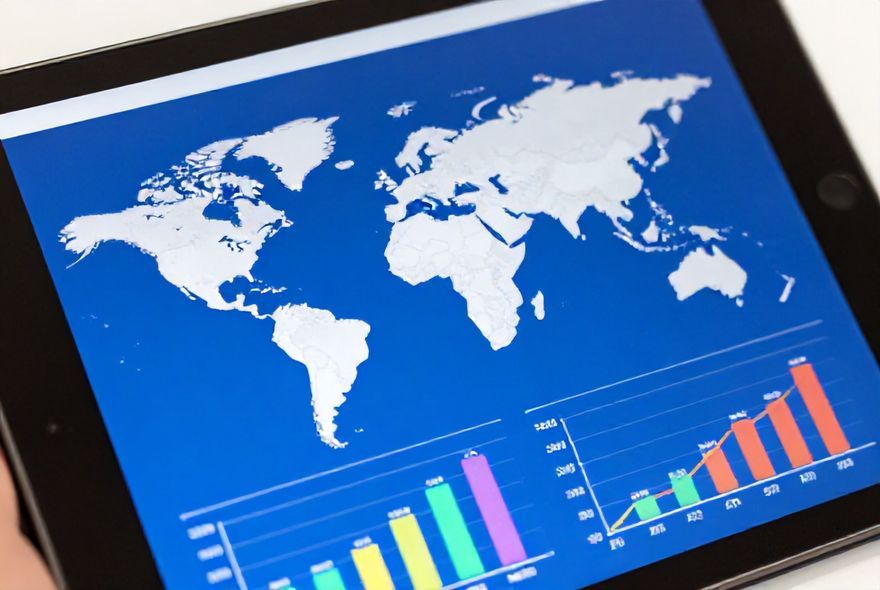
As we wrap up this whirlwind tour through the realms of international tensions, trade policies, and political movements, it becomes evident just how interwoven these elements are in shaping the global business landscape. Our Guide to Reading Geopolitical Tea Leaves for Business Impact serves as your trusty decoder ring, translating these complex maneuvers into understandable impacts on supply chains, talent markets, and consumer behavior. Remember, the intricacies of global trends in 2026 hold immense potential for those ready to interpret them; from the ripple effects of a trade policy change to the silent sway of political movements, being well-prepared means seizing these opportunities as they arise. Next time you’re confronted with a geopolitical conundrum, think of it as your own personal jigsaw puzzle—solve it, and you’ve pretty much unlocked the secrets of the business universe!
Now, isn’t that a refreshing twist on global complexities? If you’re ready to turn your newfound insights into actionable strategies, don’t just sit there like a bump on a log! Connect with us on Facebook, Instagram, and LinkedIn to keep the conversation going. Dive deeper, share your thoughts, and be part of a community that’s ready to tackle 2026 with confidence and a bit of cheeky flair. After all, who doesn’t want to be the one predicting global trends at the next dinner party?





Leave a Reply