

Ever notice how your travels stick in your memory far more vividly than the daily grind? The post ‘Do You Remember Your Travels Differently Than Everyday Life—Here’s Why’ dives into this delightful mystery. We’ll uncover why those adventures leave a lasting imprint while your morning commute fades like a distant dream. It’s not magic—it’s your brain’s nifty way of handling emotional arousal and contextual novelty. So, tag along as we journey through the science of memory, backed by insightful data. Who knows? Your brain might just become your favorite travel buddy!
Key Takeaways
- Ever wonder why that vacation feels more memorable than last Tuesday? It’s all about emotional arousal!
- Travel gives your brain a workout with emotional highs and novel contexts, making memories stickier.
- Mundane routines are like autopilot; travel is a ticket to brain-boosting reconnections!
- Inject a little more adventure into your daily life—your brain and memory will thank you.
- Could your brain’s recall systems use a new destination to revitalize their processes?
- Discover how juxtaposing new landscapes and emotions makes for unforgettable travel stories.
The Science Behind Memory Formation—Why Some Moments Stick
Ever wonder why you can vividly recall that sunset in Bali from five years ago, but can’t remember what you had for lunch last Tuesday? It’s not just you—there’s actual science behind why travel memories feel so much richer and stick around longer than our everyday routines. Your brain treats different experiences like a filing system, and trust me, travel memories get the VIP treatment while mundane moments get tossed in the “meh” pile.
- Emotional arousal acts as memory glue: When you’re experiencing something new or exciting during travel, your brain releases neurotransmitters like dopamine and norepinephrine that literally help cement those memories into long-term storage.
- The hippocampus works overtime during novel experiences: This brain region responsible for memory formation gets super active when processing new environments, faces, and situations—exactly what happens when you travel.
- Stress hormones enhance recall: That slight anxiety you feel navigating a foreign city? It actually triggers cortisol release, which in moderate amounts can strengthen memory consolidation.
- Multi-sensory encoding creates richer memories: Travel engages all your senses simultaneously—the smell of street food, sounds of different languages, visual feast of new architecture—creating multiple pathways to the same memory.
Contextual Novelty—When Your Brain Pays Attention
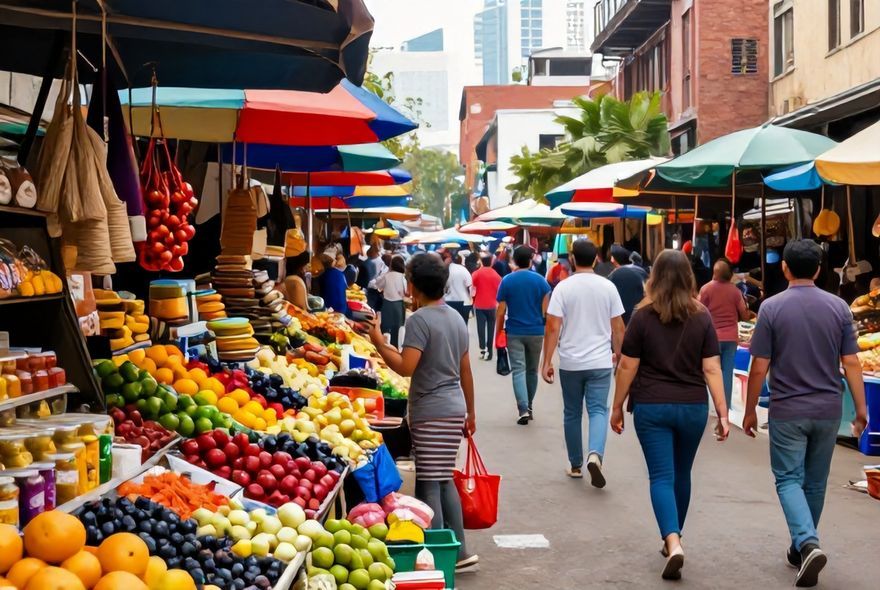
Here’s the thing about our brains—they’re basically lazy efficiency machines. They love patterns and routines because it means less work. But throw in some contextual novelty, like finding yourself in a bustling Tokyo market or hiking through Scottish highlands, and suddenly your brain perks up like a dog hearing a treat bag crinkle. This is why travel memories feel so vivid compared to your daily coffee run.
- Novel environments trigger heightened awareness: Your brain switches from autopilot mode to high-alert processing when encountering unfamiliar surroundings, making every detail more likely to be remembered.
- The Von Restorff effect amplifies unique experiences: Also known as the isolation effect, this psychological phenomenon explains why distinctive travel moments stand out against the backdrop of routine daily life.
- Cognitive load increases during travel: When you’re constantly making decisions about directions, food choices, and activities, your brain is more engaged and active, leading to stronger memory formation.
- Environmental context serves as memory cues: The unique sights, sounds, and smells of travel destinations become powerful retrieval cues that can instantly transport you back to those moments years later.
Why Routine Kills Memory—The Mundane Life Trap
Let’s be honest—your Tuesday morning routine probably hasn’t changed much in months. Coffee, shower, commute, work. Rinse and repeat. While this predictability is great for productivity and mental energy conservation, it’s absolutely terrible for memory formation. Your brain basically goes, “Oh, this again? I’ll just file this under ‘generic Tuesday’ and call it a day.” This is why everyday life feels like it blurs together while travel memories remain crystal clear.
- Habituation dulls sensory processing: When you take the same route to work every day, your brain stops paying attention to details, leading to weaker memory encoding of routine experiences.
- Low emotional engagement equals forgettable moments: Mundane activities rarely trigger the emotional arousal needed for strong memory formation, causing them to fade quickly from conscious recall.
- Repetitive patterns create memory interference: Similar daily experiences blend together in memory, making it difficult to distinguish one routine day from another.
- Reduced cognitive effort in familiar environments: Your brain expends minimal energy processing familiar surroundings, resulting in shallow memory traces that don’t last long-term.
- Lack of meaningful markers: Without significant events or novel experiences to serve as temporal landmarks, routine days become indistinguishable in memory.
Emotional Arousal and Memory—The Travel High
You know that feeling when you’re standing at the edge of the Grand Canyon or getting lost in the winding streets of Prague? That flutter in your chest, the heightened awareness, the feeling that this moment matters? That’s emotional arousal in action, and it’s basically nature’s way of telling your brain, “Hey, pay attention—this is important!” This emotional component is what makes travel memories so much more vivid and lasting than your average Tuesday afternoon.
- The amygdala amplifies emotional memories: This almond-shaped brain structure processes emotions and signals to other brain regions when an experience is emotionally significant, boosting memory consolidation.
- Positive emotions enhance memory encoding: Joy, wonder, and excitement—common travel emotions—trigger the release of neurotransmitters that strengthen neural connections and improve recall.
- Moderate stress improves memory formation: The mild stress of navigating new places or trying new foods can actually enhance memory, as long as it doesn’t become overwhelming anxiety.
- Emotional peaks create lasting impressions: Those “wow” moments during travel—watching a sunset over Santorini or seeing the Northern Lights—create peak emotional experiences that your brain prioritizes for long-term storage.
- Social emotions strengthen group memories: Sharing travel experiences with others adds a social-emotional layer that makes memories even more robust and meaningful.
The Time Perception Paradox of Travel
Here’s something wild—remember how your first week of vacation felt like it lasted forever, but looking back, it seems like it flew by in a flash? Meanwhile, a regular work week drags on forever but becomes a blur in hindsight. This isn’t just your imagination playing tricks; it’s a fascinating aspect of how our brains process time differently during novel versus routine experiences. Travel literally changes how we perceive and remember time.
- Novel experiences expand perceived time in the moment: When your brain is processing lots of new information, time feels slower because you’re forming more memories per unit of time.
- Dense memories compress in retrospect: Rich travel experiences create so many detailed memories that looking back, the time period feels packed and therefore shorter than it actually was.
- Routine creates temporal compression: Repetitive daily activities generate few distinct memories, making weeks or months feel like they passed quickly in hindsight.
- Landmark events serve as temporal anchors: Significant travel moments act as reference points that help organize and strengthen surrounding memories.
- Attention affects time perception: The heightened attention during travel makes you more aware of passing time, creating a paradox between real-time and remembered duration.
Breaking the Routine—Creating Memorable Moments at Home
Okay, so we can’t all be jet-setting around the world every week (if only, right?). But here’s the cool part—you can actually hack your brain’s memory system to make everyday life more memorable. It’s all about introducing elements of novelty, emotional engagement, and mindful attention into your regular routine. Think of it as bringing the travel mindset home with you.
- Try micro-adventures in familiar places: Take a different route to work, explore a new neighborhood in your city, or visit local attractions you’ve never been to—novelty doesn’t require a passport.
- Practice mindful attention during routine activities: Really notice your morning coffee, pay attention to the changing seasons on your daily walk, or focus on the sensory details of cooking dinner.
- Create emotional significance in small moments: Celebrate minor achievements, express gratitude for everyday experiences, or share meaningful conversations with loved ones during regular activities.
- Document ordinary moments: Taking photos or writing brief notes about regular days can increase your attention and create retrieval cues for later recall.
- Vary your routine regularly: Switch up your workout, try new restaurants, rearrange your living space, or learn new skills to keep your brain engaged and forming fresh memories.
The Social Memory Boost—Why Shared Experiences Stick
Think about your most vivid travel memories—I bet many of them involve other people. Whether it’s getting hilariously lost with friends in a foreign city, sharing a romantic sunset with a partner, or making unexpected connections with locals, social experiences have a special way of etching themselves into our memory banks. There’s something about shared emotional experiences that makes them stickier than solo moments.
- Social sharing strengthens memory consolidation: When you tell travel stories to others, you’re actually rehearsing and reinforcing those memories, making them more vivid and accessible over time.
- Collective memory creates multiple perspectives: Experiencing travel with others means you have different viewpoints and details that can trigger and enrich your own memories of events.
- Emotional contagion amplifies experiences: Sharing excitement, wonder, or even mild stress with travel companions can intensify your own emotional response and memory formation.
- Social bonds add meaning to memories: Experiences shared with people we care about carry additional emotional weight, making them more significant and memorable.
- Group dynamics create unique moments: The unexpected situations and spontaneous decisions that arise when traveling with others often become the most treasured and well-remembered parts of the trip.
Making Peace with Fading Memories—The Beauty of Imperfection
Here’s something we don’t talk about enough—even our most cherished travel memories aren’t perfect recordings. Every time you remember that amazing trip to Thailand or that weekend in the mountains, your brain is actually reconstructing the memory, not just playing it back like a video. And you know what? That’s actually pretty beautiful. Our memories become stories we tell ourselves, shaped by emotion, time, and personal meaning rather than cold, hard facts.
- Memory is reconstructive, not reproductive: Each time you recall a travel experience, your brain rebuilds it based on current emotions, knowledge, and context, which can actually make memories feel richer over time.
- Positive bias enhances travel memories: We tend to remember the highlights and downplay the negatives, which is why that trip with delayed flights and bad weather still feels amazing in retrospect.
- Time creates narrative coherence: As memories age, your brain organizes them into meaningful stories, often emphasizing the most emotionally significant moments while letting mundane details fade.
- Personal growth changes memory interpretation: How you remember a travel experience can evolve as you do, with the same memories taking on new meaning as you gain life experience.
- Imperfect memories serve emotional needs: The way travel memories naturally enhance positive aspects and minimize negatives helps maintain psychological well-being and motivation for future adventures.
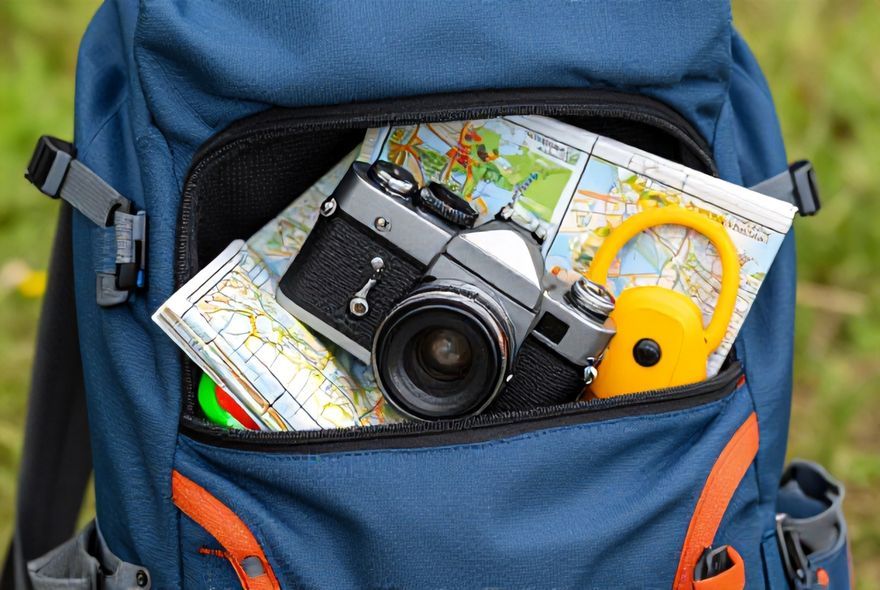
Traveling is like giving your brain a flavorful scoop of something it had never tasted before. When you venture out of the everyday grind, emotional arousal and the sheer novelty of fresh environments heighten your senses and tickle your brain’s recall systems, making those travel memories pop with vibrancy. Unlike the repetitive patterns of daily life, travel places us in new and exciting contexts, crafting memories that stick like glue. This unique concoction encourages us to remember those moments more vividly and fondly. So the next time you reminisce over your last travel escapade, know that it’s your brain’s way of savoring a rich and memorable experience!
And speaking of rich experiences, if your home needs a touch of adventure in cleanliness, Joy of Cleaning has got your back. No need to tackle the chaos alone—Book a Cleaning service with us or ring us at (727) 687-2710. Let’s connect on Facebook or Instagram for more fun cleaning tips and tricks. Here’s to a clean home and a head full of wonderful memories!





Leave a Reply