
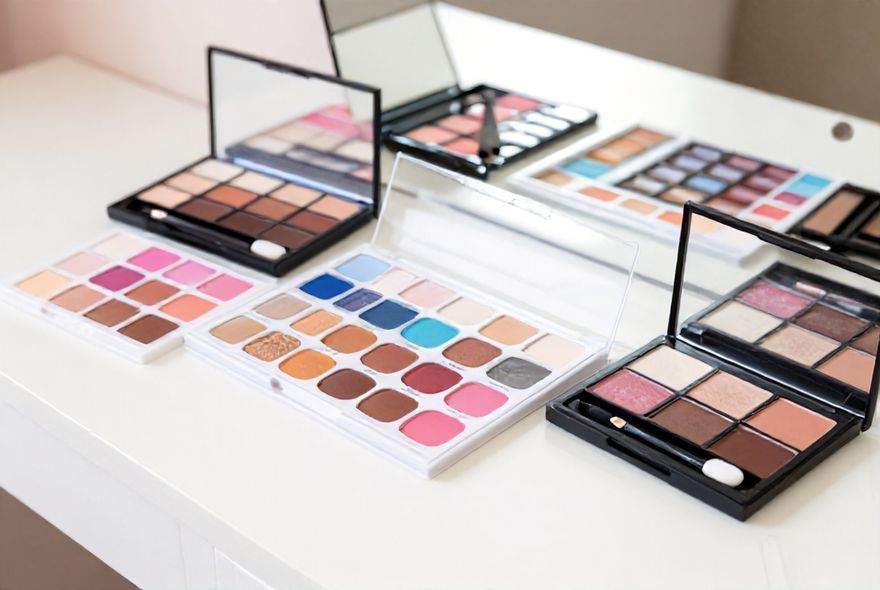
Welcome, beauty enthusiasts, to the ultimate Guide To Color Theory For Choosing This Season’s Trending Makeup Hues. Ever picked a lipstick shade that looked thrilling on the shelf but more like a Halloween experiment on your face? Let’s change that! This blog is your insider’s scoop into color science fundamentals, ensuring the season’s trending hues actually complement your unique skin tone. Relying on guesswork is so last year. Dive into this vibrant exploration, with leading insights as your backstage pass to avoiding beauty blunders and embracing your regenerated look!
Key Takeaways
- Tap into the power of color science and forget the weird mismatched makeup days.
- Discover how to pick trending hues that make your skin glow, not groan.
- Stop the guessing game—learn which colors truly complement your skin tone.
- Think choosing makeup is hard? It doesn’t have to be with this color theory guide!
- Stay on top of beauty trends with simple, color-savvy tips to match makeup to you, not the other way around.
Understanding Color Theory Basics for Makeup Selection
You know that moment when you buy a gorgeous lipstick online, get it in the mail, and it looks absolutely nothing like you expected? Yeah, we’ve all been there. The truth is, most of us approach makeup shopping like we’re throwing darts blindfolded—hoping something sticks. But here’s the thing: color theory isn’t some complicated art school concept reserved for painters and designers. It’s actually the secret sauce that makeup artists have been using forever to make people look absolutely stunning. When you understand color science fundamentals, selecting this season’s trending makeup hues becomes way less guesswork and way more strategy. Instead of randomly grabbing whatever’s on the shelf because an influencer wore it, you’ll actually know which shades will make your eyes pop, your skin glow, and your whole face look intentional.
- Color Wheels Are Your Best Friend: The traditional color wheel shows how colors relate to each other—primary, secondary, and tertiary hues all have their place. Understanding where shades sit on this wheel helps you pick complementary colors that enhance your natural features instead of fighting against them.
- Hue, Saturation, and Value Matter: These three properties determine how a color looks on your skin. Hue is the actual color (red, blue, yellow), saturation is how intense it is, and value is how light or dark it appears. When you grasp these concepts, you’ll understand why some trending shades work for certain skin tones and others don’t.
- Undertones Are Everything: Your skin has undertones—warm, cool, or neutral—and they’re like the invisible director telling certain colors to work with you and others to work against you. Knowing whether you’re warm or cool-toned is literally the foundation of choosing makeup hues that flatter rather than clash.
- Color Contrast Creates Impact: The more contrast between your makeup and your skin tone, the more dramatic the effect. Light skin tones often pop with deeper shades, while deeper skin tones can absolutely rock brights and bold hues that might overwhelm lighter complexions.
- Seasonal Color Palettes Exist for a Reason: Beauty trends 2026 are leaning into specific color stories, and they’re not random. These trending shades are chosen because they align with what’s flattering across different skin tones and what the fashion and beauty industry predicts will resonate with people.
Identifying Your Skin Undertone: The Foundation of Everything
Before we even talk about which trending makeup hues will work for you this season, we need to figure out your undertone. This is non-negotiable, honestly. Think of undertone as the base color sitting beneath your skin’s surface—it’s what makes the difference between a lipstick that makes you look radiant versus one that makes you look tired and washed out. We’re not talking about whether you have light, medium, or deep skin (that’s your depth). We’re talking about whether your skin leans toward warm, cool, or neutral undertones. Get this right, and suddenly everything clicks into place.
- The Vein Test (Classic but Actually Works): Look at the veins on your wrist. If they appear greenish, you’re likely warm-toned. If they look bluish or purple, you’re probably cool-toned. If you genuinely can’t decide and they look like a mix, welcome to the neutral club. This simple test has been around forever because it’s genuinely reliable.
- The Metal Test Never Lies: Hold a piece of gold jewelry next to your skin, then silver. Which one makes you look healthier and more vibrant? If gold is your winner, you’ve got warm undertones. Silver shines on cool undertones. Neutral undertones typically look good in both, because you’re basically the Goldilocks of undertones—just right in the middle.
- Warm Undertones Love Earthy Colors: If you’re warm-toned, you’ll absolutely thrive with terracotta, bronze, warm browns, golden yellows, and burnt oranges. These colors harmonize with your natural coloring and create that coveted “your skin but better” effect that everyone wants from makeup.
- Cool Undertones Are All About Jewel Tones: Cool-toned folks? You’re the lucky ones who look incredible in blues, purples, pinks, and jewel tones. These shades complement your undertones and create stunning contrast. This season’s trending makeup hues include plenty of cool jewel tones, so you’re in for a treat.
- Neutral Undertones Get the Best of Both Worlds: Honestly, if you’re neutral-toned, you have flexibility that warm and cool folks might envy. You can pull off pretty much any shade—though you’ll still want to consider depth and saturation to find what looks most flattering on your specific complexion.
The Color Wheel and Complementary Makeup Shades
Alright, so here’s where color theory gets actually fun. The color wheel isn’t just something your third-grade art teacher made you memorize. It’s a legitimate tool for understanding which makeup shades will make your features pop. Colors opposite each other on the wheel are complementary—meaning they enhance each other when placed side by side. This is why understanding color science fundamentals is such a game-changer for makeup selection. You can use complementary colors to neutralize things you want to downplay and emphasize things you want to highlight.
- Red and Green Are Complementary: This is why green-tinted concealers work magic on red blemishes or rosacea. The green neutralizes the red. Similarly, if you have redness around your eyes, a slightly greenish eyeshadow shade can tone it down while making the rest of your eye look more vibrant. It’s color science at work.
- Yellow and Purple Balance Each Other: Purple eyeshadow on warm skin tones? It might look muddy. But on cool skin tones? It’s stunning because there’s that complementary relationship happening. Similarly, if you have dark circles with purple undertones, a slightly yellow-toned concealer neutralizes them beautifully.
- Blue and Orange Create Visual Interest: This is one of the hottest color combinations in beauty trends 2026. Blue eyeliner paired with warm, orange-toned eyeshadow creates visual contrast that makes your eyes look bigger and more defined. The complementary relationship between these colors creates a naturally striking look.
- Analogous Colors Create Harmony: Colors sitting next to each other on the color wheel (like blues and greens, or reds and oranges) create a harmonious, blended look. If you want a more subtle, cohesive makeup look, sticking with analogous colors gives you that effortless, monochromatic vibe.
- Triadic Color Schemes Demand Balance: Three colors equally spaced on the color wheel (like red, yellow, and blue) create bold, balanced looks. Using a triadic scheme in makeup requires confidence, but when done right—like a coral lip with a blue eyeliner and yellow-toned highlight—it’s absolutely stunning and very on-trend this season.
Saturation and Value: Why Some Shades Flatter and Others Don’t
Okay, let’s talk about saturation and value because these two properties are literally what makes or breaks whether a trending shade actually works for you. Saturation is how pure and intense a color is. A highly saturated red is basically pure red—vivid and bold. A desaturated red is more muted, dusty, or mauve-y. Value is the lightness or darkness of a color. A light pink has high value, while a deep burgundy has low value. When you understand these concepts, you suddenly understand why some makeup shades look incredible on you while others make you wonder what you were thinking.
- High Saturation Demands Confidence: Highly saturated, vibrant shades are bold and attention-grabbing. They work beautifully on deeper skin tones, where the contrast makes them look intentional and striking. On lighter skin tones, they can sometimes feel overwhelming. But hey, if you love bold color and it makes you feel amazing, that’s what matters. This season’s trending makeup hues include plenty of saturated jewel tones.
- Desaturated Shades Offer Subtlety: Muted, dusty, or mauve tones are experiencing a major moment in beauty trends 2026. These lower-saturation colors work across different skin tones because they’re less intense. They give you color without the drama, which is perfect if you prefer a softer, more wearable look.
- Value Creates Dimension and Definition: Using eyeshadows of different values (light, medium, dark) creates depth and dimension on your eyelids. A light shade on your lid, a medium shade on your crease, and a dark shade in the corner creates a flattering, professional look. Understanding value helps you apply makeup strategically.
- Contrast Between Makeup and Skin Tone Matters: The greater the difference in value between your makeup and your skin tone, the more impact it has. This is why a nude lip looks invisible on some people and stunning on others—it’s all about value contrast. When selecting trending shades, consider how much contrast you want.
- Undertone Plus Saturation Plus Value Equals Your Perfect Shade: Finding your perfect makeup shade isn’t about one factor—it’s about all three working together. A warm, medium-saturation, light-value eyeshadow will read completely differently on cool-toned skin versus warm-toned skin. This is why color science fundamentals matter so much.
Trending Makeup Hues for This Season: What’s Actually Worth Trying
Beauty trends 2026 is bringing some genuinely gorgeous color stories to the table, and the exciting part? There’s something for everyone. The trending makeup hues this season aren’t just about following what celebrities are wearing (though let’s be honest, that’s part of it). They’re strategically chosen to work across different skin tones and to align with color theory principles. So when you see a shade trending, there’s actually a reason it’s working for so many people. Let’s break down what’s having a major moment and why.
- Warm Terracottas and Burnt Oranges Are Everywhere: These earthy, warm-toned shades are trending hard because they’re flattering on so many skin tones and they feel both modern and timeless. On warm skin tones, they’re absolutely harmonious. On cool skin tones, they create that complementary contrast that makes eyes pop. These colors feel sophisticated without being boring.
- Cool Burgundies and Wine Tones Are Having a Major Moment: Deep, cool-toned reds and burgundies are the trending shades that feel both elegant and edgy. They work beautifully on deeper skin tones where they create stunning depth, and on lighter skin tones, they create dramatic contrast. This season, burgundy is being worn on lips, lids, and even as eyeliner.
- Dusty Mauves and Mauve-Browns Bridge Warm and Cool: These desaturated, slightly muted tones are perfect for people who want color without commitment. Mauve works across different undertones because it has both warm and cool undertones built in. It’s wearable, it’s flattering, and it’s definitely trending.
- Rich Jewel Tones (Emerald, Sapphire, Amethyst) Are Bold and Beautiful: If you’re cool-toned and want to make a statement, jewel tones are your playground. These highly saturated, deep colors look absolutely stunning on deeper skin tones and create gorgeous contrast on lighter skin tones. They’re trending because they’re undeniably flattering when you understand color theory.
- Soft, Shimmery Peachy Tones Are Perfect for Everyday Wear: These light, warm-toned, lower-saturation shades are trending because they’re wearable, flattering, and feel current without being trendy in a way that’ll feel dated in six months. Perfect for warm-toned skin, and they work beautifully as a highlight or inner corner shimmer on cool-toned skin too.
Seasonal Color Palettes and Your Skin Tone
Here’s something that blew our minds when we first learned it: there’s an actual system called seasonal color analysis that groups people into seasons based on their undertone, depth, and contrast. It sounds a little mystical, but it’s really just applied color theory. Each season (Spring, Summer, Autumn, Winter) has a specific palette of colors that work beautifully together and complement different skin tones. Understanding which season you align with makes selecting trending makeup hues so much easier because you’re essentially working with a curated palette.
- Spring Color Palette: Warm, Light, and Clear: If you’re a spring (warm undertone, light to medium depth, high contrast), you’re drawn to warm, bright, clear colors. Think peachy tones, warm pinks, clear reds, and warm browns. The trending shades that work best for you this season lean warm and have that fresh, bright quality.
- Summer Color Palette: Cool, Light, and Soft: Summer types (cool undertone, light to medium depth, soft contrast) look incredible in muted, cool tones. Dusty roses, soft pinks, cool reds, and mauve are your friends. The beauty trends 2026 include plenty of these softer, cool-toned shades that absolutely work for summer types.
- Autumn Color Palette: Warm, Deep, and Rich: If you’re autumn (warm undertone, medium to deep depth, low contrast), you’re all about warm, rich, saturated colors. Terracottas, burnt oranges, warm reds, and deep golds are your signature shades. This season’s trending warm tones are basically made for you.
- Winter Color Palette: Cool, Deep, and Bold: Winter types (cool undertone, medium to deep depth, high contrast) absolutely rock bold, cool, saturated colors. Deep reds, cool pinks, jewel tones, and blacks make you look alive and vibrant. The trending jewel tones this season are basically your color palette in makeup form.
- Most People Are a Blend of Seasons: Real talk: most people don’t fit perfectly into one season. You might be autumn-leaning with some spring qualities, or summer with winter contrast. Once you understand color science fundamentals, you can pick and choose from multiple seasonal palettes to create a makeup collection that feels authentically you while still working with current beauty trends 2026.
Practical Application: Making Color Theory Work for Your Makeup Routine
Alright, so you understand color theory, you know your undertone, you’ve figured out which seasonal palette speaks to you—now what? How do you actually use this knowledge when you’re standing in front of your makeup collection or scrolling through online? The real magic happens when you move from understanding color science fundamentals to actually applying them. We’re talking about practical strategies that make you feel confident in your makeup choices instead of second-guessing yourself.
- Start with One Complementary Pair: Pick one trending shade you love and find its complementary color on the wheel. Use the complementary shade strategically to enhance it. If you’re wearing a warm peachy eyeshadow, a slightly cool-toned eyeliner in the waterline makes the whole look pop. This is color theory in action, and it’s genuinely transformative.
- Build Your Eyeshadow Look with Value in Mind: When you’re applying eyeshadow, think about value. Put a light shade on your lid, a medium shade on your crease, and a dark shade in the outer corner. This creates instant dimension and flatters your eye shape because it’s based on color science, not just random application.
- Use Desaturated Shades as Your Base for Bold Lips: If you’re going bold with lip color, balance it with more neutral eyeshadow. A mauve or nude eyeshadow paired with a saturated burgundy lip creates a harmonious, intentional look. This is using color theory to create balance.
- Test Trending Shades Against Your Skin Tone: Before committing to a trending shade, hold it up to your face in natural light. Does it harmonize with your undertone or create contrast? Does the saturation feel right for your depth? These quick checks help you understand whether a shade will actually work before you buy it.
- Keep a Personal Color Palette Reference: Screenshot or write down the trending makeup hues that work for you this season. Note which ones are your undertone, which create contrast, which are your saturation sweet spot. Next time you’re shopping, you have a reference guide that takes the guesswork out of it.
Common Color Theory Mistakes and How to Avoid Them
You know what’s kind of funny? Understanding color theory doesn’t mean you’ll never make a makeup mistake. But it does mean you’ll understand why certain looks don’t work, which is honestly half the battle. We see people make the same color theory mistakes over and over, usually because they’re not considering all the factors that go into a flattering shade. Let’s talk about the most common slip-ups and how to dodge them like a pro.
- Mistake #1: Ignoring Undertone and Only Looking at Depth: This is the biggest one we see. Someone says “I have deep skin so I should wear bright colors” without considering whether those colors align with their undertone. A bright yellow might look stunning on a deep, warm-toned person but not on a deep, cool-toned person. Undertone matters more than depth when it comes to color harmony.
- Mistake #2: Buying Trending Shades Without Considering Your Undertone: Just because a shade is trending doesn’t mean it’ll work for you. Beauty trends 2026 includes colors for every undertone, but you have to pick the ones that align with yours. A cool-toned trending shade might be gorgeous, but if you’re warm-toned, it’ll fight your natural coloring.
- Mistake #3: Maxing Out Saturation Without Considering Your Skin Tone Contrast: Some people try to wear highly saturated shades and wonder why they look harsh. It might be because the saturation level doesn’t match their natural contrast level. Lower-contrast skin tones often look better in more desaturated shades, while high-contrast skin tones can absolutely handle saturation.
- Mistake #4: Using the Same Value for Multiple Products: If your eyeshadow, blush, and contour are all the same value, your face looks flat. Using different values creates dimension and interest. This is literally color science at work, and it’s why dimension matters more than you think.
- Mistake #5: Not Considering the Whole Picture: Your makeup doesn’t exist in a vacuum. Your hair color, your outfit, your lighting—they all affect how a color reads. A shade that looks stunning in natural daylight might look different under fluorescent lights. When selecting trending makeup hues, consider where you’ll wear them.
Building Your Trending Makeup Collection Using Color Theory
So here’s the thing about building a makeup collection that actually works: it’s not about having every trending shade. It’s about having the right shades that work together and align with your undertone and preferences. When you understand color science fundamentals, you can be strategic about what you buy. Instead of impulse-purchasing every trending shade, you can curate a collection that feels cohesive, wearable, and flattering. This is honestly the most practical application of color theory knowledge.
- Start with Your Undertone Basics: If you’re warm-toned, invest in quality warm-toned neutrals—golds, warm browns, terracottas. If you’re cool-toned, go for cool-toned neutrals—silvers, cool browns, mauves. These are your foundations, and they’ll work with almost everything else you add to your collection.
- Add One Complementary Bold Shade: Pick a trending shade that excites you and that complements your undertone. This is your statement shade—the one you reach for when you want to feel bold. Having just one really good complementary shade is better than having ten mediocre ones.
- Include Desaturated Versions of Your Favorite Hues: If you love warm terracotta but sometimes want something softer, get a desaturated mauve-brown version too. These muted shades are trending, they’re wearable, and they give you flexibility. You get the color you love in different intensities.
- Don’t Sleep on Undertone-Opposite Shades for Accent Use: Even if you’re warm-toned, having one or two cool-toned shades for accent use (like eyeliner in your waterline) creates visual interest. You’re using complementary color theory to enhance your primary undertone shades.
- Build Your Collection Seasonally: Instead of buying everything at once, build your collection seasonally. This season’s trending makeup hues might shift next season, and that’s okay. You don’t need to own every trending shade ever. Focus on shades that align with your personal color story and that you’ll actually wear.
The Psychology of Color and How It Affects Your Look
Here’s something that goes beyond just color science fundamentals: color has psychological power. The shade you choose to wear affects not just how you look but how you feel. A bold red lip makes you feel confident and powerful. A soft mauve makes you feel calm and sophisticated. When you understand both the color theory and the psychology behind your choices, you’re not just selecting trending makeup hues—you’re choosing how you want to present yourself to the world.
- Red and Bold Colors Evoke Confidence and Power: This is why red lips are iconic and why bold shades always feel a little daring. When you wear a saturated, high-contrast shade that flatters your undertone, you’re not just looking more confident—you actually feel more confident. Psychology and color science working together.
- Cool, Muted Tones Feel Calming and Sophisticated: There’s a reason dusty mauves and soft pinks are so popular this season. They feel elegant without being boring, and they have a calming quality. They’re trending because they work psychologically and aesthetically.
- Warm Shades Feel Approachable and Friendly: Warm tones are psychologically associated with warmth and approachability. When you wear warm-toned makeup that complements your undertone, you’re not just looking good—you’re creating a vibe that feels inviting. It’s why warm terracottas are trending across so many makeup categories.
- Personal Preference Trumps Everything Else: Here’s the real talk: if a shade makes you feel amazing, that matters more than whether it’s technically trending or theoretically perfect. Color theory is a guide, not a rule. Your confidence in how you look is what actually makes you look beautiful.
- Color Memory Affects Brand Loyalty: Have you noticed you keep buying the same shade year after year? That’s color memory—you remember how that shade made you feel. When you find trending shades that work for you this season, you’re building positive color memories that’ll have you reaching for them again and again.
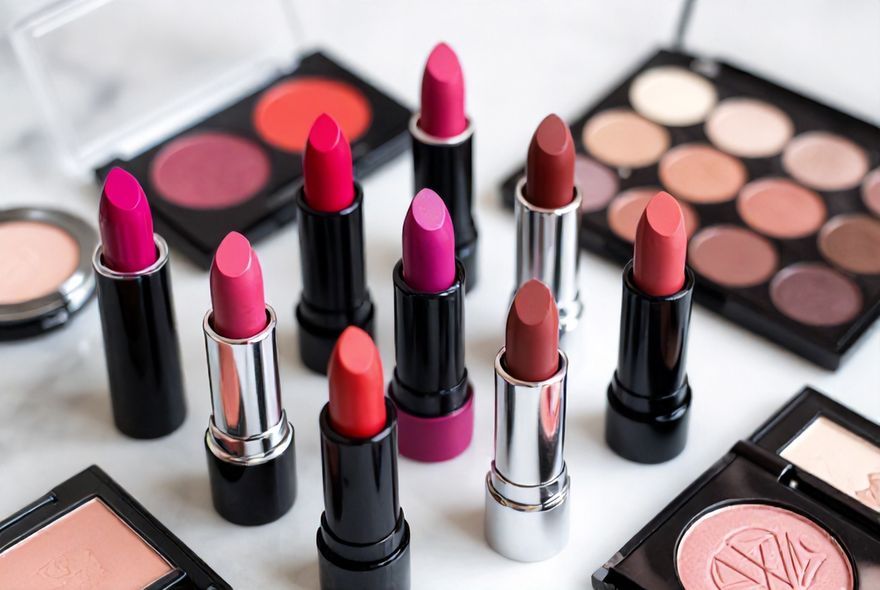
Feeling confident and chic this season isn’t just about picking random makeup hues from a trendy palette. It’s about understanding color theory and harnessing it to choose shades that bring out your natural beauty. By diving into the basics of color science, you can make informed decisions that enhance your skin tone, not clash with it. This blog aimed to demystify the sometimes daunting world of trending makeup hues by explaining how to use the color wheel to find complementary shades, identify undertones, and blend effortlessly into this season’s beauty trends. It’s less about guesswork and more about knowing the basics of what works for you, which ultimately makes the entire process not only easier but a whole lot more fun!
So, are you ready to ditch the trial and error method of makeup selection? Dive back into our color theory guide and take the reins on your beauty routine—or should we say, paintbrush! If you’re pumped to revolutionize your makeup approach, share your newfound expertise and colorful stories with us on social media. Share your look on Facebook, flaunt your shades on Instagram, or pin your favorite color combos on Pinterest. After all, Picasso’s got nothing on a well-prepped makeup maven! Cheers to colorful adventures!





Leave a Reply