
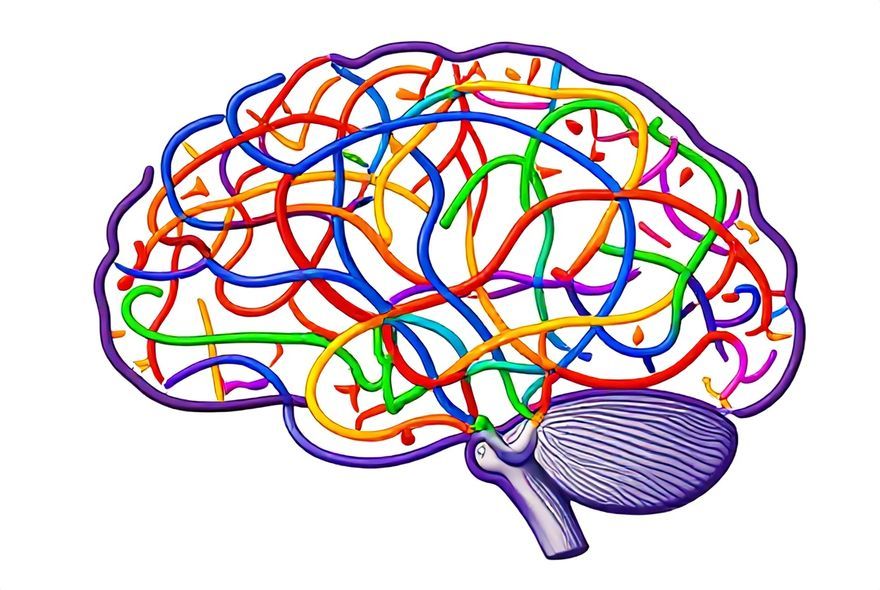
Have you ever wondered why breaking a bad habit feels tougher than squeezing into those old jeans? Welcome to the rabbit hole of “Why Do We Fall Into Bad Habits? The Psychology Behind Repetitive Behavior.” This epic saga will take you on a deep dive into the sneaky psychological triggers that keep us stuck in those never-ending loops. Spoiler: just flexing your willpower won’t cut it! Get ready to unravel why habits sneakily hijack your brain and make you their puppet. Curious about what makes us tick? Let’s dive in!
Key Takeaways
- Habits have a sneaky way of sticking around—blame those pesky psychological triggers.
- Willpower isn’t the superhero we think it is against bad habits; it’s more like a sidekick.
- Ever wonder why you’re on autopilot when reaching for that cookie? It’s not just you.
- Your brain might be the mastermind behind your repetitive behaviors—it loves a good routine!
- Change ain’t easy; dive into the psychology to really rewire those habits.
- Breaking free from bad habits? It takes more than just crossing fingers and hoping!
- Understanding why we do what we do is step one to kick those unwanted habits to the curb.
The Brain’s Autopilot: Understanding How Habits Form
You know that moment when you reach for your phone without even thinking about it? Or when you find yourself in the kitchen at 3 PM, snacking mindlessly while scrolling through emails? That’s your brain on autopilot—and honestly, it’s both brilliant and sneaky at the same time. Habits aren’t just annoying little quirks we pick up; they’re deeply embedded patterns that our brains have learned to execute almost automatically. The psychology behind repetitive behavior is rooted in how our brains work to conserve energy and make life easier. When we repeat an action enough times, our brain essentially creates a shortcut, moving the behavior from our conscious mind to our automatic processes. This is actually a survival mechanism that’s served us well for thousands of years.
- The Basal Ganglia’s Role: Your brain has a region called the basal ganglia that stores routine behaviors. As habits form, this area takes over from the prefrontal cortex, the part responsible for decision-making and conscious thought. Over time, executing a habit requires less mental energy, which is why willpower alone often fails—your brain isn’t even consulting the part of itself that could say “no.”
- The Habit Loop Explained: Every habit follows a simple three-part cycle: cue (the trigger), routine (the behavior itself), and reward (the payoff your brain receives). Understanding this loop is crucial because breaking habits means interrupting this cycle at one of these points. When you grab coffee every morning at 8 AM (cue), you drink it (routine), and feel alert and focused (reward), your brain learns to crave that sequence.
- Neural Pathways and Repetition: Each time you repeat a behavior, you’re strengthening neural connections related to that action. Think of it like walking through tall grass—the first time you take a path, it’s barely visible, but after walking it a hundred times, you’ve worn a clear trail. These neural pathways become so established that triggering the cue almost guarantees the behavior will follow, regardless of your conscious intentions.
- Why Your Willpower Isn’t the Villain: Here’s the thing—willpower isn’t some magical force that never runs out. It’s actually a finite resource that depletes throughout the day. So when you’re tired, stressed, or distracted, your willpower tank is already half-empty. Your brain, seeking efficiency, defaults to those well-worn neural pathways. This explains why breaking bad habits is hardest at night or during stressful periods, not because you lack character, but because your brain is literally taking the path of least resistance.
- Environmental Design Matters More Than You Think: The psychology of habit formation shows us that our environment plays a massive role in triggering behaviors. If your kitchen is stocked with junk food, you’re fighting an uphill battle. But if healthy snacks are visible and readily available, your brain’s automatic processes might default to those instead. This isn’t about willpower; it’s about designing your surroundings to support the habits you actually want.
The Psychological Triggers: What Actually Keeps You Stuck
Let’s talk about the sneaky psychological triggers that keep us locked in loops of repetitive behavior. These aren’t just random moments—they’re specific, identifiable situations, emotions, or environmental cues that practically guarantee you’ll slip back into old patterns. The psychology behind these triggers is fascinating because once you understand them, you realize they’re not personal failures; they’re just your brain doing exactly what it’s been trained to do. Understanding what keeps you stuck is the first real step toward freedom.
- Emotional Triggers Are the Real MVPs of Bad Habits: Stress, boredom, loneliness, and anxiety are probably the biggest culprits when it comes to triggering unwanted behaviors. When you’re feeling down, your brain remembers that scrolling social media for two hours used to make you feel better (even if it didn’t, really). When you’re stressed about work, that cigarette break suddenly feels like the only solution. These psychological triggers hijack your brain because emotions override logic every single time. Your brain is essentially saying, “Forget logic—we need comfort NOW,” and habits are its favorite comfort mechanism.
- Time and Location Cues Create Automatic Responses: If you always have ice cream after dinner, or grab a donut every time you pass the break room at work, these environmental cues become powerful psychological triggers. Your brain learns the association so strongly that just being in that location or time of day can trigger an irresistible urge to perform the habit. This is why changing your routine—taking a different route home, working from a coffee shop instead of your usual desk—can actually break the cycle more effectively than pure willpower.
- Social and Relational Triggers Keep Habits Alive: Ever notice how you slip back into old habits when you’re around certain people? That friend who always suggests hitting the bar, the family member who enables your snacking, or the coworker who stress-eats with you—these are powerful psychological triggers. Our brains are wired for social connection, so we often default to behaviors that strengthen these bonds, even if the behaviors themselves are harmful. The psychology here is that belonging feels safer than change, so your brain chooses the familiar habit over the uncertain new path.
- The Reward Prediction Error: Here’s something wild—your brain doesn’t just crave the reward itself; it craves the anticipation of the reward. The dopamine hit happens before you even get the thing you’re craving. So when you see a notification on your phone (cue), your brain releases dopamine in anticipation of the reward (connection, entertainment, validation). This neurochemical process happens so fast that you’re already reaching for your phone before your conscious mind can intervene. This is why apps and social media are so addictive—they’ve literally been designed by psychologists and engineers to trigger these anticipatory dopamine spikes.
- Habit Stacking: The Sneaky Way Old Behaviors Persist: If you’ve established a morning routine with multiple habits linked together—coffee, scrolling news, checking emails—breaking one habit becomes exponentially harder because it’s psychologically woven into the entire sequence. When you sit down with your coffee, your brain expects news and emails to follow. Disrupting this chain is possible, but it requires understanding that these habits are psychologically linked, not isolated behaviors.
The Neuroscience of Craving: Why Wanting Feels Irresistible
Ever experienced a craving so intense it felt like your body was physically demanding something? That’s not just psychology—that’s neuroscience in action, and it’s way more powerful than most people realize. The psychology behind repetitive behavior includes a crucial component: the neuroscience of craving. When you’ve repeated a behavior enough times, your brain doesn’t just remember it; it develops a genuine neurochemical hunger for it. This isn’t weakness; it’s literally how your brain’s reward system has been rewired through repetition.
- Dopamine and the Wanting vs. Liking Distinction: Here’s something that’ll blow your mind—dopamine isn’t actually about pleasure; it’s about wanting. Your brain releases dopamine when it anticipates a reward, not when it receives it. So you can crave something intensely while simultaneously not even enjoying it anymore. You might crave that late-night snack even though intellectually you know it makes you feel sluggish and bloated. The neuroscience here shows that the “wanting” system is separate from the “liking” system, and the wanting system is what drives repetitive behavior. This explains why breaking habits feels so psychologically difficult even when you logically know the habit isn’t making you happy.
- The Sensitization Process: Over time, your brain becomes increasingly sensitized to cues associated with your habit. If you always smoke after stress, the moment you feel stress, your brain’s reward circuitry lights up like a Christmas tree. This neurological response happens faster than conscious thought. The psychology of habit formation means that these neural pathways become so entrenched that they essentially operate independently of your decision-making processes. You’re not choosing to crave the cigarette; your brain is automatically doing it based on learned associations.
- Extinction vs. Suppression: Here’s a frustrating truth—when you try to ignore a craving through pure willpower, you’re actually engaging in a neurological process called suppression. Your brain is still activated by the cue, still generating the dopamine response; you’re just trying to override it. Extinction, on the other hand, involves repeatedly exposing yourself to the cue without the reward, which gradually retrains your brain to stop associating the cue with pleasure. This is why habits often snap back when you’re tired or stressed—suppression requires active energy, while extinction requires restructuring the neurological associations.
- The Incubation Period of Cravings: When you’re trying to break a habit, cravings don’t disappear immediately; they often get worse at first. This is called the incubation period, and it’s pure neuroscience. Your brain is essentially fighting back, intensifying the dopamine response to try to get you to engage in the behavior. Understanding that this intensification is temporary and neurologically predictable can help you psychologically prepare for it. It’s not a sign that you’re failing; it’s a sign that your brain is recalibrating.
- Stress Amplifies Everything: When you’re stressed, your brain’s reward sensitivity actually increases. Cortisol, the stress hormone, interacts with your dopamine system in ways that make cravings feel even more irresistible. This is why the psychology of habit-breaking is so much harder during difficult life periods. Your brain literally becomes more vulnerable to the neurochemical pull of old habits when you’re already struggling. Recognizing this isn’t an excuse; it’s understanding that you need additional support and environmental changes during high-stress periods.
Identity and Self-Image: The Psychology That Keeps Habits Locked In
Here’s something that doesn’t get talked about enough: your habits aren’t just behaviors—they’re deeply intertwined with your identity and how you see yourself. The psychology behind repetitive behavior includes a massive identity component that most people overlook when they’re trying to change. You’re not just trying to stop an action; you’re essentially trying to change who you believe you are. This is huge, and it’s probably why so many habit-breaking attempts fail. When your identity is wrapped up in a habit, breaking it feels like losing a part of yourself.
- The Self-Fulfilling Prophecy of Identity: If you’ve spent years telling yourself “I’m the type of person who can’t stick to a diet” or “I’m just naturally disorganized,” you’ve created a psychological framework that almost guarantees you’ll continue those behaviors. Your brain actually works to confirm your self-image, so if you believe you’re a procrastinator, you’ll unconsciously find ways to procrastinate to maintain that identity. The psychology here is that consistency—even consistency with negative self-beliefs—feels psychologically safe. Breaking the habit means changing the story you tell yourself about who you are, which is psychologically threatening.
- Habit as Social Identity: Sometimes our habits are part of how we present ourselves socially. Maybe you’re “the party person” who drinks too much, or “the night owl” who scrolls until 2 AM, or “the stressed professional” who vents constantly. These habits become part of your social identity, and changing them can feel like you’re betraying your social tribe or losing your distinguishing characteristic. The psychology of repetitive behavior includes this social component—we maintain habits partly because they signal something about who we are to others. Breaking the habit can feel psychologically isolating if your social group is built around it.
- The Paradox of Motivation and Identity: You might have tremendous motivation to break a habit, but if your core identity is still aligned with the old behavior, motivation alone won’t carry you through. This is the psychology that willpower-focused approaches miss entirely. You can white-knuckle your way through a few weeks, but if deep down you still identify as “someone who struggles with this,” your brain will eventually align your behavior with that identity. Real change requires not just changing actions, but shifting how you fundamentally see yourself.
- Shame and Identity Collapse: When you repeat a habit you’re trying to break, shame often follows. But here’s the psychological trap: shame actually strengthens the behavior-identity link. You feel ashamed because you’ve violated your intended identity, so you feel worse about yourself, which makes you more likely to engage in the behavior again as a form of emotional regulation. The psychology creates a vicious cycle where the habit becomes a way to cope with the shame of the habit itself. Breaking this requires self-compassion and understanding that you’re not a failure; you’re just someone whose identity hasn’t fully caught up with their intentions yet.
- Redefining Identity as a Leverage Point: The good news? If identity is what keeps habits locked in, then shifting your identity can be the leverage point for real change. Instead of trying to white-knuckle your way to new behaviors, you can work on genuinely shifting how you see yourself. This isn’t positive thinking or fake-it-till-you-make-it nonsense; it’s about gradually taking small actions that align with a new identity, which then reinforces that identity psychologically. If you see yourself as “someone who values their health,” you’ll make different choices than if you see yourself as “someone who struggles with willpower.”
The Role of Stress and Emotional Regulation in Habit Formation
Let’s be real—a huge chunk of our bad habits aren’t really about the habit itself; they’re about emotional regulation. You know that feeling when something stressful happens and your first instinct is to reach for comfort? Whether that’s food, your phone, alcohol, or zoning out in front of the TV, these habits often start as psychological strategies for managing difficult emotions. The psychology behind repetitive behavior is deeply rooted in how we learned to cope with stress and regulate our emotions. Understanding this connection is crucial because it means breaking the habit requires finding alternative ways to handle those underlying emotions.
- Habits as Emotion Management Tools: Your brain learns very quickly that certain behaviors help regulate difficult emotions. Scrolling social media provides distraction and a dopamine hit when you’re anxious. Eating comfort food releases endorphins and provides soothing oral stimulation when you’re sad. Drinking alcohol numbs emotional pain. The psychology here is that these habits genuinely work—at least temporarily—to make you feel better. This is why they’re so sticky and why trying to just stop without addressing the underlying emotional need is psychologically futile. Your brain isn’t being stubborn; it’s protecting you from discomfort using the tools it’s learned.
- The Stress Response and Default Behaviors: When you’re stressed, your brain operates differently. The prefrontal cortex—your logical, decision-making brain—takes a backseat to your limbic system—your emotional brain. This is a survival mechanism, but it also means that under stress, you’re far more likely to default to familiar, automatic behaviors. This is why you might eat healthily all week, but when work gets crazy, you’re suddenly hitting the drive-through daily. The psychology of stress literally rewires your brain’s decision-making hierarchy, making willpower essentially useless. You need to address the stress itself, not just the habit.
- Emotional Avoidance Keeps Habits Alive: Many habits persist because they help us avoid uncomfortable emotions. Procrastination avoids the anxiety of starting a difficult task. Overeating avoids dealing with loneliness. Gaming avoids facing problems that need solving. The psychology here is that avoidance feels good in the moment—the negative emotion goes away. But this reinforces the habit because your brain learns that the behavior successfully eliminates discomfort. Breaking the habit requires developing the psychological capacity to sit with uncomfortable emotions without immediately trying to escape them, which is genuinely hard work.
- The Importance of Emotional Awareness: Before you can change how you’re regulating emotions, you need to become aware of it. Many people engage in habits without even realizing they’re doing it in response to emotion. You might mindlessly eat while scrolling without noticing that you started eating when you felt lonely. The psychology of habit change begins with awareness—noticing the emotional state that precedes the behavior. This awareness alone can sometimes interrupt the automatic loop because you’re bringing the behavior back into conscious awareness, forcing your prefrontal cortex to engage.
- Building Psychological Resilience Through Alternative Coping: Once you understand that habits are emotion-regulation tools, you can develop alternative strategies that serve the same psychological function without the negative consequences. Need comfort? Maybe it’s a warm shower instead of food, or a walk in nature instead of scrolling. Need stimulation? Maybe it’s calling a friend instead of gaming. The psychology of successful habit change includes finding psychologically satisfying alternatives that address the underlying emotional need. This is why generic advice like “just exercise instead” often fails—exercise doesn’t actually serve the same psychological function as the habit you’re trying to break.
Why Your Previous Attempts Failed: The Psychology of Relapse
If you’ve tried to break a habit before and failed, you’re in excellent company. Most people who try to change a habit without understanding the psychology behind it will fail multiple times. But here’s the thing—those failures aren’t personal failures; they’re predictable outcomes of misunderstanding how habit change actually works psychologically. The psychology of relapse isn’t random or a sign of weakness; it follows predictable patterns that, once understood, can actually help you succeed next time. Let’s talk about why your previous attempts probably didn’t stick and what the psychology tells us about making real change.
- The Illusion of Willpower-Based Change: Most people’s first attempt at breaking a habit involves white-knuckling it—relying purely on willpower and conscious effort. The psychology here is that this approach works great for a few days or weeks, which creates the illusion that you’re making progress. But willpower is a finite resource, and relying solely on it is psychologically unsustainable. When life gets busy, stressful, or you’re just tired, willpower depletes. Your brain, seeking efficiency and comfort, returns to the familiar habit. This isn’t failure; it’s just neuroscience asserting itself. The psychology of successful change requires environmental design, identity shifts, and addressing underlying needs—not just gritting your teeth.
- The All-or-Nothing Psychology Trap: Many people approach habit change with an all-or-nothing mentality. One slip-up means you’ve failed, so why not go all-in on the bad habit? This is called the “abstinence violation effect,” and it’s a psychological trap. The psychology here is that seeing yourself as a failure triggers shame, which leads to emotional dysregulation, which makes you more likely to engage in the habit again. A single lapse doesn’t mean you’ve failed at changing your habit; it just means you’re human. But the all-or-nothing psychology can turn a single lapse into a full relapse. Understanding this psychologically means you can catch yourself in this trap and respond with compassion instead of shame.
- Underestimating Psychological Withdrawal: When you’ve relied on a habit to regulate emotions or cope with stress, stopping the habit creates a psychological void. You’re not just missing the behavior; you’re missing the emotional regulation it provided. This psychological withdrawal can feel intense—anxiety, irritability, restlessness. Most people interpret this as a sign that the habit change isn’t working, so they return to the behavior for relief. But this is just the psychology of your brain adjusting to a new emotional regulation strategy. Knowing this is temporary can psychologically prepare you to push through instead of giving up.
- The Psychology of Gradual Escalation: Often, relapses don’t happen as a sudden explosion; they happen gradually through a process called “lapse creep.” You make an exception once, which seems psychologically manageable. Then you make another exception, which feels less significant because you already broke the streak. Before you know it, you’re psychologically back to the old pattern. The psychology here is that each small exception shifts your psychological identity and your brain’s expectations. Understanding this means you can be more vigilant about seemingly small deviations because psychologically, they’re often the beginning of relapse.
- Missing the Psychological Maintenance Phase: A huge reason previous attempts failed is that most people think habit change is a destination—you change the habit and you’re done. But the psychology of behavior change requires ongoing maintenance. Your brain doesn’t “forget” a well-established habit; it just stops activating it if you consistently don’t reinforce it. But the neural pathways remain, which is why old habits can snap back surprisingly quickly if you’re not vigilant. The psychology of successful, lasting change requires ongoing attention and environmental design, not just an initial burst of motivation.
The Science-Backed Strategies That Actually Work Psychologically
Okay, so now that you understand the psychology behind why habits are so sticky, let’s talk about what actually works. The good news is that neuroscience and psychology have given us evidence-based strategies that work with your brain instead of against it. These aren’t about willpower or motivation; they’re about understanding the psychology of how your brain works and designing your life around that knowledge. The psychology of successful habit change involves multiple approaches, and what works best often depends on which part of the habit loop you’re targeting and what your underlying psychological needs are.
- Environmental Design: Make the Desired Behavior the Default: The psychology here is simple—if you want to change your behavior, don’t rely on willpower; rely on your environment. Remove the cues that trigger the old habit. If you’re trying to stop mindless snacking, don’t keep junk food visible. If you’re trying to reduce phone time, put your phone in another room. This is called “choice architecture,” and it works because it removes the psychological burden of saying no repeatedly. Your brain doesn’t have to exercise willpower; the desired behavior becomes the path of least resistance. This is psychologically powerful because it aligns your environment with your intentions instead of fighting against it.
- Habit Replacement: Addressing the Psychological Function: Instead of trying to eliminate a habit, replace it with a new behavior that serves the same psychological function. If you bite your nails when anxious, replace it with squeezing a stress ball. If you eat when bored, replace it with a quick walk. The psychology here is that your brain needs the cue-routine-reward loop; you’re just changing the routine. This works because it addresses the underlying psychological need—anxiety relief, stimulation—without requiring your brain to suddenly function differently. The new behavior psychologically satisfies the same need the old habit did.
- Implementation Intentions: The Psychology of Automatic Planning: Here’s a psychological hack that’s surprisingly effective: create “if-then” plans. “If I feel stressed, then I’ll take three deep breaths.” “If I reach for a snack, then I’ll first drink a glass of water.” The psychology behind this is that by pre-deciding, you’re essentially creating a new automatic pathway. When the situation arises, you’re not relying on willpower in the moment; you’ve already decided psychologically. This removes the decision-making burden and hijacks your automatic brain in a positive way. Research shows that implementation intentions are psychologically more effective than general motivation because they leverage your brain’s preference for automatic processing.
- Identity-Based Habit Change: The Psychology of Who You’re Becoming: Instead of focusing on the behavior, focus on shifting your identity. Instead of “I’m trying to stop eating junk food,” think “I’m someone who values their health.” Instead of “I’m trying to stop procrastinating,” think “I’m someone who takes action.” The psychology here is that your brain works to maintain consistency with your identity, so shifting your identity actually shifts your behavior automatically over time. This requires taking small actions that reinforce the new identity—exercising once doesn’t make you an athlete, but it does psychologically reinforce that identity in your mind. Repeated small actions build the psychological evidence that you’re genuinely this new person.
- Addressing the Underlying Emotional Need: The psychology of lasting habit change often requires developing better emotional regulation skills. If the habit is serving an emotional function—stress relief, anxiety management, boredom relief—you need to develop alternative psychological strategies. This might mean learning meditation, developing better sleep habits, building stronger relationships, or working with a therapist to address underlying issues. The psychology here is that trying to break a habit without addressing what it’s doing for you emotionally is like trying to plug a leak while water’s still pouring in. You need to address both the behavior and the underlying psychological need.
- The Power of Social Psychology and Community: Our brains are wired for social connection, so leveraging this can be psychologically powerful. Joining a group working toward similar goals, having an accountability partner, or publicly committing to change activates different parts of your brain psychologically. Social pressure and support can help override the automatic pull of habit. The psychology here is that belonging to a group working toward change makes the new behavior feel psychologically normal and reinforced, while the old habit feels like it’s separating you from the group. This is powerful psychological leverage.
Creating a Sustainable Psychology of Change: Building Systems That Last
Here’s the reality—understanding the psychology of habit formation is great, but lasting change requires more than knowledge. It requires building systems and structures that support the psychology of ongoing change. The psychology of sustainable habit change is less about dramatic transformation and more about creating small, repeatable systems that gradually reshape your brain and your identity. This is the difference between people who successfully change habits and people who keep trying and failing. Successful people aren’t necessarily more disciplined; they’ve just created psychological systems that support their desired behavior.
- Micro-Commitments and the Psychology of Momentum: The psychology of sustainable change often starts smaller than people think. Instead of a complete overhaul, make tiny commitments that you can psychologically maintain. Do one push-up instead of committing to a full workout. Meditate for one minute instead of thirty. Drink one glass of water instead of eight. The psychology here is that tiny wins create momentum and psychologically reinforce your new identity. Each small action is evidence to your brain that you’re genuinely someone who exercises, meditates, or drinks water. Psychologically, these micro-commitments are less threatening than massive changes, so they’re more psychologically sustainable.
- The Psychology of Tracking and Measurement: There’s something psychologically powerful about tracking your progress. Whether it’s a checkmark on a calendar, a note in your phone, or an app that tracks your behavior, the act of measurement is psychologically motivating. The psychology here is twofold: first, tracking provides feedback that psychologically reinforces your identity as someone making change; second, it creates accountability that your brain takes seriously. You’re more likely to stick to a behavior if you’re tracking it because you don’t want to break your streak. This leverages the psychology of consistency and loss aversion.
- The Importance of Psychological Flexibility: While consistency is important, psychological rigidity can actually undermine lasting change. If you’re so strict that you experience constant deprivation, you’re psychologically setting yourself up for relapse. The psychology of sustainable change includes allowing for flexibility, exceptions, and self-compassion. You can have occasional indulgences, off days, or deviations from your plan without psychologically derailing your entire effort. This psychological flexibility actually makes change more sustainable because you’re not fighting constant temptation while also fighting self-judgment.
- Building Psychological Resilience for Setbacks: The psychology of lasting change includes preparing for setbacks psychologically. You will have moments where you slip back into the old habit, and that’s not failure—it’s part of the process. What matters psychologically is how you respond. Do you collapse into shame and give up, or do you view it as data that helps you understand your triggers better? The psychology of resilience means developing a compassionate inner dialogue that acknowledges the slip without catastrophizing it. This requires psychological preparation and self-compassion practices that help you weather inevitable difficulties.
- Creating Accountability Systems That Work Psychologically: Different people are psychologically motivated by different accountability structures. Some people respond well to public commitment, others to private tracking, others to accountability partners. The psychology of effective accountability means finding what resonates with your brain. If public commitment makes you psychologically anxious rather than motivated, it won’t work for you. Experiment with different systems—maybe it’s a weekly check-in with a friend, a private journal, or a public social media commitment. The psychology of accountability works best when it’s aligned with what actually motivates you, not what you think should motivate you.
- Connecting to Deeper Purpose: The psychology of sustainable change often relies on connecting the habit change to something psychologically meaningful. It’s not just “I should exercise”; it’s “I want to have the energy to play with my kids.” It’s not just “I should stop scrolling”; it’s “I want to be present with the people I care about.” The psychology here is that willpower fades, but purpose persists. When you’re connected to a deeper reason for the change—something psychologically meaningful to your values and identity—you’re more likely to stick with it when motivation wanes. The psychology of meaningful change is that it becomes less about deprivation and more about moving toward something you genuinely want.
The Future of Your Habits: Moving From Understanding to Action
You’ve now got a pretty comprehensive understanding of the psychology behind why we fall into bad habits and why willpower alone isn’t enough. But here’s the thing—understanding and doing are psychologically different beasts. Knowing that your brain operates on automatic pathways doesn’t automatically rewire those pathways. Knowing that emotional triggers drive behavior doesn’t instantly give you new emotional regulation skills. The psychology of change requires moving from intellectual understanding to actual behavioral and psychological shifts. The good news is that you now have the psychological knowledge to make those shifts effectively.
- Start With Self-Compassion, Not Self-Criticism: The psychology of lasting change begins with treating yourself like you’d treat a good friend. If your friend was struggling with a habit, you wouldn’t berate them—you’d try to understand what was driving the behavior and support them in changing it. Yet most of us psychologically beat ourselves up for our habits. This actually backfires psychologically because shame triggers emotional dysregulation, which makes us more likely to engage in the habit as a coping mechanism. The psychology of successful change starts with genuine self-compassion and understanding that you’re not broken—you’re just human with a brain that’s doing exactly what it’s been trained to do.
- Identify Your Specific Psychological Triggers: Don’t just know generally that you have bad habits; get specific about your psychological triggers. What emotion precedes the behavior? What time of day? What location or situation? Which people are present? The psychology here is that specificity is power. Once you’ve identified your specific triggers, you can work on addressing them specifically. Maybe your trigger is afternoon boredom, so you need stimulation. Maybe it’s evening stress, so you need stress relief. Maybe it’s social pressure, so you need social strategies. The psychology of effective change requires addressing your specific situation, not following generic advice.
- Design Your Environment With Psychological Intention: Look at your physical and digital environment with fresh eyes. What cues are triggering the habits you want to change? Remove or reduce those cues. What cues would support the habits you want to build? Add those. The psychology here is that environmental design removes the psychological burden of relying on willpower. You’re essentially outsourcing the decision-making to your environment, which is psychologically much more efficient. This might mean uninstalling an app, rearranging your kitchen, changing your commute route, or adjusting your work environment. Small environmental shifts can have enormous psychological impacts on behavior.
- Choose One Psychological Leverage Point to Start: Don’t try to overhaul everything at once. The psychology of sustainable change means starting with one habit or one leverage point. Maybe you start by addressing emotional triggers through better stress management. Maybe you start by environmental design to reduce cues. Maybe you start with identity work. Choose the one psychological intervention that feels most aligned with your situation and most psychologically feasible for you right now. Once you’ve successfully shifted that one habit using the psychology-based approach, you’ll have both evidence and skills to tackle the next one.
- Remember: This Is a Psychological Journey, Not a Destination: The psychology of lasting change means understanding that this isn’t about reaching some perfect state where you never struggle with habits. It’s about gradually rewiring your brain, shifting your identity, and building psychological resilience. There will be setbacks, but setbacks are just data that helps you refine your approach. The psychology of successful people who’ve permanently changed habits isn’t that they’re somehow naturally more disciplined—it’s that they’ve committed to understanding their psychology and working with it rather than against it. And now, you have that understanding too.
- Learn More by Exploring the Psychology of Human Behavior: For a deeper dive into how psychology shapes our thoughts, feelings, and actions, check out this comprehensive article on the hidden patterns of human psychology, which explores the broader psychological frameworks that underpin everything we’ve discussed here about habits and behavior.
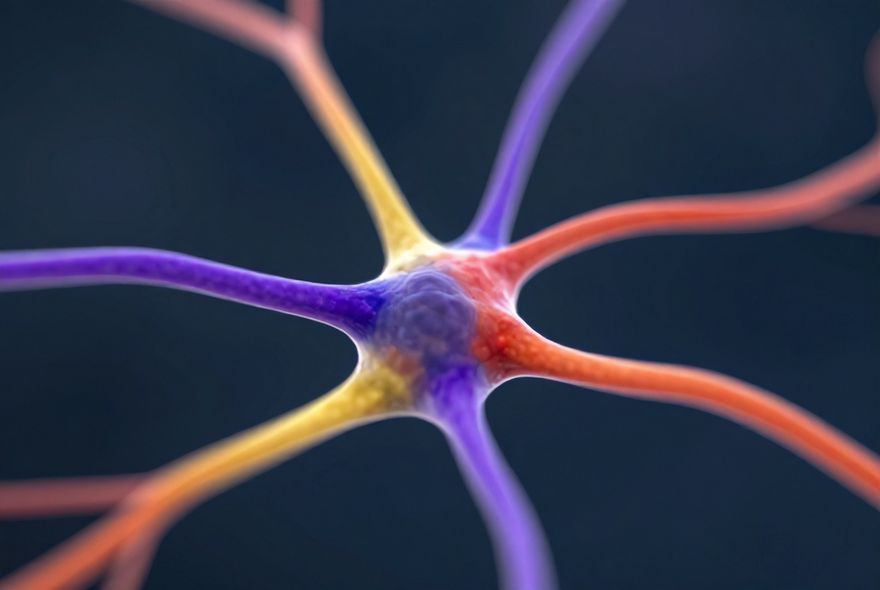
So, there you have it—our brains are like that friend who keeps suggesting chocolate cake for breakfast because they just can’t help themselves. We fall into bad habits thanks to some pretty sneaky psychological triggers. From the brain’s reward system lighting up like a Christmas tree at the mere sight of a cigarette, to stress making your hand reach for that extra slice of pizza as if it’s programmed, these patterns are deep-rooted and deviously sticky. And let’s not forget, relying on willpower alone to break these cycles is like trying to catch water with a fork—not super effective. By understanding these underlying psychological mechanisms, you’re a step closer to untangling from the web of behaviors that aren’t serving you well.
Now, if you’re thinking, “Alright, captain of my own destiny, what’s next?” I’ve got you covered! Ready to swap out those less-than-ideal habits for ones that actually suit your lifestyle? Dive deeper into the journey of self-improvement and habit transformation. Let’s team up on Facebook, get inspired on Instagram, or join the conversation via Twitter! Remember, every big change starts small, but it sure doesn’t have to be a solo adventure.





Leave a Reply