
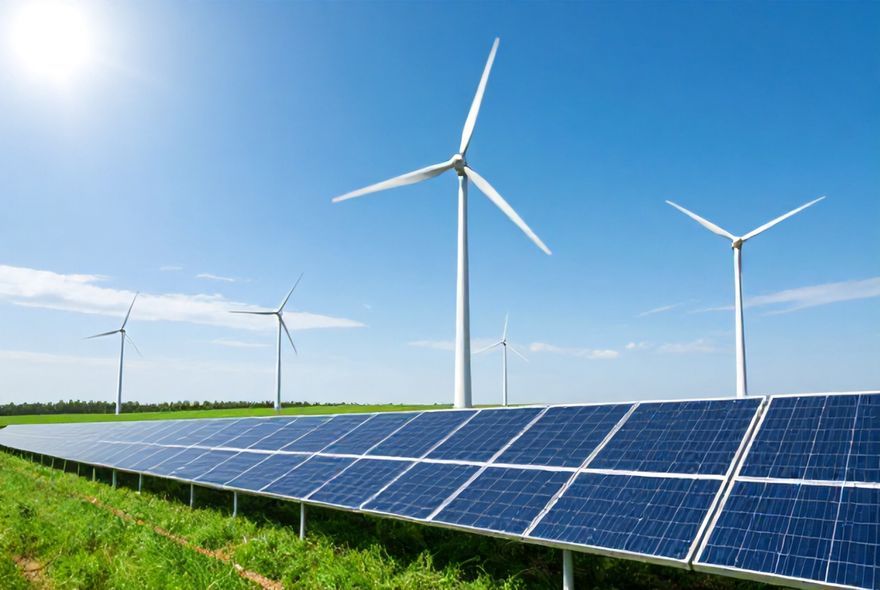
Welcome, curious explorer, to the realm of renewable energy! Isn’t it fascinating how the future is riding the waves, soaking up the sun, and harnessing the wind? In this grand tour, we’ll dive deep into the sources, methods, and burgeoning careers within this dynamic field. Wondering about potential drawbacks or the costs involved? Got you covered! This blog post is your trusty guide—like that wise neighbor who knows a thing or two about sustainability’s growth spurt without the downsides. Ready for a cleaner, greener tomorrow? Let’s dive in together!
Key Takeaways
- Discover the buzzing world of renewable energy sources—wind, solar, hydro, and more!
- Methods that turn natural power into usable juice for your gadgets.
- Fancy a career change? The renewable energy sector is booming with growth opportunities!
- Explosive growth potential in renewable energy—like a wind turbine! 🌪️
- Every good thing has its downers—explore renewable energy’s disadvantages before diving in.
- Wondering about the dollars and cents? We break down the costs of going green.
Understanding Renewable Energy Sources: The Foundation of Tomorrow’s Power
You know that moment when you flip a light switch and wonder where that electricity actually comes from? Well, renewable energy is revolutionizing that entire process, and honestly, it’s pretty exciting stuff. Unlike traditional fossil fuels that’ll eventually run out (and aren’t doing our planet any favors), renewable energy sources are naturally replenished and sustainable. We’re talking about harnessing the power that’s literally all around us – from the sun beating down on your roof to the wind rustling through trees in your backyard.
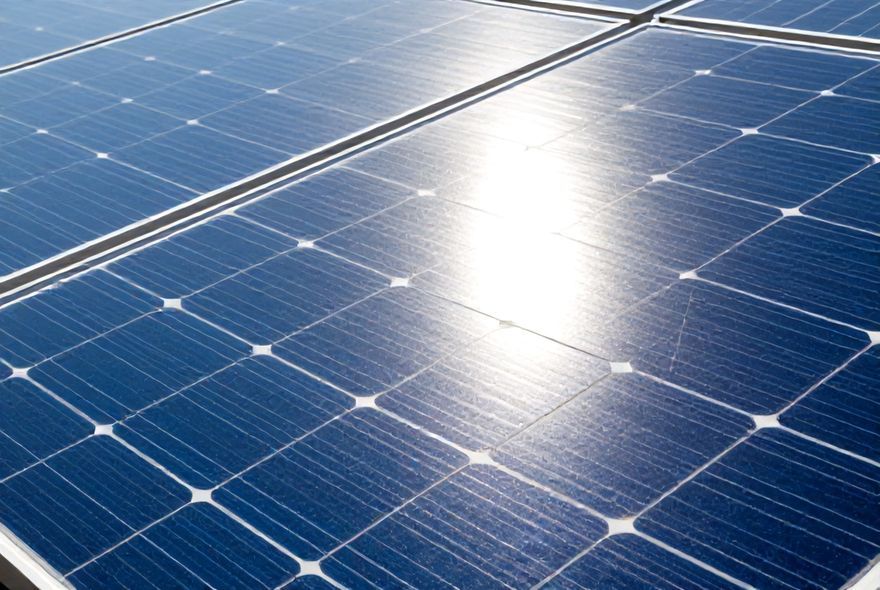
- Solar Energy: The most abundant energy source on Earth, with enough sunlight hitting our planet in one hour to power the entire world for a year. Modern photovoltaic cells are getting crazy efficient, converting up to 26% of sunlight into usable electricity.
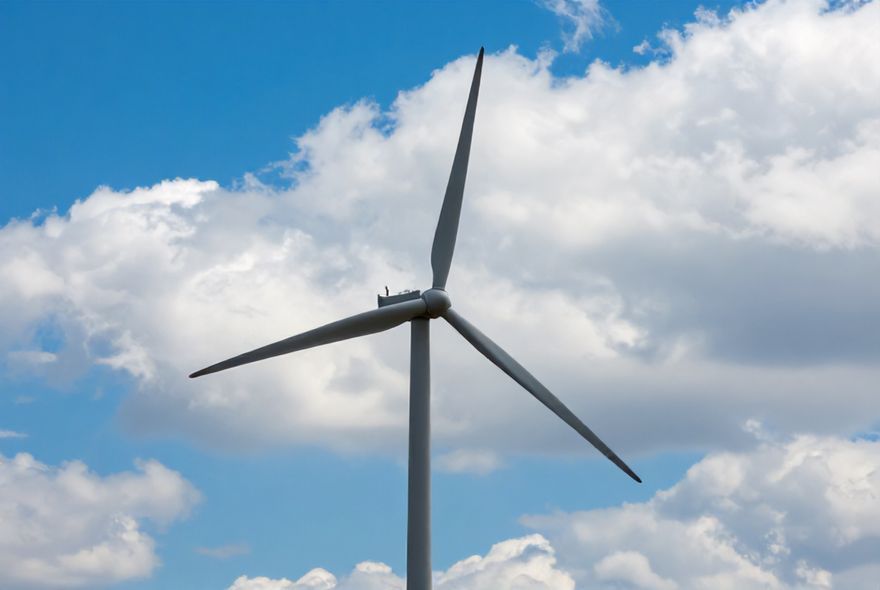
- Wind Power: Those giant white turbines you see dotting landscapes aren’t just pretty – they’re workhorses. A single modern wind turbine can generate enough electricity to power about 1,400 homes annually.
- Hydroelectric Energy: Water’s been powering things for centuries, but today’s hydroelectric systems are sophisticated. They provide about 16% of the world’s electricity and can respond to power demands in minutes.
- Geothermal Energy: Think of it as tapping into Earth’s natural heating system. The ground beneath your feet maintains a constant temperature year-round, and we’re getting better at using that steady energy source.
- Biomass Energy: Everything from wood chips to agricultural waste can be converted into energy. It’s like nature’s recycling program, turning organic matter into power while reducing waste.
Modern Methods and Technologies Driving Renewable Energy Forward
The methods we use to capture and convert renewable energy have come a long way from the basic windmills and water wheels of yesteryear. Today’s renewable energy methods are high-tech marvels that would make your smartphone jealous. We’re seeing innovations that not only make these systems more efficient but also more integrated into our daily lives. From smart grids that can predict energy needs to floating solar farms that don’t compete with land use, the methods are getting as creative as they are effective.
- Smart Grid Integration: These aren’t your grandfather’s power grids. Modern smart grids use AI and machine learning to balance energy supply and demand in real-time, making renewable energy sources more reliable than ever before.
- Energy Storage Solutions: Battery technology is having a moment, with lithium-ion costs dropping by 90% over the past decade. Tesla’s not the only game in town – we’re seeing everything from massive grid-scale batteries to innovative pumped hydro storage.
- Floating Solar Panels: Also called “floatovoltaics” (yes, that’s really what they’re called), these systems are installed on bodies of water, reducing land use while actually improving efficiency due to the cooling effect of water.
- Offshore Wind Farms: Ocean winds are stronger and more consistent than onshore winds. These massive installations can generate significantly more power, with some turbines standing taller than the Statue of Liberty.
- Concentrated Solar Power (CSP): Instead of converting sunlight directly to electricity, CSP uses mirrors to focus sunlight to create heat, which then generates electricity. The bonus? It can store that heat to generate power even after sunset.
Career Opportunities in the Renewable Energy Sector
Here’s where things get really interesting for anyone thinking about their career path. The renewable energy sector isn’t just growing – it’s absolutely booming, creating jobs faster than you can say “solar panel installer.” And we’re not just talking about climbing up wind turbines (though that’s definitely an option if you’re into heights and good views). This industry spans everything from high-tech engineering roles to hands-on installation work, policy development, and even creative marketing positions. The best part? Many of these careers didn’t even exist 20 years ago, and they’re projected to keep growing for decades.
- Solar Panel Installer: One of the fastest-growing jobs in America, with a median salary around $47,000 and often requiring just a few months of training. Plus, you get to work outdoors and literally power the future.
- Wind Turbine Technician: These “wind techs” earn a median of $56,000 annually and get some of the best office views on the planet. The job growth rate? A staggering 68% projected through 2030.
- Energy Engineer: These problem-solvers design and optimize renewable energy systems, earning an average of $80,000-$120,000 annually. They’re the ones figuring out how to make everything work better and more efficiently.
- Environmental Compliance Manager: Someone’s got to make sure all these renewable energy projects meet environmental regulations. These roles typically pay $70,000-$100,000 and combine environmental science with regulatory expertise.
- Energy Data Analyst: With all the smart grid technology and IoT sensors, there’s tons of data to analyze. These positions blend tech skills with energy expertise, often paying $60,000-$90,000 annually.
- Project Developer: These are the people who identify potential renewable energy sites, secure permits, and coordinate with communities. It’s part detective work, part diplomacy, with salaries ranging from $75,000-$130,000.
The Explosive Growth of Renewable Energy Markets
Let me tell you, the growth numbers in renewable energy are pretty mind-blowing. We’re witnessing what economists call an “exponential adoption curve,” and it’s happening faster than most experts predicted just a decade ago. According to recent industry reports, renewable energy capacity has been growing by double digits annually, and investment dollars are flowing in like never before. This isn’t just some feel-good environmental trend anymore – it’s becoming the most economically sensible choice for new power generation projects worldwide.
- Investment Surge: Global renewable energy investment hit $1.8 trillion in 2022, with solar and wind leading the charge. That’s more money than the GDP of most countries, showing just how seriously the world is taking this transition.
- Capacity Growth: Renewable energy capacity grew by 260 gigawatts in 2022 – that’s enough to power about 78 million homes. Solar alone accounted for nearly half of all new power capacity additions globally.
- Cost Competitiveness: In most parts of the world, renewable energy is now the cheapest source of new electricity generation. Solar and wind costs have plummeted by 80% and 70% respectively since 2010.
- Job Creation: The renewable energy sector employed 13.7 million people globally in 2022, with solar photovoltaic being the largest employer at 4.9 million jobs. These numbers are growing by about 700,000 new jobs annually.
- Market Penetration: Renewables now account for over 30% of global electricity generation, up from just 20% five years ago. Some countries like Denmark and Uruguay are already running on nearly 100% renewable electricity.
- Corporate Adoption: Major corporations are signing renewable energy contracts at record rates. Companies like Google, Amazon, and Microsoft are not just users but major drivers of renewable energy demand.
The Real Talk: Disadvantages and Challenges of Renewable Energy
Okay, let’s be honest here – renewable energy isn’t perfect, and anyone telling you otherwise is probably trying to sell you something. While I’m a huge fan of clean energy (who isn’t?), there are some legitimate challenges we need to acknowledge and work through. These disadvantages aren’t reasons to give up on renewable energy, but they’re important considerations as we plan our energy future. Think of them as growing pains rather than deal-breakers, because the industry is actively working on solutions to most of these issues.
- Intermittency Issues: The sun doesn’t always shine, and the wind doesn’t always blow when you need electricity. This variability can make grid management tricky, though battery storage and smart grid technologies are rapidly improving to address this challenge.
- High Initial Capital Costs: While operational costs are low, the upfront investment for renewable energy systems can be substantial. A residential solar installation might cost $15,000-$30,000 before incentives, which isn’t pocket change for most families.
- Geographic Limitations: Not every location is ideal for every type of renewable energy. You can’t put a wind farm in a place with no wind, and solar panels aren’t very effective in consistently cloudy regions. This creates uneven deployment opportunities.
- Energy Storage Challenges: Current battery technology, while improving rapidly, still has limitations in terms of capacity, lifespan, and cost. Large-scale energy storage remains one of the biggest technical hurdles for widespread renewable adoption.
- Grid Infrastructure Requirements: Our current electrical grid was designed for centralized fossil fuel plants, not distributed renewable sources. Upgrading this infrastructure requires significant investment and coordination.
- Environmental Impact of Manufacturing: While renewables are clean during operation, manufacturing solar panels and wind turbines does have environmental costs, including mining for rare earth elements and energy-intensive production processes.
Breaking Down the Costs: Investment and Financial Considerations
Money talks, and when it comes to renewable energy, the financial conversation has completely flipped in the past decade. I remember when solar panels were this expensive, niche technology that only the most dedicated environmentalists (with deep pockets) would consider. Now? We’re looking at a completely different landscape where renewable energy is often the cheapest option available. But the costing isn’t just about the sticker price – there are layers of financial considerations that make this topic more complex than a simple price comparison.
- Levelized Cost of Energy (LCOE): This is the true cost metric that includes everything – installation, maintenance, fuel (or lack thereof), and financing over the system’s lifetime. Solar LCOE has dropped to $0.03-$0.06 per kWh in many markets, making it cheaper than coal or natural gas.
- Residential Solar Costs: The average cost of residential solar has dropped from $8 per watt in 2010 to around $3 per watt today. With federal tax credits covering 30% of installation costs, many homeowners see payback periods of 6-10 years.
- Commercial Scale Economics: Large-scale renewable projects benefit from economies of scale. Utility-scale solar projects are being built for under $1,000 per kilowatt of capacity, compared to $1,500-$3,000 per kilowatt for natural gas plants.
- Financing Innovation: Power Purchase Agreements (PPAs), solar leases, and green bonds have made renewable energy accessible without large upfront investments. Many homeowners can go solar with zero money down.
- Hidden Cost Savings: Beyond electricity generation, renewables offer savings through reduced health costs from air pollution, energy independence benefits, and avoided climate change impacts. These “externalities” add significant value.
- Maintenance and Operational Costs: Solar panels have virtually no moving parts and require minimal maintenance – maybe hosing them down occasionally. Wind turbines need more maintenance but still have lower operational costs than fossil fuel plants that require constant fuel purchases.
Government Policies and Incentives Shaping the Renewable Energy Landscape
You know what’s really accelerated the renewable energy boom? Smart government policies and incentives that make clean energy investments more attractive than traditional alternatives. It’s like having a friend who not only encourages your good habits but actually helps pay for them. From federal tax credits to state-level renewable portfolio standards, policy frameworks are creating the conditions for renewable energy to thrive. These aren’t just feel-good environmental policies anymore – they’re strategic economic tools that recognize renewable energy as critical infrastructure for the future.
- Federal Investment Tax Credit (ITC): This allows residential and commercial solar installations to deduct 30% of installation costs from federal taxes through 2032. It’s essentially a 30% discount on going solar, courtesy of Uncle Sam.
- Production Tax Credit (PTC): Wind projects can claim $0.025 per kWh of electricity produced during their first 10 years of operation. This has been a major driver in making wind power cost-competitive nationwide.
- Renewable Portfolio Standards (RPS): About 30 states require utilities to source a certain percentage of their electricity from renewable sources by specific dates. California aims for 100% clean electricity by 2045, while New York targets 2040.
- Net Metering Policies: These allow homeowners with solar panels to sell excess electricity back to the grid, essentially running their electric meter backward. It’s like having your roof become a mini power plant that pays you.
- Green Energy Loan Programs: Many states offer low-interest loans specifically for renewable energy installations. Some programs, like PACE financing, allow property owners to pay back loans through property tax assessments.
- Carbon Pricing Mechanisms: Cap-and-trade programs and carbon taxes make fossil fuels more expensive while keeping renewable energy costs stable, effectively tilting the economic playing field toward clean energy sources.
Future Innovations and Emerging Technologies in Renewable Energy
Here’s where things get really exciting – the cutting-edge stuff that’s going to make today’s renewable energy look like stone tools. We’re standing at the edge of some pretty revolutionary technologies that could completely transform how we think about energy generation and consumption. I’m talking about innovations that sound like science fiction but are actually being tested and deployed right now. These emerging technologies aren’t just incremental improvements; they’re potential game-changers that could solve many of the current challenges facing renewable energy adoption.
- Perovskite Solar Cells: These next-generation solar cells could achieve 40%+ efficiency (compared to today’s 20-26%) while being cheaper to manufacture. They can be printed like newspapers and are flexible enough to integrate into windows, clothing, and curved surfaces.
- Floating Wind Farms: Offshore wind turbines that float in deep water where winds are stronger and more consistent. These systems can access wind resources previously unreachable, potentially tripling available offshore wind capacity.
- Green Hydrogen Production: Using excess renewable energy to split water into hydrogen and oxygen, creating a clean fuel that can be stored long-term and used for everything from steel production to powering ships and planes.
- Agrivoltaics: Combining solar panels with agriculture, where crops grow underneath elevated solar installations. This dual land use can increase overall land productivity while providing shade and reduced water evaporation for crops.
- Artificial Photosynthesis: Scientists are developing systems that mimic how plants convert sunlight and carbon dioxide into energy and useful chemicals. This could turn CO2 from a waste product into a valuable resource.
- Advanced Energy Storage: Beyond lithium-ion batteries, we’re seeing development of compressed air energy storage, liquid metal batteries, and even gravity-based storage systems that could store renewable energy for weeks or months.
As we’ve journeyed through the vibrant world of renewable energy, it’s clear that the diverse sources like solar, wind, and hydro hold the key to a sustainable future. From innovative methods of harnessing renewable power to the promising career opportunities emerging in this growing field, there’s no denying the momentum. Sure, there are hurdles like initial costs and technological constraints, but the long-term benefits for our planet far outweigh these disadvantages. Whether you’re an environmental enthusiast or just curious about green possibilities, understanding renewable energy is a crucial step towards embracing a cleaner future.
And speaking of embracing the future, imagine tackling your home cleaning with ease, so you have more time to think about the energy revolution! Wrapping this up, if you’re ready to tackle your home cleaning without the hassle, hit us up at Joy of Cleaning. Book a Cleaning, or call us at (727) 687-2710. Join our fun community by following us on Facebook and Instagram. We’ve got your back!





Leave a Reply