
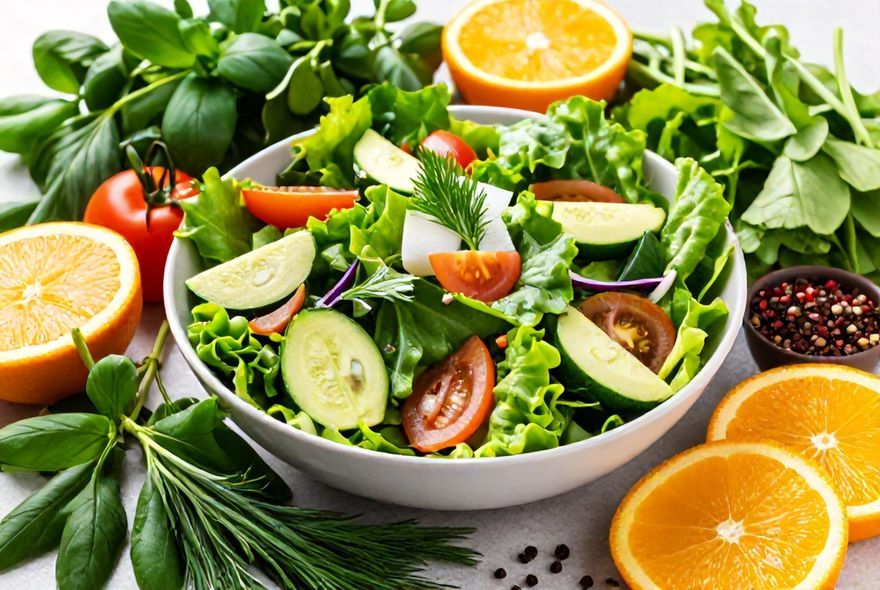
Tired of green salads tasting like cardboard, but don’t want to drown ’em in a sea of calorie-laden dressings? Enter: Hacks To Make Green Salad Taste Better Without Extra Calories. This isn’t just another kale tale; we’re talking tangy, zesty, and vibrant without spilling the calorie beans. Ever tried flavor-boosting hacks that promised fireworks, only to end in a soggy mess? Let’s change that! Get ready to jazz up your greens with tips fresher than a dewy morning. Dive in as we sprinkle goodness without the guilt.
Key Takeaways
- Forget boring salads! Amp up the flavor without the calorie guilt.
- Discover how herbs can transform your greens into a taste sensation.
- Add a splash of vinegar for that tangy twist you didn’t know you needed.
- Boost your bowl with zesty citrus—orange, lemon, or lime, anyone?
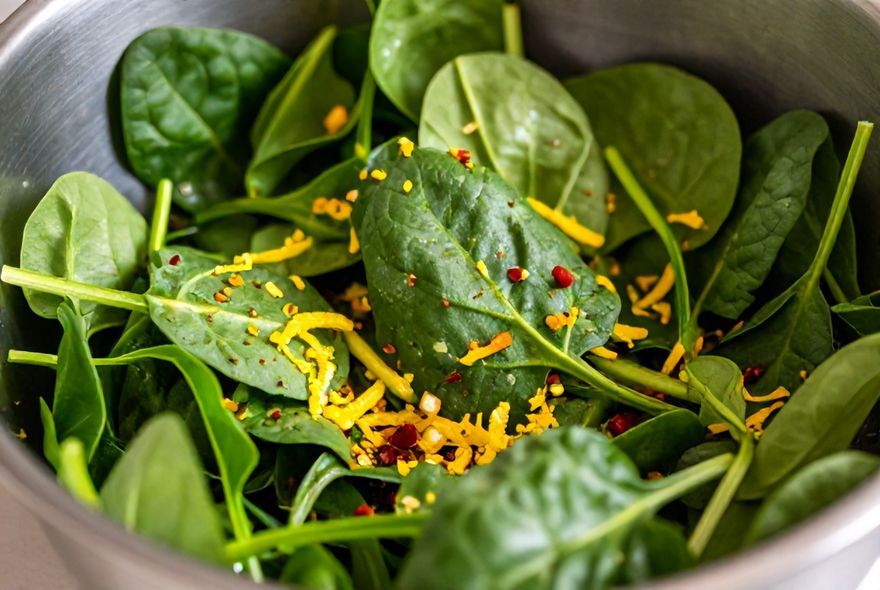
- Try a sprinkle of spices for a little kick without the calories.
- Incorporate roasted veggies for added depth and sweetness.
- Fresh fruits add natural sweetness without reaching for sugar.
Why Your Green Salad Tastes Boring (And How to Fix It)
Let’s be honest—green salads get a bad rap. You know that moment when you’re staring at a bowl of lettuce, thinking, “Is this really what healthy eating tastes like?” Here’s the thing: a tasteless salad isn’t a failure of willpower or healthy eating; it’s just a missed opportunity. The good news? You don’t need to drown your greens in creamy dressing or sprinkle on loads of sugar to make them delicious. There are sneaky flavor-boosting hacks that’ll transform your salad from boring to crave-worthy, all without wrecking your calorie count or nutritional goals. Let’s dive into how to make green salad taste genuinely amazing.
- Flavor doesn’t equal calories: The biggest myth about salads is that taste requires heavy dressings or sugary additions. Smart seasoning, texture variety, and ingredient pairing can deliver incredible flavor profiles without the caloric load.
- Layering flavors matters: Think of your salad like a symphony—you need different notes working together. Acidic, salty, sweet, and umami elements create complexity that keeps your taste buds engaged.
- Texture is flavor’s best friend: Combining crispy, creamy, and chewy elements makes every bite more satisfying, reducing the need for heavy toppings to feel indulgent.
- Pre-seasoning greens changes the game: Don’t wait until the end to add flavor. Massaging greens with salt, acid, or spices before assembling helps them absorb taste throughout the bowl.
Master the Art of Acidic Ingredients for Instant Zing
Here’s a secret that professional chefs won’t tell you at fancy restaurants: acid is your salad’s best friend. We’re talking vinegars, citrus, and fermented ingredients that brighten every bite without adding a single calorie. When you use acid strategically, you’re actually making greens taste more like themselves—fresher, crisper, and more alive. It’s like turning up the volume on flavor without changing the song. The beauty of acidic ingredients is they’re incredibly versatile and pack serious punch, so a little goes a long way.
- Vinegar varieties unlock different flavor profiles: Balsamic vinegar adds sweetness and depth, apple cider vinegar brings a crisp tang, rice vinegar offers subtle sweetness, and red wine vinegar delivers bold, classic salad vibes. Each changes the entire character of your bowl, so experiment and find your favorites.
- Citrus juice (lemon, lime, orange) brightens greens immediately: The acidity helps break down cell walls slightly, making greens more tender while the fresh citrus notes prevent that flat, lifeless taste. Plus, vitamin C in citrus helps your body absorb iron from leafy greens.
- Fermented options like kombucha or apple cider vinegar add probiotics: Beyond flavor, fermented ingredients support digestive health while delivering complex, tangy notes that make simple greens taste sophisticated.
- Use acid to massage and soften greens: Toss delicate greens with a squeeze of lemon or splash of vinegar 5-10 minutes before serving. This softens them slightly while infusing flavor throughout, meaning you need less dressing overall.
Umami: The Secret Flavor Weapon Nobody Talks About
Umami is that savory, mouth-filling taste that makes you go “mmm” without knowing why. It’s the fifth taste—alongside sweet, salty, sour, and bitter—and it’s absolutely transformative for salads. When you add umami-rich ingredients to your green salad, suddenly it tastes less like diet food and more like something you actually want to eat. The genius part? Most umami-boosters are naturally low in calories, making them the perfect hack for flavor without the caloric penalty.
- Nutritional yeast brings cheesy, savory depth: Just a tablespoon or two adds a parmesan-like flavor with only about 20-30 calories and a serious B-vitamin boost. It’s particularly magical on Caesar-style salads or mixed greens.
- Soy sauce, tamari, or miso paste deliver concentrated umami: These condiments are calorie-light but flavor-heavy. A teaspoon of miso or splash of soy sauce mixed into your dressing creates restaurant-quality depth that makes greens taste like a main course.
- Mushrooms—especially dried or roasted—pack umami intensity: Whether you use fresh mushrooms for texture or dried porcini powder for concentrated flavor, these fungi are umami superstars. They add earthiness that makes greens taste more grounded and satisfying.
- Parmesan rinds or aged cheese dust add richness without excess fat: You only need a small amount of hard cheese to get massive umami impact. Grate it finely so it distributes throughout the bowl, and you’ll get savory satisfaction without loading calories.
- Anchovy paste or fish sauce (use sparingly!) creates savory magic: We know—it sounds weird. But just a tiny amount of anchovy paste mixed into dressing creates an invisible savory backbone that makes people say, “Wow, this salad tastes amazing” without realizing why.
Texture Hacks That Make Every Bite Exciting
You know how some salads feel like you’re chewing air? That’s because they’re missing textural variety. When your salad has a mix of crispy, creamy, chewy, and tender elements, each bite becomes an experience rather than a chore. The cool thing is, adding texture doesn’t necessarily mean adding calories—it’s about smart choices and proportions. Think of it like building a salad with personality, where every component has a job to do.
- Toasted seeds and nuts add crunch and healthy fats in controlled portions: Instead of drowning your salad in dressing, use small amounts of toasted pumpkin seeds, sunflower seeds, or nuts. A quarter cup gives you serious textural contrast and satisfaction without going overboard—roughly 100-150 calories depending on the choice.
- Crispy chickpeas or roasted legumes deliver protein-packed crunch: Toss canned chickpeas with spices and roast them until they’re crunchy. They add protein, fiber, and a satisfying bite that makes your salad feel like an actual meal, not a side dish.
- Raw vegetables with different cuts create micro-textural interest: Julienne some carrots, shave some radishes with a mandoline, chop some bell peppers into chunks. Each cutting technique creates different mouthfeel, making the salad more engaging.
- Crispy whole-grain croutons or breadcrumbs add structure without heaviness: Make your own with whole-grain bread, a tiny bit of oil, and seasoning, then toast until golden. Homemade croutons let you control calories while adding crunch and substance.
- Creamy elements like avocado or yogurt create textural contrast with minimal added dressing: A few slices of avocado or dollop of Greek yogurt add creaminess that tricks your brain into thinking the salad is indulgent, even though you’re keeping calories in check.
Spice Up Your Salad: Heat and Aromatic Magic
Spices are flavor’s greatest bargain—they add virtually no calories while delivering serious taste impact. When you think about making green salad taste better, most people jump to dressing, but spices and aromatics are where the real magic happens. We’re talking about transforming a basic bowl of lettuce into something with personality, intrigue, and depth. The best part? Your spice cabinet probably already has everything you need.
- Fresh or dried chili creates heat that enhances all other flavors: Red pepper flakes, fresh jalapeños, or even a pinch of cayenne wake up your taste buds and make you crave another bite. Heat also increases saliva production, which enhances flavor perception overall.
- Aromatic spices like cumin, coriander, and paprika add warmth: These spices create flavor complexity without sweetness or heaviness. Toast them lightly in a dry pan before adding to your salad for extra depth.
- Fresh herbs (cilantro, basil, mint, dill) transform the entire flavor profile: Don’t treat herbs as garnish—use them generously. A handful of fresh cilantro completely changes your salad’s vibe compared to flat-leaf parsley. Different herbs work with different flavor combinations.
- Garlic and onion in various forms pack savory punch: Raw minced garlic, garlic powder, crispy fried onions, or even a rub of raw garlic on your salad bowl creates savory depth that makes greens taste less like diet food.
- Smoked paprika or sumac add complexity without calories: These spices bring depth and sophistication that make people think you spent way more effort on the salad than you actually did.
The Dressing Hack: Less Oil, More Flavor
Let’s talk about dressing—specifically, how to make it taste amazing without using a quarter cup of oil. Traditional salad dressings are basically fat delivery vehicles, and while some fat is necessary for nutrient absorption and satisfaction, you don’t need as much as most recipes suggest. The trick is building flavor through other components so your dressing can be lighter and still taste incredible. You’re essentially outsourcing flavor to other ingredients, which means your dressing can focus on being a complementary element rather than the star of the show.
- Use acid as your primary dressing base instead of oil: A vinaigrette that’s 3 parts acid to 1 part oil (instead of the traditional 1:3 ratio) still tastes amazing if your acid is quality. This cuts calories roughly in half while intensifying flavor.
- Greek yogurt or cottage cheese creates creamy dressing without heavy cream: Mix these with herbs, lemon juice, and spices to create dressing that tastes indulgent while being protein-rich and lower in calories than mayo-based options.
- Miso or tahini mixed with vinegar and water creates rich, savory dressing: These ingredients are calorie-dense in small amounts but flavor-intense, meaning you use less while getting more satisfaction.
- Mustard (especially whole-grain) adds body and tang without oil: A tablespoon of mustard in your dressing base adds emulsifying power and flavor, reducing the amount of oil you need for proper texture.
- Blend roasted vegetables into your dressing base for creaminess: Roasted garlic, roasted red peppers, or even roasted cauliflower blended with vinegar and a touch of oil creates creamy texture with actual vegetable nutrition, not just fat.
Timing and Technique: When and How You Build Your Salad Matters
Here’s something most people don’t realize: how you assemble your salad actually affects how it tastes. The order you add ingredients, how long components sit together, and whether you dress everything at once versus in stages—these choices impact flavor absorption and overall eating experience. It’s like the difference between cooking and just assembling food. When you understand the technique, you can make simple ingredients taste restaurant-quality, which is exactly the point of learning flavor hacks in the first place.
- Massage hardy greens with acid and salt before adding other ingredients: Kale and collard greens benefit from a 5-minute “massage” with lemon juice and salt, which softens them while infusing flavor. This means the rest of your salad ingredients can be lighter and fresher since the greens are already flavorful.
- Add delicate greens last, just before eating: Spinach, arugula, and lettuce should go in last to prevent wilting and maintain textural contrast. They’ll pick up flavor from other components without getting soggy.
- Let ingredients marinate separately before combining: Dress your vegetables (tomatoes, cucumbers, peppers) 10-15 minutes before serving so they absorb flavor. Keep greens separate until the last minute. This prevents the whole salad from becoming a soggy mess.
- Toast nuts and seeds right before serving for maximum crunch: Toasting releases oils and deepens flavor. If you toast them hours ahead, they’ll soften and lose their textural appeal.
- Add dressing in stages rather than all at once: Start with a light coating, toss, taste, then add more if needed. This prevents over-dressing while helping you understand the flavor balance you’re creating.
Unexpected Flavor Combinations That Actually Work
Once you understand the basic flavor principles, you can get creative and start experimenting with combinations that might sound weird but absolutely work. This is where salad becomes fun instead of obligatory. We’re talking about unexpected pairings that make your taste buds do a double-take in the best way possible. The key is understanding why certain combinations work—usually because they hit multiple flavor notes simultaneously.
- Fruit with savory elements (berries with balsamic and nuts, apple with blue cheese): Sweet and savory create complexity. The acid in balsamic or lemon balances fruit sweetness, preventing the salad from tasting like dessert while adding interest.
- Asian-inspired combos (sesame seeds, soy-lime dressing, ginger, cilantro): These elements work together because they share similar flavor families. Soy and ginger create umami-heat, lime adds brightness, cilantro brings freshness, and sesame adds nuttiness.
- Mediterranean twist (olives, feta, oregano, lemon, tomatoes): This combo works because each element adds something different—salty, tangy, herbaceous, and fresh. They’re meant for each other.
- Warm and cool elements (roasted vegetables on cool greens): Warm roasted vegetables wilt slightly into the greens while staying crunchy in some spots. They release flavor into the surrounding greens while the cool lettuce provides textural contrast.
- Spicy-sweet balance (hot peppers with honey-mustard dressing, or jalapeños with mango): When heat and sweetness combine, they enhance each other. Neither dominates; instead, they create a dance of flavor that keeps you coming back for more bites.
Making It Stick: Easy Flavor Hacks You’ll Actually Use
Here’s the truth about healthy eating: if it’s not delicious, you won’t stick with it. The whole point of learning these hacks to make green salad taste better is so that eating salad becomes something you genuinely want to do, not something you force yourself to choke down. This final section is about turning knowledge into habit, creating simple systems that make flavorful salads the easy choice rather than the hard one. It’s about setting yourself up for success without overthinking it.
- Keep a “flavor toolkit” ready: vinegars, spices, nuts, seeds, and fresh herbs on hand: When you have flavor-boosting ingredients visible and accessible, you’ll actually use them. Keep your favorite vinegars in a cabinet, toast nuts in batches, and keep fresh herbs in water like flowers.
- Batch prep components separately rather than assembling full salads in advance: Chop vegetables, cook grains, toast nuts, and prep dressing ahead of time, but keep greens separate. When you’re ready to eat, assembly takes 2 minutes and everything tastes fresh.
- Create a simple flavor formula you return to: acid + umami + texture + herbs: This gives you a framework to work within while still allowing creativity. Every salad hits these four notes, so you’re never making something bland.
- Taste as you go and adjust seasoning at the end, not just in the dressing: Sometimes a salad needs more acid, sometimes more salt, sometimes more spice. Have these elements available for last-minute adjustments rather than relying on dressing alone.
- Rotate your salad components weekly to keep things interesting: Use different greens, different proteins, different vegetables, different dressings. This prevents salad fatigue while keeping your nutrition varied and interesting.
Beyond the Bowl: Understanding How Your Palate Adapts
One more thing worth understanding: your taste preferences aren’t fixed. When you regularly eat flavorful salads, your palate actually adapts and becomes more sensitive to subtle flavors. This means that salads you found boring a month ago might taste amazing now. It’s like when you reduce salt intake—after a few weeks, food that used to taste bland suddenly tastes perfectly seasoned. Learning these hacks isn’t just about tricks; it’s about training your taste buds to find satisfaction in real food rather than relying on heavy dressings and excess calories. For more comprehensive information on making delicious salads that fit your health goals, explore detailed green salad techniques and recipes.
- Taste buds regenerate every 7-10 days, so changes happen faster than you think: Commit to flavorful salads for two weeks, and you’ll notice your cravings shift. You’ll start craving the brightness of acid and the complexity of umami rather than heavy dressings.
- Gradually reduce dressing amount as you build flavor through other ingredients: You might start with 2 tablespoons of dressing and eventually find that 1 tablespoon is plenty because your salad is already delicious. This happens naturally as you layer flavors.
- Different salads for different moods prevent boredom: Some days you want spicy, some days you want fresh and herbaceous, some days you want rich and nutty. Having multiple flavor profiles in your rotation keeps salads exciting.
- Share your experiments with others and get feedback: Sometimes what tastes amazing to you might need tweaking for someone else’s palate. This feedback helps you refine your flavor combinations and discover new favorites.
- Remember that perfect salad doesn’t need to be complicated: A handful of quality greens, a squeeze of fresh lemon, good salt, and one or two interesting ingredients can taste absolutely incredible. Start simple, then add complexity as you get comfortable.
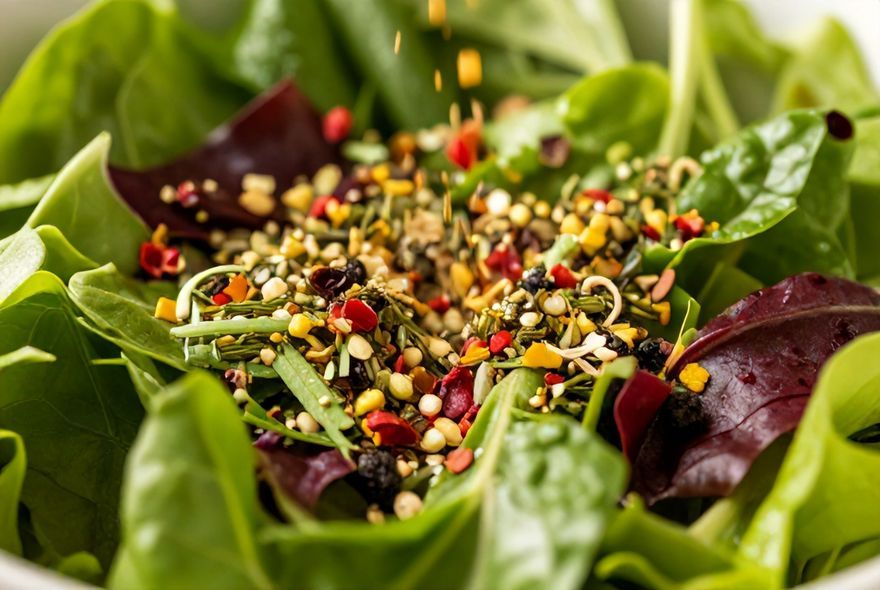
In a world where salads often play second fiddle to more calorie-laden dishes, our hacks to make green salad taste better without extra calories are like a backstage pass to a flavor concert. By using zesty citrus fruits, aromatic fresh herbs, and flavorful vinegars, you can amp up the taste without relying on oil or sugar. Add a kick with a sprinkle of nutritional yeast or a dash of hot sauce for an extra punch. These sneaky flavor-boosting hacks transform your bowl into the star of the show without the need for excess calories. The key is in the creativity and the freedom to mix and match natural, bold flavors that let each ingredient shine.
Speaking of creative freedom, who said salads have to be boring? Let’s leave that myth at the door. Dive into your kitchen and give these tricks a whirl—or a toss. The magic of a satisfying, healthy salad is now at your fingertips, ready to redefine your eating experience. So, are you ready to give your greens a gourmet upgrade? Follow us on Facebook, Instagram, and Twitter to share your salad-tastic creations and discover more sneaky culinary hacks for a wholesome lifestyle. Keep it crispy, keep it green, and most importantly, keep it delicious without the calories!





Leave a Reply