
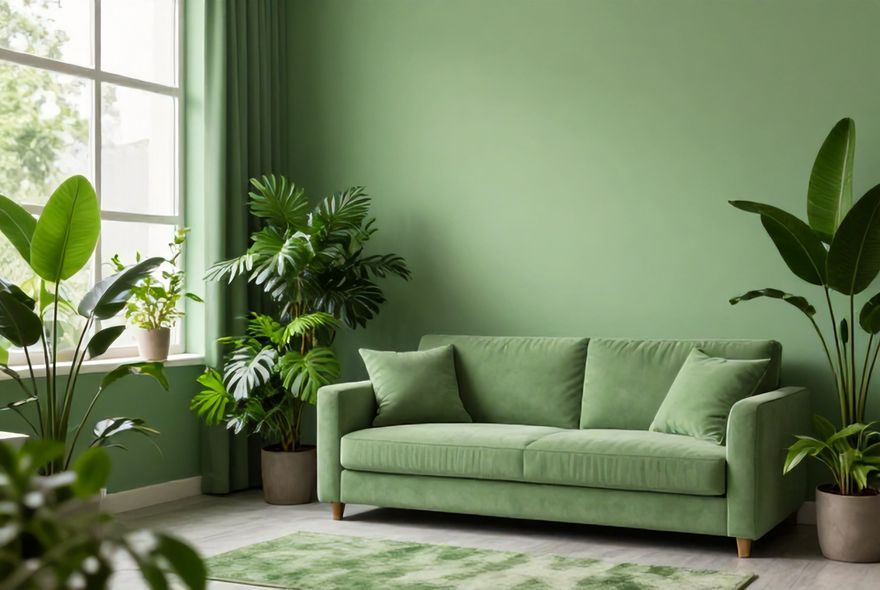
Ever found yourself staring at a blank wall, wondering how on earth to make it more zen? You’re not alone! Welcome to ‘How To Use Green Color Psychology in Interior Design’—a guide so insightful, you might just paint the town green. Learn how green hues boost mood, reduce stress, and transform spaces into zen sanctuaries that actually feel like nature. Because who wouldn’t want a perpetual spring in their living room? Let’s dive into a world where your home’s color scheme plays therapist, thanks to the wonders of psychology and a splash of paint.
Key Takeaways
- Explore the calming power of green to boost your mood at home.
- Turn your space into a stress-free zen sanctuary with the perfect green tones.
- Learn why green is the go-to color for a nature-inspired interior design.
- Want to channel that fresh forest vibe indoors? Green’s your answer!
- Discover the secret to creating spaces that feel like a breath of fresh air.
- Find out how different shades of green can energize or soothe your environment.
- The psychology behind why green makes us feel so darn good!
Understanding Green Color Psychology and Its Interior Impact
Let’s be honest—when you walk into a room painted in calming green, something shifts. You know that moment when you step outside into nature and instantly feel your shoulders drop? That’s what green color psychology does to your interior spaces. Green isn’t just a color; it’s a mood elevator, a stress-buster, and honestly, one of nature’s greatest gifts to interior design. The science behind green hues is pretty fascinating. This color taps into our primal connection with the natural world, triggering responses in our brains that make us feel safer, more balanced, and genuinely more zen. Whether you’re designing a bedroom, office, or living room, understanding how green color psychology works is the first step toward creating spaces that don’t just look good—they feel incredible.
- Natural Connection: Green reminds our brains of forests, plants, and growth. This natural association activates our parasympathetic nervous system, the part responsible for relaxation and healing.
- Stress Reduction: Studies show that exposure to green hues lowers cortisol levels—that pesky stress hormone. When you surround yourself with green in your interior design, you’re literally telling your body to chill out.
- Mood Enhancement: Green is associated with renewal and balance. It doesn’t overstimulate like bright reds or oranges; instead, it creates a sense of calm optimism that makes spaces feel like zen sanctuaries.
- Universal Appeal: Unlike some colors that might feel too bold or trendy, green has this timeless quality. It works in modern minimalist spaces, traditional homes, and everything in between.
- Productivity Boost: Green color psychology isn’t just about relaxation. Research indicates that green environments actually enhance focus and creativity—making it perfect for home offices and study areas.
The Science Behind Why Green Makes Us Feel Better
You’ve probably heard that green is calming, but have you ever wondered why? It’s not just some feel-good myth—there’s legitimate neuroscience backing this up. Our brains are wired to respond positively to green because, throughout human evolution, green meant life, water, and safety. When you use green hues in interior design, you’re tapping into millions of years of biological programming. The wavelength of green light itself is soothing to our eyes, requiring less effort to focus on compared to other colors. Plus, green doesn’t trigger the same alert responses that bright reds or oranges do. This makes green an absolute game-changer for creating spaces where you actually want to spend time, whether that’s your bedroom, living room, or that cozy reading nook you’ve been dreaming about.
- Biophilic Design Connection: Green color psychology aligns perfectly with biophilic design principles—our innate need to connect with nature. When your walls are green, you’re bringing the outdoors in, even if you live in a concrete jungle.
- Eye Comfort: Green sits right in the middle of the light spectrum, making it comfortable for prolonged viewing. Unlike bright colors that can cause eye strain, green actually feels restful to look at for hours on end.
- Hormone Regulation: Exposure to green hues has been shown to increase serotonin production—your body’s natural happy chemical. This is why zen sanctuaries often feature green; it genuinely makes you feel better at a physiological level.
- Cortisol Reduction: That stress hormone we mentioned? Green actively works against it. Studies have documented measurable decreases in cortisol levels in rooms with green color schemes, proving that this isn’t just aesthetic—it’s therapeutic.
- Blood Pressure Benefits: Research published in color psychology studies shows that green can help lower blood pressure, contributing to overall wellness in your interior spaces.
Choosing the Right Shade of Green for Your Space
Here’s where things get fun but also a little tricky. Not all greens are created equal, and picking the wrong shade could leave your space feeling dull or too clinical instead of zen-like. There are so many variations—sage green, forest green, mint, olive, emerald—and each one has its own personality and vibe. The key is understanding what each shade does psychologically and matching it to your space’s purpose. A soft sage green might be perfect for a bedroom where you want maximum relaxation, while a deeper forest green could work beautifully in a living room where you want to balance calm with sophistication. Think of it like this: you’re not just picking a color, you’re setting the emotional tone for the entire room.
- Sage Green: This muted, grayish-green is the ultimate zen sanctuary color. It’s sophisticated, calming, and works in virtually any interior design style. Sage green whispers rather than shouts, making it perfect for bedrooms and meditation spaces.
- Forest Green: Deeper and richer, forest green brings drama and grounding energy. It’s excellent for living rooms, libraries, or home offices where you want to feel focused and present. This shade of green color psychology leans into stability and growth.
- Emerald Green: If you want luxury with calm, emerald is your answer. It’s bold but not aggressive, adding elegance while maintaining that restorative quality of green hues. Perfect for accent walls or high-traffic areas where you want impact.
- Mint and Seafoam: These lighter, cooler greens bring a fresh, airy quality. They work beautifully in smaller spaces or rooms with limited natural light, creating a sense of openness while maintaining the stress-reducing benefits of green color psychology.
- Olive Green: Earthy and warm, olive is incredibly versatile. It bridges the gap between green’s calming properties and the grounding energy of brown, making it ideal for creating balanced, welcoming spaces.
Incorporating Green Into Different Room Types
So you’re convinced that green is the way to go—awesome! But now you’re probably wondering how to actually pull this off in your home. The truth is, green works differently depending on the room’s function and how much natural light it gets. A bedroom needs a different approach than a kitchen, which needs a different approach than a home office. The beauty of green color psychology is that it’s flexible enough to work in any space, but you’ve got to be strategic about it. We’re talking paint colors, yes, but also how you layer in green through furniture, plants, textiles, and accessories. Let’s break down how to make green work in the rooms where you actually spend your time.
- Bedrooms: This is where green hues truly shine for creating zen sanctuaries. Soft sage or muted green on walls, paired with natural bedding, transforms your bedroom into a sleep sanctuary. Green color psychology promotes rest and recovery, making it ideal for spaces where you want to disconnect and recharge.
- Bathrooms: Green in a bathroom creates a spa-like atmosphere—and honestly, isn’t that what we’re all after? A soft green paired with natural wood and plants makes your daily shower feel like a mini vacation. The stress-reducing benefits of green make bathroom time actually relaxing.
- Home Offices: Here’s where green gets strategic. Deeper greens like forest or emerald boost focus and productivity while keeping stress levels down. You get the best of both worlds—the calm of green color psychology with the energy needed for work. It’s like having a productivity hack built into your walls.
- Living Rooms: Medium to deeper greens work beautifully here. You want enough visual interest to make the space feel sophisticated, but the calming nature of green prevents it from becoming overwhelming. Layer it with warm woods and natural textures for balance.
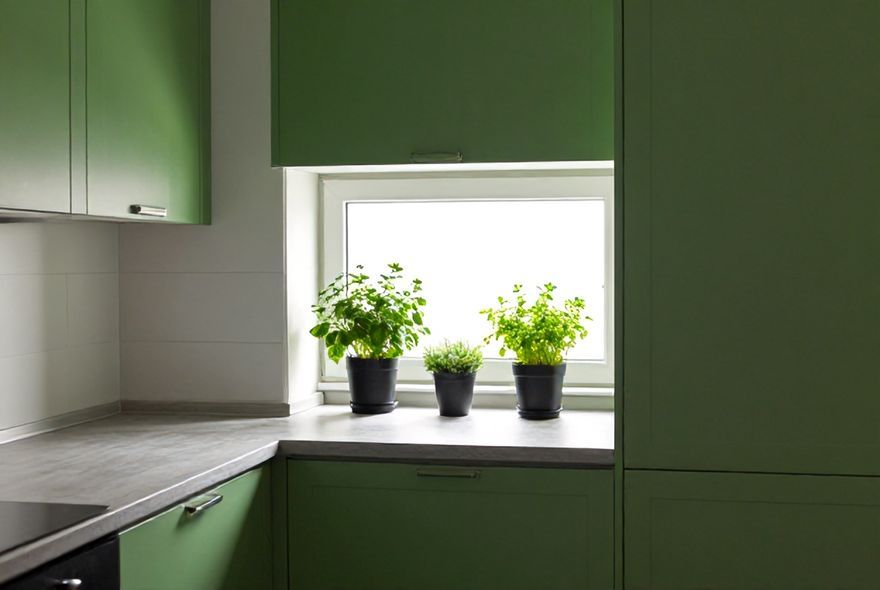
- Kitchens: Lighter, brighter greens work best here—think mint or a fresh sage. Kitchens need energy, and lighter greens provide that while still offering the stress-reducing benefits of green hues. Plus, they pair beautifully with white cabinetry and natural wood countertops.
Working With Green Color Psychology in Small and Large Spaces
You know that feeling when you paint a room a color you thought would be perfect, and it ends up feeling either claustrophobic or empty? Room size matters more than people realize when working with green color psychology. A deep forest green in a tiny bedroom might feel suffocating, while a pale mint in a large living room could feel washed out. The trick is understanding how different shades of green hues interact with space perception. Lighter greens tend to make spaces feel bigger and airier, while darker greens create intimacy and coziness. But it’s not just about the paint—it’s about how you layer in complementary elements and use lighting strategically. Let’s dig into how to make green work no matter your square footage.
- Small Spaces and Lighter Greens: In a compact room, opt for pale sage, mint, or soft celadon. These lighter greens reflect light and create the illusion of space. They maintain all the stress-reducing benefits of green color psychology while preventing the room from feeling cramped. Add one accent wall of slightly darker green for visual interest without overwhelming the space.
- Large Spaces and Deeper Greens: Got a sprawling living room or bedroom? This is your chance to go bold. Forest green, emerald, or deep olive can anchor a large space and create cozy zones within it. Deeper greens add richness and sophistication, transforming big rooms into intimate zen sanctuaries rather than echoing halls.
- Strategic Accent Walls: Not ready to commit to an all-green room? One accent wall in a medium to deeper green can transform a space without overwhelming it. This approach lets you test the waters with green color psychology before going all-in.
- Ceiling Considerations: Painting a ceiling green (especially a lighter shade) creates this magical effect where you feel like you’re under a canopy of trees. It sounds bold, but it’s surprisingly effective for creating zen sanctuaries and boosting the restorative quality of green hues.
- Layering With Texture: In larger spaces, prevent green from feeling flat by layering different textures—matte paint, velvet furniture, linen curtains. This depth makes the space feel more dynamic while maintaining the calming essence of green color psychology.
Pairing Green With Complementary Colors and Materials
Green is gorgeous on its own, but here’s where interior design gets really fun—combining it with other colors and materials to create something truly special. The right pairings amplify the zen sanctuary vibes and prevent your space from feeling one-dimensional. You’re not just slapping green paint on walls; you’re orchestrating a whole experience. Think about how white and gray can make green feel crisp and modern, or how warm wood tones can make it feel earthy and grounded. Metals, textiles, artwork—every element either enhances or detracts from what you’re trying to achieve with green color psychology. Let’s explore the combinations that actually work.
- Green With Whites and Creams: This pairing is classic for good reason. It creates a fresh, clean aesthetic that feels both calming and sophisticated. The neutrals let the green hues take center stage while preventing the room from feeling too busy. Perfect for creating modern zen sanctuaries with a minimalist edge.
- Green With Warm Wood Tones: Nothing says “nature-inspired” like pairing green with natural wood. Oak, walnut, or cedar complement green beautifully, creating a grounded, organic feel. This combination enhances the biophilic aspects of green color psychology, making spaces feel genuinely connected to nature.
- Green With Soft Neutrals: Beige, taupe, and soft grays provide a sophisticated backdrop for green. They let the calming properties of green hues shine while adding subtle warmth. This is ideal for spaces where you want green to be the star but not aggressive.
- Green With Earth Tones: Browns, ochres, and terracotta paired with green create a warm, inviting aesthetic. This combination feels naturally balanced and enhances the stress-reducing benefits of green color psychology by evoking natural landscapes.
- Green With Metals: Brass, copper, or gold accents with green create unexpected elegance. These warm metals complement green’s natural vibes while adding a touch of luxury. Silver and chrome work too, offering a more modern, crisp feel to your interior design.
- Textile Layering: Cotton, linen, wool, and leather all work beautifully with green. The natural fibers enhance the zen sanctuary feeling while various textures add visual interest. Layering textiles prevents the space from feeling flat or one-note.
Using Plants and Natural Elements to Amplify Green Color Psychology
Here’s something wild—you can use actual plants alongside your painted green walls to create a seriously immersive experience. When you combine green color psychology with actual living plants, you’re not just creating a visually cohesive space; you’re genuinely transforming your environment into a stress-reducing sanctuary. Plants do what no paint can do: they purify air, release oxygen, and add dynamic, living texture to your space. Think of them as the finishing touch that takes your interior design from “nice” to “actually feels like nature.” Whether it’s a pothos trailing across a shelf or a fiddle leaf fig anchoring a corner, plants make green color psychology work overtime. They’re like proof that your design choices are grounded in something real and alive.
- Strategic Plant Placement: Position plants to fill corners, frame windows, and create visual flow. This isn’t just aesthetic—it’s strategic use of green hues to enhance the zen sanctuary feeling. Plants in corners of rooms make spaces feel more complete and nature-connected, amplifying green color psychology benefits.
- Varied Plant Types: Mix trailing plants (pothos, string of pearls) with upright plants (snake plant, monstera) and bushy plants (ferns, eucalyptus). Different forms create visual interest and prevent the space from feeling monotonous, while all contribute to the stress-reducing benefits of green hues.
- Natural Materials: Pair your painted green walls with wood planters, terracotta pots, and natural fiber baskets. These materials enhance the biophilic design aspect of green color psychology, creating an authentically nature-inspired interior design scheme.
- Living Wall Benefits: If you’re committed to the zen sanctuary concept, consider a living wall section or moss wall art. The combination of multiple shades of green, living elements, and natural textures creates an incredibly immersive, stress-reducing environment.
- Seasonal Greenery: Beyond permanent plants, incorporate seasonal branches, dried grasses, and flowering plants in green tones. This keeps your space feeling fresh and connected to natural rhythms while continuously reinforcing the calming effects of green color psychology.
Lighting Strategies to Enhance Green Hues and Create Atmosphere
You know that moment when you paint a wall green in daylight and it looks completely different at night? Lighting is absolutely crucial when working with green color psychology and interior design. The right lighting can make green look vibrant and fresh or deep and moody—and you get to choose which. Natural light obviously shows off green’s true colors, but artificial lighting matters just as much. Warm light (incandescent or warm LED) brings out the earthy, grounding qualities of green hues, while cool light (daylight or cool LED) emphasizes the fresh, crisp aspects. If you’re creating a zen sanctuary, you want to think strategically about how light interacts with your chosen green shade throughout the day and evening.
- Natural Light Maximization: If your space gets good natural light, you’ve got a huge advantage. Natural light shows off green color psychology in its best light (literally), bringing out the true depth and richness of green hues. Maximize windows, avoid heavy curtains, and let nature do the heavy lifting.
- Warm Lighting for Cozy Greens: In bedrooms or living areas, use warm-toned lighting (2700K color temperature) with sage or olive greens to create intimate, grounding zen sanctuaries. This combination enhances the stress-reducing benefits of green while making spaces feel welcoming and comfortable.
- Layered Lighting Approach: Combine ambient lighting, task lighting, and accent lighting. This allows you to adjust how green appears throughout the day and evening. Dimmer switches give you control over intensity, letting you customize the zen sanctuary feeling based on time and mood.
- Accent Lighting for Depth: Use spotlights or wall washers to highlight green accent walls or green artwork. This creates visual interest and makes the space feel more dynamic. Strategic accent lighting prevents green interiors from feeling flat, enhancing the sophisticated aspects of green color psychology.
- Cool Lighting for Fresh Greens: If you’ve chosen lighter, cooler greens like mint or seafoam, cool-toned lighting (4000K-5000K) keeps them looking fresh and energizing. This works particularly well in kitchens, bathrooms, and home offices where you want the mood-boosting benefits of green without too much coziness.
Common Green Color Psychology Mistakes and How to Avoid Them
Let’s be real—using green color psychology in interior design is pretty forgiving, but there are definitely ways to mess it up. We’ve all seen a room that should’ve been a beautiful zen sanctuary but instead feels gloomy or overwhelming. Sometimes it’s the wrong shade for the space, sometimes it’s poor lighting, sometimes it’s just too much green without enough breathing room. The good news? These mistakes are totally preventable if you know what to watch out for. I’m going to walk you through the most common pitfalls so you can create that green-based interior design space without accidentally creating a forest that feels more like a cave. Think of this as your cheat sheet to getting green color psychology right the first time.
- Going Too Dark Without Enough Light: Deep greens in dim rooms can feel heavy and depressing rather than calming. If your space has limited natural light, stick with medium to lighter greens, or ensure you have strategic artificial lighting. The stress-reducing benefits of green work best when the color feels inviting, not cave-like.
- Using Too Many Different Green Shades: While layering is good, too many competing green hues can feel chaotic. Stick to 2-3 complementary green shades maximum—maybe a wall color, an accent color, and a trim or accessory color. This maintains the zen sanctuary feeling while adding interest.
- Neglecting Contrast and Balance: All green, all the time can actually become overwhelming. Balance your green color psychology with neutrals and complementary colors. Even a zen sanctuary needs visual rest—pure green walls with green furniture with green accessories feels more theme-park than therapeutic.
- Ignoring Room Function: Using the same green in a bedroom and a kitchen doesn’t work. Bedrooms need softer, more calming greens for sleep, while kitchens benefit from brighter, more energizing greens. Match your green shade to the room’s purpose and how people will use the space.
- Forgetting About Testing: Always get sample paint chips and paint large test areas on your walls. Live with them for a few days in different lighting conditions. Green can shift dramatically depending on what’s around it, and testing prevents expensive mistakes.
- Overcomplicating Accessories: You don’t need every single item in the room to be green or nature-themed. Sometimes the most sophisticated interior design is simple: one beautiful green wall, quality furniture, and strategic natural elements. Less is more when it comes to creating a true zen sanctuary.
Bringing It All Together: Creating Your Green-Inspired Sanctuary
Okay, we’ve covered a lot of ground here—from the science of green color psychology to the nitty-gritty of picking shades and pairing them with materials. Now comes the fun part: actually creating your space. This is where it all comes together. You’re not just picking a color; you’re making a deliberate choice to surround yourself with something that genuinely makes you feel better. The stress-reducing benefits of green hues, the mood-boosting properties, the connection to nature—it all works together to transform ordinary rooms into zen sanctuaries that feel like an escape. The beauty of green color psychology is that it works at every level, from the science in your brain to the practical aesthetics of your interior design. You’ve got all the tools now. It’s time to create something beautiful.
- Start With Your Why: Before you pick a single paint chip, ask yourself what you want from this space. Are you creating a bedroom for better sleep? A home office for focused productivity? A living room for family relaxation? Your intention shapes every decision, from shade selection to lighting to accessories. Green color psychology is more powerful when you’re intentional about it.
- Layer Thoughtfully: Don’t try to do everything at once. Start with your green base (walls), then add complementary colors and materials. Plants, lighting, textiles, artwork—each layer should enhance the zen sanctuary feeling while supporting your space’s function. Good interior design is about building atmosphere intentionally.
- Trust the Process: Green color psychology works. Decades of research backs up what you’ll feel intuitively—that green makes you calmer, more focused, and more connected to nature. Even if it takes a few tries to get the shade and setup right, the payoff is absolutely worth it.
- Make It Personal: While the science of green is universal, how you express it should be uniquely yours. Your color preferences, your lifestyle, your aesthetic sensibilities—all of these matter. Green is flexible enough to work with any style, from ultra-modern to bohemian to traditional. Make it yours.
- Enjoy the Journey: Creating a green-inspired interior design space is genuinely fun. There’s something satisfying about watching a room transform into something that feels good, looks good, and actually supports your wellbeing. You’re not just decorating; you’re investing in your mental health and daily happiness.
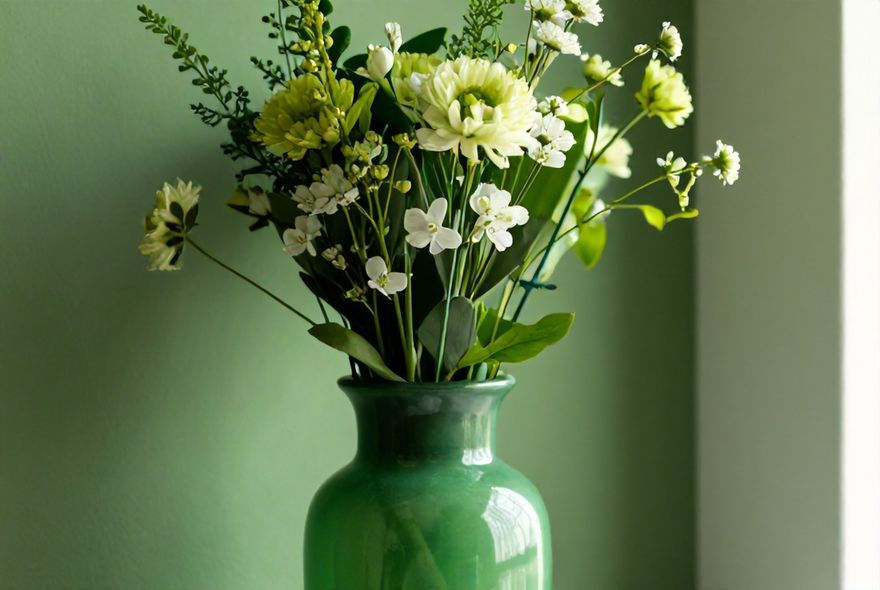
Incorporating green color psychology into your interior design can be a game-changer for your home’s ambiance. By using various shades of green, you’re tapping into a natural palette that not only visually enriches your space but also actively boosts your mood and reduces stress. Picture yourself stepping into a living room painted in soothing sage or brightened with lively lime accents; it’s like entering a zen sanctuary where you can actually feel like you’re cradled by nature. Besides evoking the tranquility of the outdoors, green can also plant a subtle sense of balance and renewal within your space. It’s not just about paint and decor—it’s about creating an environment that’s both aesthetically pleasing and mentally rejuvenating.
So, if you’re ready to turn your home into a serene retreat worthy of a natural backdrop, why not start with a splash of green? Grab some paint swatches, and maybe a quirky plant or two, and transform your interiors into a calming retreat. Want more playful ideas or share your own green-inspired decor? Join our community on Facebook or check out vibrant inspirations on Instagram. Let’s make your home feel like a breath of fresh air—or at least like a really chic indoor jungle!





Leave a Reply