
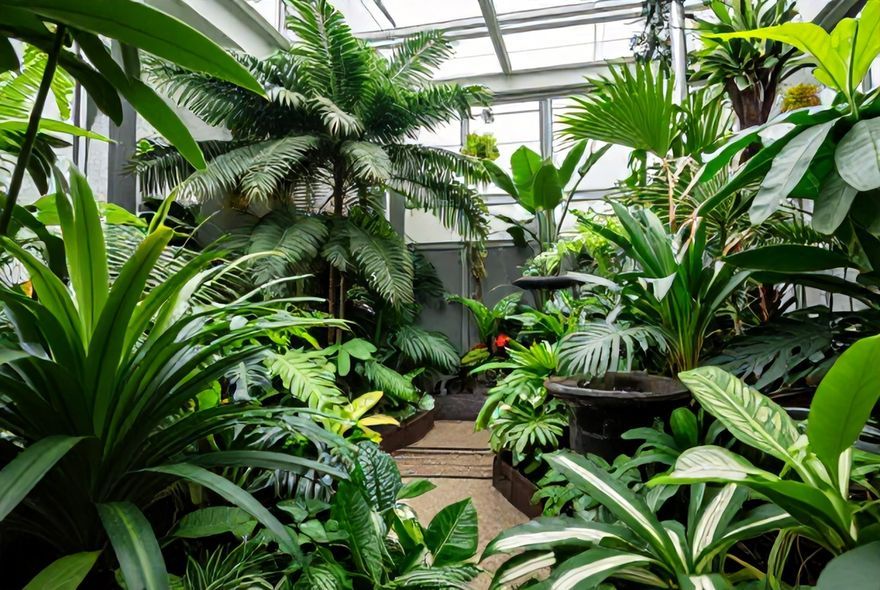
Feeling like the Grim Reaper of potted plants? It’s time to end the reign of terror with our Hacks for Growing Lush Green Plants Indoors Successfully. Stop killing your green babies and let’s turn your humble abode into a thriving jungle with a splash of charm! We’ll spill the secrets behind light, water, and humidity that even your mother-in-law would envy. Ready to nurture life rather than evict it? Dive in and see how you can wield the green thumb you’ve always dreamed of!
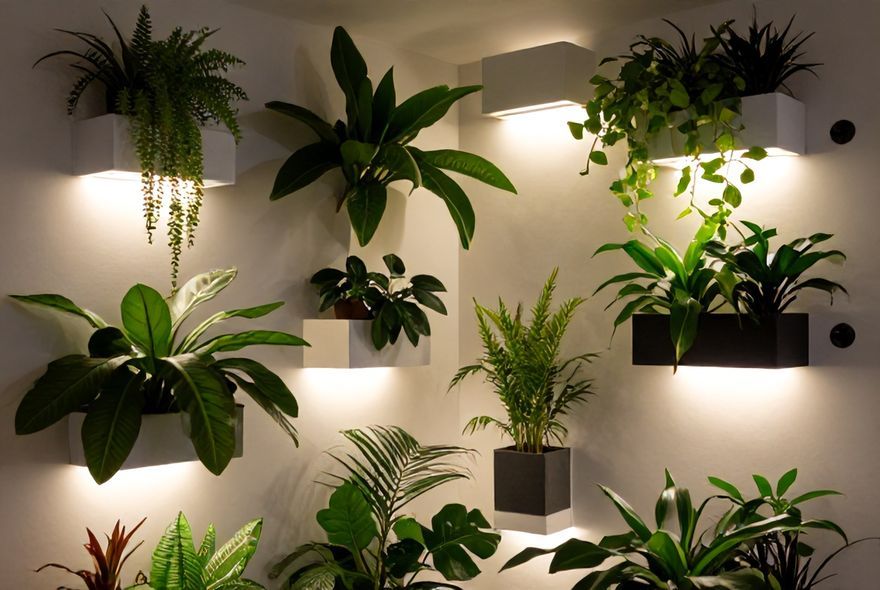
Key Takeaways
- Turn your apartment into a jungle with the right light, water, and humidity hacks.
- Stop murdering your beloved houseplants—get the lowdown on what they truly need to thrive.
- Not a green thumb? Fear not! Learn how to give your green babies the TLC they deserve.
- Find out why lighting is like plant sunscreen—don’t skimp!
- Overwatering isn’t love, it’s waterboarding—learn the difference.
- Humidity can make or break your indoor jungle’s vibe—why guess when you can know?
- Want plants you can brag about? These hacks turn a small space into a lush paradise.
Why Indoor Plants Keep Dying (And How to Fix It)
Let’s be honest—your indoor plants are probably dying, and it’s not your fault entirely. Well, okay, maybe a little bit. But here’s the thing: most people don’t realize that growing lush green plants indoors successfully requires understanding a few key secrets that make all the difference. You know that moment when you bring home a beautiful pothos or monstera, and three weeks later it’s a sad, droopy mess? Yeah, we’ve all been there. The good news? Once you nail the fundamentals of light, water, and humidity, your apartment transforms into the jungle you’ve always dreamed of. Let’s dive into why your green babies might be struggling and what you can actually do about it.
- Overwatering is the #1 killer: Most plant parents water too frequently, suffocating roots and causing root rot. Indoor plants need less water than outdoor ones because they’re not experiencing the same evaporation rates.
- Light deficiency sneaks up on you: Even if your apartment seems bright to your eyes, it might not have enough light for most houseplants. Insufficient light causes weak growth, yellowing leaves, and that overall “struggling” vibe.
- Humidity levels matter more than you think: Indoor environments, especially in winter or air-conditioned spaces, are often too dry for tropical plants. Low humidity causes brown leaf tips and crispy edges that make your green plants look anything but lush.
- Temperature fluctuations stress plants out: Placing plants near heating vents, air conditioners, or drafty windows creates stress that weakens their ability to thrive indoors.
- Wrong soil composition sabotages success: Using regular garden soil indoors traps moisture and prevents proper drainage, leading to fungal issues and root problems.
Mastering Light: The Most Critical Secret for Indoor Success
Here’s something that surprises most people: light is hands-down the most important factor when you’re growing lush green plants indoors successfully. Your apartment’s natural lighting situation determines everything—which plants you can actually keep alive, how fast they grow, and whether they’ll develop those gorgeous, vibrant leaves you’re after. Think of light as the fuel for your plants’ entire operation. Without adequate light, even the most forgiving houseplant will slowly decline, no matter how perfectly you water it. The secret isn’t just having light; it’s understanding what kind of light your space offers and matching it with the right plants.
- Assess your light zones honestly: Before buying plants, spend a few days observing your apartment at different times. Bright indirect light (near windows but not in direct sun) is ideal for most houseplants. Low-light areas work for pothos, snake plants, and ZZ plants—these are your backup options if your space is a bit dim.
- Invest in a grow light if natural light is limited: A simple LED grow light positioned 6-12 inches above plants for 12-16 hours daily works wonders. This is a game-changer for growing lush green plants indoors in apartments with limited windows or basement spaces.
- Rotate your plants regularly: Even plants near windows need rotation every week or two to ensure even growth on all sides. Without rotation, they’ll grow lopsided as they reach toward the light source.
- Understand direct vs. indirect light: Most indoor plants hate harsh direct sunlight through windows because it can actually scorch leaves. Bright indirect light—think of it as the sweet spot—gives plants the energy they need without the burn.
- Seasonal light changes require adjustment: Winter means shorter days and lower light angles. You might need to move plants closer to windows or supplement with grow lights during darker months to maintain that lush appearance.
Water Wisdom: Finding the Perfect Balance for Your Green Babies
Water is where most indoor plant parents go completely off the rails. You genuinely want to help your green babies thrive, but watering them like you’re preparing them for a flood is actually the fastest way to kill them. The secret to watering successfully isn’t about following a strict schedule—it’s about understanding your specific plant’s needs, your home’s humidity, and how to check if soil actually needs moisture. This is where patience and observation beat rigid routines every single time when you’re growing lush green plants indoors.
- Use the finger test religiously: Stick your finger about an inch into the soil. If it feels dry at that depth, water. If it’s still moist, wait. This simple check prevents the overwatering catastrophe that destroys most houseplants faster than anything else.
- Choose the right watering method: Water thoroughly until it drains from the bottom, then let excess drain completely. This ensures the entire root ball gets moisture while preventing waterlogging. Always water at the soil level, not the leaves—wet foliage invites fungal issues.
- Account for seasonal changes: Plants need less water in winter when growth slows down and evaporation rates drop. You might water weekly in summer but only every two weeks in winter—another reason why rigid schedules fail.
- Soil drainage is absolutely crucial: Use a well-draining potting mix with perlite or orchid bark mixed in. Standard indoor potting soil usually works fine, but adding amendments ensures water moves through the soil instead of sitting stagnant around roots.
- Water quality matters more than people realize: If your tap water is heavily chlorinated, let it sit overnight before watering, or use filtered water. Some sensitive plants appreciate this extra step, and it’s one of those small hacks that contributes to genuinely lush green plants indoors.
Humidity Hacks: Creating Tropical Conditions in Your Apartment
This is where growing lush green plants indoors gets interesting—humidity is the secret weapon that separates thriving jungles from struggling collections. Most indoor environments, especially in heated homes or air-conditioned apartments, are essentially deserts compared to the tropical conditions many houseplants evolved in. Your green babies might look okay on the surface, but without adequate humidity, they’re stressed at the cellular level. Brown crispy leaf tips, slower growth, and vulnerability to pests are all signs your humidity levels are too low. The good news? There are surprisingly simple hacks to boost humidity without turning your apartment into a sauna.
- Group plants together strategically: This is honestly one of the easiest hacks. When plants are clustered, they create a microclimate with higher humidity through transpiration—water released from their leaves. It’s like they’re helping each other out, which is pretty cool when you think about it.
- Mist leaves regularly (but do it right): Misting provides temporary humidity boosts, though the effect is short-lived. Do it in the morning to mimic natural dew, and only mist plants that actually enjoy wet leaves. Skip misting for plants prone to fungal issues—instead focus on other humidity methods.
- Pebble trays are your secret weapon: Fill a shallow tray with pebbles, add water until it almost touches the pebbles’ tops, then place your plant pot on the pebbles. As water evaporates, humidity rises around the plant without the pot sitting in water. This simple hack works incredibly well for growing lush green plants indoors.
- Use a humidifier for serious humidity control: If you’re building a proper indoor jungle, a small room humidifier is worth every penny. Keeping humidity between 40-60% is ideal for most tropical plants, and a humidifier lets you maintain that range consistently.
- Bathroom and kitchen humidity is free real estate: These high-humidity rooms are perfect homes for ferns, calatheas, and other moisture-loving plants. If your apartment layout allows, positioning plants in these spaces naturally solves humidity challenges without extra equipment.
Choosing the Right Plants for Your Specific Apartment Setup
Here’s something crucial that people often skip: not every plant is right for every apartment. This isn’t failure on your part—it’s just recognizing that growing lush green plants indoors successfully means matching plant needs to your actual living situation. Some people have bright south-facing windows; others have dim north-facing spaces. Some apartments are naturally humid; others are dry as a bone. The secret is choosing plants that match your conditions, not forcing plants to adapt to impossible situations. Start with plants that align with your light and humidity reality, then gradually expand your collection as you gain confidence and potentially add grow lights or humidifiers.
- Assess your light situation first: Low-light champions include pothos, snake plants, ZZ plants, and philodendrons—these are basically impossible to kill and perfect for offices or dim corners. Medium-light plants like calatheas and peace lilies need bright indirect light. High-light plants like succulents and cacti need sunny windows.
- Consider your humidity naturally: If your apartment is naturally dry (common in winter or with air conditioning), start with humidity-tolerant plants like snake plants, pothos, or rubber plants. Save moisture-loving plants like ferns and calatheas for later, once you’ve set up humidity systems.
- Think about your lifestyle: Travel frequently? Choose drought-tolerant plants. Forgetful about watering? Succulents and snake plants won’t judge you. Want something that grows fast and responds quickly to care? Fast-growing plants like pothos or philodendrons show improvement within weeks.
- Start with proven beginner plants: There’s no shame in starting with pothos, snake plants, or ZZ plants. These plants are forgiving, adapt to various conditions, and give you wins that build confidence. Once you’ve kept these thriving for a few months, you’ve earned the right to experiment with finicky plants.
- Research before you buy: Five minutes of research prevents months of frustration. Know the light, water, and humidity needs before bringing a plant home. This simple hack transforms your success rate dramatically when growing lush green plants indoors.
Soil, Fertilizer, and Nutrient Secrets for Sustained Growth
Most people think soil is just soil—grab whatever’s at the garden center and call it a day. But here’s the reality: indoor plant soil is completely different from outdoor garden soil, and using the wrong mix is like trying to run a marathon in concrete shoes. The secret to growing lush green plants indoors successfully involves understanding that soil serves three critical functions: supporting the plant, providing nutrients, and allowing proper water drainage. Get the soil wrong, and no amount of perfect watering or lighting fixes the underlying problem. Let’s talk about what actually works and why those little nutrient boosts matter so much.
- Use quality potting mix designed for indoor plants: Indoor potting mixes are lighter and drain better than garden soil because they contain perlite, peat moss, and other amendments. Regular garden soil compacts indoors and holds too much moisture, leading to root rot. This is one of those non-negotiable fundamentals.
- Customize your mix based on plant needs: Succulents and cacti need extra perlite or sand for drainage. Moisture-loving plants like calatheas benefit from added peat moss or coco coir. Orchids need specialized orchid bark. This customization is a hack that serious plant parents use when growing lush green plants indoors.
- Fertilize during growing season (spring and summer): Plants need extra nutrients during active growth. Use a balanced, water-soluble fertilizer every 2-4 weeks during growing season, then back off in fall and winter when growth slows. Over-fertilizing causes salt buildup that damages roots—less is actually more here.
- Understand that potting soil degrades over time: After 12-18 months, indoor potting soil compacts and loses its structure. Refreshing the top inch or repotting every year or two helps maintain proper drainage and nutrient availability—this is especially important for plants that aren’t thriving.
- Organic fertilizers work great indoors: Fish emulsion, compost tea, or worm castings provide slow-release nutrients without chemical buildup. If you’re serious about creating a lush jungle, these options feed plants gradually and improve soil health over time.
Temperature Control and Environment Optimization
Temperature is one of those environmental factors that people overlook because it seems invisible, but it absolutely affects whether you’re growing lush green plants indoors successfully. Most houseplants come from tropical or subtropical regions where temperatures stay relatively consistent and moderate. Your apartment, on the other hand, might have drafts from windows, blasts of heat from vents, or temperature swings between day and night. These fluctuations stress plants out more than you’d think, slowing growth and making them vulnerable to pests and diseases. The secret is recognizing temperature trouble spots and either moving plants away from them or creating barriers that protect your green babies from extreme conditions.
- Avoid temperature extremes and fluctuations: Most houseplants thrive between 65-75°F (18-24°C). Keep plants away from heating vents, air conditioner outlets, cold windows, and doors that open to freezing temperatures. Even hardy plants get stressed by sudden temperature changes, which weakens their overall health.
- Understand that cold kills tropical plants faster than heat: Tropical houseplants suffer damage below 50°F (10°C). If you live somewhere with cold winters, move plants away from windows on freezing nights, or place cardboard barriers between plants and cold glass to create insulation.
- Humidity and temperature work together: Higher temperatures increase evaporation and reduce effective humidity. In hot, dry conditions (like next to a heating vent), you’ll need to mist more frequently or boost humidity with other methods to keep plants thriving.
- Nighttime temperature drops are actually beneficial: A slight drop in temperature at night (5-10°F) mimics natural conditions and helps plants rest. This is why plants often do better near windows—they experience natural temperature variations that support healthy growth cycles.
- Monitor seasonal changes and adjust care accordingly: Winter heating dries out air and lowers light levels simultaneously. This combination is tough on plants, so you might need to boost humidity, adjust watering, or move plants closer to light sources during winter months.
Common Pests and Problems: Spotting Trouble Before It Spirals
Indoor plants living in controlled environments are less likely to encounter pests than outdoor plants, but that doesn’t mean your green babies are pest-proof. The secret to growing lush green plants indoors successfully includes staying vigilant about early pest detection and addressing problems immediately. Spider mites, mealybugs, scale insects, and fungus gnats love indoor plants because the controlled environment is basically a pest paradise—consistent temperatures, stable humidity, and no natural predators. The good news? Catching problems early makes them incredibly easy to handle. Ignoring them for weeks? That’s when things spiral into nightmare territory. Let’s talk about what to watch for and how to handle problems without chemicals if you prefer that route.
- Inspect new plants before bringing them home: Seriously, take two minutes to check the undersides of leaves and leaf joints for tiny insects or sticky residue. Bringing in an infested plant is like inviting pests to your entire collection. Quarantine new plants for a week or two to be extra safe.
- Watch for early warning signs: Sticky residue on leaves, tiny webbing, yellowing or speckled foliage, or small cotton-like clusters usually indicate pests. Catching these signs when there are only a few pests is infinitely easier than dealing with a full infestation.
- Isolate infected plants immediately: Move the affected plant away from others to prevent pest spread. This simple action can save your entire collection from becoming infested. Seriously, don’t skip this step.
- Use neem oil or insecticidal soap for organic pest control: These solutions work effectively against most common houseplant pests and are gentler than harsh chemicals. Spray every 7-10 days for 2-3 weeks to break pest life cycles. Always follow label directions and avoid spraying flowers.
- Increase humidity to prevent spider mites: These tiny pests thrive in dry conditions. Since we’re already talking about humidity benefits for growing lush green plants indoors, improving humidity is actually a preventive pest control measure. It’s a win-win situation.
Propagation and Expansion: Growing Your Indoor Jungle Collection
Once you’ve mastered the basics of growing lush green plants indoors successfully, you’ll probably get excited about expanding your collection. Here’s where propagation becomes your secret weapon—instead of buying new plants constantly, you can create new plants from the ones you already have. This is actually easier than most people think, and it’s incredibly satisfying to watch a little cutting develop roots and become a full plant. Propagation lets you fill your apartment with greenery on a budget, and it’s the perfect way to test your skills and build confidence with plant care. Plus, sharing propagations with friends is basically the plant parent equivalent of sharing your best recipe.
- Water propagation is the easiest method: Pothos, philodendrons, coleus, and many other plants root readily in water. Cut healthy stems just below a node, place in water, and change water every few days. Roots usually appear within 1-2 weeks. Once roots are about an inch long, pot them in soil. This simple hack expands your collection with almost zero effort.
- Leaf propagation works for succulents and some other plants: Pluck healthy leaves, let them dry for a day, then place on moist soil. New plants form from the leaf base over several weeks. It’s slow but magical to watch, and success rates are surprisingly high with the right plants.
- Division works for plants with multiple growth points: When you repot a plant like a snake plant or ZZ plant, you can carefully separate the root ball into multiple sections, each with roots and leaves. Pot them separately, and boom—you’ve got multiple plants from one. This is seriously one of the easiest propagation methods.
- Air layering works for woody plants like rubber plants: This advanced technique involves creating a rooting environment on a living stem while it’s still attached to the mother plant. It’s more complex, but it’s perfect for growing lush green plants indoors when you want to propagate plants that don’t root easily in water.
- Start small and learn from each attempt: Not every propagation succeeds, and that’s completely normal. Try different methods, learn from failures, and celebrate successes. Before long, you’ll have a jungle of plants that you actually created—that’s next-level plant parent energy right there.
Troubleshooting Guide: Diagnosing and Fixing Common Indoor Plant Problems
Even when you’re doing everything right, sometimes your green babies still look unhappy. The secret to solving problems is recognizing patterns and understanding what different symptoms actually mean. Yellowing leaves, brown tips, drooping stems, and slow growth all have specific causes, and once you learn to read these signals, you can fix problems instead of just watching your plants decline. Think of this as learning plant language—plants are constantly communicating their needs; you just have to understand what they’re saying. This troubleshooting knowledge is what separates people who are constantly struggling with indoor plants from those who are successfully growing lush green plants indoors year-round.
- Yellow leaves usually indicate overwatering or nutrient deficiency: Check soil moisture first. If soil is soggy, reduce watering frequency and improve drainage. If soil is dry, you might need to fertilize. Also check for pests, as they can cause yellowing too. The key is ruling out the most common culprit (overwatering) first.
- Brown crispy tips indicate low humidity or mineral buildup: Increase humidity, use filtered water, and check if fertilizer salt is accumulating on soil. Sometimes it’s as simple as improving air circulation or moving the plant away from a heating vent.
- Drooping or wilting leaves might mean underwatering or root issues: Water thoroughly and check if the pot has drainage holes. If water drains immediately, the plant might need more frequent watering. If water sits, you’ve got a drainage problem that needs fixing.
- Slow growth or pale leaves often indicate insufficient light: Move the plant closer to a window or add a grow light. Plants need adequate light to photosynthesize and grow. This is one of the most common problems in dark apartments, and it’s easily fixable with better light.
- Keep a plant care journal to track patterns: Note when you water, fertilize, and observe changes. Over time, you’ll recognize patterns that help you diagnose problems faster. This simple habit transforms you from guessing to actually understanding what your plants need.
Building Your Dream Indoor Jungle: Long-Term Success Strategies
Creating a thriving indoor jungle isn’t a sprint—it’s a journey that unfolds over months and years as you learn, experiment, and gradually build a collection of plants that actually thrive in your specific apartment. The secret to long-term success with growing lush green plants indoors is shifting from trying to keep plants alive to actually creating an environment where they naturally flourish. This means understanding your space deeply, investing in key tools like grow lights or humidifiers if needed, and building routines that become second nature. It means accepting that you’ll lose plants sometimes (even experienced plant parents do) and learning from those failures instead of getting discouraged. Most importantly, it means finding genuine joy in the process, because that enthusiasm is what keeps you showing up consistently.
- Create a sustainable care routine that actually fits your life: Don’t design a plant care system that requires daily attention if you travel frequently. Instead, choose plants that match your lifestyle and watering schedule. Sustainable routines are the ones you can actually maintain long-term without burnout.
- Invest in a few key tools that make a real difference: A quality spray bottle for misting, a moisture meter to remove guesswork from watering, and potentially a grow light or humidifier depending on your setup. These tools transform your success rate and make plant care genuinely easier.
- Document your journey with photos: Take pictures of your plants regularly. Besides being satisfying to watch progress, photos help you spot changes you might miss day-to-day. You’ll also love looking back at how far your collection has come.
- Join a plant community online or locally: Connecting with other plant parents provides encouragement, ideas, and someone to celebrate wins with (or commiserate failures with). Plant communities are surprisingly supportive and full of people who genuinely love helping others succeed.
- Remember that every plant parent kills plants sometimes: Seriously, the most experienced plant people have lost plenty of plants. Each loss teaches you something valuable about what works in your specific space. Embrace the learning curve, and you’ll develop the intuition that separates struggling plant parents from jungle builders. For more insights on plant care fundamentals, check out our comprehensive guide on plant color and health.
Conclusion
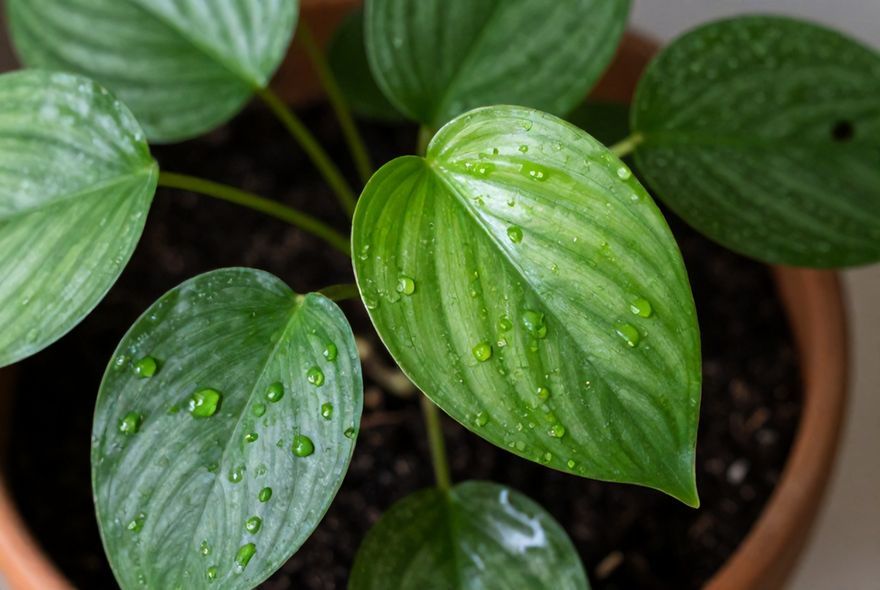
So you’ve stuck with me through these green-thumb trials and triumphs, huh? Kudos! Whether you’re a learning newbie or seasoned home gardener, you’ve now got the secret sauce to transform apartments into lush jungles. Remember, the key to nurturing your green babies lies in mastering the three sacred elements: light, water, and humidity. Understand your plant’s sunlight needs and match them with your apartment’s best sun-struck spots for growing those lush leaves. Hydration isn’t just about dumping a gallon of water weekly; it’s an artful dance of timing and observation. And of course, the atmospheric ambiance is everything—create that jungle-feel with the right humidity.
Now, don’t leave your plants hanging—quite literally! Share your growth stories or struggles on Facebook, seek inspiration or share photos on Instagram, and for more ideas, explore our Pinterest. Ready to become a plant whisperer in your cozy abode? Then dig in, experiment, and let your indoor jungle flourish with these newfound hacks!





Leave a Reply