

Ever jumped on a bandwagon only to find it’s heading straight to Nowheresville? In our latest dive, ‘How To Spot Fake Trends Before They Crash And Burn,’ we shine a spotlight on the red flags that mark those seemingly hot trends that fizzle out faster than you can say “flash-in-the-pan.” Whether you’re a marketer, influencer, or just trend-savvy, knowing how to identify trends that won’t age well is crucial. Luckily, we’re about to arm you with insights from a wealth of sources. Ready to save your time, money, and sanity? Let’s jump in!

Key Takeaways
- Spotting a fake trend is like finding a ghost in daylight—almost impossible but not with the right tricks.
- Learn to dodge those flash-in-the-pan moments that vanish faster than free donuts at the office.
- Invest your time and money in cultural shifts that last longer than a TikTok video.
- Heads up: those ‘hot trends’ might be cooler than a polar bear’s toenails next week.
- Seeking credibility? Avoid fake trends like your ex’s latest Facebook status update.
- Be the trendsetter, not the bandwagon chaser—know the difference!
- Hone your sixth sense for spotting the real from the faux in today’s fast-paced trend world.
Why Spotting Fake Trends Actually Matters More Than You Think
Look, we’ve all been there. You see something exploding on social media, and it feels like the whole world’s obsessed. But here’s the thing—not every trend that’s trending is actually worth your time, energy, or money. Spotting fake trends before they crash and burn is basically like having a crystal ball for your personal brand, your business, or just your credibility in general. The difference between chasing a genuine cultural shift versus a flash-in-the-pan moment can literally make or break your reputation. You know that sinking feeling when you realize you invested in something that’s already dead? Yeah, we’re here to help you avoid that entirely. Understanding how to identify trends that won’t age well is becoming increasingly crucial in our hyper-connected world.
- Timing is Everything: Genuine trends build momentum gradually, while fake ones spike suddenly and fizzle just as fast. Real cultural shifts have staying power—they evolve and adapt rather than disappear overnight.
- The Depth Test: Ask yourself: does this trend have substance beyond the surface? Legitimate trends solve problems, answer needs, or reflect deeper societal values. Fake trends are often just aesthetic fluff with no real utility.
- Diversity of Adoption: When you see a trend spreading across different age groups, industries, and geographic regions, that’s a green light. Fake trends tend to stay in their original bubble—they’re usually limited to one demographic or online community.
- The Expert Validation Factor: Real trends get picked up by industry leaders, researchers, and established media outlets because there’s actual substance to discuss. If only TikTok is talking about it, it might not be the real deal.
- Your Gut Instinct Matters: If something feels forced or inauthentic, it probably is. Trust that little voice in your head that says, “This doesn’t feel right.” Your instincts are often picking up on signals your conscious mind hasn’t fully processed yet.
The Velocity Test: How Fast Is It Really Growing?
One of the easiest ways to spot trends that won’t age well is to pay attention to their growth trajectory. You see, there’s a massive difference between organic growth and viral explosions. We’re talking about the difference between a garden growing steadily and a firework bursting in the sky. Understanding velocity—basically, how quickly something’s spreading—is your secret weapon for identifying which trends are genuine and which are just noise.
- Organic Growth Patterns: Real trends tend to grow in waves. They start small, gain traction, plateau, evolve, and sometimes resurface in new forms. If something jumps from zero to viral in 48 hours with no logical explanation, that’s usually a red flag. Genuine cultural shifts have a narrative—they build for a reason.
- The Saturation Speed Test: When a trend becomes completely saturated across all platforms within days, it’s often a sign it’s peaking too fast. Trends that won’t age well typically hit their maximum visibility almost immediately, leaving nowhere to go but down. Real trends have room to grow and adapt.
- Algorithmic Manipulation Indicators: Pay attention to whether the trend seems artificially boosted. Are you seeing it pushed by bots? Does it feel like every post is sponsored? Authentic trends spread because people genuinely want to share them, not because algorithms are forcing them into your feed.
- The Repetition Factor: Legitimate trends have variations and iterations. People remix them, adapt them, put their own spin on them. Fake trends? Everyone’s doing the exact same thing, in the exact same way, with no evolution. That lack of creativity is a huge warning sign.
- Cross-Platform Migration: When something starts on one platform and naturally spreads to others, that’s usually legit. If it stays confined to TikTok while Instagram, Twitter, and Reddit largely ignore it, chances are it’s not going to have lasting power in the broader culture.
The Authenticity Check: Does This Feel Real or Manufactured?
Okay, so here’s where we get into the psychological stuff. One of the best ways to identify fake trends is to trust your gut about authenticity. You know that feeling when something seems too polished, too perfect, too manufactured? That’s usually your instincts picking up on something real. Fake trends often feel forced because, well, they usually are. Someone’s trying to make something happen rather than letting it happen naturally.
- The Origin Story Matters: Ask yourself: where did this trend actually come from? Can you trace it back to a genuine need, a cultural moment, or an authentic creator? Or did it just appear out of nowhere with a bunch of celebrity endorsements attached? Real trends have traceable origins that make sense. Fake ones often feel like they were created in a marketing meeting.
- User-Generated Content vs. Brand Push: When regular people are creating content around something because they genuinely love it, that’s real. When you’re seeing a ton of polished, professional content from brands and influencers without much organic user participation, that’s manufactured. Authentic trends are driven by actual humans, not marketing budgets.
- The “Why” Factor: Genuine trends exist because they fulfill something—they’re funny, useful, relatable, or they comment on something happening in society. Fake trends often don’t have a real “why.” People are participating because everyone else is, not because the trend actually means something to them.
- Community Vibes: In real trending communities, there’s genuine enthusiasm and discussion. People debate, discuss, and develop the trend. In fake trend communities, it’s often just people copy-pasting the same thing over and over. There’s no conversation—just replication.
- The Cringe Factor: If something makes you cringe, especially if it feels like it’s trying way too hard, that’s usually a signal that it’s not authentic. Real trends develop naturally and organically feel good to participate in. Forced trends often feel awkward and uncomfortable.
Following the Money: Who’s Profiting and Why?
Money doesn’t lie, my friend. One of the most reliable ways to spot trends that won’t age well is to follow the financial incentives. If someone’s making a ton of money pushing a trend, and that’s the only reason it exists, it’s probably not going to last. Real trends might generate revenue, but that’s usually a side effect, not the main driver. Let’s break down how to read the financial tea leaves.
- The Influencer Paycheck Pattern: If a trend suddenly explodes right after influencers start getting paid to promote it, that’s a manufactured trend. Real trends catch influencers off guard—they weren’t planning for something to blow up; it just did. When you see coordinated influencer pushes, that’s usually a sign of an artificial trend with a limited shelf life.
- Product Tie-Ins and Commercialization Speed: Real trends develop before they get commercialized. Fake ones are commercialized immediately. If you’re seeing products and merchandise appearing within days of a trend starting, someone’s trying to cash in quick before it crashes. That urgency is a red flag.
- The Investment Angle: Some trends are literally created by venture capitalists or companies trying to make something happen. If you can trace the trend back to a company or investor pushing it, question whether it’s actually authentic or just a manufactured wave they’re hoping will catch on.
- Sustainability of Revenue: Ask yourself: can this trend generate revenue long-term, or is it a one-time cash grab? Real trends either solve problems or address needs that stick around. If the only way to make money is by selling merchandise or riding the hype train while it lasts, that trend’s days are numbered.
- The Early Adopter Advantage: People who get in early on real trends often benefit because the trend has room to grow. People who get in early on fake trends usually get stuck holding the bag when it collapses. If you’re seeing people rushing to monetize immediately, that’s often a sign they know the trend won’t last long.
The Demographic Reality Check: Who’s Actually Participating?
Here’s something a lot of people miss: real trends cross demographic boundaries. They appeal to different age groups, cultures, socioeconomic backgrounds, and geographic locations. Fake trends, on the other hand, tend to stay within very specific bubbles. You can spot trends that won’t age well by looking at who’s actually participating and whether it’s a narrow slice of the population or a broader cultural moment.
- Age Group Diversity: If a trend is only popular with Gen Z or only with millennials or only with a specific age group, it’s probably not going to have lasting cultural impact. Real trends manage to appeal across generational lines, even if different generations engage with them differently. That cross-generational appeal is a huge indicator of longevity.
- Geographic Spread: Trends that matter globally develop beyond a single country or region. If something’s huge in the US but completely unknown in Europe, Asia, or other markets, it probably doesn’t have the staying power you’d think. Real cultural shifts are usually global or at least multi-regional.
- Socioeconomic Accessibility: Can anyone participate in this trend, or do you need money? Real trends are usually accessible to most people. Fake trends often require financial investment—expensive products, paid content, or exclusive access. If participation is gatekept by price, it’s probably not going to have mass appeal or longevity.
- Cultural Sensitivity and Context: Real trends often emerge from and reflect authentic cultural moments. They’re usually respectful or at least earned their criticism through genuine engagement. Fake trends sometimes appropriate culture, dismiss legitimate concerns, or ignore context entirely. That’s usually a sign they won’t age well because they lack the substance that real cultural moments provide.
- Niche vs. Mainstream Acceptance: Some trends stay niche and that’s totally fine—not everything needs to be mainstream. But if something’s being pushed as a massive cultural moment when it’s really just popular in one niche community, that’s deceptive marketing. Real trends either stay appropriately niche or expand naturally to mainstream audiences.
The Staying Power Indicators: Will This Actually Last?
So you’ve done your checks and you’re thinking, “Okay, but how do I know if this will actually stick around?” That’s the real question, isn’t it? Spotting trends that won’t age well means understanding what separates something with genuine staying power from something that’s just riding a temporary wave. There are specific indicators that tell you whether a trend has real legs or if it’s about to collapse.
- Evolution and Adaptation: Real trends evolve. They change form, develop new variations, and get remixed by the community. If a trend is static—everyone doing the exact same thing in the exact same way—it’s probably going to get boring fast. Trends with staying power have built-in flexibility that allows them to stay fresh and interesting over time.
- Relevance to Ongoing Needs or Values: The most durable trends address something that’s not going away anytime soon. Sustainability consciousness, mental health awareness, financial literacy—these trends have staying power because the underlying needs are persistent. Trends based on temporary situations or one-off moments tend to disappear when the moment passes.
- Community and Culture Development: When a trend develops its own community, language, and culture, that’s a sign of depth. Real trends create spaces where people connect, share, and build relationships around the trend. Fake trends don’t typically inspire that kind of community building—they’re just a quick participation moment.
- Media and Institutional Support: Real trends eventually get coverage from established media, academic interest, and institutional recognition. When serious outlets start analyzing something, that’s usually a sign it’s not just a flash in the pan. If only social media is talking about it months in, it might not have the broader cultural significance you’d think.
- The Remix Test: Can this trend be remixed, parodied, and played with while staying recognizable? Real trends are robust enough to handle parody and variation. Fake trends often collapse under that kind of scrutiny because they don’t have deep enough roots to support different interpretations.
Red Flags to Watch Out For: The Warning Signs Everyone Misses
Alright, let’s talk about the specific red flags that scream “this trend is about to crash and burn.” You know, the warning signs that most people miss because they’re too busy jumping on the bandwagon. When you’re learning how to identify trends that won’t age well, these are the things you need to keep your eyes peeled for. They’re like little alarm bells that something’s off.
- Excessive Negativity or Controversy as the Main Appeal: If the primary reason people are engaging with a trend is to mock it, attack it, or argue about it, that’s not sustainable engagement. Real trends might be controversial, but there’s usually positive engagement alongside the critique. When a trend’s main energy is negative, it burns out fast because negativity is exhausting to maintain.
- Oversaturation in a Short Time Frame: When you can’t scroll for more than three posts without seeing the same trend, you’re probably watching something peak. Oversaturation usually signals that the trend has already reached its maximum penetration and can only decline from there. Real trends manage to stay interesting even when they’re everywhere.
- Lack of Accessibility or Clear Instructions: If people constantly have to ask “how do I participate in this?” or if the trend is so convoluted that you need a tutorial, it’s probably not going to have mass appeal or longevity. Real trends are usually simple enough that people intuitively understand how to participate but complex enough to stay interesting.
- Celebrity Attachment Without Organic Origin: When celebrities suddenly start promoting something that had zero organic growth beforehand, that’s usually a manufactured moment. Real trends often catch celebrities by surprise. When you see coordinated celebrity promotion, you’re usually watching a marketing campaign, not a genuine cultural moment.
- The Cringe Evolution Problem: Some trends start out feeling fresh and cool but very quickly become cringey as more people participate. That rapid cringe-ification is usually a sign that the trend doesn’t have deep enough roots to handle mainstream adoption. Real trends manage to stay relevant even as they become more mainstream.
Building Your Trend-Spotting Instincts: Practical Tools and Strategies
Okay, so you’ve learned what to look for, but how do you actually develop the skill of spotting fake trends before they crash? Like any skill, it takes practice and intentional observation. The good news is that once you develop these instincts, you’ll start seeing through manufactured trends almost automatically. Let’s talk about practical strategies for training your trend-spotting abilities and building a framework for evaluating trends as they emerge.
- Keep a Trend Journal: Start tracking trends you encounter. Note when they started, who’s participating, what they’re about, and your initial reaction. Then check back in a few weeks and see what happened. Over time, you’ll start seeing patterns in which trends actually lasted and which ones died. This real-world data is way more valuable than any article you’ll read about spotting fake trends.
- Study Trend Lifecycles: Every trend has a lifecycle: emergence, growth, peak, decline, and sometimes resurrection. Understanding where a trend is in its lifecycle helps you predict whether it’s going to continue growing or if it’s about to crash. Early emergence trends have more upside; declining trends are probably not worth chasing.
- Diversify Your Information Sources: Don’t just look at TikTok or Twitter. Check Reddit, niche forums, academic discussions, and traditional media. Real trends show up across multiple sources. Fake trends usually stay confined to where they were originally pushed. If you’re only seeing something in one place, it might not be as significant as it seems.
- Ask Questions Before Jumping In: Before you invest time, money, or credibility in a trend, ask yourself these questions: Why does this exist? Who benefits from this? Can I see this being relevant in six months? Is this aligned with my actual values or am I just following the crowd? Taking time to think critically before participating saves you from a lot of embarrassment later.
- Look for the Underlying Values: Real trends usually reflect deeper cultural values or address real needs. Fake trends are often just aesthetic or novelty-based. When you evaluate a trend, dig down to the underlying values it represents. If those values are shallow or manufactured, the trend probably won’t last.
The Long Game: How to Invest in Trends Wisely
Here’s the thing about trends that won’t age well—sometimes you might want to engage with them anyway, but you need to do it strategically. Not every trend needs to be ignored completely; the key is understanding which ones are worth your investment and how much of that investment to make. Let’s talk about the smart way to engage with trends, even the questionable ones, without getting burned.
- Differentiate Between Participation Levels: You can engage with a trend at different levels. You can passively watch it, participate minimally, create content around it, or make it a core part of your brand. Fake trends might be worth watching or participating in casually, but they’re definitely not worth making a core part of your identity or business. Know the difference between a fun, low-risk engagement and a serious investment.
- The Portfolio Approach: Think of trends like an investment portfolio. You might have some safe, long-term trends that you’re deeply invested in, some medium-term trends you’re moderately involved with, and some short-term, high-risk trends you’re experimenting with. Spreading your attention and energy across different types of trends reduces your risk if one crashes.
- Create Evergreen Content Around Trending Moments: Instead of creating content that only makes sense while the trend is hot, create content that uses the trend as a jumping-off point for something more lasting. This way, if the trend dies, your content still has value. That’s the smart way to leverage trends without being completely dependent on their longevity.
- Plan Your Exit Strategy: Before you jump into a trend, know how and when you’ll get out. What’s your timeline? What would signal that it’s time to move on? Having an exit strategy prevents you from being the last person holding onto a dead trend, looking ridiculous while everyone else has already moved on.
- Build Authority Beyond Trends: The safest way to engage with trends is to have established authority or credibility that exists independently of any single trend. When you have that foundation, you can experiment with trends without risking your entire reputation. It’s the difference between being a trend-chaser and someone who occasionally participates in trends because you have the confidence and credibility to do so.
Real-World Examples: Learning From Trends That Did and Didn’t Last
Let’s get practical and look at some actual examples of trends that had real staying power versus those that crashed and burned. Understanding why certain trends lasted while others fizzled out is one of the best ways to train your instincts for spotting fake trends. When you analyze real examples, you start seeing the patterns that separate genuine cultural moments from manufactured moments. For more comprehensive insights on identifying trends that actually stand the test, you might want to check out this resource on hacks for identifying trends that actually stand the test.
- The Staying Power Winners: Think about trends like minimalism, sustainability consciousness, mental health awareness, or the rise of remote work. These trends lasted because they addressed real needs and reflected genuine shifts in how people think about their lives. They evolved, spawned sub-trends, and integrated into mainstream culture in a natural way. People didn’t just participate because everyone else was—they participated because these trends genuinely mattered to them.
- The Quick Crashes: Then there are trends like specific dance challenges that were everywhere for two weeks and then completely disappeared, or meme formats that were oversaturated so fast they became stale almost immediately. These died because they had no substance beyond the novelty. Once the novelty wore off, there was nothing left to engage with. There was no evolution, no deeper meaning, just repetition until everyone got bored.
- The Unexpected Revivals: Some trends that seemed dead actually came back in new forms. Vintage fashion, analog photography, and certain internet cultures have made comebacks because they had genuine appeal that transcended their original moment. This teaches us that trends with real substance can be revived, while trends that were purely novelty-based stay dead.
- The Corporate Failures: Remember when companies tried to make things viral? Most of those campaigns failed spectacularly. It’s because you can’t manufacture authenticity. The trends that succeeded organically, then got picked up by corporations, did fine. But the trends that started as corporate campaigns usually felt forced and inauthentic from day one.
- The Cultural Shift Indicators: Real trends like body positivity, diversity in media, or financial independence movements lasted because they represented genuine shifts in cultural values. People cared about these things because they affected their actual lives. Compare that to purely aesthetic trends that were just about looking cool, and you can see why one group lasted and the other didn’t.
Your Action Plan: Starting Your Trend-Spotting Journey Today
Alright, so you’ve got all this knowledge about spotting fake trends before they crash and burn. But knowledge without action is just information. Let’s talk about how to actually implement this stuff in your daily life, whether you’re managing a business, building a personal brand, or just trying to make smart decisions about what to engage with. Here’s your practical action plan for becoming someone who spots trends that won’t age well and makes informed decisions about which ones to chase.
- Start Auditing Your Current Engagements: Look at the trends you’re currently involved with or following. Apply the filters we’ve discussed: Are they showing signs of genuine staying power? Who’s profiting from them? Do they feel authentic? Be honest with yourself about which ones might crash soon, and start planning your exit from those. This is your baseline assessment.
- Develop Your Personal Trend Radar: Create a system for monitoring emerging trends. This might be following specific newsletters, checking different platforms regularly, or just paying attention to what’s coming up in conversations. The key is being intentional about trend-spotting rather than just passively consuming content.
- Test Your Predictions: Make predictions about which trends will last and which will crash, then track them. Over time, you’ll refine your instincts and get better at making accurate calls. This isn’t about being right all the time—it’s about developing better intuition through repeated practice and feedback.
- Share Your Insights: Once you get good at spotting trends, share what you’re learning with others. This does two things: it solidifies your own understanding and it establishes you as someone with good instincts. People value those who can help them navigate the trend landscape without wasting time and resources.
- Stay Humble and Adaptable: Remember that trend-spotting isn’t a perfect science. Things change, contexts shift, and surprises happen. Stay open to being wrong, stay curious about why trends evolve the way they do, and keep refining your approach. The best trend-spotters are the ones who are always learning and adjusting their frameworks.
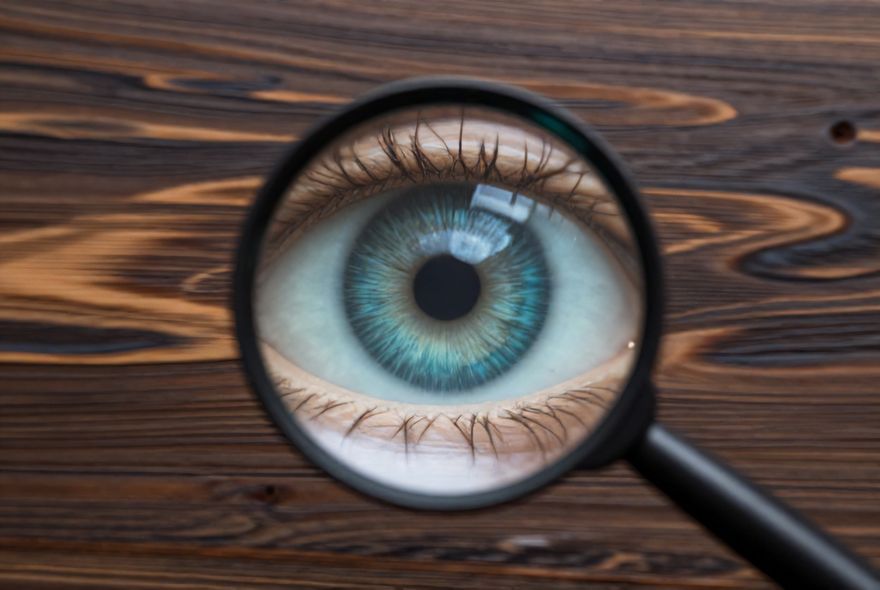
Spotting fake trends before they crash and burn is an invaluable skill in today’s fast-paced world. Remember, genuine cultural shifts have depth and staying power, born from authentic human needs and societal changes, rather than mere viral moments or the latest influencer craze. Throughout this exploration, we’ve delved into identifying red flags that signal which trends are more glitter than gold. By scrutinizing a trend’s origin, checking its foundational support — like actual data and community backing — and evaluating its potential beyond the present hype, you ensure you’re not wasting resources chasing temporary flares. Ultimately, separating those true shifts from the fakes means investing your time, energy, and reputation in what genuinely moves the needle.
So, you’ve journeyed through the ins and outs of spotting plastic flash-in-the-pan moments. Next up? Let’s put that keen sense of discernment to work. Connect with us on Facebook, follow our trend talks on Instagram, or join our growing community discussion on LinkedIn. Let’s keep shattering that mirage of fleeting trends together! Because together, we’ve got the blueprint to dodge those trendy pitfalls, and who knows, maybe even embrace the next big cultural wave instead!





Leave a Reply