
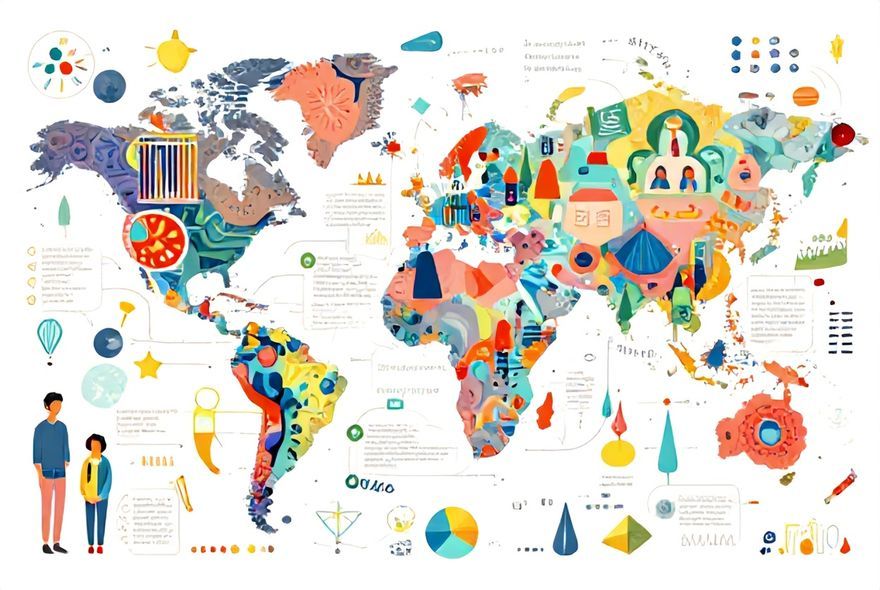
Ever wondered why some trends take center stage while others fade faster than your love for kale salad? In our deep dive, Here’s How Demographics Predict Which Trends Will Truly Stick Around, we’ll unravel the mystery of trend longevity. We’ll explore how age, income, and values are the secret sauce behind trend adoption rates. You might just become a trend-predicting wizard after reading this! Ready to skip the one-hit wonders and zero in on lasting success? Buckle up as we journey through stats and stories to separate lasting treasures from trendy trash!
Key Takeaways
- Spot demographic clues to identify trends with real staying power.
- Age influences trend adoption—think TikTok versus vinyl records!
- Income is a biggie! Higher earners might latch onto tech gadgets faster.
- Core values drive trends—are you a sustainability warrior or a fast fashion fan?
- Learn which trends turn into classics and which crash like a one-hit wonder.
- Predicting trends is an art and a science—is your crystal ball ready?
- Master demographic insights to boost your trend-forecasting game.
- Not all trends fit all—find out which ones match your audience’s lifestyle.
The Demographics Game: Why Not Everyone Adopts Trends at the Same Speed
You know that moment when you see a trend explode on social media, and you think, “This is going to be everywhere forever”? Yeah, about that—it probably won’t be. Here’s the thing: trends don’t spread equally across all demographic groups. Age, income, education, and values create invisible barriers (and sometimes superhighways) for trend adoption. Understanding these demographic patterns is your secret weapon for predicting which trends will truly stick around and which ones are just one-hit wonders destined for the graveyard of forgotten memes. Let’s dive into how demographics predict trend longevity and help you separate the signal from the noise.
- Age gaps matter more than you think: Gen Z might be obsessed with a TikTok dance today, but will it resonate with millennials or Gen X? Probably not. Different generations have different values, spending habits, and cultural touchstones. A trend that only appeals to one age bracket is inherently limited in lifespan.
- Income determines accessibility: That luxury wellness trend? It’s never going mainstream if only the top 5% can afford it. Trends that cross income brackets—especially those that become affordable to middle-income earners—have a much better shot at sticking around long-term.
- Values are the sticky stuff: Trends rooted in deeper personal values (sustainability, authenticity, health) tend to outlast superficial aesthetic trends. When a trend aligns with what people actually care about, it transforms from a fad into a lifestyle shift.
- Geographic and cultural differences create pockets: A trend crushing it in urban centers might flop in rural areas, and vice versa. Understanding regional demographics helps predict where trends will have staying power.
- Education level influences adoption speed: Higher education typically correlates with earlier trend adoption, but also with critical thinking about trend longevity. This creates interesting patterns in how trends spread and persist across different demographic segments.
Age Demographics: Why Generational Divides Make or Break Trends
Let’s be real—a trend that’s fire for Gen Z might be absolutely cringe for Gen X, and that’s not just opinion, it’s demographic reality. Each generation grew up with different technology, economic conditions, and cultural moments. These experiences shape what trends they embrace and, more importantly, how long they stick with them. When a trend has cross-generational appeal, you’re looking at something with serious staying power. Think about athleisure—it started with younger demographics but eventually became acceptable (even expected) across all age groups, from college students to grandparents. That’s the kind of trend that doesn’t age well… because it ages gracefully.
- Gen Z (born 1997-2012) leads trend initiation but moves fast: This group is first to adopt new trends, especially on social platforms, but they also abandon them quickly when they become mainstream. However, if a trend aligns with their values around inclusivity or sustainability, it can have surprising longevity. The catch? It needs to feel authentic, not corporate.
- Millennials (born 1981-1996) are the bridge demographic: They often validate trends by adopting them in slightly modified forms. If millennials pick up a trend Gen Z started, it’s moving into the “might actually stick around” territory. They bring purchasing power and cultural influence that can extend a trend’s lifespan significantly.
- Gen X and Baby Boomers (born 1945-1980) are the ultimate gatekeepers: When these groups adopt a trend, it’s essentially confirmed as “real” and no longer just a passing fad. Their adoption signals that something has transcended generational boundaries and become part of mainstream culture. This is why skincare routines and home fitness trends have such longevity—they appeal across all age groups.
- Cross-generational appeal is the holy grail: Trends that work for multiple age groups simultaneously have exponentially longer lifespans. Look at streaming services, wireless earbuds, or plant-based foods—they appeal to everyone, just for slightly different reasons.
- Age-specific trends have built-in expiration dates: A trend that’s exclusively “for teens” or “for seniors” will naturally fade as that demographic ages out or as the trend loses novelty. The key is whether it attracts new adopters from that demographic continuously or if it’s a one-time thing.
Income Levels and Economic Accessibility: The Hidden Filter for Trend Longevity
Here’s something people don’t talk about enough: money is the ultimate trend filter. A trend might be conceptually brilliant, but if it’s only accessible to wealthy people, its lifespan is automatically capped. We’re talking about real economics here—when a trend can only be adopted by those with disposable income, it reaches a ceiling way faster than something accessible to the middle class. Think about how luxury brands tried to create exclusive trends that eventually got democratized (hello, designer handbag dupes) and suddenly exploded in popularity. That’s the power of income demographics in predicting trend longevity.
- Premium positioning limits initial reach but can extend longevity: Luxury wellness trends, high-end fashion collaborations, and exclusive experiences start with wealthy adopters. If the trend stays premium, it’ll maintain exclusivity but limited numbers. However, if it eventually becomes more affordable—think how expensive yoga used to be versus now—it can shift into a major trend that truly sticks.
- Middle-income accessibility is the sweet spot: Trends that hit the middle-income market have the broadest appeal and longest potential lifespan. This is where you see sustainability trends, home improvement, and wellness products thrive. The demographic is large enough to sustain a trend long-term, and they have the spending power to support it.
- Budget-friendly alternatives extend trend life cycles: When knockoffs and affordable versions of premium trends hit the market, that’s actually a sign the trend is moving into mainstream adoption. Fast fashion versions of luxury trends, drugstore dupes of expensive skincare—these democratized versions can actually extend a trend’s lifespan by bringing it to lower-income demographics.
- Income volatility affects trend stickiness: During economic downturns, trends that require ongoing spending become vulnerable. Trends rooted in necessities (affordable home fitness, budget-friendly meal prep solutions) survive recessions better than purely luxury trends.
- Price point changes signal trend maturity: Watch the price trajectory. If a trending product’s price drops over time as competition enters the market, that’s a sign it’s moving from fad to established product category. This is how trends transition from “trendy” to “normal.”
Values and Beliefs: The Deepest Predictor of Whether Trends Actually Stick
Okay, this is where it gets really interesting. Values are the foundation of everything. A trend that aligns with what people genuinely believe in has serious staying power. We’re not talking about shallow aesthetic choices here—we’re talking about trends rooted in sustainability, health, authenticity, or social justice. These trends don’t just come and go; they evolve and integrate into how people actually live. Understanding what demographics value most helps you predict which trends will transform into permanent lifestyle shifts versus which ones will vanish the moment something shinier comes along.
- Sustainability-focused trends have cross-demographic appeal: Environmental consciousness is one of the few values that spans age, income, and geographic boundaries. Trends like reusable products, plant-based eating, and eco-friendly fashion have proven staying power because they’re rooted in genuine values about the planet. People adopt them and stick with them because they align with their beliefs.
- Health and wellness trends stick when they’re about genuine improvement: Fitness trends that promise quick fixes (remember planking?) fade fast. But trends rooted in actual wellness—meditation, strength training, nutrition—persist because they’re tied to values around self-care and longevity. The demographic that values health will keep adopting variations of these trends for decades.
- Authenticity filters separate real trends from performative ones: Demographics that value authenticity (particularly younger generations) quickly abandon trends that feel corporate or inauthentic. But trends that feel genuine and grassroots have better longevity. Think about how “real” versus “influencer” trends spread differently across different demographic segments.
- Social justice alignment extends trend life: Trends connected to social causes have longer lifespans when they’re adopted by demographics that genuinely care about those causes. The trend becomes tied to identity and values, not just aesthetics. However, if a trend is adopted performatively (performative activism), it’ll fade when the next thing comes along.
- Personal growth and self-improvement trends are enduring: Demographics that value self-improvement consistently adopt trends around productivity, learning, and personal development. These trends might change in form (journaling evolves, meditation apps replace physical classes), but the underlying trend persists because it’s rooted in deeply held values.
Geographic and Cultural Demographics: Why Location Shapes Trend Adoption Patterns
A trend can be absolutely massive in New York City and virtually invisible in rural Montana—and that’s totally normal. Geographic demographics create distinct trend ecosystems. Urban centers tend to adopt trends faster and more experimentally, while rural areas might adopt trends later but with more staying power (since they’re being more selective about what they choose). Cultural demographics also matter hugely—what resonates with one cultural group might completely miss with another. Understanding these geographic and cultural patterns is crucial for predicting whether a trend will have true staying power or just be a big-city phenomenon.
- Urban vs. rural adoption creates different timelines: Cities are trend incubators; rural areas are trend validators. A trend that’s huge in urban centers but never crosses into rural areas is probably more fad than staying power. Conversely, trends that eventually gain traction in rural areas have proven broader appeal and longevity potential.
- Cultural values determine which trends resonate: Different cultural groups have different values, communication styles, and aesthetic preferences. A trend that resonates deeply with one cultural demographic might not land with another. Trends with cross-cultural appeal—think about how certain music genres or fashion styles transcend cultural boundaries—have much longer lifespans.
- Regional economic differences affect trend feasibility: A trend might be affordable in one region but impossible in another due to cost of living differences. This creates geographic pockets of adoption. Understanding which regions can sustain a trend helps predict its longevity in those specific markets.
- Climate and geography shape practical trend adoption: Trends need to work with the actual environment. Athleisure works everywhere, but specific fashion trends might only work in certain climates. Home organization trends vary wildly based on whether people have small urban apartments or large suburban houses. Geography isn’t just about location—it’s about practicality.
- Digital connectivity creates trend hot spots: Areas with higher internet penetration adopt digital trends faster. This is why social media trends spread unevenly across demographics—they require a certain baseline of digital access. Understanding digital divides within geographic demographics helps predict which trends will actually reach which populations.
Education Level: How Knowledge and Critical Thinking Influence Trend Adoption
Here’s something that often gets overlooked: education level significantly influences not just whether people adopt trends, but how critically they evaluate them. Higher education typically correlates with earlier trend adoption (you’re exposed to new ideas faster), but also with skepticism about trend longevity. People with higher education levels tend to ask “Is this sustainable?” and “What’s actually changing here?” before fully committing. This means educated demographics might adopt trends early but abandon them faster if they don’t hold up to scrutiny. Meanwhile, less-educated demographics might adopt trends later but stick with them longer if they find practical value. Understanding these patterns helps you predict which trends will have staying power across different education levels.
- Higher education = earlier adoption but faster abandonment: Educated demographics are exposed to trends first through media, social circles, and professional networks. They adopt quickly. However, they also scrutinize trends critically. If a trend can’t justify itself intellectually, educated demographics abandon it fast. This is why evidence-based wellness trends (backed by research) have better longevity with this group.
- Middle education demographics are the trend stabilizers: This group tends to adopt trends after early adopters but before late adopters. They bring stability to trends by adopting them in practical, sustainable ways. They’re less concerned with being first and more concerned with whether something actually works for their lives.
- Access to information shapes trend evaluation: Higher education correlates with better information access and critical media literacy. This demographic can distinguish between marketing hype and actual value. Trends that survive their scrutiny tend to be more robust and longer-lasting.
- Knowledge specialization creates niche trend communities: Educated demographics in specific fields (nutrition, fitness, technology) often adopt trends within their expertise areas earlier and more selectively. Their adoption carries credibility that influences other demographics to adopt those trends, extending their lifespan.
- Critical thinking filters out unsustainable trends: Trends claiming impossible results, unsustainable practices, or dubious science get abandoned quickly by educated demographics. Conversely, trends rooted in solid science, practical application, and sustainable practices have longer lifespans across education levels when they’re validated by educated communities.
Employment Status and Career Demographics: How Work Life Shapes Trend Choices
Your job, your career stage, and your work environment dramatically influence which trends you adopt and how long you stick with them. Someone in their first job has completely different trend needs than someone mid-career or retired. A corporate executive might adopt productivity trends that a freelancer ignores. Someone working from home has entirely different needs than someone commuting to an office. Employment demographics create distinct trend ecosystems—and predicting which trends will stick means understanding these work-life realities. A trend that works for remote workers might be totally impractical for people in traditional offices. Understanding employment demographics helps you predict trend longevity across different work contexts.
- Remote work created an entirely new trend category: The shift to remote work opened up new trends (home office furniture, productivity apps, casual video call fashion) while making other trends obsolete (commute-specific fashion, office-based social trends). Employment status directly determines which trends are relevant and sustainable.
- Career stage determines spending power and priorities: Early-career professionals prioritize different trends than mid-career or late-career workers. Someone in their first job might adopt budget-friendly trends; someone established might adopt premium versions of the same trend. Understanding career demographics helps predict which income segments will sustain a trend.
- Industry-specific trends have built-in longevity: Trends tied to specific industries (healthcare, tech, creative fields) have longer lifespans because they’re tied to professional relevance. Someone in tech will adopt tech trends longer than someone outside that field because it affects their work.
- Hustle culture versus work-life balance creates opposite trend pulls: Trends around productivity and optimization appeal to overworked demographics. Trends around rest, minimalism, and slow living appeal to burned-out demographics. Understanding which employment demographic a trend targets helps predict its longevity with that group.
- Job security influences trend risk-taking: Stable employment demographics are more willing to adopt experimental trends; precarious employment demographics stick to proven, practical trends. Economic uncertainty within employment demographics shapes which trends stick around.
Relationship and Family Status: How Life Stage Transforms Trend Adoption
Single, married, divorced, kids, no kids, empty nest—your family situation completely transforms which trends make sense for your life. A trend that’s perfect for young singles might be totally impractical for parents of three. Someone in their first marriage might adopt different trends than someone in their second. Understanding family demographics is crucial for predicting trend longevity because it reveals whether a trend appeals to one specific life stage or whether it has cross-life-stage appeal. Trends that work for multiple family situations have exponentially longer lifespans. Think about how parenting trends, relationship advice trends, and home trends all vary wildly based on family structure. Understanding these demographics helps you predict which trends will actually stick around through life changes.
- Parenting demographics drive massive trend adoption: Parents represent a huge demographic cohort with specific needs. Parenting trends, family-friendly products, and kid-focused innovations have built-in longevity because parents are consistently looking for solutions. However, trends are often cyclical based on kid ages—toddler trends differ from teen trends.
- Single life trends are different from couple trends: Single demographics adopt individual-focused trends (self-care, solo travel, personal development). Couple demographics adopt relationship-focused trends. When a trend appeals to both singles and couples, it has broader demographic reach and longer potential lifespan.
- Empty nesters are an underestimated demographic: This group suddenly has freedom, disposable income, and time. Trends around travel, self-care, and second careers explode with this demographic. Their adoption can extend a trend’s lifespan by bringing a new demographic cohort into it.
- Blended families create new trend categories: Modern family structures (blended families, co-parenting, multi-generational households) create demand for trends that didn’t exist before. Understanding these modern family demographics helps predict emerging trends and their longevity.
- Life stage transitions create trend momentum shifts: Major life events (marriage, parenthood, retirement, empty nest) cause demographic shifts in which trends people adopt. A trend that survives multiple life stage transitions has proven its staying power across different life circumstances.
Putting It All Together: Using Demographics to Predict Trends That Won’t Age Well
Okay, so you’ve got all these demographic factors—age, income, values, location, education, employment, family status. How do you actually use them to predict which trends will stick around and which are destined for the graveyard? Here’s the real talk: trends with the longest lifespans appeal across multiple demographic categories. The more demographic boxes a trend checks, the longer it’ll stick around. A trend that appeals to multiple age groups, income levels, geographic areas, and values has way more staying power than one that only resonates with a narrow demographic slice. When you’re evaluating a trend, ask yourself: Who’s adopting this? Which demographics are missing? Does it appeal across income levels? Is it rooted in values or just aesthetics? Does it work in different geographic contexts? The answers to these questions will tell you whether you’re looking at a flash-in-the-pan fad or a real trend that’ll stick around. Check out more strategies for identifying trends that actually stand the test of time for deeper analysis on trend longevity.
- Multi-demographic appeal = longer lifespan: Trends that appeal to Gen Z and millennials have broader reach than trends for just one generation. Trends that work for multiple income levels have more staying power. Trends with cross-cultural appeal transcend geographic boundaries. The broader the demographic appeal, the longer the trend survives.
- Values-based trends outlast aesthetic trends: When you’re evaluating a trend, ask whether it’s rooted in something people genuinely care about or just how it looks. Sustainability trends, health trends, authenticity trends—these have longer lifespans because they’re tied to values. Purely aesthetic trends (specific colors, exact silhouettes, specific hairstyles) age faster because they’re not rooted in anything deeper.
- Practical application extends trend life: Trends that solve actual problems or fill real needs have longer lifespans than trends that are purely decorative. A productivity trend that actually helps people manage their time will stick longer than a productivity aesthetic that looks nice but doesn’t change behavior.
- Watch for trend evolution, not just adoption: Trends that evolve and adapt across different demographics and contexts have longer lifespans than rigid trends. Minimalism started as aesthetic but evolved into a lifestyle philosophy—that evolution extended its lifespan. Fitness trends evolve from gym-focused to home-based to hybrid approaches.
- Cross-demographic validation signals staying power: When a trend starts in one demographic but gets adopted by unexpected demographics, that’s a sign it has real staying power. Watch which demographics validate and adopt a trend—if it crosses demographic boundaries, it’s probably going to stick around longer than expected.
Red Flags: Demographics That Signal a Trend Is Just a Passing Fad
Just as much as it’s useful to know which demographics signal a trend will stick around, it’s equally important to spot the red flags that scream “this trend is about to die.” When a trend is only popular with one narrow demographic, when it’s rooted purely in aesthetics, when it requires unsustainable behavior or spending, when it lacks cross-demographic validation—these are all signs you’re looking at a fad, not a lasting trend. Being able to identify these red flags helps you avoid investing time, money, or content creation energy into trends that won’t stick around. You know that feeling when you jump on a trend and it dies three weeks later? Understanding demographic red flags helps you avoid that embarrassing situation.
- Single-demographic trends have built-in expiration dates: If a trend only appeals to one age group, one income bracket, or one geographic area, it’s naturally limited. As that demographic moves on or ages out, the trend dies. Trends that lack cross-demographic appeal are inherently more fragile.
- Trends requiring unsustainable behavior don’t last: Trends that require you to spend money you don’t have, change your values to fit in, or engage in behaviors you can’t maintain long-term are destined to fade. Watch for trends that require ongoing extreme behavior—they’re unsustainable for most demographics.
- Trends that conflict with core values get abandoned: When a trend conflicts with a demographic’s core values (sustainability, authenticity, health, family), adoption drops fast. A trend that requires people to compromise their values might get initial attention but won’t have staying power.
- Trends dependent on specific technology can become obsolete: Trends tied to specific apps, platforms, or technology that might disappear have built-in vulnerability. Remember when Vine shut down? All those trends died immediately. Trends with longevity aren’t entirely dependent on a single platform.
- Trends that feel forced or corporate get rejected quickly: When brands try to co-opt grassroots trends in obvious ways, or when trends feel manufactured rather than organic, demographics that value authenticity reject them immediately. Forced trends lack the organic growth patterns that predict longevity.
The Real Impact: How Understanding Demographics Changes Your Trend Game
Here’s why all this matters: understanding demographics and how they predict trend longevity isn’t just academic—it’s practical. If you’re a marketer trying to figure out which trends to capitalize on, knowing demographics tells you whether a trend is worth your investment. If you’re a content creator trying to stay relevant without looking desperate, understanding demographics helps you pick trends that will still be relevant in six months. If you’re a business owner trying to anticipate what your customers will want, demographic analysis tells you which trends are temporary blips and which will actually influence buying behavior long-term. The demographic lens transforms trend prediction from guessing to strategic analysis. You’re no longer just asking “Is this trending?” You’re asking “Which demographics are adopting this? Will it cross demographic boundaries? Is it rooted in values or just aesthetics? Will it still be relevant in different life circumstances?” Those questions give you the real answers about trend longevity.
- Marketing efficiency improves with demographic focus: Instead of chasing every trend, you can focus on trends that appeal to your target demographic and have staying power. This saves marketing budget and improves ROI because you’re not creating content around trends that’ll be irrelevant in two weeks.
- Content creators can build authentic audiences by choosing sustainable trends: When creators focus on trends with demographic staying power rather than flash-in-the-pan fads, they build audiences around genuine interests rather than one-off viral moments. This creates more sustainable content careers.
- Businesses can innovate based on demographic trends: Understanding which demographic trends have staying power helps businesses develop products and services that will actually sell long-term, not just capitalize on temporary hype. This is how trends become established product categories.
- Personal relevance improves when you understand your own demographics: Knowing which demographic categories you fall into helps you predict which trends will actually stick in your own life. You can adopt trends that align with your values, income level, and life stage, rather than feeling pressured to adopt trends that don’t fit your reality.
- Trend prediction becomes a skill, not luck: Instead of hoping you pick the right trends, understanding demographics gives you a framework for evaluating trends systematically. You’re no longer guessing—you’re analyzing. And that analysis skill applies to every new trend that emerges.

As we wrap things up on how demographics predict trends with staying power, it’s clear that understanding the roles of age, income, and values is crucial. We’ve uncovered that age can influence which trends resonate and endure, as younger generations often drive what’s new and exciting, while older demographics might lean towards timeless classics. Income levels also play a pivotal role; individuals with higher financial freedom can afford to splurge on novel trends, potentially steering market focus. And let’s not underestimate the power of values—what people hold dear dictates which trends become ingrained in their lifestyle. By decoding these demographic perspectives, you stand a better chance of predicting trends that won’t age well versus those that are mere flashes in the pan. Essentially, it’s about reading the crowd like a well-loved book!
Speaking of books, if you’re ready to become the trend whisperer of your circle and keep your finger on the pulse of what’s here to stay versus what’s just passing through, don’t be a stranger! Stay connected and get more insights by following us on Facebook, catching the latest buzz on Instagram, and diving into in-depth discussions with industry experts. Remember, winning in the trend game is all about knowing what sticks when it matters. Go forth and predict like a pro!





Leave a Reply