
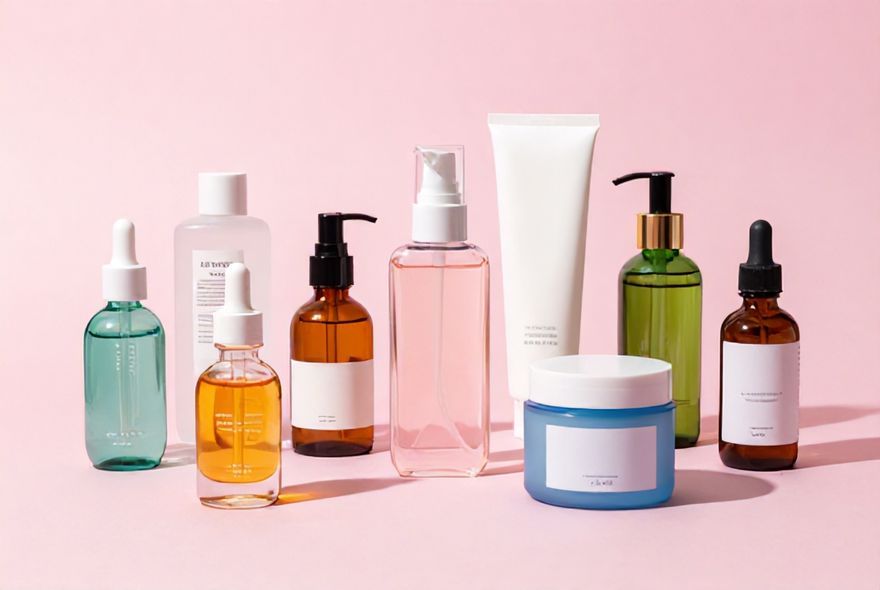
Ever flipped over a beauty product, squinted at the tiny text, and thought, “What on earth is sodium what-now?” You’re not alone. In “How To Decode Beauty Product Labels Like A Skincare Pro,” we’re diving into the secret language of skincare labels. Worried about falling for marketing fluff instead of real science? Fear not! We’ve got the insights—like a super sleuth with superior skin knowledge—to help you identify what truly works. So, wave goodbye to guesswork and hello to skin that gleams with confidence. Ready to unravel the mystery? Let’s dig in deeper!
Key Takeaways
- Decode those daunting ingredient lists with ease and confidence.
- Learn the difference between marketing fluff and real skincare science.
- Spot the ingredients that actually save your skin—a dermatologist’s trick or two is included!
- Find out which long-named chemicals you should run from and which ones are your skin’s best friends.
- Quit playing detective with your beauty products—read labels like a pro instead.
- Ever wondered what ‘hypoallergenic’ really means? Let’s debunk some common label lingo.
- Your skin is unique, so tailor your label-decoding skills for personalized skincare success.
- Get the inside scoop on how to choose products that truly work without falling for marketing gimmicks.
Why Beauty Product Labels Matter More Than You Think
You know that moment when you’re standing in the skincare aisle, squinting at a bottle like it’s written in ancient hieroglyphics? Yeah, we’ve all been there. The truth is, learning how to decode beauty product labels is one of the most underrated skills in skincare. Most people slap on whatever’s prettily packaged or hyped on social media, but here’s the thing—the real magic happens when you actually understand what’s going into your skin. Think of label reading as your secret superpower. Once you crack the code, you’ll spot marketing fluff from a mile away and identify genuinely effective skincare ingredients that’ll actually transform your complexion. It’s not rocket science, but it does require a little detective work. Let’s break down the mysteries lurking on those tiny print bottles.
- Ingredient Order Tells the Real Story: The FDA requires manufacturers to list ingredients in descending order by weight. So if a product claims to be packed with vitamin C but it’s listed after water and five other ingredients, you’re getting a tiny dose. Real skincare pros always check what’s actually concentrated in the formula.
- The “Active” vs. “Inactive” Distinction: Beauty products split ingredients into these two categories, and understanding the difference changes everything. Active ingredients are the heavy lifters—retinol, niacinamide, hyaluronic acid—doing the actual work on your skin. Inactive ingredients are preservatives, emulsifiers, and stabilizers that keep the product from spoiling. Both matter, but actives are where the transformation happens.
- Percentage Matters in Skincare Science: A product might list “retinol” as an ingredient, but without knowing the percentage, you’re flying blind. Professional-grade skincare typically includes percentages on labels because that’s what dermatologists care about. A 0.5% retinol formula hits differently than 0.03%, and reading labels like a pro means you’ll know exactly what you’re getting.
- INCI Nomenclature Is Your Friend: Those scientific names? They’re actually standardized under the International Nomenclature of Cosmetic Ingredients system. Learning a few common INCI names helps you recognize ingredients across brands and compare products apples-to-apples. It sounds fancy, but it’s genuinely empowering once you get the hang of it.
- Hidden Percentages and Trade Secrets: Companies can legally hide the exact percentages of some ingredients if they’re considered trade secrets. This is frustrating, we know. But savvy label readers look for clues—if an ingredient is listed in the top three, you’re getting a meaningful amount. If it’s buried toward the end, it’s basically decorative.
Decoding the Ingredient List: What You’re Actually Reading
Okay, so you’ve got a bottle in your hand and you’re ready to become a skincare detective. The ingredient list is where the real information lives, and here’s where most people get confused. It’s not just a random jumble of fancy words—there’s actually a logic to it. Understanding how to read a beauty product label means recognizing patterns, spotting red flags, and identifying powerhouse actives. The ingredient list is like the nutrition label on your cereal box, except it’s telling you what’s feeding your skin. Let’s get into the nitty-gritty of what each part of that list actually means and how dermatologists approach decoding beauty product labels.
- Water (or Aqua) Is Usually the Base: Almost every beauty product starts with water—it’s typically the largest ingredient by volume. When you see “aqua” at the top, that’s your product’s foundation. Everything else is suspended in it. Understanding this helps you realize that a lot of what you’re buying is literally water, which is why concentration of actives becomes so critical.
- Surfactants and Emulsifiers Keep Things Mixed: You’ll spot names like cetyl alcohol, cetearyl alcohol, or glyceryl stearate in most formulas. These aren’t the bad alcohols that dry out skin—they’re actually helping dissolve oil and water together so the product doesn’t separate. Reading labels like a pro means recognizing these as necessary, not scary.
- Preservatives Prevent the Icky Stuff: Methylisothiazolinone, phenoxyethanol, or parabens show up because without them, your moisturizer would grow mold. Yes, really. These ingredients keep your skincare safe to use. When you decode beauty product labels properly, you’ll see preservatives and understand they’re protecting you, not poisoning you—despite what fear-mongering marketing might suggest.
- Humectants Draw Water Into Skin: Look for glycerin, propylene glycol, or butylene glycol on the list. These ingredients are hydration heroes—they pull moisture from the air and bind it to your skin. They’re often listed early because they’re present in meaningful concentrations, and they’re genuinely one of the best things you can get in any skincare formula.
- Thickeners and Stabilizers Create Texture: Xanthan gum, carbomer, or cellulose derivatives control how your product feels on skin. They’re not active ingredients, but they determine whether you’re getting a gel, cream, or serum. Savvy label readers know these ingredients aren’t fluff—they’re engineering the experience and sometimes even enhancing absorption of actives.
Spotting Marketing Fluff vs. Real Skincare Science
Here’s where things get spicy. The beauty industry loves throwing around buzzwords that sound amazing but don’t actually mean much. “Natural,” “clinical-grade,” “dermatologist-tested”—these terms are basically meaningless without actual scientific backing. When you learn to read labels like a dermatologist, you become immune to this marketing nonsense. The difference between a product with real skin-saving science and one that’s all hype often comes down to what’s actually listed in that ingredient deck. Let’s talk about how to spot the real deal versus the glossy lies.
- “Natural” Doesn’t Mean Better (or Safer): Poison ivy is natural. So is arsenic. The beauty industry uses “natural” as a marketing goldmine, but it has zero regulatory meaning. When you decode beauty product labels, you’ll realize that synthetic ingredients are often more stable, effective, and actually safer than their natural counterparts. Don’t let the green leaf logo fool you.
- Clinical Trials and Studies Matter: Real skincare companies reference actual studies backing their claims. If a label or marketing material says “proven in clinical trials,” that’s a checkmark. But here’s the pro move—those studies should be independent, peer-reviewed, and ideally published in dermatological journals. Most marketing fluff won’t have this backing because, well, it doesn’t exist.
- Dosage and Concentration Are Everything: A product can claim to have vitamin C, but if it’s 0.5% concentration (which is too low to be effective), you’re getting a placebo with a premium price tag. Real skincare science uses established concentrations—vitamin C typically needs 10-20%, niacinamide works at 4-5%, and retinol is effective even at 0.25%. Professional label readers check these numbers religiously.
- Ingredient Sequencing Reveals Company Priorities: If a product claims to be a vitamin C serum but water and glycerin are listed before vitamin C, the company’s priorities are clear—and it’s not actually about delivering vitamin C. When you learn to read labels like a dermatologist, you’ll spot these mismatches instantly and recognize them as marketing manipulation.
- Stability Indicators Show Real Formulation Expertise: Antioxidant-rich ingredients like vitamin C and ferulic acid oxidize quickly and lose effectiveness. Professional brands often add stabilizers or package products in opaque, airtight bottles to protect actives. When you spot these considerations on a label or in packaging design, you’re looking at a company that’s invested in actual skincare science, not just pretty promises.
The Power Players: Key Active Ingredients to Look For
Alright, let’s talk about the ingredients that actually move the needle on your skin. These are the dermatologist-approved actives that show up in clinical research and deliver measurable results. When you’re learning how to read beauty product labels, knowing these power players is like having a cheat sheet. You’ll immediately recognize when a product has legitimate skin-saving ingredients versus when it’s mostly window dressing. Some of these ingredients have decades of research backing them up, while others are newer innovations gaining traction in skincare science. Let’s break down the MVPs.
- Retinoids and Retinol: The Anti-Aging Gold Standard: If there’s one ingredient dermatologists consistently recommend, it’s retinol and its stronger cousins (retinaldehyde, tretinoin, adapalene). These boost cell turnover, smooth fine lines, and clear acne. When you decode beauty product labels and see retinol, retinyl palmitate, or prescription retinoids, you’re looking at an ingredient with serious clinical backing. Start low and slow, but this stuff works.
- Niacinamide: The Multitasking Miracle Worker: Also called vitamin B3, niacinamide does it all—strengthens skin barrier, reduces redness, minimizes pores, and regulates oil. It’s gentle enough for sensitive skin but potent enough to make a real difference. When you spot this in a label at 4-5% concentration, you’ve found a genuinely effective ingredient. It plays well with other actives too, which is why pro formulators love it.
- Hyaluronic Acid: The Hydration Heavyweight: Don’t let the word “acid” scare you—hyaluronic acid is a humectant that can hold up to 1,000 times its weight in water. It plumps skin, reduces the appearance of fine lines, and works with basically every other ingredient. It’s one of the few ingredients that’s both scientifically proven and actually beloved by dermatologists. Look for it early in the ingredient list.
- Vitamin C (L-Ascorbic Acid): Brightening Powerhouse: True vitamin C (L-ascorbic acid) is notoriously unstable but incredibly effective for brightening, fading hyperpigmentation, and protecting against environmental damage. When you read labels like a pro, you’ll notice vitamin C serums are often packaged in dark, airtight bottles—that’s intentional. Ferulic acid and vitamin E usually tag along to stabilize it. This ingredient combo is gold.
- Alpha and Beta Hydroxy Acids: The Exfoliating Experts: Glycolic acid (AHA) and salicylic acid (BHA) dissolve the “glue” holding dead skin cells together, revealing fresher skin underneath. They fade hyperpigmentation, smooth texture, and clear congestion. Effective concentrations are typically 5-10% for AHAs and 0.5-2% for BHAs. When you decode beauty product labels and spot these with proper pH levels (around 3.5-4), you’ve found legitimate exfoliating power.
Understanding Percentages, Concentrations, and Formulation Strength
This is where a lot of people stumble, and honestly, it’s the difference between buying skincare that works and skincare that’s basically expensive placebo. Just because an ingredient is listed doesn’t mean you’re getting an effective dose. Concentrations matter massively in skincare science, and when you learn how to read labels like a dermatologist, you’ll realize that percentage is everything. Some products are deliberately under-dosed because they’re more about the brand name than actual results. Others are optimally formulated to deliver real benefits. Let’s dig into the numbers game.
- Research-Backed Concentrations Are the Gold Standard: The skincare world has established effective concentration ranges for major actives based on clinical research. Retinol works at 0.25-1%, vitamin C needs 10-20% to be effective, and niacinamide shines at 4-5%. When you spot a product listing these ingredients without percentages, there’s often a reason—the concentration might be too low to brag about. Pro label readers always ask: “Is this concentration actually therapeutic?”
- Formulators Play the Ingredient Sequencing Game: Since ingredients are listed by weight, companies sometimes use clever tricks. They might split an ingredient into multiple forms to push it lower on the list, or they’ll include a high concentration of a less-active ingredient to justify a lower position for the headline active. When you decode beauty product labels with a critical eye, you’ll spot these games and call them out.
- Stability Affects Actual Effectiveness: A 20% vitamin C serum is only as good as its stability. If it’s oxidized (turned brown), it’s essentially useless. Real skincare companies address this with stabilizing ingredients, proper packaging, or alternative forms of vitamin C that are more stable (like SAP or MAP). When you read labels like a dermatologist, you’re also considering whether the formula can actually deliver what it promises.
- Synergistic Formulations Multiply Benefits: Sometimes the magic isn’t in individual ingredients but in how they work together. Vitamin C + ferulic acid + vitamin E is more effective than any one alone. Retinol + niacinamide + hyaluronic acid creates a powerhouse anti-aging combo. Professional formulators intentionally combine ingredients to amplify results. When you spot these combinations, you’re looking at expertise.
- Less Isn’t Always More, But More Isn’t Always Better: Some ingredients are effective at tiny doses (retinol), while others need meaningful concentrations (niacinamide). The sweet spot varies wildly. A 0.03% retinol might be perfect for beginners, while a 1% retinol is for experienced users. When you learn to read labels properly, you’ll understand that the “perfect” concentration depends on the ingredient, your skin, and your experience level with actives.
Red Flags, Irritants, and Ingredients to Watch
Not everything on a skincare label is evil, but there are definitely some ingredients worth scrutinizing. Some are just ineffective, some are potentially irritating, and others are genuinely problematic for certain skin types. The thing about learning to decode beauty product labels is that you’ll start recognizing patterns—ingredients that consistently cause issues, ingredients that sound scary but aren’t, and ingredients that might be great for someone else but not for you. Let’s talk about what actually deserves your skepticism versus what’s just fear-mongering.
- Fragrance and Essential Oils Aren’t Evil, But They’re Unnecessary: Fragrance is listed as a single ingredient even though it’s a cocktail of chemicals. It doesn’t improve skin health and can irritate sensitive types. Essential oils smell amazing but are volatile and can cause photosensitivity. When you decode beauty product labels, fragrance-free options are often your safest bet, especially if you have reactive skin. It’s not that these ingredients are toxic—they’re just not helping your skin.
- Denatured Alcohols: The Confusing Culprit: Alcohol in skincare gets a bad rap, but context matters hugely. Denatured alcohols (like alcohol denat) can be drying and irritating, especially for sensitive skin. However, fatty alcohols (cetyl, cetearyl, stearyl) are actually beneficial humectants. When you read labels like a pro, you’ll distinguish between these completely different ingredients that both get lumped under “alcohol.”
- Sulfates Aren’t Inherently Evil (But They Can Be Drying): Sodium lauryl sulfate and sodium laureth sulfate are harsh cleansers that strip natural oils from skin. For a gentle cleanser, you’d prefer sulfate-free options. But here’s the thing—they’re not toxic, just potentially irritating. When you learn how to read beauty product labels, you’ll recognize that “sulfate-free” is a legitimate concern for some people but not a dealbreaker for everyone.
- Parabens Are Preservatives, Not Poison: Parabens have been unfairly demonized despite being used safely in skincare for decades. They’re effective preservatives that prevent bacterial and fungal growth. The “parabens cause cancer” narrative has been thoroughly debunked by dermatological research. When you decode beauty product labels with actual scientific literacy, you’ll realize parabens are fine—though paraben-free alternatives exist if you prefer them.
- Silicones Are Functional, Not Suffocating: Dimethicone and cyclopentasiloxane create that silky feel and help products spread evenly. They don’t clog pores (despite the myth) and actually provide a protective barrier. Some people prefer silicone-free for personal reasons, which is valid. But when you read labels like a dermatologist, you’ll recognize that silicones are legitimately functional ingredients, not just filler.
Navigating Marketing Claims vs. Actual Ingredient Power
The beauty industry is a master of marketing manipulation, and once you learn to read labels like a skincare pro, you’ll see through the BS constantly. Claims like “clinically proven,” “dermatologist-recommended,” and “award-winning” sound impressive but often mean absolutely nothing without digging deeper. Marketing departments are genius at making mediocre products sound revolutionary, but the ingredient list never lies. It’s your job to become fluent in reading it and comparing marketing promises to actual formulation reality. Let’s break down how to spot when a company is genuinely backed by science versus when they’re just selling a story.
- “Dermatologist-Tested” Is Basically Meaningless: This phrase just means a dermatologist looked at the product—not that they tested it extensively or that it actually works. When you decode beauty product labels and marketing claims, “dermatologist-recommended” or “dermatologist-developed” is slightly more meaningful but still requires verification. Real credibility comes from actual clinical trials, not vague endorsements.
- Clinical Trial Claims Need Receipts: If a brand claims “proven in clinical trials,” dig deeper. Professional label readers ask: Were these trials independent? Peer-reviewed? Published in reputable journals? How many participants? What were the results? If a company can’t or won’t provide this information, it’s likely marketing theater. Real skincare science doesn’t hide behind vague promises.
- “Cruelty-Free” and “Clean” Are Marketing Gold Mines: These terms have no regulatory definition, so brands use them however they want. “Clean beauty” might mean one thing to one company and something entirely different to another. When you read labels like a dermatologist, you’ll recognize that “clean” doesn’t necessarily mean more effective—it’s a marketing angle, not a scientific designation.
- Celebrity Endorsements ≠ Skincare Efficacy: Just because a celebrity uses a product doesn’t mean it’ll work for you. They’re paid to promote it, and they likely have access to professional skincare routines and treatments that matter way more than any single product. When you learn how to read beauty product labels, you’ll realize that celebrity backing is just marketing noise—the ingredient list is what actually counts.
- Percentages in Marketing vs. Ingredient Lists Tell Different Stories: A product might advertise “20% vitamin C” in marketing materials but list it lower in the ingredient deck—which means that percentage might be from a combined ingredient rather than pure L-ascorbic acid. When you decode beauty product labels professionally, you’ll compare marketing claims directly to the INCI list and spot these discrepancies instantly.
Building Your Personal Label-Reading Cheat Sheet
Alright, so you’ve learned the fundamentals of how to read beauty product labels like a dermatologist. Now it’s time to create your own reference guide so you’re not constantly googling ingredients at the store. This is where your label-reading skills become a genuine superpower—you’ll develop intuition for what makes a good formula, recognize quality ingredients instantly, and stop wasting money on products that are all marketing and no results. Building a personal cheat sheet is about consolidating everything you’ve learned into an actionable tool. Let’s talk about how to organize this knowledge so it sticks.
- Create Your Active Ingredients Watchlist: Make a note of your holy grail actives—the ones that consistently deliver results for your skin type. Track the effective concentrations, the brands that use them best, and how they interact with other ingredients. Over time, you’ll develop a mental database that makes label reading instant. You’ll spot a retinol formula and immediately know if the concentration is therapeutic or decorative.
- Document Your Skin Triggers and Sensitivities: If fragrance makes your skin angry, note that. If you break out from silicones, track it. When you decode beauty product labels, you’ll learn to instantly spot your problem ingredients. This personalization is where label reading becomes truly powerful—it’s not about following generic advice but understanding your unique skin chemistry.
- Bookmark Ingredient Databases and Research Papers: Sites like INCIDecoder and skincare research databases let you cross-reference ingredients, see what percentage is typical, and understand what each ingredient actually does. When you read labels like a pro, these resources become your backup singers—they confirm suspicions and answer questions in seconds. Bookmark them for future reference.
- Compare Formulations Across Price Points: One of the most eye-opening exercises is comparing a $15 niacinamide serum to a $150 one. Often, the active ingredient percentage is identical, and the price difference comes down to packaging, brand prestige, or added ingredients. When you learn to read labels and make these comparisons, you’ll realize that expensive doesn’t always mean better formulated.
- Keep a Skincare Journal Linked to Products: Track which products (and specifically, which formulations) deliver results for your skin. Correlate improvements with specific actives and concentrations. This data becomes invaluable when you’re learning to decode beauty product labels—you’ll know exactly which ingredient profiles work for your unique skin chemistry, and you can seek them out confidently.
The Dermatologist Difference: What Pros Actually Look For
Want to know the secret sauce that separates dermatologists’ skincare recommendations from influencer hype? It comes down to understanding what dermatologists actually look for when they read labels. They’re not impressed by pretty packaging or celebrity endorsements. They’re laser-focused on ingredient quality, concentration, stability, and clinical evidence. When you learn to read beauty product labels like a dermatologist, you’re adopting their critical lens. You’re asking different questions, prioritizing different things, and making smarter purchasing decisions. This is the final boss level of label reading—understanding how professionals actually approach skincare selection. Check out more insights on finding your perfect skincare products to deepen your understanding.
- They Verify Clinical Evidence First: Before recommending any product, dermatologists ask: Is there peer-reviewed research backing this? How robust was the study? What were the actual results versus marketing claims? When you decode beauty product labels with this same rigor, you’ll stop trusting marketing material and start trusting data. This shifts your entire approach to skincare shopping.
- They Understand Formulation Chemistry: Dermatologists know that how ingredients interact matters as much as what they are. They understand pH levels, stability windows, and synergistic combinations. When you read labels like a dermatologist, you’re considering whether a formula is actually optimized for efficacy or just slapped together with trendy ingredients. This expertise prevents you from buying beautiful-sounding duds.
- They Assess Individual Skin Type Compatibility: A dermatologist recommends retinol to one patient and avoids it for another—not because retinol is universally good or bad, but because they understand individual skin chemistry. When you learn to read beauty product labels, you’re developing this same nuanced thinking. You’re not looking for universal “best” products—you’re finding what works for YOUR skin.
- They Know the History and Evolution of Ingredients: Dermatologists understand that some ingredients have been studied for decades (like retinol) while others are trendy newcomers without long-term data. When you decode beauty product labels professionally, you develop healthy skepticism toward overhyped new ingredients and respect for established actives with proven track records. This prevents you from chasing trends that might not pan out.
- They Balance Innovation with Proven Efficacy: The best dermatologists aren’t stuck in the past—they embrace new research—but they don’t abandon proven ingredients just because they’re not trendy. When you read labels like a dermatologist, you’re balancing cutting-edge science with established safety and efficacy. You’re neither a dogmatist nor a gullible trend-follower.
Your Action Plan: From Label Reader to Skincare Decision-Maker
Alright, you’ve absorbed a lot of information about how to read beauty product labels like a skincare pro. But knowledge without action is just trivia, right? The real power comes when you start actually applying these skills to your purchasing decisions and skincare routine. From now on, you’re not just buying based on what looks good or what someone online recommended—you’re making informed decisions backed by understanding. Let’s talk about concrete steps to implement everything you’ve learned and become genuinely confident in your label-reading abilities. This is where you move from student to skincare scientist.
- Start With Your Current Collection: Pull out every skincare product you own right now and read the labels with fresh eyes. Identify the actives, check their concentrations (if listed), and ask yourself: Is this actually addressing my skin concerns? Are these percentages therapeutic? Do I recognize any of the red flags we discussed? This exercise is eye-opening and helps you understand what you’ve been using and why some products work better than others.
- Implement the 30-Second Label Scan: Before buying any new product, spend 30 seconds reading the label. Check the first five ingredients, look for your known actives and their approximate position, and scan for your personal trigger ingredients. This quick assessment prevents impulse purchases and bad decisions. Over time, this 30-second habit becomes automatic—you’ll instantly know if a product is worth your money.
- Create a Simple Decision Matrix: For each skin concern (acne, aging, sensitivity, hyperpigmentation), identify the most effective actives backed by research. Then, when you’re shopping, you’re specifically hunting for products with those actives at therapeutic concentrations. This transforms label reading from overwhelming to purposeful—you know exactly what you’re looking for and why.
- Connect Label Reading to Results: Track how your skin responds to different products and correlate those results with specific formulations. Did a retinol product at 0.5% work better than one at 0.03%? Did adding niacinamide to your routine improve your barrier function? These observations teach you what your skin actually needs versus what marketing claims to need. You become your own skincare scientist.
- Share Your Knowledge (But Stay Humble): Once you’ve learned to decode beauty product labels, you’ll want to help friends make better skincare choices. Go for it—but remember that skincare is deeply individual. What works for you might not work for someone with different skin chemistry. The goal of reading labels like a pro is making informed decisions for yourself, then helping others do the same based on their unique needs.
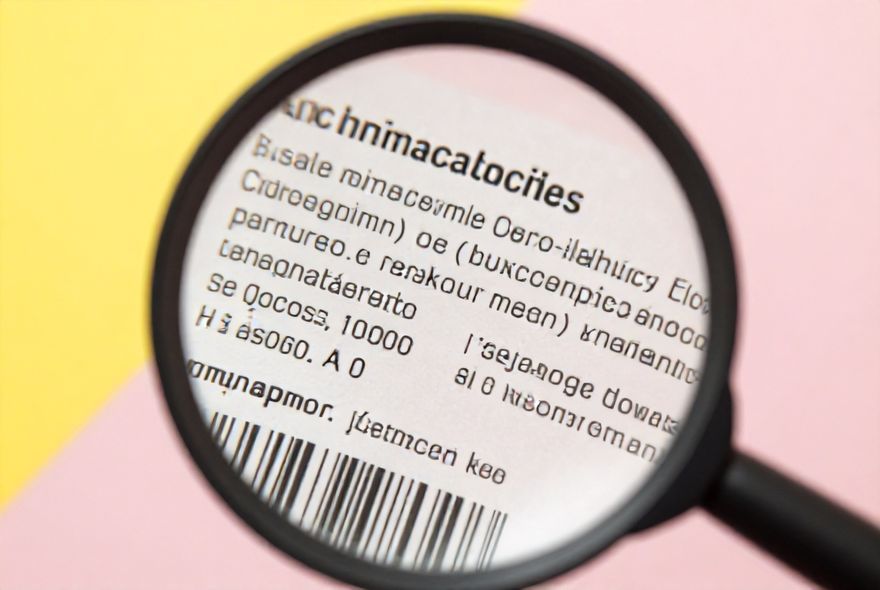
Decoding beauty product labels can often feel like you’re deciphering an ancient script with spells and unknown potions. But with a little knowledge, you can transform into a skincare pro, leaving behind all the marketing fluff to make informed choices for your skin’s needs. Remember, spotting those scientific ingredients on the labels is your best weapon. Ingredients like niacinamide, hyaluronic acid, and retinoids are not just beauty buzzwords; they’re scientifically proven allies in your skincare lineup. The real secret? Understanding that less is more—just because a product has a lengthy ingredient list doesn’t mean it’s more effective. This blog equips you to scrutinize labels, focusing on real, skin-saving science instead of falling for fancy packaging or ambiguous claims.
So, here we are at the crossroads of skincare enlightenment and beauty product literacy. Armed with your newfound skills, it’s time to dive into the world of beauty products with confidence. Ready to share your skincare savviness with the world? Don’t keep this lightbulb moment to yourself! Snap a pic of your next skincare gem and tag us on Facebook and Instagram. Who knew skincare could be this much fun?





Leave a Reply