
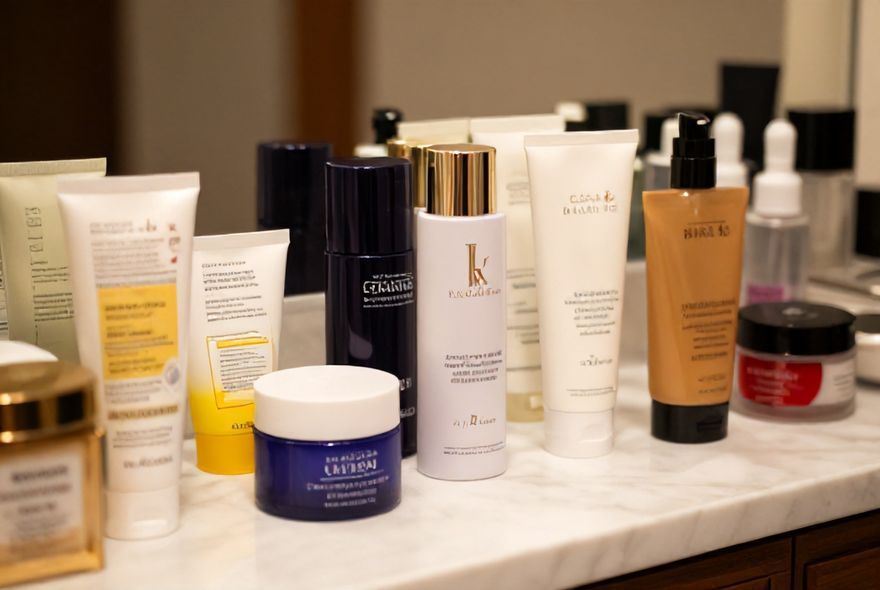
Ever splurged on luxurious creams only to realize your wallet’s lighter but your face is still… well, your face? In ‘Why Expensive Skincare Doesn’t Always Beat Budget Alternatives,’ we dive into the world of skincare that won’t break the bank—or your heart. Together, we’ll explore why those hefty price tags don’t promise magic and uncover budget-friendly gems whose formulations rival their high-end cousins. It’s time to meet your skin’s new BFFs. Who knew saving money could feel and look so good? Let’s unbox the truth!
Key Takeaways
- Don’t let a high price tag fool you; your wallet isn’t the only thing that benefits from budget skincare.
- Explore the science behind effective formulations, proving skincare doesn’t need to cost an arm and a leg.
- Discover budget-friendly skincare gems that outshine their pricey counterparts—your skin and savings will thank you!
- Why spend more when affordable products offer identical or even superior benefits?
- It’s not always about the price; it’s about knowing what ingredients work best for you.
- Unveil the myths of luxury products and find out why they aren’t always the best choice for your skin.
The Price Tag Illusion: Why Skincare Costs Don’t Equal Results
Here’s the thing—we’ve all stood in front of a mirror, holding two skincare products, and felt that gut punch of sticker shock. One costs $15, the other $150. They’re both promising the same thing: glowing, youthful skin. So naturally, we assume the pricier option must be better, right? Well, buckle up, because that assumption might be costing you serious cash. The truth about skincare products isn’t always glamorous or Instagram-worthy, but it’s liberating. Price tags rarely reflect actual efficacy, and the skincare industry has perfected the art of making us believe otherwise.
- Marketing Markup: A significant portion of what you’re paying for luxury skincare goes straight into packaging, advertising, and brand prestige rather than active ingredients. Studies show that marketing can account for 40-60% of a product’s retail price.
- Active Ingredient Concentration: Budget-friendly skincare products often contain the same active ingredients—retinol, hyaluronic acid, niacinamide, salicylic acid—as their expensive counterparts, sometimes in identical concentrations. The ingredient list doesn’t lie.
- Formulation Chemistry: What actually matters is how ingredients work together. A $20 moisturizer with a well-balanced formula can outperform a $200 option with flashy but poorly-mixed components.
- Clinical Testing: Many budget skincare brands undergo the same rigorous testing as luxury lines, yet consumers rarely hear about it because smaller brands lack the advertising budgets to shout about it.
- Regulatory Standards: Whether a product costs $10 or $100, it must meet the same FDA and international safety standards. Price doesn’t determine safety or compliance.
Decoding the Skincare Industry’s Pricing Game
Let’s get real for a second. The skincare industry thrives on perception, and perception is expensive. When you’re buying a luxury skincare product, you’re investing in a story—the heritage of the brand, the exclusivity, the promise of transformation whispered by celebrities with perfect lighting. But here’s what you might not realize: the actual skincare science doesn’t change based on price. The moisturizing molecules in a budget moisturizer function identically to those in a designer version. It’s the marketing machine that’s different, not the efficacy.
- Brand Heritage Costs: Established luxury brands charge premium prices partly because of their history and reputation. A family-owned skincare line with 50 years of brand recognition will always cost more than a newer, equally-effective budget brand simply due to perceived value.
- Packaging and Presentation: Ever notice how luxury skincare comes in beautiful glass bottles with minimalist labels? That aesthetics game costs money. Budget alternatives often use practical plastic, which actually protects ingredients just as well but feels “cheap” to consumers.
- Retail Markup Chains: Department stores and specialty retailers add their own margins to luxury products, sometimes doubling or tripling the actual manufacturing cost. Budget brands often sell direct-to-consumer, cutting out these middlemen entirely.
- Research and Development Inflation: While R&D is important, luxury brands sometimes charge premium prices for innovations that are ultimately minor tweaks to existing formulas, not groundbreaking breakthroughs.
- Celebrity Endorsements: That famous actress or model selling you skincare? Her contract is baked into the product’s price. You’re literally paying for her face on the bottle.
Budget Skincare Gems: Identical Formulations, Fraction of the Cost
Now here’s where things get exciting. There are legitimate, science-backed budget skincare products that rival—or even beat—their expensive alternatives. And I’m not talking about knock-offs or inferior dupes. I’m talking about genuinely equivalent formulations, sometimes made by the same manufacturers, sold under different brand names. If you want to explore more budget-friendly options tailored to your specific skin type, check out our comprehensive guide to the best skincare products, which breaks down options across various price points.
- Retinol Products: Retinol is retinol—it’s a chemical compound, not something that varies by brand. A budget retinol serum at $15 works the same way as a $150 version. The key is looking for stabilized retinol and appropriate concentration (usually 0.3-1% for beginners).
- Hyaluronic Acid Serums: This ingredient is one of skincare’s greatest democratizers. Hyaluronic acid holds water in the skin, and the molecule is identical regardless of price. Budget versions perform just as well as luxury counterparts, often with identical molecular weights.
- Niacinamide Formulations: Niacinamide (Vitamin B3) is affordable to produce and incredibly effective for pore refinement, oil control, and barrier repair. Budget brands excel here, often matching or exceeding luxury formulations.
- Vitamin C Serums: While stabilization matters, you can find well-formulated, stable Vitamin C serums in the budget range. The active ingredient itself isn’t more potent when it costs more; what matters is how it’s preserved.
- Sunscreen Options: Sunscreen is perhaps the most crucial skincare product, and dermatologists will tell you that a $5 sunscreen with proper SPF protection is just as effective as a $50 version. There’s literally no premium advantage here.
What Actually Matters: Ingredients Over Price Tags
You know that moment when you’re reading product labels and feeling completely lost? Yeah, we’ve all been there. But here’s your new superpower: understanding what actually works means you stop overpaying for hype. The skincare industry relies on consumers not knowing the difference between marketing magic and actual active ingredients. Once you crack this code, you’ll spot budget products that punch way above their price point.
- Read the Ingredient List: Ingredients are listed by concentration, so if an active ingredient you want (like retinol or glycolic acid) appears near the end, you’re getting a tiny amount. Price doesn’t change this reality—a well-formulated budget product will have actives listed high up, just like expensive alternatives.
- Concentration Matters More Than Brand: A 10% niacinamide serum at $12 will outperform a 2% niacinamide serum at $120. The percentage concentration is usually listed on the product or packaging. Budget brands often disclose this; luxury brands sometimes keep it vague.
- pH Level and Stability: Some actives (like Vitamin C and acids) require specific pH levels and stabilization to work effectively. Budget brands are increasingly transparent about these specs, while luxury brands sometimes rely on mystique instead of facts.
- Preservative Systems: A good preservative system keeps products from spoiling and prevents bacterial growth. This isn’t a luxury feature—it’s a necessity. Budget and expensive products use similar preservative technologies.
- Texture and Application: While this is subjective, texture doesn’t determine efficacy. A lightweight serum absorbs quickly whether it costs $20 or $200. Your skin’s results depend on the active ingredients, not how luxurious it feels.
The Science Behind Skincare: Understanding What Actually Works
Let’s dive into the nitty-gritty of skincare science, because once you understand how skin actually works, luxury price tags lose their power. Your skin doesn’t care about brand heritage or packaging design. It cares about active ingredients, consistency, and proper usage. Dermatologists will tell you that the most expensive skincare product in the world won’t work if you’re not using it correctly or if it’s not suited to your skin type.
- The Permeability Barrier: Your skin’s outermost layer is a selective barrier. Expensive products aren’t magically better at penetrating this barrier—it’s all about molecular size and formulation pH. Budget products with proper formulation penetrate just as effectively.
- Clinical Studies and Evidence: Reputable skincare ingredients like retinoids, AHAs, BHAs, and peptides have decades of clinical research behind them. This research doesn’t change based on price. A budget product with proven actives has the same scientific backing as a luxury version.
- Skin Cell Turnover: Whether you’re using a $15 exfoliant or a $150 one, the mechanism of action is identical. Glycolic acid at 10% works the same way regardless of brand. Your skin’s natural renewal cycle operates on biochemistry, not marketing.
- Moisture Retention Technology: The ability to hold moisture comes down to humectants (like glycerin and hyaluronic acid) and occlusive ingredients (like oils and butters). These are inexpensive to source, which is why budget moisturizers often work brilliantly.
- Antioxidant Protection: Antioxidants like Vitamin E, green tea extract, and resveratrol are affordable ingredients. A budget serum with high-quality antioxidants provides the same free-radical protection as a luxury version costing 10 times more.
Common Skincare Myths That Keep You Overspending
We’ve been fed some seriously persistent skincare myths, and they’re designed to make us reach for the priciest products on the shelf. You know the ones—the claims that sound almost magical, the promises of transformation in just days, the idea that luxury equals effectiveness. Let’s bust through these myths once and for all, because understanding them is the key to smart skincare shopping.
- Myth: Luxury Brands Use Superior Ingredients: The truth? Most skincare ingredients come from the same suppliers. Whether you’re buying a $20 or $200 product, the hyaluronic acid, retinol, and glycerin often originate from identical sources. What differs is sometimes the purity and stabilization, not the base ingredient itself.
- Myth: You Need Multiple Expensive Products for Results: Minimalist routines with budget products often outperform complicated routines with luxury items. A basic cleanser, moisturizer, sunscreen, and one active ingredient can transform skin better than a 10-step routine with expensive products that don’t suit your skin.
- Myth: Natural Ingredients Are More Effective: “Natural” is a marketing term, not a guarantee of efficacy. Synthetic ingredients are often more stable, effective, and easier to source sustainably than their natural counterparts. Price doesn’t determine naturalness—marketing does.
- Myth: Expensive Products Work Faster: Skin transformation takes time, period. Whether you’re using a $10 serum or a $100 one, realistic results take 6-12 weeks of consistent use. Anyone promising faster results is selling you hope, not science.
- Myth: You Get What You Pay For in Skincare: This is perhaps the biggest lie. A $150 moisturizer isn’t 10 times better than a $15 one. Price often reflects brand positioning, not proportional improvement in results. Budget products frequently deliver 80-90% of the results at 10-20% of the cost.
Building an Effective Budget Skincare Routine
Alright, so you’re ready to ditch the expensive skincare guilt and build a routine that actually works without breaking the bank. Here’s the beautiful part: the most effective skincare routines aren’t complicated or expensive. They’re consistent, targeted, and suited to your specific skin type. You can build a powerhouse routine using budget products that rival any luxury line, and we’ll walk you through exactly how to do it.
- Cleanser Foundation: Your cleanser doesn’t need to be expensive—it just needs to remove dirt and oil without stripping your skin. A budget cleanser (cream, gel, or micellar water) that leaves your skin feeling clean but not tight is perfect. Price point: $3-8 for a month’s supply.
- Active Ingredient Strategy: Choose one primary active based on your concern: retinol for anti-aging, salicylic acid for acne, glycolic acid for texture, or niacinamide for overall skin health. Budget brands offer excellent options in each category. Price point: $8-15 per bottle lasting 2-3 months.
- Moisturizer Selection: Your moisturizer should match your skin type. Oily skin needs lightweight hydration, dry skin needs richer formulas, and combination skin needs balance. Budget moisturizers excel at this, often outperforming luxury options in terms of ingredient transparency. Price point: $5-12.
- Sunscreen Non-Negotiable: This is where you absolutely cannot skip. A budget sunscreen with proper SPF 30+ protection is your most important anti-aging product. Dermatologists recommend applying generously and reapplying every two hours in sun exposure. Price point: $5-10 for a decent supply.
- Targeted Treatments: If you have specific concerns (dark spots, acne scars, hyperpigmentation), budget serums with proven actives like Vitamin C, azelaic acid, or alpha-arbutin work just as well as luxury versions. Price point: $10-20 for most options.
How to Spot Quality in Budget Skincare Products
Not all budget skincare is created equal. Some brands cut corners in ways that actually matter, while others deliver quality that rivals luxury lines. Learning to spot the difference means you can confidently navigate the budget skincare landscape without accidentally buying ineffective products. It’s detective work, but once you know what to look for, it becomes second nature.
- Transparent Ingredient Listing: Quality budget brands clearly list their ingredients and often provide concentration percentages for active ingredients. If a brand is vague about what’s in their product, that’s a red flag regardless of price. Budget brands that compete on efficacy are transparent out of necessity.
- Consistency in Formulation: Good budget brands maintain consistent formulations batch-to-batch. If your product works one month and feels completely different the next, quality control might be an issue. Reputable budget brands take this seriously because word-of-mouth is their primary marketing.
- Proper Packaging for Actives: Vitamin C, retinol, and other sensitive actives need protective packaging (opaque bottles, pumps rather than jars, nitrogen-filled containers). Quality budget brands invest in this because they understand ingredient stability. If a budget Vitamin C comes in a clear jar, skip it.
- Honest Marketing Claims: Budget brands that avoid over-the-top claims (“erase wrinkles in days!”) and instead focus on realistic benefits are usually the ones with solid formulations. Exaggerated promises are a sign that the product might not deliver on science alone.
- Third-Party Reviews and Testing: Check if the brand has been independently tested or reviewed by dermatologists. Budget brands increasingly pursue this because it’s cost-effective marketing and builds credibility. Look for patterns in real customer reviews—consistent results across multiple reviewers signal quality.
Maximizing Results: Usage and Consistency Trump Price
Here’s something that’ll change your skincare game: a cheap product used consistently and correctly beats an expensive product gathering dust on your shelf every single time. I’ve seen people spend $500 on skincare and get zero results because they weren’t using it properly or consistently. Meanwhile, friends using budget products religiously see dramatic transformations. This is the real secret luxury brands don’t want you to know.
- Consistency Over Luxury: Your skin needs 6-12 weeks of consistent daily use to show meaningful improvement. A $15 product you use every single day will always outperform a $150 product you use sporadically. Habit and routine matter infinitely more than price tag.
- Proper Application Technique: Whether you’re using budget or luxury products, technique matters. Using the right amount (usually a pea-sized amount for serums, a quarter-sized amount for moisturizer), applying to damp skin, and layering correctly determines results far more than brand prestige.
- Patience and Realistic Expectations: Your skin didn’t develop its current state overnight, and it won’t transform overnight either. Budget products with proven actives will deliver visible results in 8-12 weeks if you’re patient and consistent. Expecting faster results often leads to switching products constantly, which sabotages progress.
- Knowing Your Skin Type: Using the right product type for your skin trumps using expensive products designed for someone else’s skin. A budget product perfectly suited to your skin type outperforms a luxury product formulated for different needs. Spend time understanding your skin before buying anything.
- Layering and Synergy: Combining budget products strategically (like using a Vitamin C serum with retinol, or niacinamide with hyaluronic acid) creates synergy that sometimes exceeds what expensive products deliver alone. It’s about smart combinations, not price points.
The Future of Skincare: Democratization and Transparency
The skincare landscape is shifting. Direct-to-consumer brands, online communities, and ingredient transparency tools are fundamentally changing how we buy skincare. The days of blindly trusting luxury price tags are fading, replaced by a generation of consumers who actually understand what they’re putting on their skin. This democratization is great news for your wallet and your skin.
- Direct-to-Consumer Brands: Companies bypassing retail middlemen can offer superior formulations at budget prices. They’re not spending on department store markups or massive advertising budgets, so savings translate directly to consumers. This model has produced some of the most effective skincare products available today.
- Ingredient Transparency Movement: More brands now openly discuss their active ingredients, concentrations, and sourcing. This transparency is pressure from informed consumers who demand to know what they’re paying for. Budget brands often lead this trend because transparency is their competitive advantage.
- Online Communities and Reviews: Social media and skincare communities have become more sophisticated about evaluating products. Fake reviews are increasingly called out, and real results are shared openly. This means budget products that work get discovered and celebrated, while expensive duds get exposed.
- Personalization Technology: AI and skin analysis tools are helping people identify what their skin actually needs rather than what marketing tells them they need. This personalization often leads consumers to budget products perfectly suited to their skin rather than expensive generic options.
- Sustainability and Ethics: Consumers increasingly care about ethical sourcing and sustainable practices. Budget brands often excel here because they focus on core ingredients and simplified formulations rather than wasteful luxury packaging. The future of skincare rewards efficiency, not excess.
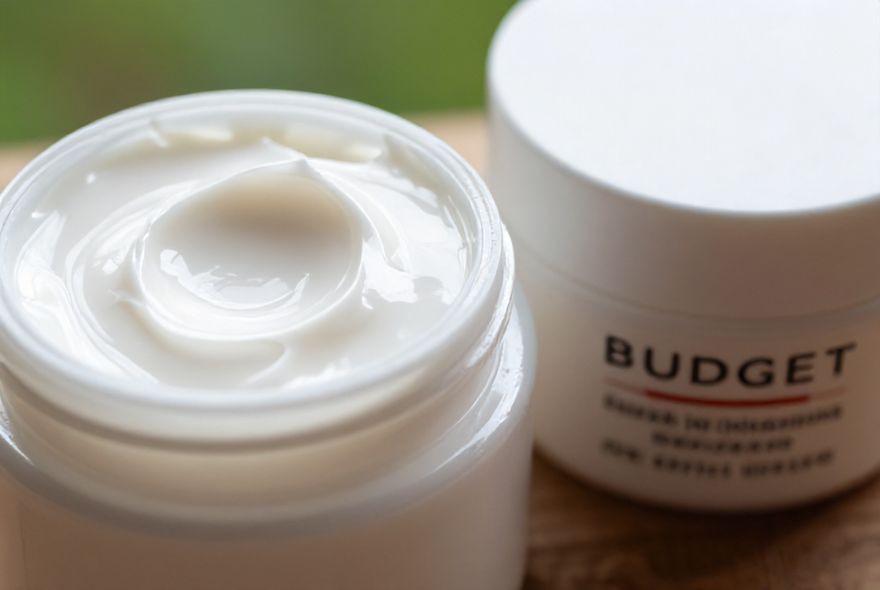
In the world of skincare, the notion that ‘you get what you pay for’ doesn’t always hold. Our deep dive into the world of beauty revealed that expensive skincare products don’t automatically guarantee better results. Sometimes, the price tag is more about fancy packaging and marketing than the magic of the actual formulation. We discovered some fantastic budget-friendly skincare gems that pack a punch with formulations equal to or even surpassing their high-end cousins. From identical active ingredients to superior formulations, these wallet-friendly options prove that great skin doesn’t have to break the bank. So, why not save those extra bucks for a spa day? The real lesson here is don’t judge a product by its price—let what’s in the bottle do the talking!
Pondering your next skincare purchase? Think twice before splurging—your skin and wallet will thank you! Join our community of savvy skincare enthusiasts and share your favorite affordable alternatives. Let’s revolutionize beauty, one smart purchase at a time! Follow us on Facebook, Instagram, and Twitter for more tips and skincare secrets. Ready to glow without the hefty price tag? Let’s dive into budget beauty greatness together!





Leave a Reply