
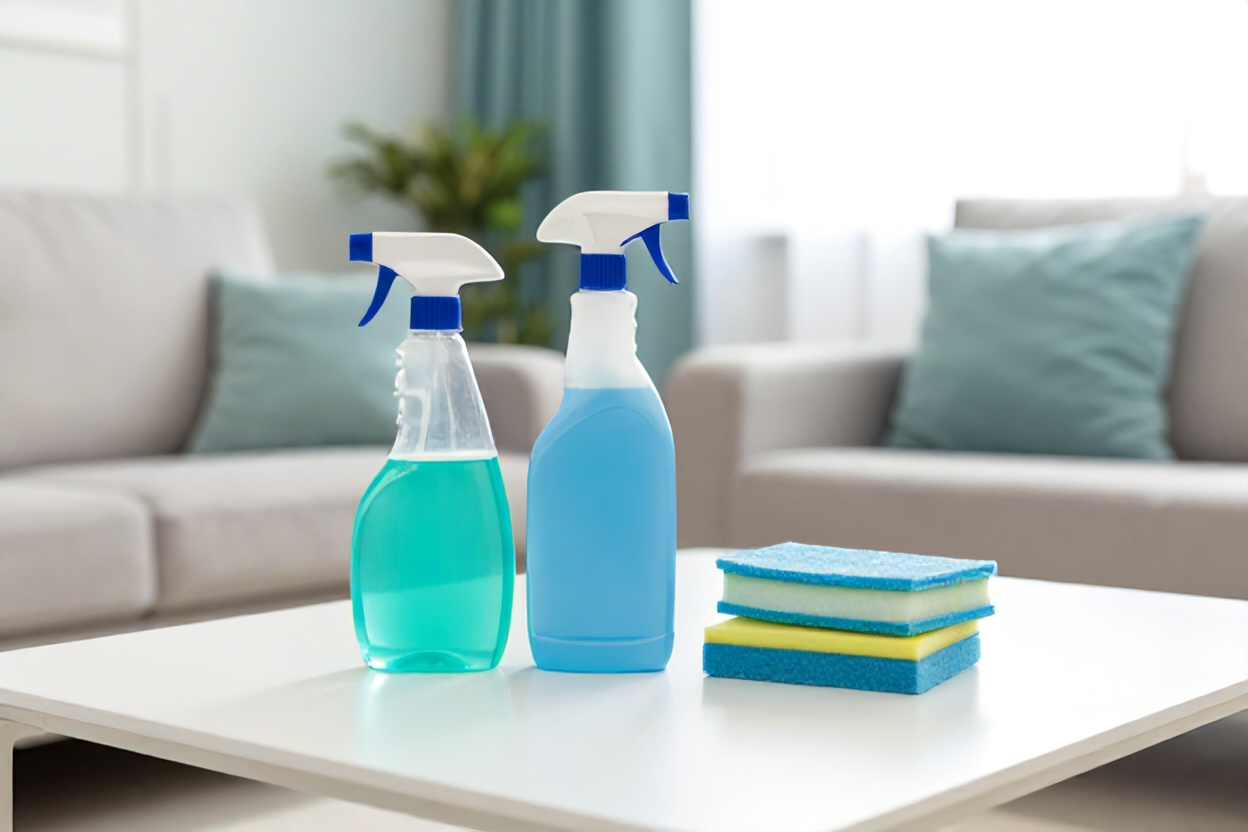
Ever feel like you’re battling a never-ending to-do list in your clean house dreams? “How To Master The 80/20 Rule For Faster Housekeeping” is your secret weapon. Imagine reclaiming your weekend without sacrificing a spotless home! This blog post dives into the 80/20 principle, a game-changing approach that pro cleaners swear by. We’ll show you how focusing on the vital few tasks can save you from the cleaning abyss. So, are you ready to swap those unnecessary chores for some fun instead? Let’s unlock the secrets of swift housekeeping together.

Key Takeaways
- Discover the power of the 80/20 rule to speed up your cleaning routine – spend less time cleaning and more time enjoying.
- Focus on the tasks that really matter and stop sweating the small stuff. Spotless house, no more wasted weekends!
- Learn the secrets that pro cleaners swear by to maintain a tidy home with minimal effort.
- Reclaim your weekend by mastering efficient cleaning habits that do 80% of the work in 20% of the time.
- Wondering why you’re spending ages on cleaning? The answer’s in prioritizing tasks; tackle what counts!
- Maximize results while minimizing your toil – make cleaning smarter, not harder.
- No more endless scrubbing – enjoy a clean house with time to spare. How? The 80/20 rule, that’s how.
Understanding The 80/20 Rule And Why It Changes Everything About Housekeeping
You know that feeling when you’ve spent four hours cleaning, only to feel like you haven’t made a dent? Yeah, we’ve all been there. Here’s the thing—you’re probably spending your energy on the wrong stuff. The 80/20 rule, also called the Pareto Principle, is basically this: 80% of your results come from just 20% of your effort. In housekeeping terms? That means 80% of the visible dirt and mess comes from about 20% of your home’s spaces and surfaces. Once you figure out which 20%, you can stop wasting hours on cleaning that doesn’t really matter and focus on what actually makes your home look spotless. Pro cleaners have been using this principle for years, and honestly, it’s a game-changer. Let’s dive into how you can master it too.
- The 80/20 principle reveals that most of your cleaning time goes toward areas that contribute minimally to overall cleanliness—think baseboards when your kitchen counter is grimy.
- Professional cleaners prioritize high-impact zones first, like entryways, kitchen counters, and bathrooms, which account for the majority of perceived mess.
- By identifying your home’s critical 20%, you’ll reclaim your weekend and maintain spotless results without the exhausting, endless scrubbing.
- This faster housekeeping approach works because it’s based on where dirt actually accumulates and where guests and family spend the most time noticing cleanliness.
- The beauty of this method is it’s not about cutting corners—it’s about working smarter, not harder, to achieve the same pristine results.
Identifying Your Home’s Critical 20% Zones
So, where does all that visible mess actually come from? It’s not evenly distributed throughout your house—not even close. Your entryway, kitchen, and main bathroom are probably where you’d notice dirt first if you walked in after a week away. These spaces get heavy foot traffic, they’re where people congregate, and they’re the first impression anyone gets of your home. When you’re doing faster housekeeping using the 80/20 principle, you’ve got to map out these hotspots before you even grab a cleaning cloth. Think about it: what areas of your home do you personally find yourself looking at most? Where do guests tend to focus their attention? Those are your critical zones.
- Entryways and hallways collect dirt fastest because they’re transition spaces where outdoor mess gets tracked in; maintaining these spotless creates an immediate impression of a clean home.
- Kitchens are high-traffic zones where crumbs, spills, and grease accumulate rapidly—countertops and stovetops should always be prioritized in your housekeeping routine.
- Bathrooms are the second space people judge cleanliness by; focusing on mirrors, sinks, and toilets delivers 80% of the perceived freshness without deep-cleaning the tile grout.
- Living room seating areas and coffee tables accumulate clutter and dust quickly because they’re where people spend leisure time; keeping these surfaces clear makes spaces feel instantly cleaner.
- Bedroom nightstands and dressers might seem minor, but they’re the first things you see when you wake up and the last you notice before sleep—small efforts here have big psychological impact.
The Kitchen: Your Biggest Cleaning ROI
Let’s be real—the kitchen is where most people spend their cleaning energy, and for good reason. It’s also where the 80/20 rule delivers the most dramatic results. Think about walking into a kitchen with a pristine countertop versus one with crumbs, spills, and clutter everywhere. Even if the oven hasn’t been deep-cleaned in months, that gleaming counter makes the whole room feel manageable. Pro cleaners know this, which is why they tackle kitchen surfaces first when cleaning homes faster. The countertops, stovetop, and sink probably account for 80% of how clean your kitchen actually feels, even though they might only represent 20% of the kitchen’s actual square footage. Once you nail these high-impact areas, the rest of the kitchen feels naturally cleaner too.
- Kitchen countertops are the visual centerpiece of any kitchen—keeping them clear, wiped down, and clutter-free instantly makes the entire room feel spotless and organized.
- The stovetop and backsplash gather grease and splatters; wiping these down weekly takes 10 minutes but transforms how clean your cooking space appears.
- Sink cleanliness is disproportionately important because a clean, shiny sink signals an overall clean kitchen; spending 5 minutes polishing your sink daily has outsized impact on perceived cleanliness.
- Appliance fronts (refrigerator, dishwasher handles) collect fingerprints and smudges that make kitchens look dingy; a quick wipe-down with appropriate cleaner restores the whole area’s shine.
- Open shelving or visible pantry items should be organized rather than deep-cleaned; the appearance of order contributes more to a clean-feeling kitchen than spotless cabinet interiors that no one sees.
Bathrooms: Making Maximum Impact With Minimum Effort
Bathrooms are fascinating spaces when you apply the 80/20 principle. People spend way less time in bathrooms than kitchens, but they judge cleanliness instantly and harshly. You’ve probably noticed—walk into a bathroom with a gleaming mirror and spotless sink, and it feels clean even if the baseboards are dusty. That’s the 80/20 rule in action. For faster housekeeping, bathrooms are your sweet spot because small, targeted efforts deliver huge perceived results. Mirror streaks, toothpaste residue around the sink, and soap scum on the shower door are the 20% of bathroom maintenance that creates 80% of the “ew, this is gross” feeling. Once you nail those, your bathroom feels genuinely clean without hours of labor.
- Bathroom mirrors are the first thing people look at; keeping them streak-free and clear is the quickest way to make a bathroom feel clean and well-maintained.
- Sink cleanliness—removing toothpaste splatters, soap residue, and water spots—takes five minutes but disproportionately affects how fresh the entire bathroom feels.
- Toilet cleanliness is psychologically crucial; even if everything else is slightly dusty, a clean toilet makes people feel confident the bathroom is hygienic.
- Shower doors and tub surrounds that are free of soap scum and mildew spots create the impression of a thoroughly clean bathroom without needing to scrub grout lines.
- Bathroom floors, while important, contribute less to perceived cleanliness than mirror and sink condition; a quick sweep and wipe-down of the floor is sufficient compared to obsessive grout cleaning.
Living Spaces: Decluttering Before Cleaning
Here’s something pro cleaners know that changes the game: clutter is 80% of why a living space looks dirty. Before you even think about dusting, you’ve got to deal with the visible mess. And this is where faster housekeeping gets interesting, because clearing clutter takes less time than deep-cleaning but delivers dramatically better results. A living room with minimal clutter but average dust levels looks cleaner than a living room with dust-free surfaces but stuff everywhere. It’s almost like we perceive order as cleanliness, and maybe we should lean into that. When you’re mastering the 80/20 rule, prioritize putting things away before you prioritize scrubbing. That’s the biggest leverage point.
- Clearing visible surfaces of unnecessary items takes 10-15 minutes and makes spaces feel 50% cleaner without touching a cleaning product.
- Coffee tables, side tables, and entertainment centers should hold only essential items or intentional decor; every extra object adds visual clutter that signals uncleanliness.
- Throw blankets, pillows, and cushions should be organized and arranged neatly; haphazard piles of soft goods make even spotless rooms feel messy.
- Floor clutter—shoes, bags, toys, random items—has massive visual impact; a clear floor makes rooms feel instantly cleaner and larger.
- Furniture arrangement and dusting surfaces matter far less than whether those surfaces are empty; prioritize clearing before reaching for the vacuum or cloth.
Entryways And First Impressions: The 80/20 Gateway
You know how your mom always said to make a good first impression? The same applies to your home. Entryways are the gateway to how people perceive your entire house, and they’re where the 80/20 principle shines brightest. Think about it—someone walks in, and their brain forms an instant judgment based on those first few seconds. Is the entryway clutter-free? Do the floors look clean? Is there a smell of freshness or stagnation? These initial observations heavily influence whether someone thinks “wow, this place is clean” or “hmm, seems messy.” For faster housekeeping, entryways are non-negotiable priority zones. They require minimal maintenance to maintain a spotless appearance, and that maintenance effort delivers massive returns on perceived cleanliness throughout your entire home.
- Entryway floors collect outdoor dirt fastest; sweeping or vacuuming this zone daily takes three minutes but prevents tracked-in mess from spreading throughout your home.
- Shoe racks or designated shoe storage areas keep the entry organized; even if they’re dusty, organized shoes signal cleanliness while piles of shoes signal chaos.
- Door handles, light switches, and the inside of the front door get fingerprints and dust; wiping these weekly takes minutes and noticeably refreshes the entryway’s appearance.
- Wall hooks for coats and bags should be organized with minimal items hanging; bare hooks or neatly hung items look intentional, while overflowing hooks look chaotic.
- A small mat or rug at the entry catches dirt and defines the space; maintaining this area prevents dust from spreading and creates a visual boundary between outside and inside.
The Bedroom: Comfort Over Perfection
Bedrooms are interesting because they’re private spaces, yet they still impact how you feel about your home. The good news? You don’t need to obsess over bedroom cleanliness the way you do kitchens or bathrooms. Apply the 80/20 rule here, and you’ll realize that 80% of how clean your bedroom feels comes from 20% of your effort—mainly, making the bed and clearing the floor. Nobody’s judging your bedroom’s baseboards or the dust on your ceiling fan (well, hopefully not), but they’ll definitely notice unmade beds and floor clutter. For faster housekeeping, bedrooms are where you can actually relax your standards a bit while still maintaining spotless results where it matters. It’s liberating, honestly.
- Making the bed daily is disproportionately important; an organized, made bed makes the entire room feel clean and intentional, taking only two minutes.
- Clear bedroom floors—free of clothes piles, shoes, and clutter—contribute more to perceived cleanliness than dusting or detailed surface cleaning.
- Nightstand organization keeps your personal space feeling controlled; three items on a nightstand look pristine compared to ten items scattered about.
- Laundry management prevents the “dirty clothes pile” syndrome that makes bedrooms feel perpetually messy; having a system prevents visual chaos.
- Windows and surfaces can be cleaned less frequently in bedrooms than in high-traffic areas; focus your energy on spaces where you spend the most waking hours.
Time Management: The Ultimate 80/20 Application
Here’s where the rubber meets the road with faster housekeeping—if you’re still spending hours cleaning when you could be done in 45 minutes, you’re not actually mastering the 80/20 rule. This principle isn’t just about which areas to clean; it’s about how you allocate your time across your entire cleaning routine. Most people spend time cleaning inefficiently because they don’t have a strategic order or priority system. Pro cleaners have a method: they hit the high-impact zones first, they work from top to bottom and back to front, and they don’t waste mental energy deciding what to clean next. When you apply 80/20 time management to housekeeping, you’re essentially saying, “I’m going to spend 80% of my cleaning time on the 20% of my home that creates 80% of the visible cleanliness.” The math works out beautifully, and you reclaim your weekend.
- Allocate 80% of your cleaning time to high-impact zones (kitchen, bathroom, entryway, living room) and only 20% to lower-visibility areas (baseboards, ceiling fans, interior cabinets).
- Create a weekly schedule that focuses on the critical 20% of tasks rather than trying to deep-clean everything simultaneously; consistency in high-impact areas beats sporadic deep-cleaning of everything.
- Set a timer for 45-60 minutes of focused cleaning rather than wandering aimlessly; knowing you have limited time forces you to prioritize what actually matters.
- Batch similar tasks together (all wiping, all vacuuming, all organizing) rather than jumping between different types of cleaning; this reduces mental switching costs and increases efficiency.
- Use the “one-touch” rule where possible: deal with items immediately rather than creating piles to organize later, which saves time and prevents clutter from accumulating.
Maintaining Spotless Results Without Burning Out
The final piece of mastering the 80/20 rule for faster housekeeping is actually maintaining your results without turning into a cleaning robot. Because let’s face it, if you spend your entire weekend obsessing over dust particles, you haven’t really reclaimed anything. The point of this principle is to work smarter so you can enjoy your home and your time more. Once you’ve identified your critical 20% and created an efficient system, maintenance becomes almost automatic. You’re not fighting chaos anymore; you’re just maintaining order in the zones that matter. And here’s the beautiful part—when you keep those high-impact areas spotless, the whole house feels clean even if the less visible areas aren’t perfect. That’s not cutting corners; that’s being strategic.
- Daily 10-minute touch-ups in critical zones prevent mess from accumulating; a quick counter wipe, sink rinse, and floor sweep maintain spotless appearance without weekend stress.
- Weekly deep-cleaning sessions focused only on the 20% (kitchen, bathroom, entryway) take 1-2 hours instead of the traditional 4-6 hour Saturday marathon.
- Monthly attention to lower-priority areas (baseboards, inside cabinets, ceiling corners) keeps your home truly clean without requiring constant effort.
- Systems and habits replace willpower; when you have designated spots for everything and a routine for maintaining high-impact zones, cleanliness becomes effortless.
- Give yourself grace—dusty ceiling corners don’t ruin a clean home, and imperfect baseboards don’t negate a gleaming kitchen; focus on what actually matters for your life and sanity.
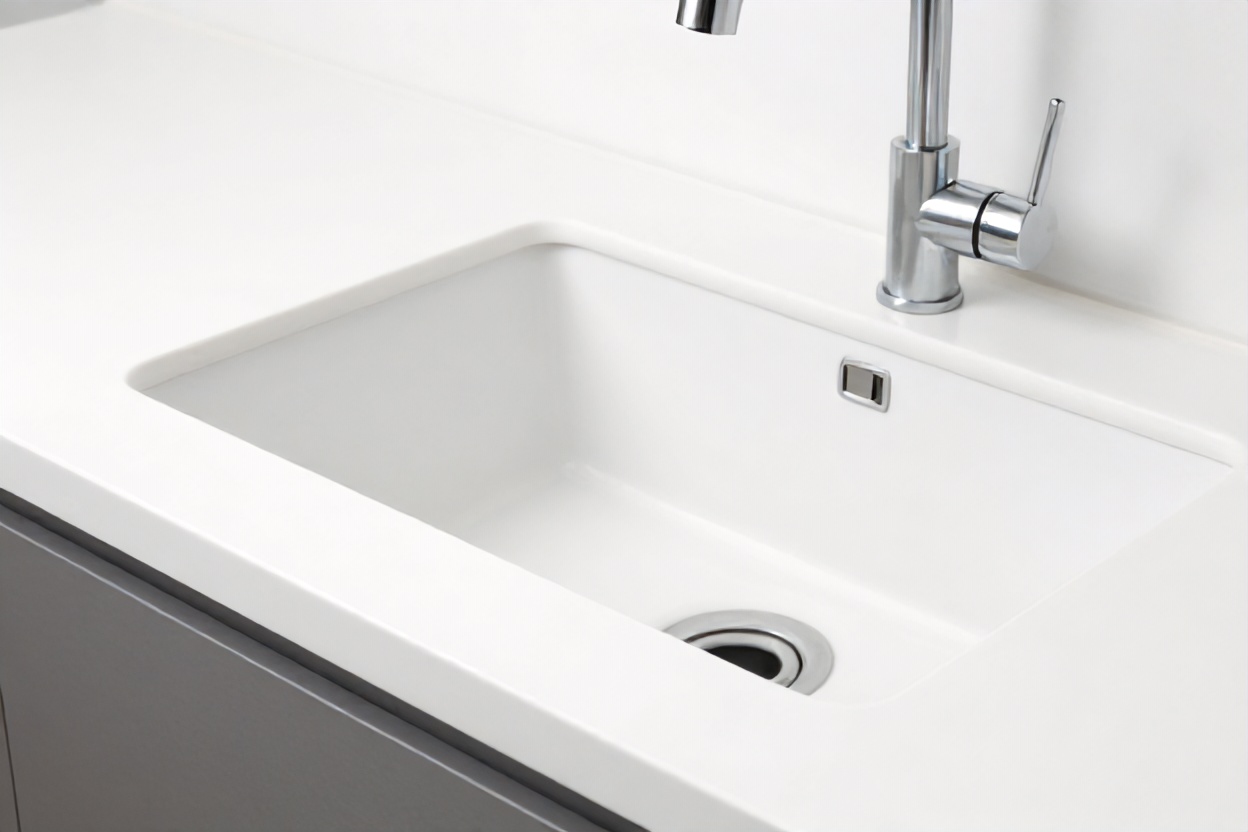
By now, you’re practically on your way to becoming a housekeeping ninja, thanks to the magic of the 80/20 rule. Cutting to the core, this principle teaches us to focus on the 20% of cleaning tasks that deliver 80% of the cleanliness and satisfaction. Remember those tips about focusing on high-traffic areas like the kitchen and main bathroom while letting that garage dust settle for another day? They’re game-changers. It’s all about shedding what’s unnecessary, like that overdose of elbow grease on tasks that just don’t matter. So, implement these secrets and soon you’ll free up more of your weekend for activities that are decidedly more fun than scrubbing the baseboards.
Now that you’re equipped with the prowess of a pro cleaner, why not dive in and make your home sparkle in record time? Give this 80/20 rule a whirl and see your weekends magically reappear. Share your success stories with fellow cleaning aficionados on social media. Pop over to our Instagram and Facebook pages to join the conversation, or sign up for our newsletter for more tips to keep life organized. Here’s to more spotless homes and less stress!





Leave a Reply