
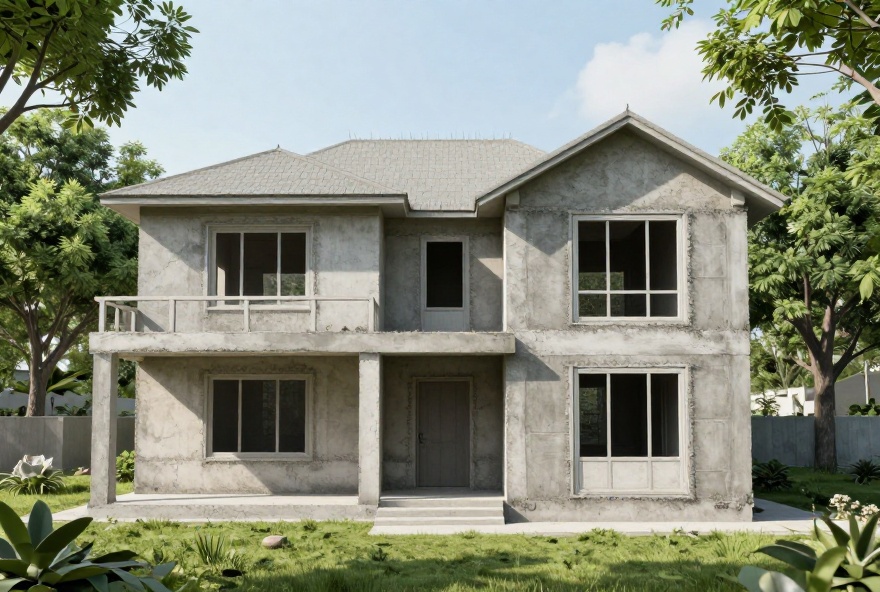
Ever patched a wall and felt like a DIY genius only to watch it crumble under your awesomeness? Well, there’s a lesson there, my friend—cheap cement today is just a costly tomorrow. In ‘Why Cement Quality Matters More Than You Think In Pacca Houses,’ we’re diving into the nitty-gritty of why your home’s skeleton deserves the best. Trust us, your future non-leaky ceilings will thank you, and so might your wallet!
Key Takeaways
- Think you’re saving on cement? Think again—cheap cement might crack you up!
- Premium cement isn’t just expensive; it’s an investment in your pacca home’s future.
- Cheap cement today, costly repairs tomorrow. Is that a gamble worth taking?
- Durability matters—discover why quality cement is your home’s best friend.
- Don’t let bad cement crumble your dreams. Choose wisely, live stress-free.
- Your bank account might thank you—for opting for quality cement now.
- What’s stronger than a rock? Premium cement, for starters.
The Hidden Cost of Cutting Corners on Cement
You know that feeling when you buy the cheapest option and regret it within months? Yeah, that’s exactly what happens with cement in pacca houses. We think most homeowners don’t realize that skimping on cement quality is like buying a cheap parachute—it might work fine until it suddenly doesn’t. The difference between premium cement and budget alternatives isn’t just about durability; it’s about protecting your entire investment. When you’re building a pacca house, cement is literally the foundation (pun intended) of everything that comes after. Let’s dig into why this decision matters way more than you’d think.
- Structural Integrity at Stake — Low-quality cement weakens over time, leading to cracks that compromise your entire structure within 5-10 years.
- Long-term Savings — Premium cement costs 15-20% more upfront but can save you thousands in repairs and renovations down the road.
- Water Resistance & Weather Protection — Better cement formulations resist moisture infiltration, keeping your pacca house dry during monsoons and preventing internal damage.
- Compressive Strength Matters — High-quality cement achieves better compressive strength, ensuring your walls and foundation bear loads safely for decades.
Understanding Cement Grades and What They Mean
Here’s where things get a bit technical, but stick with us—it’s actually pretty straightforward. Cement comes in different grades, and these grades tell you exactly how strong the cement is. Think of it like choosing between regular and premium fuel for your car; the difference shows up in performance. In pacca houses, you’ll typically encounter 33-grade, 43-grade, and 53-grade cement. The numbers represent the compressive strength in megapascals after 28 days of curing. Most budget builders push for 33-grade to save money, but here’s the kicker: 43-grade and 53-grade are worth every extra rupee.
- 33-Grade Cement — Suitable only for non-structural work; it’s slow-setting and develops strength gradually, making it risky for load-bearing walls.
- 43-Grade Cement — The sweet spot for most residential pacca houses, offering balanced strength and cost-effectiveness with faster setting time.
- 53-Grade Cement — Premium choice delivering superior strength, ideal for high-rise structures, basements, and areas prone to heavy water exposure.
- Rapid Hardening Varieties — Some premium cements set faster without compromising long-term strength, perfect for quick-turnaround projects.
Why Cheap Cement Fails Your Pacca House Faster Than You’d Expect
You’ve probably heard horror stories about buildings crumbling or developing massive cracks within a few years—and we’re betting cheap cement played a role. Low-quality cement often contains excess clay, inadequate limestone, or improper kiln temperatures during manufacturing. When you use substandard cement in your pacca house, you’re essentially building on quicksand. The material might look fine initially, but internally, it’s already deteriorating. Water seeps in, steel reinforcement rusts, and suddenly you’re facing structural nightmares that’ll cost 10 times what you saved by going cheap.
- Rapid Deterioration — Inferior cement loses compressive strength prematurely, especially in humid climates where moisture accelerates breakdown.
- Efflorescence Problems — White powdery deposits appear on walls when cheap cement releases excess salts, indicating internal chemical instability.
- Steel Corrosion Risk — Poor-quality cement fails to protect reinforcement bars adequately, leading to rust that expands and cracks the concrete.
- Foundation Settlement — Weak cement in foundations doesn’t distribute loads evenly, causing uneven settling and structural misalignment over time.
- Repair Costs Spiral — What starts as a small crack becomes a major structural repair—sometimes requiring complete wall reconstruction in extreme cases.
The Real-World Impact on Your Pacca House Investment
Let’s talk numbers for a second, because this is where the truth gets obvious. Building a typical pacca house uses roughly 300-400 bags of cement. If you save ₹50 per bag by choosing cheap cement, you’re saving around ₹15,000-20,000 upfront. Sounds great, right? Now imagine spending ₹2-5 lakhs on structural repairs within 10 years because that cheap cement failed. We’re talking foundation work, wall reconstruction, waterproofing fixes—the whole nine yards. A recent structural analysis shows that pacca houses built with premium cement experience 80% fewer major repairs in their first 15 years compared to those built with budget alternatives. That’s not just a statistic; that’s your peace of mind and financial security.
- Initial Budget Impact — Premium cement adds 8-12% to total construction costs, but this is recovered through eliminated repair expenses within 10-12 years.
- Resale Value — Homes built with quality cement command 15-20% higher resale prices because buyers recognize structural integrity and longevity.
- Insurance & Liability — Some insurance providers offer better coverage for pacca houses constructed with certified premium cement, reducing your long-term financial risk.
- Family Safety First — Beyond money, weak cement structures pose genuine safety risks—we’re talking potential wall collapses or foundation failures affecting your loved ones.
How to Verify Cement Quality Before You Buy
Alright, so you’re convinced that premium cement is the way to go—smart move. But here’s the catch: how do you actually know you’re getting quality cement and not paying premium prices for a fake product? The market’s flooded with counterfeit cement, especially in regions where quality control is lax. You’ve got to be a bit of a detective when sourcing materials for your pacca house. Check certifications, verify batch numbers, and honestly, don’t be shy about asking suppliers for proof of authenticity. Your future self will thank you.
- IS Mark Certification — Look for the Indian Standards (IS) mark on every cement bag; it’s your guarantee that the product meets national quality benchmarks.
- Batch Testing Reports — Reputable suppliers provide test reports showing compressive strength results; request these before committing to bulk orders.
- Trusted Supplier Relationships — Buy from established dealers with verifiable track records, not roadside vendors offering suspiciously low prices.
- Visual & Physical Checks — Quality cement feels smooth, flows freely, and shows consistent color; clumpy or discolored cement signals contamination or age.
- Manufacturing Date Verification — Cement loses potency over time; check manufacturing dates and avoid stock older than 3 months.
Premium Cement Brands Worth Your Investment
You’re probably wondering which cement brands deliver the quality talk we’ve been talking about. The good news? India has several established manufacturers who’ve earned their reputation through decades of consistent performance. These brands invest in advanced manufacturing processes, rigorous quality testing, and innovation—all of which translate to better cement for your pacca house. While premium brands cost more, they come with certifications, warranty support, and the assurance that your home is built on solid ground (literally).
- Industry Leaders — Established manufacturers with ISO certification and proven track records in residential and commercial projects guarantee quality consistency.
- Technical Support — Premium brands often provide expert consultation on cement selection based on local soil conditions and climate for your pacca house.
- Warranty Coverage — Some premium cements come with extended warranty guarantees, covering structural defects related to material failure.
- Sustainability Credentials — Modern premium cements often incorporate eco-friendly additives, reducing environmental impact without compromising strength.
Making the Smart Choice: Premium Cement as Your Best Investment
At the end of the day, building a pacca house is one of the biggest decisions you’ll make in your lifetime. It’s where your family lives, where memories happen, and where you expect to stay for decades. Skimping on cement quality to save a few thousand rupees is genuinely penny-wise and pound-foolish. We think the math is simple: spend a bit more now, sleep better at night knowing your home is structurally sound, and avoid the nightmare of costly repairs later. Premium cement isn’t a luxury; it’s a necessity for any pacca house that’s meant to last. For more detailed insights on building durable homes, check out this comprehensive guide on pacca houses, which covers construction best practices from foundation to finish.
- Future-Proof Your Investment — Quality cement ensures your pacca house remains structurally sound through multiple generations, protecting your family’s long-term security.
- No Regrets Decision — Years down the line, you’ll never regret choosing premium cement, but you might deeply regret going cheap.
- Professional Builders Know This — Reputable construction professionals always recommend premium cement because they understand the consequences of shortcuts better than anyone.
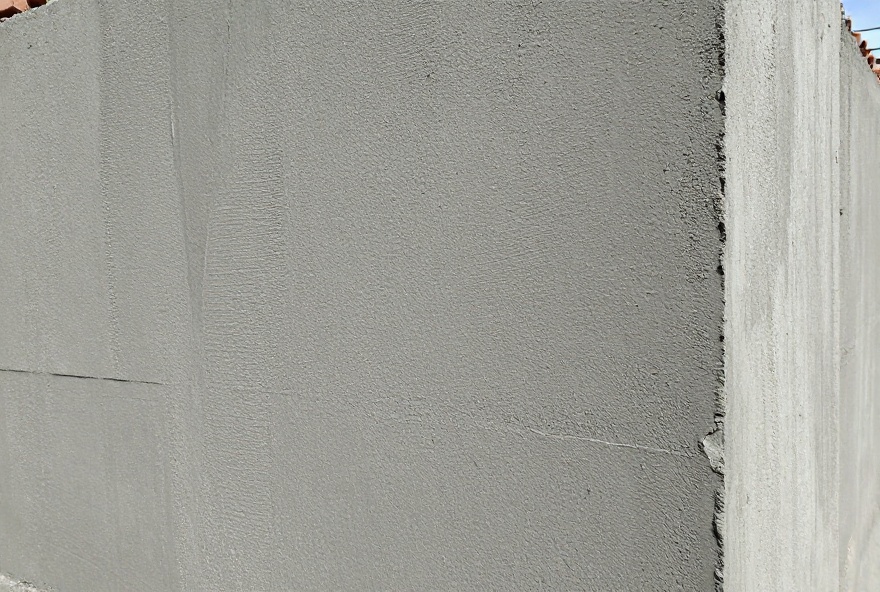
So, there you have it! Your choice of cement significantly impacts the longevity and cost-efficiency of your pacca home. By investing in premium cement, you’re ensuring a solid foundation that won’t crack under pressure. Sure, saving a few bucks today on cheap cement might seem tempting, but fast forward a couple of years down the road, and the repair bills roll in. Remember, premium cement isn’t just a product—it’s an investment in durability. You’ve got to think long-term and consider the value it adds to your home over time. Investing in quality from the get-go means fewer headaches and a consistently stable structure, giving you peace of mind. Isn’t that worth it?
Wrapping this up, if you’re ready to tackle your home project with the right tools and materials, don’t skimp on what’s important. Make the smart move and see for yourself why premium cement is your best investment for lasting results. Stay informed, and be sure to follow us on Facebook and Instagram for more tips on making your home the best it can be—one cement block at a time!





Leave a Reply