
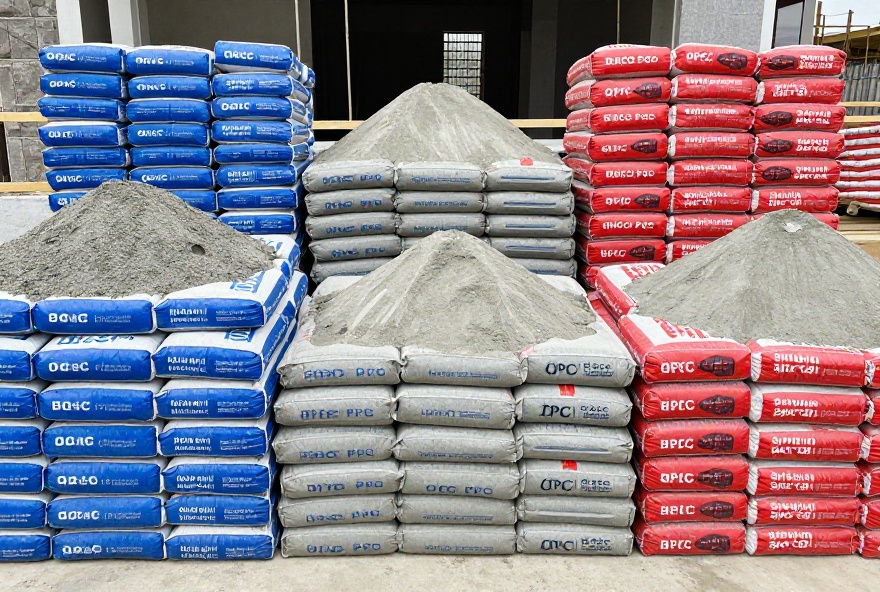
Building your dreamy pacca house? Let’s get chatty about a crucial detail often overlooked—cement. In ‘Here’s How Cement Type Impacts Your Pacca House Durability And Cost’, we’re diving into the nitty-gritty: OPC, PPC, or specialty cement? Ever splurged and thought, ‘Why not just save on cement?’ We’ll explore how each type affects durability, building speed, and your wallet. Ready for a cement conundrum cracked?
Key Takeaways
- Choose OPC if you want your pacca house to stand the test of time—it’s the ‘strong, silent type’ of cement.
- PPC cement might save you a buck and keep your house cooler. Who said savings aren’t cool?
- Specialty cement is your go-to for specific needs. Got quirky design plans?
- Speed matters—understand how cement type affects your construction timeline.
- Confused about cement for your home? Get the lowdown on durability and cost.
- Want to make knowledgeable choices for your home’s foundation? Dive into cement types!
- Cost vs. quality: What cement gives you the best balance?
- Discover which cement best suits your budget and home needs without sacrificing quality.
Understanding Cement Types for Your Pacca House
So, you’re planning to build a pacca house—that solid, permanent structure that’ll shelter your family for decades. Here’s the thing: most folks obsess over brick quality or architectural design, but they overlook one crucial decision that can make or break your home’s longevity and your wallet. We’re talking about cement type. Whether you go with OPC, PPC, or specialty cement, your choice ripples through durability, construction speed, and overall cost. Let’s dig into how each cement type performs and which one suits your specific pacca house needs.
- Cement isn’t just cement—different types have vastly different properties that affect how your pacca house withstands time, weather, and stress.
- The three main contenders—OPC (Ordinary Portland Cement), PPC (Portland Pozzolana Cement), and specialty variants—each bring unique advantages and trade-offs.
- Your choice impacts not just structural integrity but also construction timelines and budget allocation for your home project.
- Understanding these differences empowers you to make an informed decision tailored to your climate, soil conditions, and financial constraints.
OPC Cement: The Traditional Powerhouse
Ordinary Portland Cement—or OPC, as builders call it—has been the go-to choice for generations. It’s the cement your grandpa probably used, and honestly, there’s a reason it’s still around. OPC delivers high early strength, meaning your pacca house structure hardens quickly, allowing faster construction progression. But here’s where it gets interesting: that rapid strength gain comes with a price—literally and environmentally.
- Fast Setting Time: OPC reaches significant strength within 7-14 days, letting you move forward with construction without long waits—ideal if you’re eager to see your pacca house framework rise.
- Higher Heat Generation: During hydration, OPC releases considerable heat, which can cause micro-cracks in massive concrete sections—something worth considering for thick foundation work.
- Cost Factor: OPC typically costs more upfront because it requires higher energy during manufacturing, translating to steeper expenses for your cement budget.
- Durability in Mild Climates: OPC performs exceptionally well in dry, temperate regions but can struggle in aggressive environments like coastal areas with salt spray.
PPC Cement: The Economical Alternative
Now, let’s talk about Portland Pozzolana Cement—PPC. You know that moment when you find a product that does the job just as well but costs less? That’s PPC for many homebuilders. This cement blends Portland cement with pozzolanic materials like fly ash, creating a hybrid that’s gentler on your pocket and the environment. For pacca house construction in most Indian climates, PPC has become increasingly popular, and there’s solid reasoning behind the trend.
- Budget-Friendly: PPC costs 10-15% less than OPC because manufacturers use industrial by-products, making your cement expenditure leaner without compromising quality.
- Lower Heat of Hydration: PPC generates less heat during curing, reducing the risk of thermal cracks—especially beneficial for your pacca house if you’re pouring large concrete sections or building in hot climates.
- Enhanced Long-Term Strength: While PPC gains strength slower initially (taking 28 days for full development), its long-term durability often surpasses OPC, particularly in humid and chemically aggressive environments.
- Improved Workability: Many masons appreciate PPC for better plasticity and ease of application, meaning your construction team can work more efficiently on your pacca house project.
- Durability Against Sulfates: If your soil contains sulfates—common in certain regions—PPC offers superior resistance, protecting your foundation from chemical degradation.
Specialty Cements: Tailored Solutions for Unique Needs
Beyond the standard OPC and PPC, specialty cements exist for specific scenarios. These aren’t for every pacca house project, but they’re game-changers when conditions demand them. We’re talking about white cement, sulphate-resistant cement, low-heat cement, and rapid-hardening variants. If your home sits in an extreme environment or you have unique architectural demands, specialty options might justify their premium price tags.
- White Cement for Aesthetics: Perfect if your pacca house design includes exposed concrete finishes or decorative elements—white cement provides that pristine, modern appearance without needing additional finishing.
- Sulphate-Resistant Cement (SRC): Essential for areas with high groundwater salinity or sulfate-rich soil conditions—it prevents concrete deterioration and extends your pacca house’s structural life significantly.
- Rapid-Hardening Cement: When speed is critical—say, you’re racing against monsoon season for your pacca house construction—this cement gains strength in just 3-7 days, though it costs more.
- Cost vs. Benefit Trade-off: Specialty cements run 20-50% pricier than standard options, so they’re investments you make strategically, not across your entire pacca house project.
Climate and Environmental Factors: Your Decision Framework
Here’s where things get practical. Your geographical location and local climate conditions should heavily influence your cement type selection for your pacca house. A coastal property faces entirely different challenges than an inland, high-altitude location. Similarly, areas prone to heavy rainfall require different considerations than arid regions. Let’s break down how climate shapes your choice.
- Coastal Regions: Salt spray and saline soil demand either PPC or specialty sulphate-resistant cement for your pacca house—OPC simply won’t withstand the chemical assault over decades.
- High-Rainfall Areas: PPC’s superior resistance to water penetration makes it ideal for your pacca house in wet climates, reducing moisture-related deterioration and mold risks.
- Hot, Arid Climates: OPC’s fast strength gain can be advantageous in scorching heat where rapid concrete setting prevents weather-related issues, though PPC’s lower hydration heat also performs admirably.
- Sulfate-Rich Soil: Before finalizing your cement choice, conduct a soil test—if sulfates are present, PPC or SRC becomes non-negotiable for long-term pacca house durability.
Cost Analysis: Breaking Down the Budget Impact
Let’s get real about money. Your cement choice directly impacts your overall pacca house construction budget, and the differences compound across the volume needed. A typical residential pacca house requires hundreds of bags of cement, so seemingly small price differences translate to substantial savings or expenses. We’ve crunched the numbers, and here’s what matters financially.
- Per-Bag Cost Comparison: OPC typically runs ₹350-420 per bag, PPC ₹300-380, and specialty variants ₹450-600—your cement volume directly multiplies these differences across your entire pacca house project.
- Hidden Cost Savings with PPC: Lower cement cost plus reduced labor time due to better workability can save 5-8% on construction expenses—meaningful when budgets are tight for your pacca house.
- Long-Term Value Proposition: While PPC costs less upfront, its superior durability means fewer repairs and maintenance headaches, delivering better value over your pacca house’s 50+ year lifespan.
- Bulk Purchasing Strategy: Negotiate directly with suppliers for your pacca house’s full cement requirement—bulk orders often yield 3-5% discounts regardless of cement type.
Construction Timeline: How Cement Type Affects Your Schedule
You’ve probably noticed construction timelines slip constantly. Cement type plays a sneaky but significant role in whether your pacca house gets completed on schedule or faces delays. The strength-gain timeline determines when you can remove formwork, load the structure, and progress to the next phase. Rushing this process with wrong cement types risks structural issues; dragging it out extends your timeline unnecessarily.
- OPC’s Speed Advantage: With OPC, you’re removing formwork and progressing construction faster—typically 7-10 days versus 14-21 days with PPC—potentially trimming overall pacca house construction by weeks.
- PPC’s Patience Requirement: PPC demands longer curing periods, but this isn’t necessarily bad—the slower strength gain reduces thermal stress and often results in superior concrete quality for your pacca house long-term.
- Weather Dependency: Cold weather slows strength gain across all cement types, so if your pacca house construction spans winter months, factor in extended timelines regardless of cement choice.
- Concurrent Work Strategies: Smart project managers work around cement curing times—while one section hardens, other work progresses, minimizing schedule impact on your pacca house construction.
Making Your Final Decision: A Practical Checklist
Alright, you’ve absorbed a lot of information about OPC, PPC, and specialty cement options. Now comes the moment of truth—deciding which cement type truly fits your pacca house project. This decision shouldn’t be random or based solely on what your neighbor used. Instead, let’s create a personalized framework that considers your unique circumstances, priorities, and constraints.
- Assess Your Location: Is your pacca house site coastal, inland, high-altitude, or in a moisture-prone area? This single factor often determines whether PPC, OPC, or specialty cement is optimal—there’s rarely a one-size-fits-all answer.
- Evaluate Your Timeline: Do you need rapid construction progression, or can you accommodate longer curing periods? OPC suits aggressive schedules; PPC works if you’re flexible and willing to trade speed for long-term durability of your pacca house.
- Consider Your Budget: Calculate total cement requirements for your pacca house and multiply by unit costs—the savings with PPC often justify any minor schedule adjustments.
- Consult Local Experts: Chat with experienced builders and engineers familiar with your region—they’ll share invaluable insights about which cement type performs best in your specific climate for pacca house construction.
- Review Soil Test Results: Before finalizing, ensure you’ve tested your soil for sulfates, salinity, and pH—these results may mandate specific cement types for your pacca house’s longevity.
Real-World Performance: What Builders Actually See
Theory is one thing; what actually happens in the field is another. After years of observing pacca house projects across diverse regions, patterns emerge about which cement types deliver the promised performance. We’ve seen spectacular successes and disappointing failures—often traced back to cement selection. Here’s what real-world construction teaches us about durability, speed, and reliability.
- OPC’s Track Record: Performs brilliantly in dry climates where rapid strength gain matters—but shows cracking and deterioration faster in humid coastal zones, creating costly repairs decades into your pacca house’s life.
- PPC’s Consistency: Delivers reliable long-term performance across varied climates, with fewer surprise failures or maintenance issues—builders report greater confidence in PPC’s durability for pacca house projects.
- Specialty Cement Wins: In extreme conditions, specialty variants prove their worth—sulphate-resistant cement saves properties that would’ve failed with standard options, justifying premium costs for vulnerable pacca house locations.
- The Workmanship Factor: Even the best cement performs poorly with careless application—quality matters as much as cement type, so ensure your pacca house construction team understands proper mixing, placement, and curing regardless of cement choice.
For deeper insights into pacca house construction fundamentals, explore comprehensive pacca house building guidance that covers cement selection alongside other critical construction decisions.
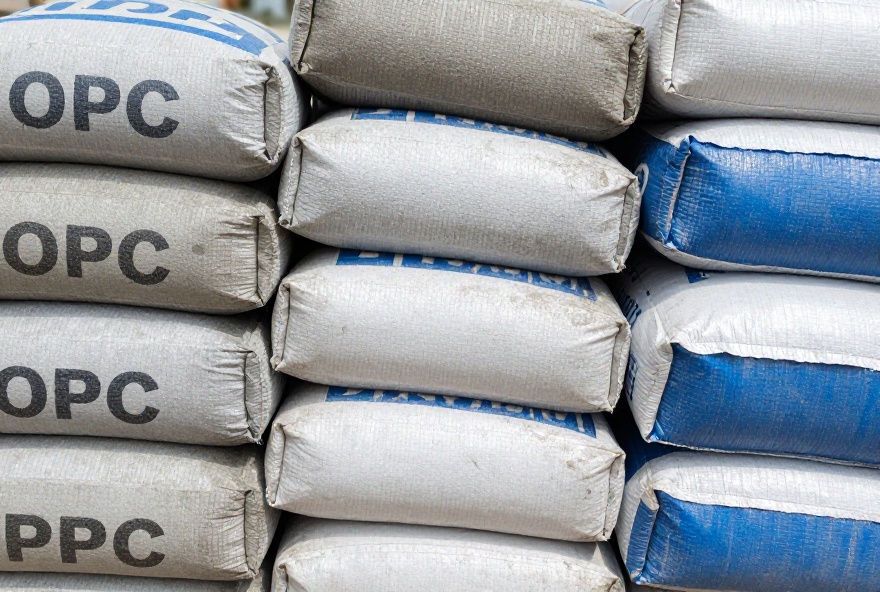
Choosing the right cement for your pacca house is like picking the perfect coffee blend; it sets the tone for everything else. Opt for Ordinary Portland Cement (OPC), if you’re aiming for a quick and structurally sound build — your house will dance through time without missing a beat. On the flip side, Portland Pozzolana Cement (PPC) might take its sweet time, but it rewards you with enhanced durability and a better budget balance. If your home dreams are a little more specialty-oriented, consider specialty cement, which caters to unique needs with flair. Whichever route you choose, each cement type impacts how your dreams will stand the test of time, speed, and budget constraints.
Still unsure which cement bag to grab? Why not take the next step and consult with your local architect, or better yet, share your own success stories or dilemmas with us on Facebook and Instagram? Let’s cement these ideas together, shall we?





Leave a Reply