
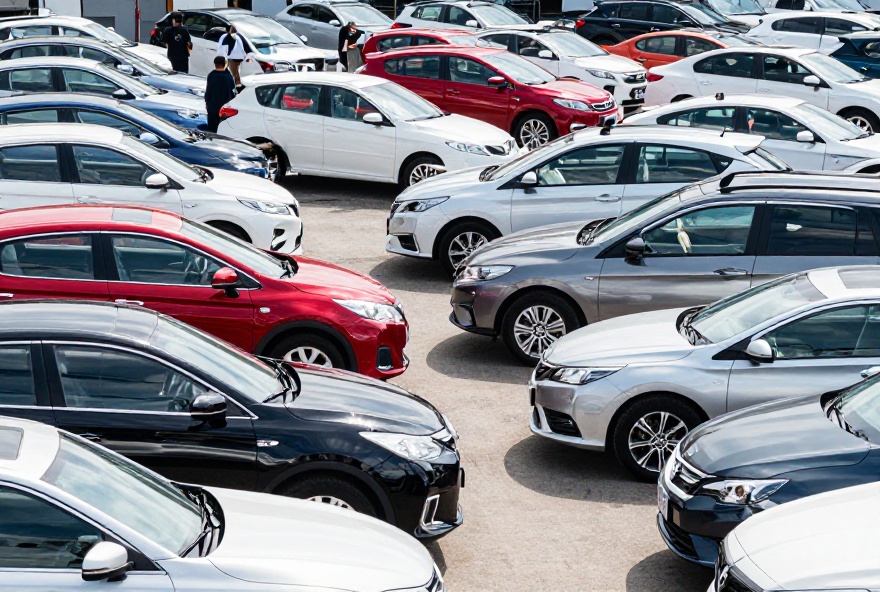
Ever jumped into buying a pre-owned car only to find it’s like opening a Russian nesting doll of unexpected costs? Our blog post, “Checklist For Hidden Costs When Buying Pre-Owned Cars,” is your trusty sidekick against those sneaky expenses. From the quirky to the dreaded, we’ll guide you to dodge the financial curveballs before you drive off the lot and into blissful money-saving glory!
Key Takeaways
- Factor in unexpected repair costs—because car surprises aren’t the fun kind.
- Don’t overlook insurance hikes—your new ride might demand a pricier policy.
- Watch out for dealership fees sneaking in under the radar.
- Set aside a budget for titling and registration—it ain’t all about the sticker price.
- Consider potential maintenance upgrades; nobody likes a squeaky wheel.
- Plan for inflation adjustments, because gas and taxes often don’t stay friendly.
- Check warranty limitations—after all, coverage is your best friend.
The True Cost of Going Used: Beyond the Sticker Price
You know that moment when you find the perfect pre-owned car at what seems like an unbeatable price? Yeah, that’s when the hidden costs start creeping in. Buying a used car isn’t just about negotiating the sale price—there’s a whole checklist of sneaky expenses lurking beneath the surface that can turn your “great deal” into a financial headache. Understanding which hidden costs to budget for before you drive off the lot is absolutely crucial. Let me walk you through the expenses that most buyers overlook when purchasing pre-owned vehicles.
- Inspection and Diagnostic Fees: Getting a pre-purchase inspection from a trusted mechanic typically costs $100–$200, but it’s money well spent to catch major issues early.
- Title Transfer and Registration: Don’t forget about state fees for transferring ownership—this can range from $50 to $500 depending on your location.
- Sales Tax on the Purchase Price: Many states charge sales tax on used car purchases, which could add 5–10% to your total cost.
- Documentation and Admin Fees: Some dealerships tack on doc fees, which can be $200–$1,000—and yes, these are often negotiable.
Hidden Mechanical Issues That’ll Drain Your Wallet
Here’s the thing about pre-owned cars: you’re inheriting someone else’s driving habits and maintenance decisions. While the vehicle might look pristine on the outside, the mechanical gremlins hiding under the hood could cost you thousands. This is where a thorough inspection becomes your best friend. Knowing which mechanical red flags to watch for can save you from buying a lemon.
- Transmission and Engine Problems: These are the big ones—transmission repairs can easily exceed $2,000–$4,000, while engine issues might require even deeper pockets.
- Suspension and Brake System Work: Worn-out suspension components or brake pads that need replacing can add $500–$2,000 to your post-purchase expenses.
- What about the Timing Belt? If it hasn’t been replaced and you’re buying a higher-mileage vehicle, budget for a $500–$1,500 replacement soon after purchase.
- Battery and Electrical Faults: Modern car batteries aren’t cheap—expect $100–$300 for a replacement, and electrical diagnostics can be costly if problems aren’t obvious.
Insurance, Registration, and Ongoing Fees You Can’t Escape
Think the costs end after you buy the car? Not quite. Insurance premiums, registration renewals, and emission testing are all part of the ongoing financial commitment that many first-time used car buyers underestimate. These recurring expenses add up faster than you’d think, especially if you’re financing the vehicle and need comprehensive coverage.
- Insurance Premium Increases: Your insurance costs might spike depending on the car’s age, condition, and your location—sometimes by $50–$150 monthly compared to your previous policy.
- Registration Renewal Fees: Annual registration can cost anywhere from $100–$400, and some states charge higher fees for older vehicles.
- Emission Testing and Certification: Depending on where you live, you might need to pass emission tests every year or two, costing $30–$100 per test.
- Warranty and Extended Protection Plans: If the car’s original warranty has expired, you might want extended coverage—expect $500–$2,500 for peace of mind.
Cosmetic Repairs That Add Up Faster Than You’d Expect
Let’s be honest—pre-owned cars often come with minor cosmetic issues that don’t affect safety but definitely affect your wallet and peace of mind. Paint chips, upholstery damage, and worn-out trim pieces might seem trivial, but when you’re calculating the true cost of your purchase, these sneaky expenses deserve a spot on your checklist. Before finalizing your purchase, get a realistic estimate for addressing these issues.
- Paint Touch-Ups and Repainting: A fresh coat of paint or spot repairs can range from $200–$1,500 depending on the damage extent and your vehicle type.
- Interior Upholstery Work: Seat repairs, carpet cleaning, or dashboard replacements might cost $300–$2,000 to restore that “like-new” feeling.
- Tire and Wheel Replacements: If the tires are worn, budget for a complete set—that’s typically $400–$1,200 depending on the quality you choose.
- Glass Repairs and Replacements: Windshield or window damage repairs generally run $200–$500, depending on severity.
Maintenance and Service Records: The Hidden Story They Tell
You know what’s really telling? A used car’s maintenance history. Cars with complete service records are typically more reliable—and if they’re not, at least you know what you’re getting into. Missing maintenance records, however, are a red flag that could indicate deferred repairs and upcoming expenses. This is one area where being thorough during your investigation pays serious dividends.
- Identify Deferred Maintenance: If records show skipped oil changes or delayed repairs, expect to budget for catching up on those services immediately after purchase.
- Check Fluid Levels and Condition: Dirty transmission fluid, low coolant, or dark brake fluid suggest pending fluid flush services—adding $200–$500 to your costs.
- Warranty Coverage Details: Understanding what’s still covered under any remaining warranty can offset some future repair costs if you know where to look.
- Service Intervals Coming Due: Calculate upcoming maintenance like air filter replacements, fuel filter changes, or cabin air filter updates—these run $50–$300 each.
Financing Fees and Interest Rates That Sneak Into Your Budget
If you’re financing your pre-owned car purchase, congratulations—you’ve just added another layer of hidden costs to consider. Interest rates, loan origination fees, and gap insurance aren’t always transparent, and they can significantly impact your total out-of-pocket expense over the life of the loan. This is where shopping around for the best financing deal becomes absolutely essential.
- Loan Origination and Processing Fees: Lenders often charge 1–3% of the loan amount as origination fees, which can add $300–$1,500 to your costs.
- Interest Rate Variations: A higher interest rate (even 1% difference) can cost you thousands over a 5-year loan—compare offers from multiple lenders.
- Gap Insurance Costs: This protection costs $200–$600 upfront but covers the difference if your car is totaled before the loan is paid off.
- Prepayment Penalties: Some loans penalize early payoff—read the fine print to avoid unexpected fees if you want to pay off your car early.
Location-Specific Costs That Vary by Region
Here’s something that catches a lot of buyers off guard: the cost of buying and maintaining a used car varies dramatically depending on where you live. Coastal areas, urban centers, and regions with strict emissions standards all have different fee structures and repair costs. What’s cheap in one state could be expensive in another, so understanding your local market is key to creating an accurate budget.
- State-Specific Fees: Some states charge higher registration, title transfer, and inspection fees—research your local DMV requirements before finalizing your purchase.
- Regional Repair Costs: Mechanic labor rates vary significantly by location—major cities typically charge 30–50% more per hour than rural areas.
- Climate and Environmental Factors: If you live in a harsh climate, expect higher maintenance costs for rust prevention, battery replacement, and seasonal tire changes.
- Insurance Rate Variations: Urban areas with higher accident and theft rates typically have higher insurance premiums than suburban or rural regions.
Your Pre-Owned Car Checklist: Putting It All Together
Alright, so you’ve got all these hidden costs floating around in your head—now what? The key is creating a comprehensive checklist that accounts for everything before you sign on the dotted line. When you’re evaluating a pre-owned car, don’t just focus on the purchase price. Factor in inspections, repairs, insurance, registration, and ongoing maintenance to get a realistic total cost of ownership. This approach helps you dodge those financial curveballs that catch so many buyers off guard.
- Get a Pre-Purchase Inspection: Invest in a thorough inspection from an independent mechanic—it’s the single best way to uncover hidden mechanical issues before they become your problem.
- Request Complete Maintenance Records: Ask the seller for documentation of all service history—this transparency helps you identify what’s been maintained and what might be coming due.
- Calculate Total Cost of Ownership: Add the purchase price, expected repairs, insurance, registration, and maintenance to get your true financial commitment.
- Negotiate Based on Findings: Use inspection results and maintenance gaps to negotiate a lower price or have the seller address issues before the sale closes.
- Budget for Surprises: Set aside an emergency fund (at least $500–$1,000) for unexpected repairs that always seem to pop up after you buy a used vehicle.
Making Your Decision with Confidence
Buying a pre-owned car doesn’t have to be a financial minefield. By understanding the hidden costs and creating a detailed checklist, you’re setting yourself up for success. The trick is being thorough during your investigation, asking tough questions, and never skipping that independent inspection. When you know exactly which sneaky expenses to budget for, you can make an informed decision that aligns with your financial situation. For more comprehensive guidance on avoiding costly mistakes in the used car market, check out this detailed resource on used car purchases.
- Trust Your Gut: If something feels off about a vehicle or a deal, walk away—there are always other options out there.
- Negotiate Everything: The asking price isn’t set in stone—use your inspection findings to negotiate repairs, price reductions, or warranty coverage.
- Document Everything: Keep records of all communications, inspection reports, and agreements to protect yourself if issues arise after purchase.
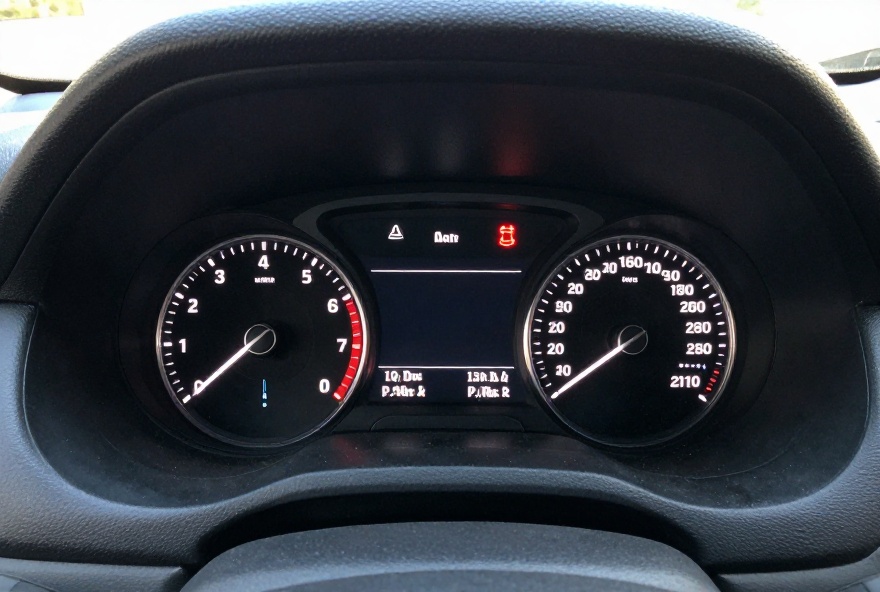
Let’s face it—buying a pre-owned car can sometimes feel like exploring a mystery novel, with hidden plot twists like unexpected fees popping up when you least expect them. We’ve unraveled some of those sneakier expenses—like potential repairs lurking beneath the hood or mysterious documentation fees—to help you budget smartly before driving off into the sunset. Having a checklist is your trusty sidekick for dodging those unforeseen financial curveballs and making sure your used car purchase stays on budget and stress-free!
Want more tips and tricks to outsmart the auto market? Give us a shout or join our community on social media! Facebook, Instagram. Let’s stay connected and keep you in the driver’s seat when it comes to smart financial decisions.





Leave a Reply