
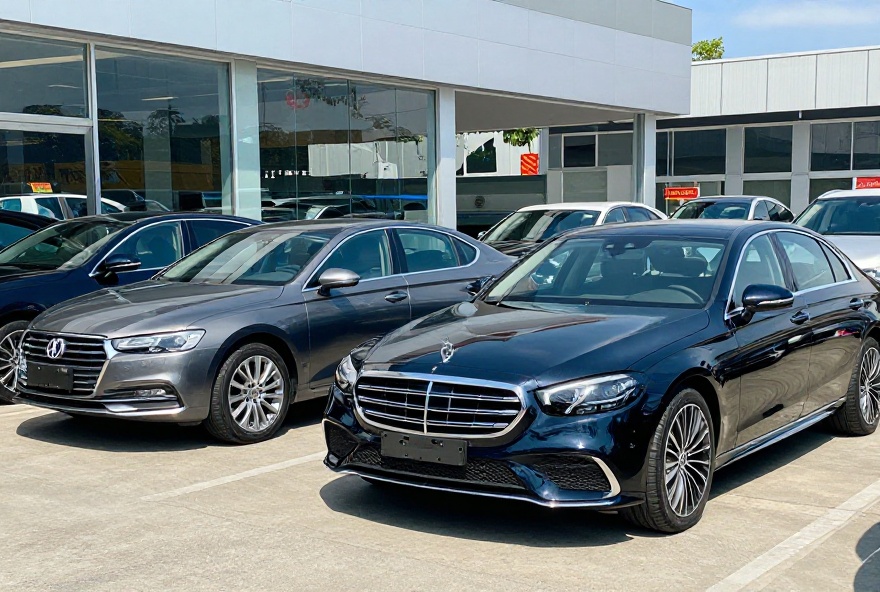
Ever looked at that shiny car with a ‘certified pre-owned’ tag and thought, ‘Is this really worth the extra bucks?’ Well, you’re not alone. In ‘Why Certified Pre-Owned Cars Cost More Than Uncertified,’ we’re diving into whether that ‘certified’ badge is a savvy choice or just expensive dealer hocus-pocus. Get your motor running as we rev through the pros and cons!

Key Takeaways
- Is that ‘certified’ sticker just a glorified price tag?
- Find out if certified cars are truly a safer bet or just a savvy dealer trick.
- Understand the extra costs behind certified pre-owned vehicles.
- Explore how certification can affect car warranties and conditions.
- Compare peace of mind versus your wallet when buying certified.
- Discover the fine line between dealer magic and genuine value.
- Are certified cars really worth the extra bucks, or are we just buying a label?
The Certified Pre-Owned Premium: What You’re Actually Paying For
You know that moment when you’re shopping for a used car and you see that “certified pre-owned” sticker price? Yeah, it’s usually a few thousand dollars higher than the uncertified version sitting right next to it. But here’s the thing—that premium isn’t just dealer markup magic. There’s actually some real stuff backing up that price tag. Let’s dig into what makes certified pre-owned cars cost more than their uncertified counterparts and whether your wallet should thank you for splurging.
- Rigorous Inspection Standards: Certified vehicles go through multi-point inspections (often 100+ checks) that uncertified cars skip entirely.
- Manufacturer-Backed Warranties: You’re getting peace of mind with extended coverage that uncertified cars typically don’t offer.
- Reconditioning Costs: Dealers invest thousands in repairs, detailing, and mechanical work before certification happens.
- Market Demand & Resale Value: Certified badges hold their value better, which dealers price in from day one.
Understanding the Inspection Process Behind the Label
So what exactly goes into that “certified” stamp? It’s way more thorough than you’d think. We’re talking about dealerships following strict manufacturer protocols—not just a quick once-over by some guy named Bob with a clipboard. These inspections are designed to catch problems that might not show up until you’re three months into ownership and suddenly your transmission sounds like a angry robot.
- Component-by-Component Evaluation: Brakes, suspension, electrical systems, and engine performance all get tested against manufacturer specs.
- Vehicle History Reports: Certified pre-owned cars come with transparent accident and service records—uncertified ones? Not so much.
- Emissions Testing: Environmental standards must be met, ensuring you’re not buying an eco-disaster on wheels.
- Safety Feature Verification—All airbags, anti-lock brakes, and safety tech are confirmed functional and up to spec.
Warranty Coverage: The Real Safety Net
Here’s where certified pre-owned cars genuinely shine compared to uncertified vehicles. That warranty isn’t just a fancy piece of paper—it’s your financial lifeline if something goes wrong. Uncertified cars? You’re typically buying them “as-is,” which means if the transmission dies next week, that’s your problem, buddy. Not exactly a fun surprise when you’re already stretching your budget.
- Extended Factory Warranties: Most certified cars come with 5-7 years or 60,000-100,000 miles of coverage, dramatically reducing your risk.
- Powertrain Protection: Major components like engines and transmissions are covered—the expensive stuff that can drain your bank account.
- Roadside Assistance: Certified programs often include towing, lockout service, and jump-starts included in the package.
- No “As-Is” Surprises—Unlike uncertified purchases, you’ve got recourse if defects appear shortly after buying.
The Reconditioning Investment: What Dealers Actually Spend
That higher price tag? Part of it reflects real money the dealer has already spent getting that car into tip-top shape. We’re not talking about slapping on some new floor mats and calling it a day. Certified pre-owned cars often receive hundreds—sometimes thousands—in repairs, replacements, and cosmetic work before they hit the lot. Uncertified cars might be sold with minimal prep, which is why they’re cheaper but riskier.
- Mechanical Repairs & Replacements: Brake pads, filters, worn belts, and fluid replacements add up fast across dozens of vehicles.
- Detailing & Cosmetic Work: Professional cleaning, paint touch-ups, upholstery repair, and interior restoration aren’t cheap.
- Electrical & Technology Updates: Software updates, sensor calibrations, and infotainment system checks ensure modern functionality.
- Parts Replacement Standards—Dealers replace worn components with OEM or certified parts, not budget alternatives.
Resale Value: Why the Certification Matters Down the Road
You know what’s interesting? That certified pre-owned car you buy today will likely be worth more when you sell it than an uncertified equivalent would be. Buyers—future buyers, that is—are willing to pay more for that certified badge because it signals reliability and trust. It’s a ripple effect that starts the moment you drive it off the lot. The dealer knows this, which is why they’re pricing it higher upfront. They’re betting (correctly, most of the time) that you’ll recoup more of your investment later.
- Stronger Market Demand: Certified vehicles sell faster and attract more serious buyers than uncertified options.
- Transparent History: The documented service and inspection records make future buyers more confident in their purchase decision.
- Brand Trust: Manufacturer certification carries weight—it’s basically the dealership’s reputation on the line, not just some random seller’s word.
- Depreciation Curves—Certified pre-owned cars typically hold 5-10% more value over 3-5 years compared to uncertified vehicles.
Uncertified Cars: The Gamble and the Savings
Now, let’s be real about the other side of the coin. Uncertified cars are cheaper for a reason. You’re basically buying a mystery box on wheels. Sure, you might luck out and find an amazing deal on a well-maintained vehicle from a private seller or a smaller lot. But you’re also taking on all the risk—and potentially some seriously expensive surprises. There’s no warranty safety net, no dealer accountability, and no manufacturer backing. It’s the automotive equivalent of buying lottery tickets, except the prize might be a $5,000 transmission replacement.
- As-Is Sales Mean No Recourse: If something breaks, it’s 100% your financial responsibility from day one.
- Limited Transparency: You’re relying on the seller’s honesty and whatever you can learn from a pre-purchase inspection.
- Immediate Out-of-Pocket Repairs: Budget for potential fixes within the first few months—dealers already accounted for this in their lower price.
- Steeper Depreciation—Without certification, resale value drops faster, eating into your investment.
Is the Certified Premium Actually Worth It?
So, circling back to the big question: Is that certified pre-owned premium justified, or is it just dealer markup magic? The honest answer? It depends on your situation. If you’re keeping the car for several years, plan to drive it hard, and value peace of mind over short-term savings, certification is genuinely worth the extra cash. If you’re mechanically savvy, have a trusted mechanic in your corner, and only plan to keep the car for a year or two, an uncertified vehicle might make sense. For most people, though, the warranty coverage and inspection standards tip the scales toward certification—especially when you factor in resale value and the stress-free ownership experience.
- Calculate Your Risk Tolerance: Factor in repair costs you might face with an uncertified car versus the peace of mind certification offers.
- Compare Long-Term Costs: Include potential repairs, resale value, and warranty coverage when weighing the premium price.
- Check Dealer Reputation: Not all certifications are created equal—some dealers have higher standards than others.
- Review Warranty Details Carefully—Different manufacturers and dealers offer varying coverage levels, so read the fine print.
Making Your Decision: Certified or Uncertified?
At the end of the day, buying a certified pre-owned car is about trading upfront cash for reduced risk and future value. It’s not dealer markup magic—it’s a legitimate service backed by real inspections, real repairs, and real warranty protection. Want to dive deeper into the certified pre-owned landscape and make an informed decision? Check out our comprehensive guide on certified pre-owned cars for more insights and expert tips.
- Test Drive Both Options: Experience certified and uncertified vehicles to understand the quality difference firsthand.
- Get a Pre-Purchase Inspection: Whether certified or not, an independent mechanic’s evaluation is always worth the investment.
- Factor in Your Driving Habits: High-mileage drivers benefit more from warranty coverage than occasional drivers.
- Trust Your Gut—If something feels off about an uncertified deal, it probably is.

Examining why certified pre-owned cars cost more than uncertified options reveals some interesting points. First, the ‘certified’ label isn’t just about showroom glitz—it often signifies a rigorous inspection process, extended warranties, and roadside assistance packages. This can offer peace of mind for buyers seeking reliability. However, the question of whether the premium price is justified depends on individual priorities. If you value added security, that extra cash might well be worth it. But sometimes, it might simply be a dealer’s markup magic at work. Weighing these pros and cons wisely aligns you closer with the core message: always know what you’re truly paying for.
Still curious about maximizing your car-buying dollars? Or perhaps you feel the urge to dive deep into the allure of a certified label versus the independent renegade style of an uncertified vehicle? Discuss it with us on Facebook, catch us on Instagram, and don’t forget to subscribe for more savvy buying tips! Your odyssey for the perfect ride starts with the right knowledge.





Leave a Reply