
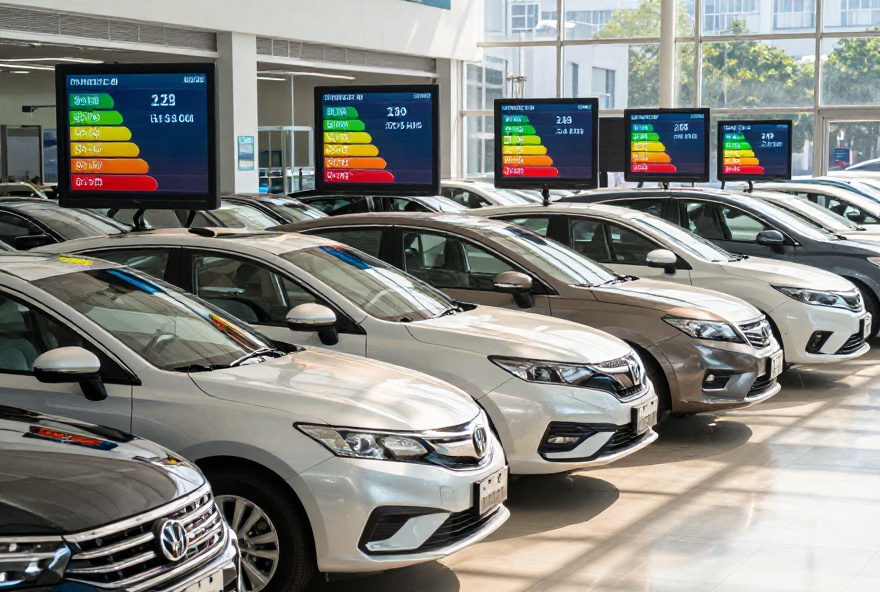
Ever felt that nagging doubt whispering in your ear about your car’s mpg? In our blog post, “How To Calculate True Fuel Efficiency Of Used Cars,” we’ll unravel the mysteries behind EPA estimates and manufacturer claims. We’ll show you how to predict what you’ll really shell out on fuel for your trusty pre-loved ride. Join us as we cut through the fluff with a dose of humor and expertise!
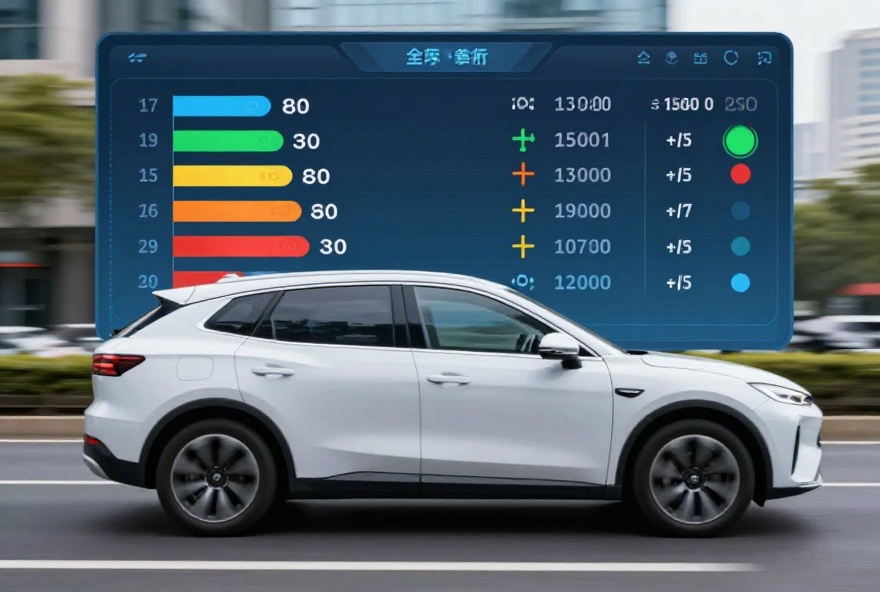
Key Takeaways
- Uncover the real fuel costs beyond EPA estimates.
- Why trust manufacturer claims when you can do the math?
- Find out how your pre-owned car really sips or guzzles gas.
- Say goodbye to misleading mileage promises!
- Discover the secrets to calculating true MPG for used cars.
- Ready to take control of your fuel budget? Buckle up!
Why EPA Estimates Don’t Tell the Whole Story
You know that moment when you buy a used car based on the EPA’s fuel efficiency rating, only to watch your gas bills climb faster than you expected? Yeah, we’ve all been there. The truth is, EPA estimates are just that—estimates. They’re calculated under ideal, controlled conditions that rarely match real-world driving. When you’re calculating true fuel efficiency of used cars, you need to dig deeper than the window sticker and understand what actually impacts your wallet at the pump.
- EPA tests conducted at moderate speeds in laboratories—not in rush-hour traffic or mountain driving.
- Real-world conditions include aggressive acceleration, idling, and varied temperatures that tank efficiency.
- Manufacturer claims often reflect best-case scenarios, not your daily commute reality.
- Age and wear on used vehicles can reduce efficiency by 10-20% compared to new car ratings.
Understanding the Real Factors Affecting Your Fuel Costs
Here’s the thing—calculating true fuel efficiency isn’t just about looking at numbers on paper. It’s about understanding how your specific driving habits, the car’s condition, and environmental factors work together to determine what you’ll actually spend. Let’s break down the real culprits that eat into your gas mileage.
- Driving Habits Matter More Than You Think: Aggressive acceleration and constant braking can reduce fuel efficiency by up to 33%, while smooth, consistent driving keeps you closer to optimal numbers.
- Does your commute include highway miles or city stop-and-go traffic? City driving typically costs 20-30% more in fuel than highway driving.
- Vehicle Condition is Everything: A used car with worn spark plugs, dirty air filters, or misaligned wheels can lose 3-10% efficiency without you realizing it.
- Temperature swings—especially winter cold—can reduce fuel economy by 15% or more because engines run less efficiently and tire pressure drops.
The Maintenance History Check That Changes Everything
Want to know a secret? The maintenance records of a used car tell you almost as much about its true fuel efficiency as the odometer reading. When you’re calculating fuel efficiency for a pre-owned vehicle, you need to investigate what’s been done to keep it running smoothly. A well-maintained engine is a fuel-efficient engine, period.
- Check if the previous owner kept up with regular oil changes—synthetic oil reduces friction and improves efficiency by 1-2%.
- Look for records of air filter replacements; a clogged filter can reduce fuel economy by up to 10%.
- Tire maintenance history is crucial: Under-inflated tires increase rolling resistance and can cost you 3% in fuel efficiency per PSI below recommended pressure.
- Engine tune-ups and spark plug replacements directly impact combustion efficiency and your gas mileage.
Calculating Your Actual Fuel Costs: The DIY Method
Alright, let’s get practical. You can absolutely calculate true fuel efficiency yourself, and it’s easier than you’d think. This method cuts through the marketing noise and gives you real numbers based on actual consumption. Here’s how to predict exactly what you’ll spend on gas with your specific used car.
- Fill up your tank completely, note the odometer reading, and drive normally for at least 200 miles.
- Refill to full and record the gallons pumped: Divide miles driven by gallons used to get your real-world MPG—this beats any EPA estimate.
- Repeat this calculation over several fill-ups and different seasons to account for temperature and driving variation impacts.
- Once you have your average MPG, multiply it by your local gas price and your annual mileage to predict yearly fuel costs.
The Vehicle History Report Deep Dive
Before you calculate anything, you need to know what you’re working with. A comprehensive vehicle history report isn’t just about accident records—it’s a goldmine of information that impacts fuel efficiency. Think of it as the car’s medical history, and we’re checking for conditions that’ll drain your gas tank.
- Check for flood damage or rust, which can affect engine seals and reduce efficiency silently over time.
- Multiple owners in a short period? This often indicates potential mechanical issues that impact fuel economy, even if they haven’t been reported.
- Service records showing transmission problems or engine work can hint at efficiency loss—if the transmission’s been serviced, efficiency might already be compromised.
- Look for title issues or odometer rollback red flags, which might indicate a vehicle that’s been heavily driven and less efficiently maintained.
Seasonal Variations and Long-Term Predictions
Here’s what most people miss when calculating true fuel efficiency of used cars: your numbers change with the seasons. Winter gas prices you differently than summer does, and if you’re planning to own this car long-term, you need to account for that reality. Let’s talk about making predictions that actually stick.
- Winter typically reduces fuel economy by 10-20% due to engine cold-start inefficiency and denser air.
- Calculate seasonal averages: Track your MPG during different seasons and create a weighted average for annual budgeting.
- Consider how your driving patterns change—do you drive more in summer road trips or winter commutes?
- Factor in that older used cars may degrade fuel efficiency by 1-2% annually, so don’t assume year-one numbers stay constant.
Comparing Used Cars: The Efficiency Showdown
Shopping for a used car and torn between two options? This is where calculating true fuel efficiency becomes your decision-making superpower. You’re not just comparing sticker prices—you’re comparing total cost of ownership. Let’s make sure you pick the winner for your wallet.
- Create a spreadsheet comparing purchase price, estimated annual fuel costs, and maintenance history for each candidate vehicle.
- Calculate 5-year and 10-year fuel cost projections: A $2,000 difference in purchase price might disappear in fuel costs within two years.
- Don’t overlook insurance costs paired with fuel efficiency—some older, efficient models have lower premiums.
- Consider resale value impact; some efficient models hold value better, offsetting higher upfront costs.
Red Flags That Signal Poor True Fuel Efficiency
Want to avoid a fuel-guzzling nightmare? Learn to spot the warning signs before you sign the paperwork. Some red flags are obvious, while others hide in plain sight. When you’re calculating fuel efficiency for a used car, these indicators should make you pause and investigate further.
- Excessive exhaust smoke (black, blue, or white) suggests engine problems that directly tank fuel economy.
- Engine knocking or hesitation during acceleration indicates carbon buildup or timing issues that reduce efficiency.
- Visible oil leaks or a burning oil smell mean engine seals are failing, compromising combustion efficiency.
- Transmission slipping or rough shifting—where RPMs spike without smooth acceleration—wastes fuel constantly.
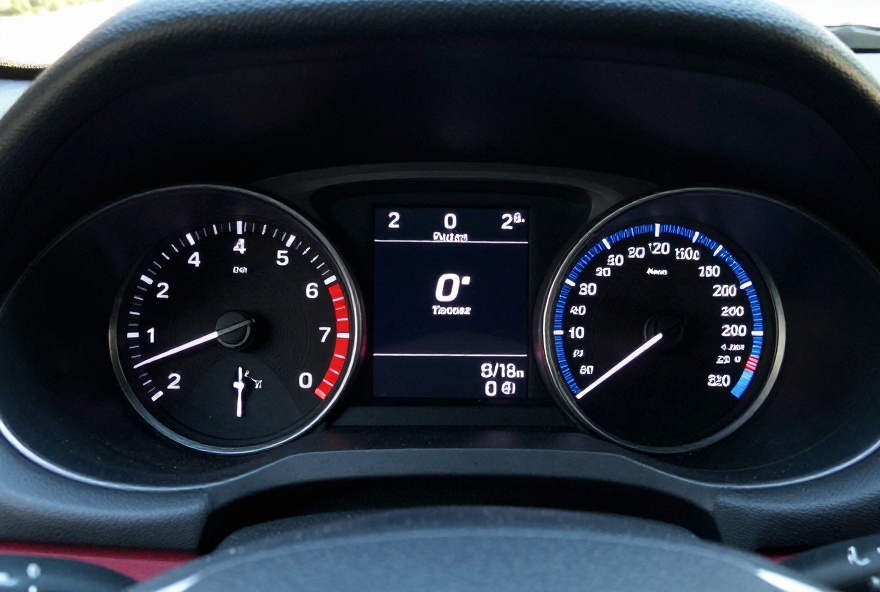
When it comes to understanding the true fuel efficiency of your used car, cutting through those tantalizing EPA estimates and flashy manufacturer claims is essential. This blog dives into the nitty-gritty of calculating how much you’re really spending on gas with your specific vehicle. We explored practical steps like tracking your mileage and analyzing driving habits, all to provide a more personalized fuel efficiency portrait. Forget the one-size-fits-all approach; this method hones in on what’s under your own hood. Armed with this knowledge, predicting your fuel costs is less daunting and more accurate. It’s your tailored way to ensure those fuel dollars stretch further, making sure that every pump stop gives value for your buck.
So, are you ready to bid adieu to exaggerated claims and embrace your true fuel reality? Journey over to our social media, get the full scoop, share your own fuel-saving tips, and connect with other savvy drivers. Let’s drive smarter together! For further adventures and chats, join us on Facebook, tag along on our road trips via Instagram, or send us your questions on Twitter. Roll with us as we fuel this passion!





Leave a Reply