

Shopping for a used car? It’s a jungle out there! But fear not—our “Checklist Of Questions To Ask Before Buying Used Cars” is your safari guide. Want to avoid the lemons and uncover a car’s true story? Arm yourself with savvy questions that matter, steering clear of small talk. Dive into this blog for game-changing knowledge that’ll save you from buyer’s remorse!
Key Takeaways
- Why was the car sold? Don’t be shy – get the scoop!
- Prior accidents might reveal a lot more than character.
- Maintenance history—did it get regular TLC or is it a neglect case?
- Check the title status—hidden surprises not welcome!
- How many owners has it danced with in its lifetime?
- Query about warranties; can you expect any guarantees?
- Dive into mileage—are those adventures or just a road trip myth?
- Inspect for rust and wear—nobody likes rusty surprises.
Why Asking the Right Questions Matters When Buying Used Cars
You know that sinking feeling when you realize you’ve made a purchase without doing your homework? Yeah, buying used cars is definitely not the place to wing it. The difference between a great deal and a money pit often comes down to one thing—asking the right questions before signing on the dotted line. When you’re armed with the exact questions that reveal a car’s true story, you skip past the glossy marketing talk and dig into the details that actually matter. Think of this checklist as your personal investigator’s toolkit, helping you uncover what the seller might not volunteer.
- Skip surface-level conversations and get straight to what impacts your safety and wallet.
- Reveal hidden damage, maintenance issues, and accident history through strategic questioning.
- Build confidence in your purchasing decision with factual, documented answers.
- Avoid costly surprises that could drain your bank account months down the road.
- Use a structured approach to compare multiple vehicles objectively.
Understanding the Vehicle’s Maintenance History
Maintenance history is like a car’s medical records—it tells you everything you need to know about how well it’s been cared for. When you’re evaluating used cars, this is where the rubber meets the road. A well-maintained vehicle with documented service records is worth its weight in gold, while one with gaps in maintenance? That’s a red flag the size of Texas. This section digs into the questions that reveal whether the previous owner treated this car like a cherished investment or just a temporary ride.
- Request complete service records: Oil changes, tire rotations, brake service—all of it should be documented with dates and mileage.
- How often was the vehicle serviced, and was it done at authorized dealerships or independent shops?
- Ask about major repairs: Transmission work, engine issues, or suspension repairs tell you a lot about the car’s reliability going forward.
- Were there any recalls on this model, and have they all been addressed?
- What’s the condition of fluids—oil, coolant, transmission fluid—and when were they last changed?
Investigating Accident History and Frame Damage
Here’s the uncomfortable truth: not every accident gets reported, and not every seller volunteers this information willingly. When buying used cars, accident history is absolutely crucial because structural damage can compromise everything from safety to resale value. This is where you need to ask tough questions and verify answers independently. A car that’s been in a serious accident might look fine on the surface but harbor problems that’ll haunt you for years.
- Has this car ever been in an accident? Listen carefully to the answer—hesitation or vagueness is telling.
- Request a vehicle history report that documents any reported accidents, and cross-reference with insurance claims if possible.
- Was there any frame damage, and if so, was it professionally repaired?
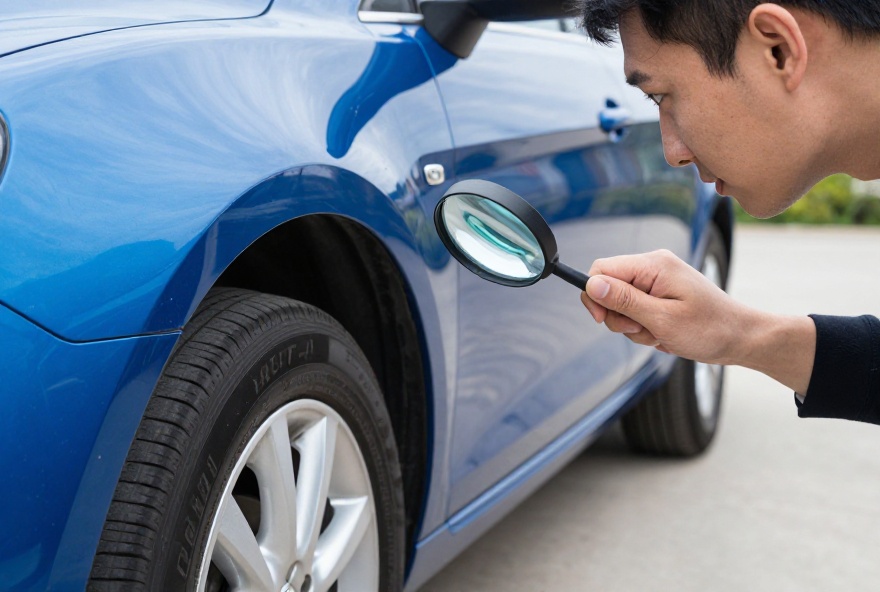
- Check for paint inconsistencies: Different paint thickness on body panels often indicates previous repairs or repainting.
- Ask whether the car was ever declared a salvage or rebuilt title vehicle—these carry significant risk.
Verifying Ownership and Title Status
The title is basically the car’s birth certificate and ownership deed rolled into one. Before you even think about handing over cash for used cars, you absolutely need clarity on who legally owns this vehicle and whether there are any liens or claims against it. A clean title means a smooth transaction; a complicated title means headaches you don’t want. Think of these questions as your legal protection.
- Is the title clear and free of liens? A lien means the bank or another lender still has a claim on the vehicle.
- How many previous owners has this car had, and can you verify their identities?
- Has the odometer ever been rolled back or tampered with—this is illegal but it happens?
- Is this a salvage title or branded title? These indicate the car was previously deemed a total loss or had major issues.
- Will the seller provide all necessary documentation for the title transfer, and are they willing to handle it at the DMV?
Assessing Current Mechanical Condition
You don’t need to be a mechanic to ask smart questions about a car’s current mechanical state. When you’re shopping for used cars, understanding how all the major systems are functioning—or not—is essential. Some issues are quick fixes, while others signal deeper problems. The goal here is to separate cosmetic concerns from mechanical nightmares that’ll cost you serious money.
- Does the engine start smoothly, and are there any unusual sounds like knocking or grinding?
- How do the brakes feel? Soft, spongy, or responsive? Any warning lights on the dashboard?
- Test the transmission—does it shift smoothly, hesitate, or make grinding noises?
- Check the air conditioning and heating: These repairs can be surprisingly expensive if they’re broken.
- Are there any leaks under the vehicle, and what color are they—oil, coolant, transmission fluid?
Understanding Mileage and Wear Patterns
Mileage is one of those numbers that seems straightforward but actually requires deeper investigation. High mileage doesn’t always mean a car’s in rough shape—a well-maintained 150,000-mile vehicle might outperform a neglected 80,000-mile one. The real questions are about how those miles were driven and what wear patterns they’ve created. This is where your detective hat comes in handy when evaluating used cars.
- What’s the average annual mileage? Compare it to normal driving patterns—typically 12,000 to 15,000 miles per year is standard.
- Were most of these miles highway or city driving? Highway miles are gentler on engines.
- Ask about tire condition and tread depth—premature wear suggests alignment or suspension issues.
- Inspect brake pad wear: How thick are they, and have they been recently replaced?
- Does the interior wear match the mileage? Pristine interiors at 120,000 miles might indicate the odometer’s been tampered with.
Asking About Previous Use and Lifestyle
Here’s something many people overlook: how a car was actually used matters as much as how many miles it accumulated. A vehicle that spent its life ferrying kids to soccer practice experiences different wear than one that made daily commutes on rough highways. When you’re buying used cars, understanding the car’s lifestyle helps you predict future reliability and maintenance needs. These conversational questions reveal what the numbers alone can’t tell you.
- Was this car primarily used for commuting, highway driving, off-roading, or a mix?
- Did the previous owner smoke in the vehicle? Smoke damage is permanent and affects resale value and your driving comfort.
- Were pets transported in the car—this can affect upholstery and odors?
- How many people typically drove the vehicle, and were they careful drivers or aggressive ones?
- Was it garaged or parked outside? Weather exposure ages paint, rubber, and interior materials faster.
Getting Independent Verification Through Professional Inspection
You can ask all the right questions, but nothing beats having a professional mechanic give the car a thorough once-over. This is your insurance policy against hidden problems that even honest sellers might not know about. When evaluating used cars, a pre-purchase inspection from a trusted independent mechanic costs a few hundred bucks and can save you thousands. It’s the smartest money you’ll spend in this entire process.
- Is the seller willing to allow a pre-purchase inspection? If they refuse, that’s a massive red flag.
- Ask your mechanic specifically about the model year’s known issues and whether this car shows signs of them.
- Request a detailed written report highlighting any problems found and their estimated repair costs.
- Use inspection results as negotiation leverage: Any issues discovered can justify a lower price or seller-funded repairs.
- Don’t skip the inspection even if the car looks perfect—mechanical issues aren’t always visible.
Finalizing Your Negotiation Strategy
All these questions have given you ammunition—now it’s time to use that information strategically. Armed with facts, maintenance records, inspection reports, and honest answers about the car’s history, you’re in a powerful negotiating position. This is where asking the right questions transforms into making the right deal when buying used cars. You’ve done the legwork, so don’t hesitate to walk away if something doesn’t add up.
- Use documented issues from your inspection to justify a lower offer—sellers expect this negotiation.
- Compare similar vehicles in your market: Know the fair price range before you sit down to negotiate.
- Ask whether the seller will cover specific repairs or offer a warranty—some will, some won’t.
- If the numbers don’t work or your gut says something’s off, trust yourself and keep looking.
- Get everything in writing: The agreed-upon price, what’s included, any promised repairs, and the as-is condition of the vehicle.
For a more comprehensive guide on navigating the used car buying process, check out this detailed resource that walks you through the entire journey from start to finish.
In our in-depth exploration of buying used cars, we’ve emphasized the importance of asking the right questions to peel back the years and miles of a vehicle’s history. Key takeaways include verifying the car’s maintenance record and understanding any past accidents, which are crucial for evaluating the true state of the vehicle. Additionally, scrutinizing ownership history and title status also ensures you’re uncovering any hidden surprises. By focusing on these pivotal questions, you’re arming yourself with the insights needed to make informed decisions, sidestepping the small talk and honing in on what truly matters. This approach aligns with our mission to help you uncover each car’s narrative.
Now, doesn’t driving off with confidence sound fantastic? Let’s hit the road together with these newfound insights! If you’re ready to kick tires with authority, let’s connect on Facebook and Instagram, where more car-buying wisdom awaits. Buckle up—your dream car is just a question away!





Leave a Reply