
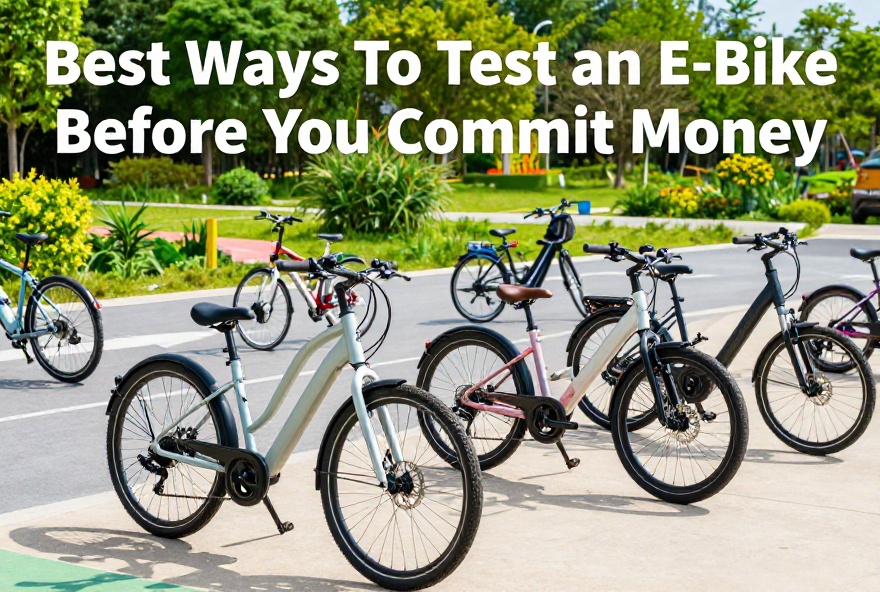
Thinking of zooming into the e-bike world? Before you splash the cash, make sure you’ve got the savvy to ride away satisfied. In ‘Best Ways To Test an E-Bike Before You Commit Money,’ we delve into quirky, practical tips. We’ll help you feel the frame, sense the motor’s heart, and brake without breaking the bank. Curious how a few minutes can save big bucks? Let’s uncover the truth!
Key Takeaways
- Check frame comfort—your backside will thank you later.
- Assess motor responsiveness; no one likes sluggish mornings.
- Feel the braking power, because stopping quickly isn’t optional.
- Test ride for just a few minutes to dodge buyer’s remorse.
- Find what you need to avoid when buying an ebike.
- See how it handles on the road—think of it as speed dating with wheels.
Why Testing Your E-Bike Matters Before Purchase
Look, buying an e-bike is a significant investment—we’re talking hundreds or even thousands of dollars here. You wouldn’t buy a car without taking it for a spin, right? The same logic applies to e-bikes. Testing an e-bike before committing money is absolutely crucial because what looks perfect on a showroom floor might feel completely different once you’re actually riding it. Frame comfort, motor responsiveness, and braking feel are things you simply can’t evaluate from a product description alone. A quick test ride can save you from serious buyer’s remorse and help you discover if this machine is truly your perfect match.
- Physical Feel Matters: You can’t judge frame comfort from specs—your body needs to experience the geometry and weight distribution firsthand.
- Motor Performance Varies: Different motors have distinct acceleration patterns and power delivery; testing reveals what actually works for your riding style.
- Braking Systems Differ: Hydraulic versus mechanical brakes perform differently under real-world conditions—something a test ride immediately clarifies.
- Battery Range Assumptions Fail: Real-world range depends on terrain, rider weight, and assist level—testing shows you actual performance, not manufacturer claims.
Evaluating Frame Comfort and Fit in Minutes
Here’s the thing about frame comfort—it’s incredibly personal, and you won’t know if a frame suits you until you’re actually sitting on it. During your test ride, pay close attention to how the bike feels under your body. Does the seat feel supportive or does it dig in? Is the handlebar reach comfortable, or are you straining your back? The frame comfort of an e-bike directly impacts your riding experience, especially on longer journeys. Spend a few minutes adjusting the seat height and handlebar position to see how responsive the bike is to customization.
- Seat Height Test: Swing your leg over and check if you can touch the ground with your toes while seated—this prevents strain and improves control.
- Handlebar Reach: Your elbows should have a slight bend when gripping the bars; too stretched or too compressed means comfort issues down the road.
- Weight Distribution Check: Does the bike feel balanced when you’re standing on the pedals, or does it pull to one side?
- Suspension Feel—If equipped, test the suspension on small bumps to ensure it absorbs impact without feeling too stiff or too bouncy.
Testing Motor Responsiveness and Power Delivery
The motor is the heart of any e-bike, and honestly, this is where many buyers go wrong. Motor responsiveness determines how quickly the bike accelerates and how smoothly it transitions between power levels. You need to test the motor in different scenarios—starting from a stop, climbing a slight incline, and cruising on flat ground. Does the motor kick in immediately, or is there a lag? Is the acceleration smooth, or does it feel jerky? These questions matter because poor motor responsiveness can make your commute frustrating. Pay attention to how the motor responds at different assist levels, since you’ll likely switch between them depending on terrain and battery conservation needs.
- Acceleration Test: Start from a complete stop and feel how quickly the motor engages; ideal motors provide smooth, predictable power without sudden jolts.
- Assist Level Transitions: Switch between different power modes (eco, normal, sport) to see how smoothly the motor adjusts—this reveals overall system quality.
- Hill Climbing Performance: Find a slight incline and test how the motor handles it; struggling on modest hills is a red flag for your daily commute.
- Pedal Response Lag—Does the motor respond immediately when you start pedaling, or is there a noticeable delay that throws off your rhythm?
Assessing Braking Feel and Safety Performance
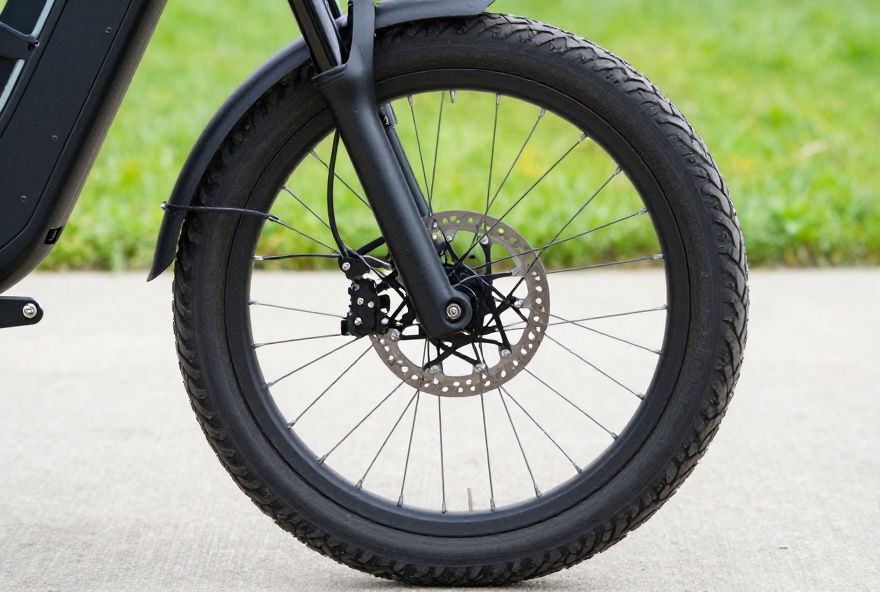
You know what’s genuinely scary? Discovering your brakes aren’t reliable once you’re already committed to owning the bike. Braking feel is non-negotiable when you’re testing an e-bike. E-bikes are heavier than regular bikes, which means they need more stopping power. Test your brakes at various speeds—gentle squeezing at low speeds and harder braking at higher speeds. Do the brakes feel responsive and proportional, or do they feel mushy and unreliable? Hydraulic disc brakes generally offer superior stopping power compared to mechanical ones, but the real test is how they perform in real conditions. Also, pay attention to whether the brakes feel equally responsive on both the front and rear wheels.
- Low-Speed Braking: Gently squeeze the brakes while moving slowly to check for smooth modulation without grabbing or locking up.
- Emergency Stop Test: Safely test harder braking from moderate speed to ensure the bike stops predictably without skidding or feeling unstable.
- Brake Feel Consistency: Both front and rear brakes should feel balanced; uneven braking can make the bike unpredictable during real-world riding.
- Wet Weather Consideration—If possible, ask about brake performance in wet conditions; some braking systems degrade significantly when damp.
Understanding What to Avoid When Buying an E-Bike
Before you even get to the testing phase, there are common pitfalls you should know about. What to avoid when buying an e-bike can save you from making costly mistakes. Many buyers focus solely on price or brand reputation without actually testing the bike, which is a huge oversight. Others get seduced by fancy features they’ll never use while ignoring fundamental comfort and safety. During your test ride, avoid getting distracted by flashy specs and instead focus on the core experience—how does this bike actually feel and perform? Don’t skip the testing phase just because a bike looks good online or has impressive marketing.
- Skip the Test Ride Rush: Don’t feel pressured to decide immediately; take your time evaluating how the bike handles different scenarios.
- Ignore Spec Sheets Alone: A bike with impressive numbers on paper might feel completely wrong for your body and riding style.
- Overlook Dealer Support: Test whether the dealer is knowledgeable and willing to help with maintenance; this matters more than you’d think.
- Don’t Assume Comfort Transfers: Just because your friend loves their e-bike doesn’t mean you will—your comfort is uniquely personal.
Creating Your Personal Test Route and Checklist
Here’s my pro tip: don’t just randomly ride around the block. Create a specific test route that covers various terrain and conditions. Your ideal test route should include flat sections, at least one modest hill, some turns, and if possible, a few bumps or rough patches. This comprehensive approach to testing an e-bike gives you a realistic sense of how the bike performs in real-world conditions. Bring a mental checklist of what matters to you—comfort, power, braking, handling—and mentally rate each category as you ride. Taking notes immediately after the test ride helps you compare multiple bikes objectively.
- Flat Section Evaluation: Test acceleration, cruising comfort, and how naturally the bike handles at steady speeds on smooth terrain.
- Hill Climbing Assessment: A modest incline reveals motor power and helps you understand how much assist you’ll realistically need in your area.
- Handling and Maneuverability: Navigate some turns to feel how responsive the steering is and whether the bike feels stable or twitchy.
- Post-Ride Documentation—Write down your impressions while they’re fresh; compare notes if you’re testing multiple bikes to spot patterns.
Making Your Final Decision with Confidence
After testing, you should feel confident about your decision. If something felt off during the test ride, trust that instinct—it’s probably worth exploring a different model. The goal isn’t to find a perfect bike (they don’t exist), but to find one that checks your personal boxes for comfort, performance, and safety. Remember, this investment will affect your daily life, so taking time to test properly is never wasted effort. For more comprehensive insights on avoiding common mistakes during the buying process, check out detailed strategies for smarter e-bike purchases. Your future self will thank you for being thorough now instead of dealing with regret later.
- Trust Your Gut Feeling: If something doesn’t feel right during testing, that’s valuable information—don’t ignore it for specs or price.
- Compare Multiple Options: Testing several e-bikes helps you understand your preferences and spot what truly matters to you.
- Ask About Return Policies: Knowing you can return the bike if it doesn’t work out in practice takes pressure off the initial purchase decision.
- Plan for Maintenance Visits: Ask about warranty coverage and service availability; these factors matter long after your purchase.
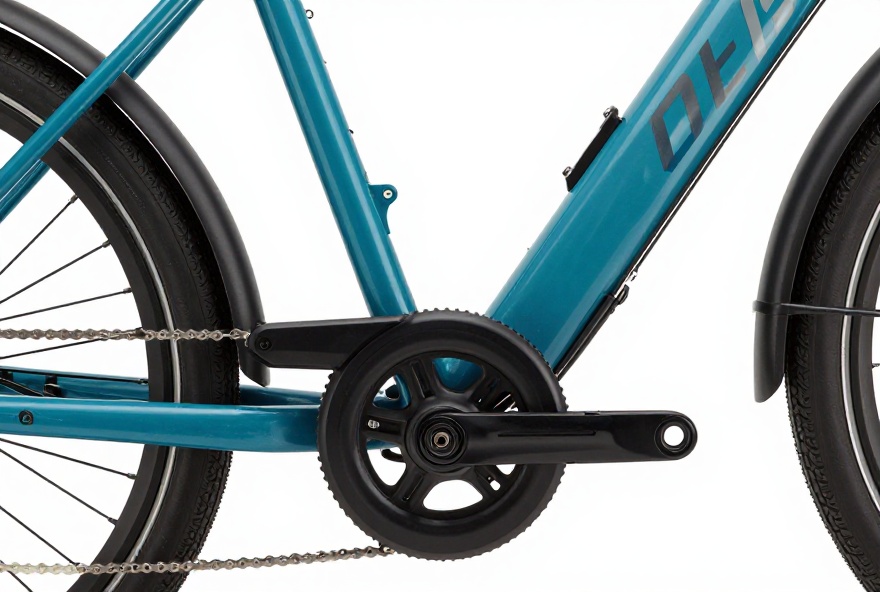
You’ve just taken a wild ride through the essential steps of how to test an e-bike before parting with your cash. From getting up close and personal with the bike frame to ensure maximum comfort, to putting the motor’s responsiveness to the test, and finally, gauging the effectiveness of the brakes, you’re now equipped with smart strategies to dodge any buyer’s remorse down the road. Remember, understanding what to avoid when buying an ebike can save you time and frustration—plus, who doesn’t want an e-bike that feels like it was custom-built just for them?
So, saddling up on this adventure, if you’re ready to shop smarter and know your e-bike better before commitment, visit our Facebook or join the convo on Instagram. Let’s keep the wheels of wisdom turning! 🛴😊





Leave a Reply