

Ah, the thrill of jetting off to a new locale—everything just feels, well, different when you’re traveling somewhere new, doesn’t it? Ever noticed how a weekend trip feels like a week? It’s not just the magic of vacation vibes; there’s real psychology behind it. In this post, we unpack the psychology of novelty, memory formation, and perception. Why do unfamiliar places make time feel like it’s stretching in the best possible way? Ready to dive into the cognitive time warp that travel triggers? Let’s embark on this mesmerizing journey!

Key Takeaways
- Time stretches when you’re in an unfamiliar place—ever wondered why?
- Your brain loves novelty; it’s like a memory booster for your trips.
- Exploring new spots isn’t just fun; it’s a workout for your perception of time.
- New experiences can make each day feel longer, in the best possible way.
- Curious about why vacation weeks feel longer? It’s all about memory and novelty.
- Think travel’s only about destinations? It’s also about bending time!
- Want to stretch your vacation? Dive into the psychology of new places.
“`html
Why New Places Feel Like Time Travel
You know that feeling when you’re somewhere totally unfamiliar, and a single day feels like a week? It’s not just your imagination running wild—there’s actually some serious psychology happening behind the scenes. When you’re traveling somewhere new, your brain is working overtime, processing novelty at every turn. The psychology of novelty is fascinating because it fundamentally changes how we perceive time, form memories, and experience the world around us. It’s like your internal clock gets rewired the moment you step off that plane.
- Attention Overload: Your brain enters a heightened state of awareness when encountering unfamiliar environments. Every street sign, architectural detail, and cultural quirk demands your attention, making time feel slower and richer.
- The Encoding Effect: New experiences activate more neural pathways than routine activities. This intense mental engagement creates denser memory traces, which our brains interpret as time having expanded.
- Reduced Automaticity: Unlike your daily commute (which you could do blindfolded), traveling forces you into a constant state of conscious awareness. You can’t autopilot through a foreign city, and that deliberate attention stretches subjective time.
- Dopamine Spikes: Novel environments trigger dopamine release in the brain, enhancing pleasure and engagement—which paradoxically makes moments feel more significant and longer-lasting.
- Contextual Richness: Every moment in a new place comes loaded with fresh context. Your brain has to build new mental maps, learn new social norms, and interpret unfamiliar cues, all of which requires more processing power and time.
Memory Formation Gets Turbo-Charged in Unfamiliar Territory
Here’s something cool: your memory doesn’t just record what happens when you’re traveling somewhere new—it transforms how you remember. The way your brain forms and stores memories during travel is fundamentally different from everyday life. When you’re immersed in novelty, memory formation shifts into overdrive. Research suggests that novel experiences create stronger and more detailed memories compared to routine activities, and this enhanced memory encoding is one reason travel feels so psychologically enriching.
- The Von Restorff Effect: Unusual or distinctive experiences stand out in memory. A meal at a street market in Bangkok gets encoded way more vividly than your hundredth coffee at home, making the travel memory feel more substantial.
- Multi-Sensory Encoding: Travel engages all five senses simultaneously in ways daily life rarely does. The smell of unfamiliar spices, the texture of cobblestone streets, the sound of a new language—these sensory layers create richer, more interconnected memories.
- Emotional Anchoring: Novel situations often trigger stronger emotional responses, whether it’s awe, excitement, or even anxiety. Emotions act as memory glue, making travel experiences stick with crystalline clarity years later.
- Consolidation During Sleep: Travel fatigue is real, but those long nights in a new bed actually serve your memory well. Your brain consolidates these novel experiences during sleep, strengthening the neural connections that encode them.
- Narrative Construction: When you’re traveling, you naturally weave experiences into a cohesive story. This narrative structure makes memories more organized and easier to retrieve, creating a sense that more “happened” during your trip.
Perception Shifts When Everything’s Unfamiliar
Let’s talk about how your perception actually changes when you’re in a new place. It’s wild—you’re not just seeing different things, you’re literally perceiving reality differently. When traveling somewhere new, your sensory perception becomes hyper-acute. Colors seem more vibrant, sounds feel more distinct, and even tastes register with surprising intensity. This heightened perceptual sensitivity isn’t just poetic—it’s rooted in how your brain prioritizes information processing in novel environments.
- Selective Attention Realignment: Your brain’s attention filter gets recalibrated in unfamiliar places. Instead of filtering out “irrelevant” details like it does at home, everything feels potentially important, so you notice more. That fountain in the plaza? You’d walk past it without thinking at home, but abroad, you pause and really look.
- Expectancy Violations: When things don’t match your expectations—and they constantly won’t in a new place—your brain flags these violations as important. This triggers deeper processing and stronger perception, making moments feel more vivid and memorable.
- Sensory Contrast Effects: Novelty creates contrast, and contrast sharpens perception. A street performer in your hometown might barely register, but the same performer in a foreign city becomes a full sensory experience because it contrasts sharply with your unfamiliar surroundings.
- Mindfulness by Default: Travel forces mindfulness. You can’t zone out because you’re constantly orienting yourself, reading signs, and navigating. This natural mindfulness state makes you acutely aware of details, enriching perception across the board.
- Cultural Cognitive Load: Processing unfamiliar cultural cues requires mental effort, and that effort makes you more perceptually engaged. You’re not just seeing a market—you’re decoding social hierarchies, transaction norms, and cultural values, all of which amplifies your perceptual experience.
The Subjective Time Dilation Effect
So why does a week-long trip feel like it lasted forever while a month at home flies by? Welcome to subjective time dilation—the psychological phenomenon where unfamiliar environments genuinely stretch our perception of time. This isn’t about clocks or calendars; it’s about how your brain experiences duration. When you’re traveling somewhere new, subjective time operates under different rules. The novelty, the memory formation, the heightened perception—they all conspire to make time feel luxuriously slow and abundant.
- The Memory-Duration Hypothesis: Our brains estimate time duration based on how much we remember. More novel experiences mean more memories encoded per day, so our brains calculate that more time must have passed. A day packed with new experiences feels longer because it literally is “longer” in terms of memory content.
- Predictability and Time Perception: Routine, predictable environments (like your home) feel time-compressed because your brain doesn’t need to process much. Unpredictable travel scenarios require constant processing, making each moment feel distinct and elongated.
- Arousal Levels: Travel maintains elevated arousal—excitement, mild stress, anticipation. Higher arousal slows down subjective time perception. You’re more alert, so time feels like it’s moving more slowly, which is why those travel days feel packed.
- Temporal Reference Points: In familiar environments, days blur together because they’re similar. In new places, each day has distinct reference points and landmarks, making them feel separate and substantial rather than merged into one homogeneous blur.
- The Paradox of Hindsight: Here’s the twist: while traveling feels slow, the whole trip retrospectively feels short. This happens because travel memories are so densely packed that, in retrospect, time seems to have condensed. But while you’re there? Time stretches beautifully.
Breaking Free from Cognitive Autopilot
One of the most profound shifts that happens when you’re traveling somewhere new is that you simply can’t autopilot. Back home, you operate on automatic—your commute, your routines, your familiar haunts. But the moment you enter unfamiliar territory, autopilot gets disabled. This forced engagement with the present moment is transformative. The psychology behind this break from cognitive autopilot reveals why travel is so psychologically refreshing and why it genuinely feels different from staying put.
- Executive Function Activation: Navigating a new place requires active decision-making and problem-solving. Your prefrontal cortex—the brain’s executive control center—stays engaged, keeping you mentally sharp and present rather than sleepwalking through experience.
- Disruption of Habit Loops: Habits are shortcuts your brain uses to conserve energy. Travel demolishes these shortcuts. You can’t grab coffee from your usual place, walk your usual route, or follow your usual schedule. This forced novelty rewires your brain’s default patterns.
- Enhanced Self-Awareness: When you’re not running on autopilot, you become more aware of your own mental processes. You notice your thoughts, reactions, and emotions more vividly. This heightened self-awareness contributes to feeling more alive and present.
- Cognitive Flexibility: Novel environments demand flexibility. You adapt to new transportation systems, different social norms, unfamiliar cuisines. This constant adaptation strengthens cognitive flexibility, which carries benefits long after your trip ends.
- Present-Moment Bias: When you’re disoriented in a new place, you can’t rely on past patterns to predict the future. This forces you into the present moment—you’re not thinking about tomorrow’s routine or rehashing yesterday’s patterns. You’re just… here.
Emotional Intensity and Psychological Resonance
Travel stirs up emotions in ways daily life rarely does. Whether it’s the awe of seeing a famous landmark, the anxiety of navigating a foreign language, or the joy of connecting with a stranger, emotional intensity is constant when you’re traveling somewhere new. These emotions aren’t just pleasant—they’re psychologically significant. The emotional landscape of travel creates deeper psychological engagement and stronger experiential imprints. Emotions are like the highlighter pens of memory and time perception; they mark certain moments as important.
- Awe and Wonder: New places trigger awe—that overwhelm of encountering something vast or beautiful beyond your expectations. Awe expands your sense of time and self, making moments feel grander and more significant than everyday experiences.
- Controlled Stress Activation: Travel involves manageable stressors—figuring out transportation, navigating language barriers, adjusting to new foods. This controlled stress keeps your nervous system engaged without being overwhelming, creating an optimal state for engagement and memory formation.
- Social Connection Amplification: Meeting new people while traveling feels more emotionally significant than meeting people at home. There’s vulnerability in being a stranger in a strange land, and this vulnerability fosters genuine connection. These emotional connections make moments feel more meaningful.
- Identity Exploration: Travel creates psychological space for self-discovery. Away from your usual social roles and expectations, you can experiment with different versions of yourself. This identity fluidity creates emotional richness and psychological growth.
- Gratitude and Appreciation: Experiencing unfamiliar places often triggers gratitude—for safety, for home, for opportunities. This gratitude heightens emotional awareness and makes moments feel more precious, extending subjective time.
The Role of Uncertainty and Exploration
Here’s something fascinating: uncertainty is usually something we avoid, but when you’re traveling somewhere new, it becomes psychologically energizing. The not-knowing, the unpredictability, the constant small discoveries—these create a state of optimal psychological engagement. Uncertainty in familiar contexts feels stressful, but uncertainty in a travel context feels exciting. This paradox reveals something important about how context shapes our psychological experience. When you’re traveling somewhere new, uncertainty becomes a feature, not a bug.
- Novelty Seeking Activation: Humans have an innate drive to seek novelty, especially in safe contexts. Travel satisfies this drive intensely. Your brain’s novelty-seeking systems activate, releasing reward chemicals and keeping you engaged. This activation makes time feel expanded as your brain luxuriates in constant discovery.
- Prediction Error and Learning: Your brain loves when reality violates predictions—it’s called prediction error, and it’s the brain’s signal to pay attention and learn. Travel is full of prediction errors. The café isn’t where you expected, the street curves differently, the social norms surprise you. Each prediction error triggers learning and engagement.
- Flow State Facilitation: Flow—that state of optimal engagement where challenge matches skill—is easier to achieve while traveling. New situations present just the right level of challenge: difficult enough to engage you, manageable enough not to overwhelm. Time dissolves in flow states, making hours feel like minutes while they’re happening, but feel substantial in memory.
- Curiosity Loops: Unfamiliar places trigger cascading curiosity. You notice something interesting, investigate, discover something else that sparks new questions. These curiosity loops keep you mentally engaged and time-aware throughout your journey.
- Agency and Autonomy: Travel often involves more autonomy than daily life—you choose where to go, what to do, when to do it. This autonomy activates your brain’s motivation systems, making activities feel more self-directed and thus more psychologically engaging.
Creating Lasting Psychological Impact from Travel
Understanding why travel feels so different psychologically isn’t just interesting—it’s practical. Knowing that novelty, memory formation, and perception work together to stretch time and enrich experience means you can be intentional about maximizing these effects. When you’re traveling somewhere new, you can deliberately cultivate the conditions that make travel psychologically transformative. The psychology of travel isn’t magic; it’s a set of well-understood cognitive and emotional processes that you can actually leverage.
- Deliberate Slowness: Even though travel accelerates subjective time perception, you can amplify this effect by deliberately slowing down. Spend time sitting in a café without an agenda, wander neighborhoods aimlessly, or spend a full day in one location. This deliberate slowness maximizes novelty processing and deepens memory formation.
- Sensory Engagement: Consciously engage all five senses. Notice the smells, textures, sounds, and tastes of new places. This multi-sensory engagement strengthens memory encoding and perception, making experiences feel more vivid and time-rich.
- Meaningful Interaction: Seek genuine interactions with locals and other travelers. Emotional connection amplifies psychological impact. Conversations that push your perspective or challenge your assumptions create stronger memories and deeper engagement.
- Reflective Journaling: Take time to reflect on and write about your experiences. Reflection consolidates memories and helps your brain process the novelty you’re encountering. This deepens the psychological impact of travel and extends its benefits beyond the trip itself.
- Embrace Discomfort: The anxiety and slight stress of navigating a new place aren’t bugs—they’re features that enhance engagement. Don’t try to eliminate discomfort entirely; instead, embrace it as part of the psychological process that makes travel feel transformative.
Why Coming Home Feels Like a Reset
When travel ends and you return home, something interesting happens psychologically. The autopilot gradually returns, but it’s not quite the same. Your brain has been rewired by novelty. You’ve experienced different ways of being, different possibilities, different paces of life. This is why travel leaves lasting psychological impacts—it literally changes how your brain is structured. The benefits of understanding the psychology of travel extend far beyond the trip itself. Coming home isn’t a return to baseline; it’s an integration of new neural patterns with old ones.
- Neuroplasticity Effects: Travel creates new neural pathways. You’ve learned new routes, processed new languages, adapted to new social norms. These new pathways don’t disappear when you come home; they persist, making your brain more flexible and capable than before.
- Perspective Expansion: You’ve literally seen the world differently. This expanded perspective makes your home environment feel different too. Things you took for granted become newly interesting because you now have a broader frame of reference.
- Reduced Automaticity at Home: Travel disrupts your home-based autopilot. When you return, you might consciously notice your commute or appreciate your familiar café in ways you didn’t before. This renewed awareness extends some of travel’s psychological benefits into daily life.
- Integration and Meaning-Making: Your brain spends weeks or months integrating travel experiences into your broader life narrative. This ongoing integration process creates lasting psychological growth and extends the meaningful impact of your journey.
- Motivation for Future Novelty: Travel awakens your brain’s novelty-seeking systems. Returning home with these systems activated means you’re more likely to seek novel experiences generally—whether through travel, learning, or trying new things locally. The trip catalyzes ongoing psychological engagement with life.
“`
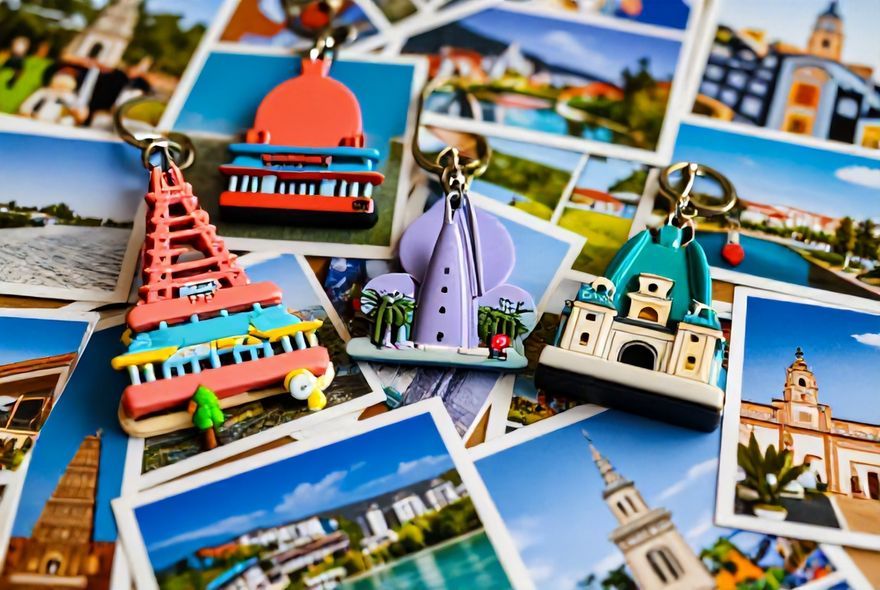
Exploring new environments isn’t just eye-opening; it’s mind-expanding. Discovering why things seem different when you’re traveling somewhere new opens up the intrigue of psychology, where novelty and first-time experiences enhance memory formation. Each unfamiliar alleyway or exotic skyline plays with your perception, elongating time as your senses feast on fresh stimuli. These magical, time-bending moments aren’t illusions; they’re your mind actively engaging in a vivid dance with its surroundings. By understanding the science behind why novel experiences seem to stretch time, you gain insights into why vacations feel longer and more fulfilling. It’s this newfound knowledge that equips you to make the most of every adventurous second, redrawing your life’s mental map and reawakening your sense of wonder.
And hey, speaking of exploring new territories, if you’re ready to refresh your home space and add some sparkle, Joy of Cleaning is here to help! Whether it’s dust bunnies or deep cleans, we’ve got it covered. Book a Cleaning, or give us a buzz at (727) 687-2710, and let us simplify your life, so you have more time for the fun parts! Don’t forget to connect with us on Facebook and Instagram for cleaning hacks and a glimpse into our sparkling world!





Leave a Reply