
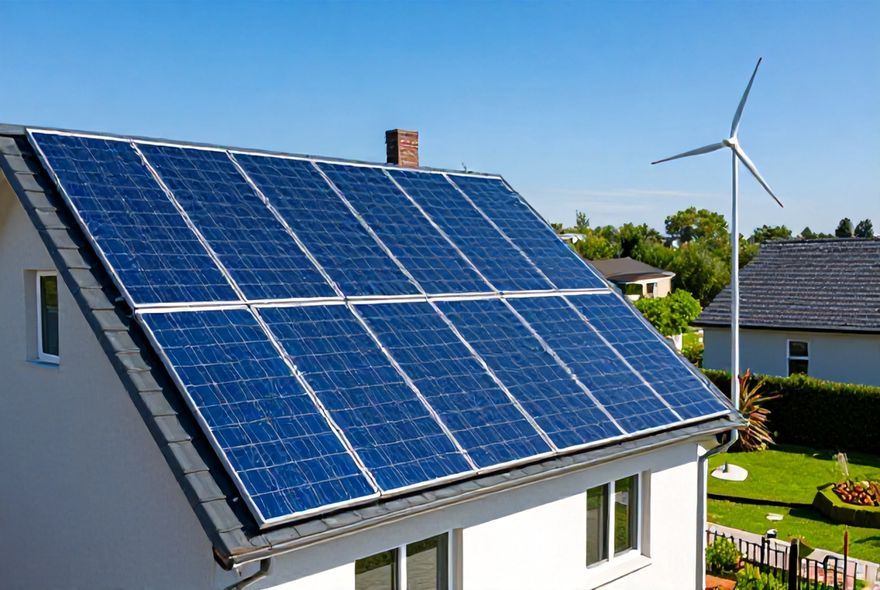
Choosing the best renewable energy source for your home can feel like using a GPS that insists on scenic routes only. But don’t worry! We’ll guide you through the maze of options, breaking down solar, wind, and geothermal systems like your favorite snack’s ingredients list, minus the greenwashing jargon. Curious about upfront costs or long-term savings? We’ve got that and more! By the end, you’ll know which tech suits your location and budget perfectly. Ready to power up your eco-friendly abode? Let’s jump in!

Key Takeaways
- Confused by renewable energy options? We’ve got you covered with solar, wind, and geothermal breakdowns!
- Check out upfront costs vs. long-term savings—your wallet will thank you.
- Find the renewable tech that fits like a glove for your location and budget.
- Skip the greenwashing hype; get the real scoop on eco-friendly energy.
- Who doesn’t want to save on bills? Dive into sustainable tech choices that pay off.
- Solar, wind, geothermal—choose the best sidekick for your home’s eco-adventure.
“`html
Understanding Your Home’s Energy Needs and Location
Before you dive into the renewable energy rabbit hole, you’ve gotta know what you’re working with. Your home’s energy consumption, climate zone, and available space are the holy trinity of choosing the right renewable system. Think of it like picking running shoes—you wouldn’t buy trail runners if you’re training for a marathon on asphalt, right? The same logic applies here. Understanding these fundamentals prevents you from dropping cash on a system that looks great on Instagram but doesn’t actually work for your situation.
- Calculate Your Annual Energy Usage: Check your electricity bills from the past year to understand your average monthly and yearly consumption in kilowatt-hours (kWh). This number is the foundation for sizing any renewable energy system you’re considering.
- Assess Your Geographic Location: Solar works best in sunny climates, wind turbines thrive in consistently windy areas, and geothermal systems depend on stable ground temperatures. Your zip code literally determines which renewable options make financial sense.
- Evaluate Available Space: Solar panels need roof or ground space, wind turbines require open areas away from obstructions, and geothermal systems need drilling access. Not all properties accommodate every technology.
- Check Local Climate Data: Look up your area’s average sun hours, wind speed, and ground temperature. This data predicts system performance and helps you forecast realistic savings.
- Review Zoning and HOA Restrictions: Some neighborhoods have rules about visible solar panels or turbine heights. Know these limits before falling in love with a system you can’t legally install.
Solar Energy: The Popular Kid in the Renewable Classroom
Solar power has become the go-to renewable choice for homeowners, and honestly, it’s not hard to see why. Photovoltaic panels have become more efficient, affordable, and aesthetically acceptable than ever before. You’ve probably seen them on neighbors’ roofs and wondered if they’re worth the hype. The short answer? For many homes, yes—but like anything worth doing, there’s nuance here that matters for your wallet.
- Photovoltaic (PV) Systems Explained: These convert sunlight directly into electricity using semiconductor materials. They’re silent, require minimal maintenance, and work even on cloudy days (though less efficiently). Most residential installations use rooftop-mounted panels that blend relatively seamlessly with modern homes.
- Upfront Costs and Available Incentives: A typical 5-kilowatt residential solar system costs between $15,000 and $25,000 before incentives. Federal tax credits currently cover 30% of installation costs, and many states offer additional rebates or net metering programs that credit you for excess energy fed back to the grid.
- Long-Term Savings Potential: Most homeowners recoup their investment in 6 to 12 years, then enjoy 15+ years of nearly free electricity. Over a 25-year panel lifespan, you’re looking at $20,000 to $40,000 in cumulative savings depending on local electricity rates.
- System Lifespan and Degradation: Solar panels degrade about 0.5% annually, meaning they’ll produce 87% of their original capacity after 25 years. That’s still plenty of juice for your home’s needs.
- Weather Dependency Considerations: Cloudy regions still benefit from solar, though with reduced output. If your area gets less than 4 peak sun hours daily, your payback period extends significantly, but solar still works—it just takes longer.
Wind Energy: When Your Location Has the Right Breeze
Wind power gets less attention in residential conversations than solar, mostly because not every home qualifies for it. But here’s the thing—if you’ve got the right location, a small residential wind turbine can be an absolute powerhouse. We’re talking about systems that generate electricity even when the sun’s hiding, which makes them a fantastic complement to solar or a standalone option for breezy properties.
- How Residential Wind Turbines Work: These systems capture kinetic energy from wind and convert it to electricity through a rotor connected to a generator. Unlike utility-scale turbines, residential models typically range from 1 to 15 kilowatts and mount on towers or rooftops.
- Location Requirements Are Critical: Wind turbines need consistent wind speeds of at least 10 mph to be worthwhile. Hilltops, open fields, and coastal areas are ideal. Urban and suburban properties surrounded by trees or buildings? Probably not your best bet, unfortunately.
- Installation and Zoning Challenges: Wind turbines face more regulatory hurdles than solar panels. Noise concerns, height restrictions, and setback requirements from property lines vary wildly by jurisdiction. This is the one renewable energy option where you really need to chat with your local zoning board before getting excited.
- Cost-to-Benefit Analysis: A small residential wind turbine costs $20,000 to $60,000 installed, but in ideal wind conditions, it can generate 30,000 to 50,000 kWh annually. That’s serious savings if your location qualifies—but in marginal wind areas, the payback period extends beyond 20 years.
- Hybrid Potential: Many homeowners pair wind turbines with solar systems to maximize year-round energy generation. Wind often peaks during winter when solar production dips, creating a complementary system that reduces grid dependence significantly.
Geothermal Systems: The Underground Powerhouse You Might Not Know About
Geothermal heating and cooling is the underdog of residential renewable energy. It doesn’t generate electricity like solar or wind, but instead taps into stable ground temperatures to heat and cool your home with remarkable efficiency. If you’ve never heard much about it, that’s partly because it requires specific conditions and upfront investment that makes it less visible than rooftop solar. But for the right property, it’s genuinely transformative for energy bills.
- How Geothermal Heat Pumps Operate: These systems exploit the fact that ground temperature stays relatively constant year-round (usually 45-75°F depending on location). A heat pump circulates refrigerant through underground loops to exchange heat with the earth, then distributes conditioned air throughout your home. It’s basically moving existing thermal energy rather than generating new energy from scratch.
- Installation Requirements and Space Needs: Geothermal systems require either horizontal loops buried 4-6 feet deep across your property or vertical boreholes drilled 100+ feet down. Horizontal systems need about 1 acre of available land per 5 tons of cooling capacity. Vertical systems work on smaller lots but cost more to drill.
- Efficiency That Actually Pays: Geothermal systems achieve 300-600% efficiency ratings (compared to 80-95% for conventional furnaces) because they move existing heat rather than creating it. This translates to heating and cooling costs that are 30-70% lower than traditional systems, which is massive over time.
- Higher Initial Investment, Faster Payback: Installation costs run $15,000 to $30,000 for residential systems, making them pricier upfront than many alternatives. However, combined with federal tax credits and state incentives (some covering up to 50% of costs), many homeowners achieve payback in 5-10 years.
- Lifespan and Reliability: Underground loops last 25-50 years with virtually no maintenance. The heat pump component typically lasts 25 years. This reliability means geothermal systems often outlast their owners, making them exceptional long-term investments.
Comparing Upfront Costs vs. Long-Term Savings
Here’s where things get real. You’ve got three viable renewable options, but they hit your bank account differently on day one versus year ten. Let’s break down the actual numbers so you’re not comparing apples to oranges. The renewable energy you choose should align with your financial situation and timeline for seeing returns—there’s no universal “best” option, only the best option for your specific circumstances.
- Solar’s Rapid Cost Decline: Solar has seen the steepest price drops in renewable technology—costs have fallen 70% in the past decade. This makes solar the most accessible entry point for most homeowners, with systems becoming cost-competitive with grid electricity in many regions. You can install solar incrementally, starting small and expanding later if desired.
- Wind’s Variable Economics: Wind turbines offer exceptional savings in ideal locations but mediocre returns in marginal wind areas. A homeowner in a windy coastal region might see $3,000-$5,000 annual savings, while a suburban property with average winds might save only $500-$1,000 annually. This volatility makes careful site assessment crucial.
- Geothermal’s Steady Long-Game: While geothermal carries the highest upfront cost, it delivers consistent, predictable savings every month through reduced heating and cooling expenses. Unlike solar and wind, geothermal isn’t weather-dependent—it performs reliably year-round regardless of sun or wind conditions.
- Financing Options Matter Enormously: Solar and geothermal systems qualify for federal investment tax credits covering 30% of costs. Many states add additional incentives. Local utility companies sometimes offer rebates or favorable financing. These programs can reduce your net investment by 40-60%, dramatically improving payback timelines.
- Electricity Rate Trends Impact Returns: As grid electricity rates increase (historically 2-3% annually), renewable energy savings grow proportionally. A system that breaks even in 10 years at current rates might pay for itself in 8 years if electricity rates spike. Factor in expected rate increases when calculating true ROI.
Avoiding Greenwashing and Making Data-Driven Decisions
Let’s be honest—renewable energy attracts a lot of marketing hype and wishful thinking. You’ve probably seen those ads promising you’ll save thousands immediately or that one technology is a miracle solution. Real talk: if something sounds too good to be true, it probably is. Understanding how to cut through the noise and evaluate systems objectively is what separates smart investments from expensive mistakes. According to comprehensive analysis of energy generation innovations available at https://joyai.lusites.xyz/2026/02/20/innovation-in-energy-generation/, proper assessment of your home’s unique characteristics is essential before selecting any renewable energy solution.
- Request Detailed System Modeling: Legitimate installers will provide modeling showing expected annual production based on your specific location, roof orientation, shading analysis, and historical weather data. If someone quotes savings without this analysis, they’re guessing. Demand specificity—not generalizations.
- Verify Equipment Efficiency Ratings: Solar panel efficiency, wind turbine capacity factors, and geothermal coefficient of performance (COP) should be independently verified. Check manufacturer specifications and independent lab testing rather than trusting marketing claims alone.
- Understand Net Metering Limitations: Solar owners often hear they’ll get “full credit” for excess energy fed to the grid. Reality check: most utilities now cap net metering or compensate at wholesale rates (less than retail). Know your local utility’s specific net metering policy before assuming unlimited savings.
- Compare Quotes from Multiple Installers: Getting three to five independent quotes reveals market pricing and prevents you from overpaying. Installers using identical equipment sometimes quote vastly different prices based on labor, overhead, and profit margins. Competition drives better deals for you.
- Check References and Certifications: Legitimate installers carry relevant certifications (NABCEP for solar, AWEA for wind) and can provide customer references. Call those references and ask specific questions about actual performance versus projections, not just general satisfaction.
Hybrid Systems: Combining Multiple Renewable Sources for Maximum Resilience
Here’s something that doesn’t get discussed enough—you don’t have to choose just one renewable energy source. Hybrid systems combining solar with wind, or solar with geothermal, create resilience and optimize energy generation across seasons. It’s like diversifying an investment portfolio, except your portfolio powers your house. You know that feeling of relief when you have backup plans? That’s what hybrid systems deliver for your energy independence.
- Solar Plus Wind Synergy: Solar peaks during sunny summer days; wind typically increases during winter and cloudy seasons. Combining both sources smooths seasonal production variations, reducing your grid dependence year-round. A property with both systems might achieve 80-90% energy independence instead of 50-60% with either system alone.
- Solar Plus Geothermal Integration: Solar handles electricity production while geothermal manages heating and cooling efficiently. This separation of concerns means you’re not stretching a single system to do everything. Many homeowners find this combination optimizes their energy savings across both electricity and thermal needs.
- Battery Storage Amplifies Benefits: Adding battery storage (Tesla Powerwall, LG Chem, or alternatives) lets you store excess solar production for nighttime use or emergency backup. Batteries cost $10,000-$20,000 installed but increase energy independence from 70% to 95%+ in many cases. This is where residential renewable energy truly becomes transformative.
- Grid Interaction and Independence: Hybrid systems with battery storage reduce your dependence on grid electricity, which provides resilience during outages and price spikes. You’re essentially creating a personal microgrid that supplements grid power rather than depending entirely on it.
- Cost-Benefit of Hybrid Approach: While hybrid systems cost more initially than single-technology installations, they often deliver better long-term returns through diversified energy generation, higher grid independence, and increased property resilience. The extra investment frequently pays off within 8-15 years.
Making Your Final Decision: A Practical Framework
You’ve absorbed information about solar, wind, geothermal, and hybrid combinations. You understand costs, savings, and location requirements. Now comes the hardest part—actually deciding which path to take. This isn’t a decision you should rush, but it’s also one where paralysis by analysis becomes its own enemy. Let me give you a practical framework for moving forward with confidence.
- Rank Your Priorities Honestly: Is your primary goal immediate cost savings, environmental impact, energy independence, or property value increase? Different renewable sources serve different priorities. Solar maximizes property appeal and straightforward ROI. Wind excels in ideal locations. Geothermal provides the most reliable performance. Identify your actual priority, not what you think should be your priority.
- Create a Shortlist Based on Feasibility: Eliminate options that don’t fit your situation. No consistent wind? Cross off wind turbines. Limited roof space or heavy shade? Solar might not be optimal. Only one foot of soil depth? Geothermal becomes complicated. Focus on realistic options rather than fantasy scenarios.
- Get Professional Assessments for Top Choices: Schedule detailed consultations with installers specializing in your shortlisted technologies. Quality assessments cost $300-$1,000 but provide custom modeling and honest evaluations. You’ll learn what’s truly possible for your specific property, not what marketing claims are possible.
- Calculate True ROI Including Incentives: Take the installer quotes, apply federal and state incentives, factor in expected electricity rate increases, and calculate payback periods. Spreadsheet this out so you’re comparing apples to apples. A system with lower upfront cost might have a longer payback period than a more expensive option with better long-term performance.
- Account for Your Timeline and Comfort Level: If you’re planning to stay in your home 20+ years, aggressive renewable investments make sense. Selling within 5 years? Focus on systems with shorter payback periods or maximum property value enhancement. Your personal comfort with technology and maintenance should also factor in—some systems are truly hands-off, others require more attention.
Next Steps and Implementation Timeline
Choosing a renewable energy system is a significant decision, but you don’t need to implement everything overnight. You know how sometimes the best approach is taking one step at a time rather than trying to transform everything simultaneously? That principle applies perfectly here. Creating a realistic timeline keeps you motivated and prevents decision fatigue from paralyzing your progress toward energy independence.
- Immediate Actions (This Month): Gather your utility bills to calculate annual consumption. Research your local area’s solar irradiance, wind resources, and geothermal potential using free online tools. Check your municipality’s renewable energy regulations and incentive programs. These foundational steps cost nothing but provide essential information.
- Short-Term Planning (Next 1-3 Months): Get professional assessments from two to three installers for your top technology choices. Attend local renewable energy workshops or webinars to deepen your understanding. Connect with neighbors who’ve installed renewable systems and get their honest feedback about performance versus promises.
- Decision Phase (Months 3-4): Review all assessment data, calculate ROI scenarios, and narrow down to your top choice. Verify financing options including federal credits, state incentives, and loan programs. Make your decision based on data rather than emotion or neighbor pressure.
- Implementation (Months 5+): Sign contracts with your chosen installer, secure financing, and move through permitting. Most systems take 2-8 weeks from contract to activation depending on complexity. Stay involved in the process rather than passively waiting—ask questions and ensure installation matches your expectations.
- Long-Term Optimization (Year 1+): Monitor your system’s actual performance against projections. Document savings and efficiency metrics. After one year, evaluate whether you want to expand your renewable energy infrastructure through hybrid additions or battery storage. Many homeowners find they’re ready for phase-two upgrades after experiencing their first year’s benefits.
“`
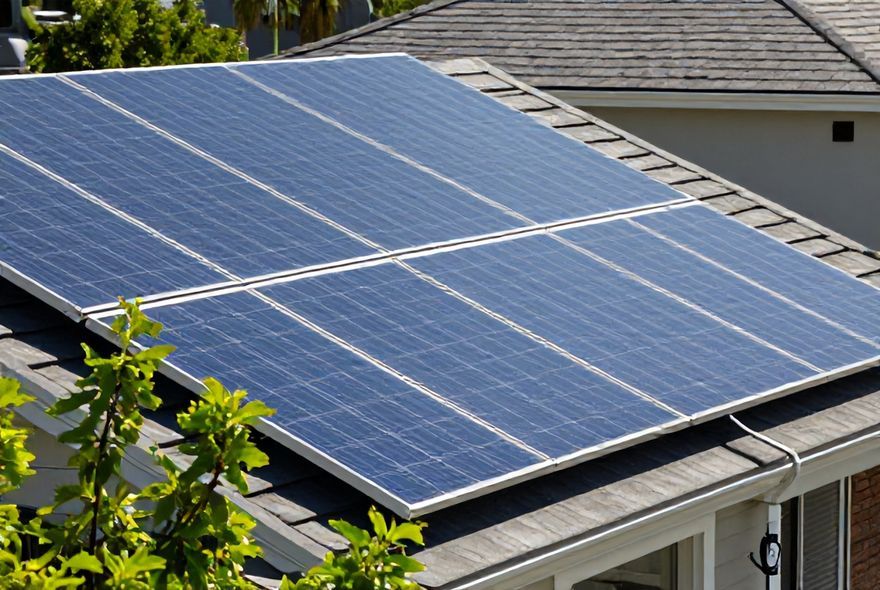
Choosing the best renewable energy source for your home doesn’t have to be an exercise in confusion. By breaking down the essentials—solar panels that soak up the sun, wind turbines that harness breezes, and geothermal systems tapping into Earth’s natural warmth—you can match the right technology with your environment and budget perfectly. Considering upfront costs versus long-term savings, you might find that while solar provides ease, wind feels adventurous, or geothermal offers a grounded approach without unnecessary greenwashing fluff. Whatever path you choose, it should ultimately reflect your commitment to a sustainable future and your home’s unique needs.
And while you’re exploring eco-friendly innovations, why not make your home sparkle too? Wrap up your day with a seamless cleaning solution. At Joy of Cleaning, we’re here to eliminate the hassle from your checklist. Ready to take the plunge? Book a Cleaning online today or give us a buzz at (727) 687-2710. Plus, you can follow our cleaning adventures on Facebook and Instagram for more bright ideas and fun tips!





Leave a Reply