
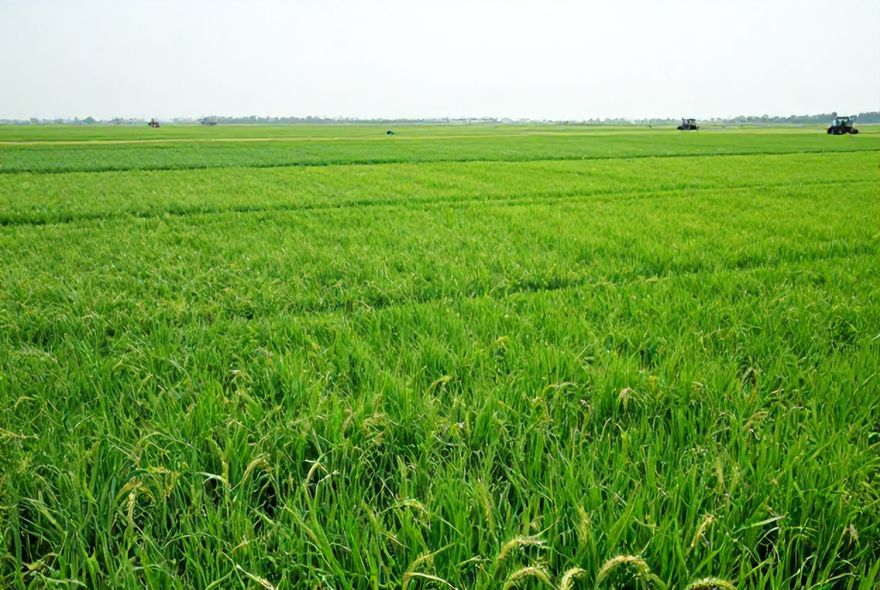
Ever wonder how a relatively barren field transforms into a lush food factory? Welcome to the Green Revolution, the mid-20th-century agricultural makeover that had everyone from farmers to foodies talking. This fascinating period saw the rise of high-yielding crop varieties like the most superstar grains, wheat and rice, aided by a cocktail of chemical fertilizers and pesticides, plus a touch of modern irrigation magic. We’ll dig deep into these developments and the substantial impacts they’ve had on feeding our ever-growing global population. Ready for the green dive? Let’s dig in!
Key Takeaways
- The Green Revolution kick-started in the mid-20th century, transforming agriculture globally.
- High-yielding varieties (HYVs) of wheat and rice were game-changers—go big or go hungry!
- Was your food made with science? Thanks to chemical fertilizers and pesticides, probably yes.
- Modern irrigation techniques were crucial, because plants take their hydration very seriously.
- Feeding a booming global population was at the heart of it—more mouths, more munchies!
- Agricultural innovations during this era set the stage for our current food production practices.
Understanding the Green Revolution and Its Global Impact
You know that moment when you’re standing in a grocery store and realize food is just… everywhere? Well, that abundance didn’t happen by accident. The Green Revolution, which kicked off in the mid-20th century, fundamentally transformed how we grow food and feed our planet. This agricultural transformation wasn’t just about planting more seeds—it was a complete overhaul of farming practices that introduced high-yielding varieties (HYVs) of crops, particularly wheat and rice, alongside chemical fertilizers, pesticides, and modern irrigation techniques. It’s one of those pivotal moments in human history that we don’t talk about enough, yet it shaped the world we live in today. Let’s dig into what made this agricultural revolution so significant.
- The Green Revolution emerged during the 1960s as a direct response to widespread hunger and food shortages affecting rapidly growing populations worldwide
- High-yielding varieties (HYVs) of wheat and rice were engineered to produce dramatically more grain per plant compared to traditional crop varieties
- Chemical fertilizers became the backbone of increased productivity, allowing farmers to push yields beyond what natural soil conditions alone could support
- Modern irrigation techniques brought water management into the equation, ensuring crops got consistent moisture regardless of rainfall patterns
- Pesticides were introduced on an unprecedented scale to protect these valuable, high-yielding crops from pest damage and disease
The Birth of High-Yielding Varieties and Crop Innovation
Here’s where things get interesting. Before the Green Revolution, farming was pretty much the same as it had been for centuries. Farmers planted traditional crop varieties that their ancestors had grown, and yields were… well, let’s just say modest. Then along came agricultural scientists who said, “What if we could breed crops that produce way more grain?” And boom—high-yielding varieties (HYVs) were born. These weren’t genetically modified in the modern sense (that came later), but they were selectively bred to maximize grain production. Wheat varieties from research institutions became absolute rockstars in the farming world, and rice varieties followed suit. The promise was simple: grow more food on the same amount of land. Pretty revolutionary, right?
- High-yielding varieties (HYVs) were developed through selective breeding programs that prioritized grain production over other traits like disease resistance or drought tolerance
- The most famous example is the development of semi-dwarf wheat varieties that could produce heavier grain without falling over under their own weight
- Rice breeding programs created varieties that responded exceptionally well to chemical fertilizers, making them perfect for intensive farming methods
- These crop innovations allowed farmers to harvest significantly more food from the same plot of land, sometimes doubling or tripling traditional yields
- The success of HYVs in wheat and rice sparked similar breeding efforts for corn, potatoes, and other staple crops across the globe
Chemical Fertilizers: The Game-Changer That Fueled Growth
Let’s be real—without chemical fertilizers, the Green Revolution wouldn’t have happened. See, the high-yielding varieties we just talked about? They had an appetite. They needed nutrients, lots of them, to produce those massive harvests. Traditional farming relied on natural soil fertility and crop rotation, which worked fine for conventional varieties but wasn’t enough for these new hungry plants. Enter chemical fertilizers. Suddenly, farmers could apply concentrated nitrogen, phosphorus, and potassium directly to their crops. It was like giving plants a nutritional boost on steroids. Crop yields skyrocketed, and for the first time in human history, we could realistically feed billions of people. The downside? Well, we’ll get to that.
- Chemical fertilizers provide concentrated forms of essential nutrients (nitrogen, phosphorus, and potassium) that high-yielding varieties required to achieve maximum productivity
- The production of synthetic fertilizers became possible through the Haber-Bosch process, which converts atmospheric nitrogen into ammonia—a critical input for farming
- Using chemical fertilizers meant farmers could abandon traditional practices like leaving land fallow or rotating crops, allowing them to farm continuously on the same land
- Fertilizer application rates increased dramatically during the Green Revolution, with some regions applying nutrients at levels far exceeding what plants could actually utilize
- The affordability and availability of chemical fertilizers made intensive agriculture accessible to farmers in developing nations, helping increase food production where it was needed most
Pesticides and Disease Management in Modern Agriculture
With all these valuable high-yielding varieties growing in concentrated areas, guess what happened? Pests and diseases had an absolute field day. We’re talking ideal conditions for insects and pathogens—lots of uniform, susceptible crops all in one place. It’s like an all-you-can-eat buffet for agricultural pests. To protect these precious harvests, the Green Revolution brought widespread pesticide use. These chemical weapons against bugs and diseases were applied liberally, sometimes excessively, to ensure nothing would damage the valuable crops. The chemicals worked, no doubt about it. But the agricultural transformation also meant a fundamental shift in how we controlled pests, moving from traditional methods like crop rotation and manual removal to chemical warfare.
- The concentration of high-yielding varieties in large monoculture farms created ideal conditions for pest populations to explode, necessitating chemical pest management
- Synthetic pesticides were developed and applied at unprecedented scales, protecting crops from insects, fungi, and other pathogens that could devastate harvests
- The use of pesticides allowed farmers to grow the same crop year after year on the same land, which would have been impossible without chemical pest control
- Some pesticides used during the Green Revolution era, like DDT, proved to be persistent environmental contaminants with long-term ecological consequences
- The chemical approach to pest management became standard practice globally, reducing crop losses from pests from historical levels of 20-30% to much lower percentages
Modern Irrigation Techniques and Water Management
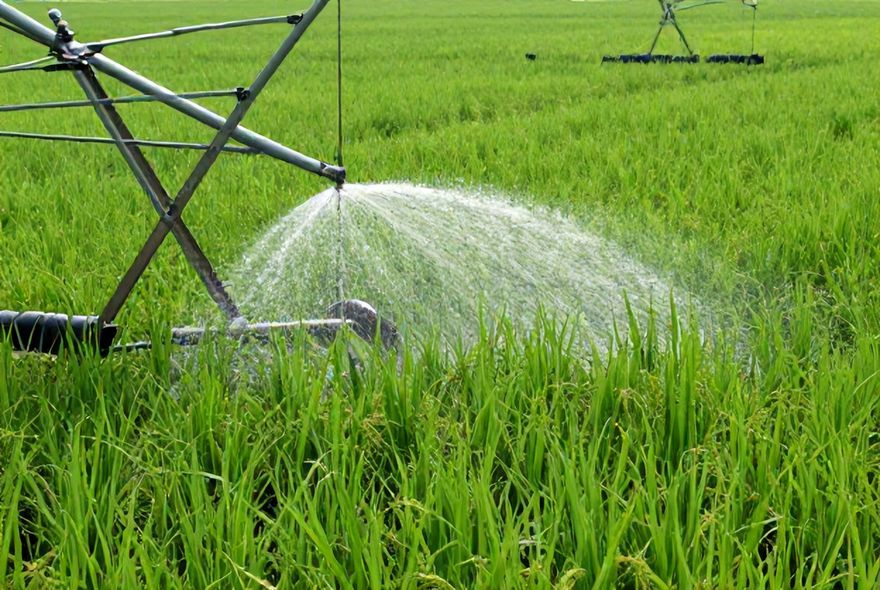
You know what separates a good harvest from a terrible one? Water. And before modern irrigation, farmers were basically at the mercy of the weather gods. The Green Revolution changed that game entirely. Irrigation techniques went from simple hand-dug wells and ditches to sophisticated systems including tube wells, canals, and sprinkler systems. This agricultural transformation meant that farmers could grow water-intensive crops like rice in regions that wouldn’t naturally support them. They could ensure consistent moisture for those hungry high-yielding varieties regardless of whether it rained or not. Suddenly, farming became less about luck and more about control. You could predict your harvest with much greater certainty.
- Modern irrigation techniques enabled farmers to provide consistent water supply to crops throughout the growing season, eliminating dependence on rainfall patterns
- Tube well technology allowed farmers to access groundwater, making irrigation possible even in semi-arid regions where traditional farming would have been risky
- Canal systems brought water from rivers and reservoirs to agricultural areas, transforming large regions into productive farmland
- Sprinkler and drip irrigation systems increased water efficiency by delivering moisture directly to plant roots, reducing waste compared to flood irrigation methods
- The ability to irrigate consistently meant farmers could grow multiple crops per year on the same land, maximizing productivity and income
The Success Story: How the Green Revolution Prevented Famine
Here’s where we give credit where credit is due. In the 1960s and 70s, many experts predicted global famine. Population was growing faster than food production could keep up, and we were heading toward a catastrophe. Then the Green Revolution happened, and it genuinely saved lives. Millions of people who would have starved got to eat. Nations that were dependent on food imports became self-sufficient. India, Pakistan, Mexico—these countries transformed from food-deficit nations to agricultural success stories. The agricultural transformation delivered on its promise: more food for more people. When you look at the numbers, it’s hard to argue with the results. Food production increased dramatically, prices became more stable, and hunger became less of an inevitable tragedy.
- Global cereal production nearly tripled between 1960 and 2000, largely due to the Green Revolution’s introduction of high-yielding varieties and modern farming techniques
- Countries like India, which faced severe food shortages in the 1960s, became self-sufficient in wheat production within a decade of adopting Green Revolution technologies
- Wheat yields increased from about 1 ton per hectare in the 1960s to over 3 tons per hectare by the 2000s in many developed nations
- Rice production similarly skyrocketed, with new varieties and techniques allowing Asia to feed its rapidly growing population without mass starvation
- The agricultural transformation prevented an estimated 1 billion deaths from famine, making it one of the most significant human achievements of the 20th century
Environmental Costs and Unintended Consequences
Okay, so here’s the uncomfortable truth that doesn’t get enough airtime. While the Green Revolution saved countless lives, it also came with a hefty environmental price tag. The intensive use of chemical fertilizers ran off into waterways, creating dead zones in rivers and coastal areas. Pesticides didn’t just kill pests—they accumulated in ecosystems, harming wildlife and entering the food chain. Groundwater got depleted in some regions faster than it could recharge. Soil quality degraded from constant intensive farming and reduced crop diversity. Biodiversity took a hit as traditional crop varieties disappeared and diverse ecosystems were replaced with monocultures. We basically traded future problems for present solutions. It’s not that the Green Revolution was wrong—it was necessary—but we didn’t fully account for what we were giving up.
- Chemical fertilizer runoff created nutrient pollution in waterways, leading to algal blooms and dead zones where aquatic life couldn’t survive
- Pesticide residues accumulated in soils and water systems, affecting non-target organisms and entering ecosystems in ways scientists didn’t initially predict
- Over-extraction of groundwater for irrigation depleted aquifers faster than natural recharge could replenish them, particularly in regions like the Indo-Gangetic Plain
- Continuous monoculture farming depleted soil organic matter and beneficial microorganisms, making soils less fertile over time despite heavy fertilizer use
- Traditional crop varieties and agricultural biodiversity were largely abandoned, reducing genetic diversity and making crops more vulnerable to new diseases and pests
Regional Variations and Global Adoption of Green Revolution Practices
The Green Revolution wasn’t a one-size-fits-all situation. Different regions adopted these agricultural transformation techniques at different paces and in different ways. Asia embraced it most enthusiastically, particularly in countries like India, Pakistan, and the Philippines. Africa was slower to adopt, partly due to different crop focuses and partly due to economic constraints. Latin America had its own timeline. And developed nations in Europe and North America had already been moving toward intensive agriculture before the Green Revolution got its catchy name. What’s fascinating is how this global agricultural transformation unfolded unevenly. Some regions saw dramatic improvements in food security and rural incomes. Others struggled with the transition costs and environmental impacts. Understanding these regional differences helps us appreciate why the Green Revolution’s legacy is so complex.
- Asia experienced the most dramatic Green Revolution transformation, with countries like India increasing wheat production six-fold and rice production doubling within two decades
- Pakistan became a major wheat producer through Green Revolution adoption, transforming from a food-importing nation to a significant exporter
- Africa’s adoption of Green Revolution techniques was more limited due to different staple crops (like sorghum and millet), infrastructure constraints, and economic barriers
- Latin America focused on maize and other crops, achieving significant productivity gains though not always with the same social outcomes as Asian nations
- Developed nations in Europe and North America had already begun intensive agriculture trends before the formal Green Revolution, accelerating even further with the new technologies
The Path Forward: Learning From the Green Revolution
We’re at an interesting point now. We’ve got the benefits of the Green Revolution—we’re feeding more people than ever before. But we’re also dealing with the consequences—environmental degradation, soil depletion, and sustainability questions that keep agricultural experts up at night. The big question is: what comes next? Can we feed a projected global population of 10 billion by 2050 while also protecting the environment? The answer probably isn’t going back to pre-Green Revolution farming—that couldn’t support current populations. Instead, we’re looking at what some call the “evergreen revolution” or “sustainable intensification.” We need to maintain or increase yields while reducing chemical inputs, improving soil health, and protecting ecosystems. It’s about learning from both the successes and failures of the Green Revolution’s agricultural transformation to create a better future.
- Modern agriculture is increasingly focused on precision farming, using technology to apply fertilizers and pesticides only where and when needed, reducing waste and environmental impact
- Regenerative agriculture practices are gaining traction, emphasizing soil health, crop diversity, and natural pest management alongside modern productivity techniques
- Genetic engineering and biotechnology offer new possibilities for developing crop varieties that are both high-yielding and more resistant to pests, diseases, and environmental stress
- Water-smart irrigation technologies and drought-resistant crop varieties are becoming critical as climate change makes water availability less predictable
- The integration of traditional knowledge with modern science is helping farmers balance productivity with sustainability, creating hybrid approaches that honor the lessons of the Green Revolution
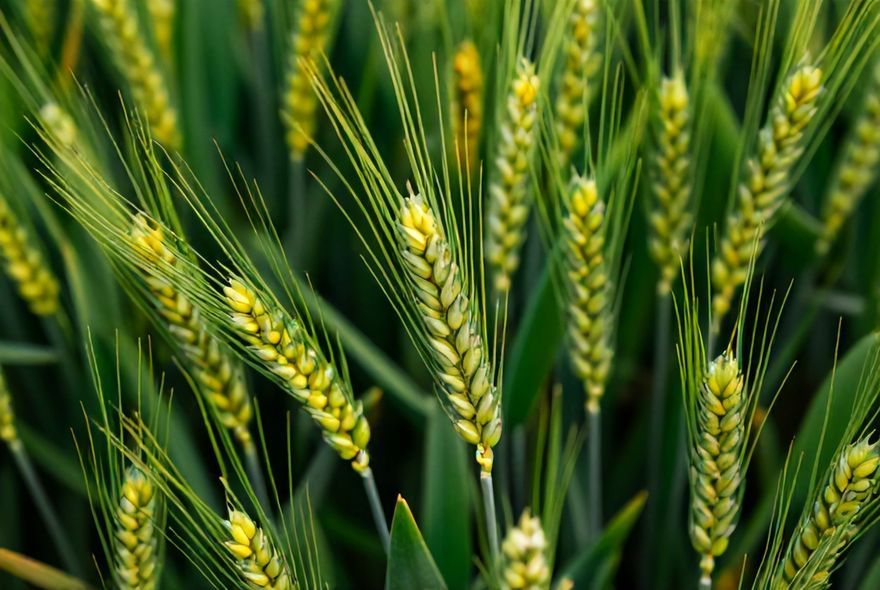
The Green Revolution was more than just a splash of green across the global agricultural canvas; it was a seismic shift in how we fed the burgeoning millions. Two main heroes emerged on this stage: high-yielding varieties (HYVs) of wheat and rice, and the dynamic duo of fertilizers and pesticides. These innovations turbocharged production capacities, turning erstwhile food deserts into cornucopias of plenty. Modern irrigation techniques also played a pivotal role, ensuring that every drop of water counted. The core message of this agricultural renaissance? To meet the needs of a rapidly growing global population, we must embrace innovation, adapt technologies, and sometimes sprinkle a little ingenuity on our fields. As we journeyed through this blog, we’ve showcased how these elements fused together to curb hunger and transform societies. This isn’t just history; it’s a revolution with lessons echoing into today.
Ready to plant the seeds of your own green revolution in conversations or community gardens? Unearth more insights and swap stories with fellow eco-enthusiasts by joining the discussion on our Facebook, Instagram, and Twitter. Dive into the greenery of knowledge and share your thoughts—or maybe even your favorite GMO puns—because the agricultural future doesn’t just grow itself!





Leave a Reply