
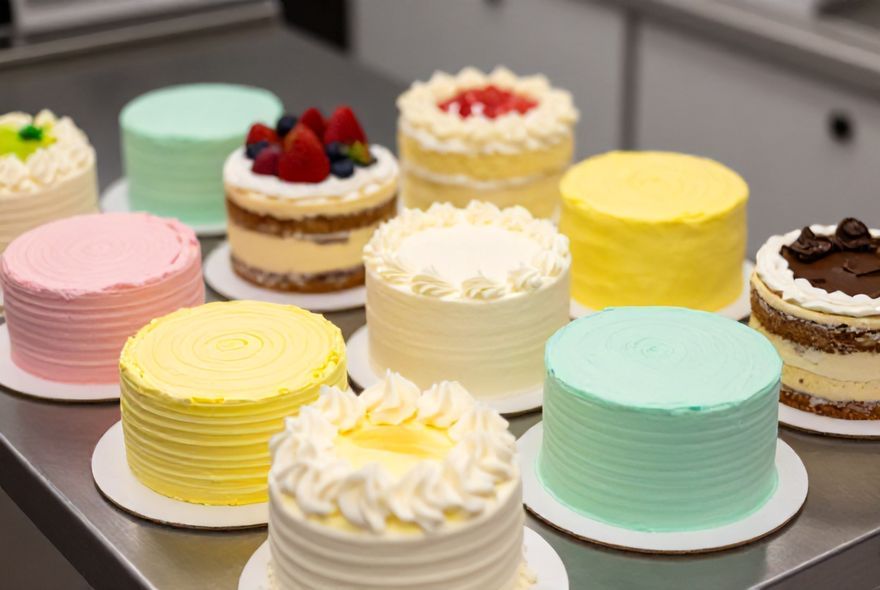
Ever stared blankly at a cake recipe and thought, ‘How on earth does lemon go with buttercream?’ Fear not! Our guide on the Best Ways To Pair Cake Flavours With Frosting Combinations is here to transform your baking game from mundane to mouth-watering. We’re diving deep, uncovering how to master the art of matching cake and frosting flavours so they complement rather than compete, crafting harmonious desserts that sing on the palate. Whether a cake enthusiast or a sweet-toothed adventurer, there’s a slice of insight for everyone!
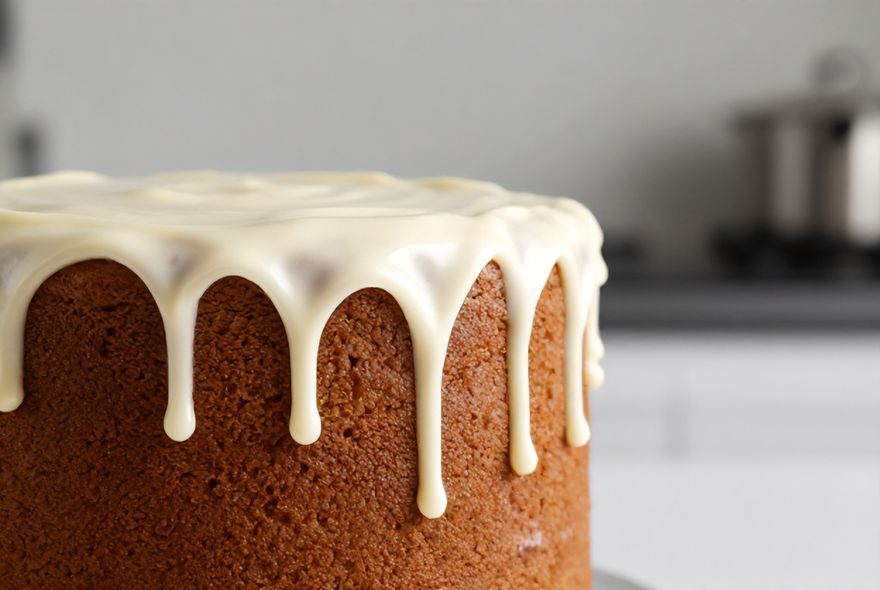
Key Takeaways
- Pair classic vanilla cake with rich chocolate frosting for a timeless treat.
- Twist it up by matching lemon cake with cream cheese frosting – a zesty delight!
- Chocolate cake loves a contrasting mint frosting – cooling meets indulgence.
- Red velvet and its soulmate, cream cheese frosting, always steal the show.
- Want a tropical vibe? Coconut cake and pineapple frosting will transport you to a beach paradise.
- Spice cake knows that caramel frosting is its perfect autumn partner.
- Experiment with matcha cake and white chocolate frosting for an exotic twist.
- Bored of basics? Try pairing almond cake with raspberry frosting – nutty and sweet love affair!
Understanding Flavor Harmony: The Foundation of Perfect Cake and Frosting Pairings
You know that moment when you bite into a slice of cake and everything just clicks? That’s not luck—it’s flavor harmony at work. Pairing cake flavours with frosting combinations is genuinely an art form, and honestly, it’s way more approachable than you’d think. The secret isn’t about picking the fanciest ingredients; it’s about understanding how different flavours interact with each other. When you master the art of matching cake and frosting flavours, you’re not just creating a dessert—you’re orchestrating a symphony on the palate. Let me break down the foundational principles that’ll transform how you think about these pairings.
- Complementary vs. Contrasting Flavors: Think of complementary flavours as best friends—vanilla cake with cream cheese frosting, for instance. They enhance each other without competing. Contrasting pairings, like chocolate cake with raspberry frosting, create excitement through tension. Both work beautifully when done intentionally, not by accident.
- The Weight and Intensity Rule: A delicate, light cake (think angel food) pairs best with lighter frostings like whipped cream or mousse-based options. Denser cakes like chocolate or carrot cake can handle richer, more intense frostings. According to cake pairing principles, balancing weight prevents one element from overwhelming the other.
- Flavor Families Matter: Citrus cakes naturally gravitate toward citrus frostings or floral notes. Spiced cakes (cinnamon, nutmeg, clove) shine with cream cheese or brown butter frostings. Keeping flavours within similar families creates cohesion—it’s like they already know each other.
- The Palate-Cleansing Effect: Some frosting and cake combinations actually refresh your taste buds between bites. Lemon curd frosting on vanilla cake does exactly this, making each bite feel fresh and exciting rather than heavy or cloying.
- Temperature and Texture Contrast: A warm cake with cool frosting creates sensory interest. The textural contrast—say, a moist cake with fluffy frosting—keeps the eating experience dynamic and prevents monotony.
The Classic Pairings That Never Disappoint
Let’s talk about the tried-and-true combinations that have stood the test of time. These aren’t boring—they’re classics for a reason. They’ve earned their reputation because they genuinely work, and understanding why they work helps you create your own winning combinations. The beauty of classic pairings is that they give you a roadmap. Once you understand the logic behind pairing cake flavours with frosting combinations in these time-tested ways, you can confidently venture into uncharted territory. These foundations are your launchpad.
- Vanilla Cake + Cream Cheese Frosting: This pairing is the gold standard for a reason. The tang of cream cheese cuts through the sweetness of the cake, creating balance. It’s versatile too—add a hint of lemon or vanilla bean to cream cheese frosting, and suddenly you’ve got sophistication without complexity.
- Chocolate Cake + Chocolate Buttercream: When both components are chocolate, you’re not doubling down on monotony—you’re creating depth. A darker, more intense chocolate cake pairs beautifully with a milk or dark chocolate buttercream. The key? Varying the intensity slightly so one doesn’t completely eclipse the other.
- Lemon Cake + Ermine Frosting or American Buttercream: Lemon’s brightness deserves a frosting that won’t fight back. A simple, slightly sweet frosting lets the cake’s citrus notes sing. Add a touch of lemon zest to the frosting, and you’ve got coherence with a subtle twist.
- Carrot Cake + Cream Cheese Frosting: The spices in carrot cake (cinnamon, nutmeg, ginger) need a frosting that complements without competing. Cream cheese’s tanginess and richness balance the spice perfectly, while its subtle sweetness doesn’t overwhelm.
- Strawberry Cake + Strawberry or Vanilla Frosting: This pairing works because strawberry’s delicate flavour needs support, not domination. A strawberry-flavoured frosting echoes the cake, while vanilla frosting lets the fruit take center stage. Both approaches respect the cake’s star ingredient.
Exploring Unexpected Flavor Combinations That Elevate Your Desserts
Here’s where things get fun. Once you’ve mastered the classics, it’s time to play. Creating harmonious desserts through unexpected pairings is honestly one of the most rewarding aspects of cake decorating and baking. The trick isn’t to be weird for weird’s sake—it’s to understand the logic behind unconventional combinations. You want people to taste your creation and think, “I didn’t know I needed this, but now I can’t imagine it any other way.” That’s when you know you’ve truly mastered the art of matching cake and frosting flavours.
- Earl Grey Tea Cake + Lavender Buttercream: Both elements are floral and sophisticated, but they come from different places. The bergamot in Earl Grey is citrusy and aromatic, while lavender adds an herbal, slightly sweet note. Together? They create an elegant, almost perfume-like experience that feels grown-up and refined.
- Brown Butter Cake + Sage Frosting: Brown butter brings nuttiness and depth, while sage adds herbaceousness. This pairing works because both have earthy undertones. It’s sophisticated without being pretentious, and it definitely gets people talking.
- Chai Spice Cake + Cream Cheese Frosting with Cardamom: Chai spices (cinnamon, cardamom, ginger, clove) are warm and complex. Cream cheese frosting with an extra cardamom punch echoes the cake’s spice profile while adding creamy balance. You’re creating harmony through intentional repetition with variation.
- Blackberry Cake + Black Licorice or Anise Frosting: Okay, this one’s polarizing, but it works beautifully for adventurous palates. Blackberry’s tartness pairs with anise’s subtle sweetness and licorice notes. The flavours don’t compete—they create a complex, intriguing taste experience that lingers.
- Matcha Cake + White Chocolate Frosting with Yuzu: Matcha is earthy and slightly bitter, while white chocolate is sweet and creamy. Yuzu citrus bridges the gap, adding brightness. This combination is modern, balanced, and absolutely Instagram-worthy.
The Science Behind Flavor Pairing: Why Certain Combinations Work
Let’s geek out for a moment, because understanding the science behind pairing cake flavours with frosting combinations actually makes you a better baker. It’s not mystical—it’s chemistry. When you understand why certain flavours work together, you stop guessing and start creating with confidence. Food scientists have identified compounds that create flavor harmony, and once you know what to look for, you’ll start seeing patterns everywhere. Trust me, this knowledge is a game-changer.
- Shared Flavor Compounds: Vanilla and chocolate both contain vanillin, which is why they’re such a natural pair. Similarly, citrus cakes and citrus frostings share aromatic compounds that create seamless harmony. When ingredients share molecular components, they inherently understand each other on a chemical level.
- The Maillard Reaction and Browning: Brown butter, caramelized sugar, and toasted nuts all undergo the Maillard reaction, creating complex, savory-sweet flavours. These ingredients naturally pair well because they speak the same chemical language. A brown butter cake with a brown butter frosting echoes these rich, nutty notes.
- Acid-Base Balance: Acidic elements (lemon, buttermilk, cream cheese) brighten and cut through sweetness. Pairing an acidic frosting with a sweet cake creates balance on your palate. That’s why lemon frosting on vanilla cake feels refreshing rather than cloying—the acid resets your taste buds between bites.
- Fat Content and Mouthfeel: Fat carries flavor and creates richness. A light, airy cake pairs beautifully with a fat-rich frosting (like buttercream), while a dense, moist cake might benefit from a lighter frosting (like Swiss meringue). The fat content affects not just taste but how the pairing feels in your mouth.
- Volatile Aromatic Compounds: Spices, citrus zest, and floral elements release aromatic compounds that interact with the cake’s flavor profile. When you understand these compounds, you can intentionally layer them. Adding cinnamon to a frosting that complements a spiced cake amplifies the experience without creating conflict.
Seasonal and Ingredient-Driven Pairings for Every Time of Year
One of the smartest ways to master the art of matching cake and frosting flavours is to work seasonally. Fresh ingredients are cheaper, more flavorful, and honestly, they just taste better. Seasonal pairings feel natural because they’re working with what nature provides at that moment. You’ll find that spring calls for light, floral notes, summer demands brightness and freshness, fall begs for warmth and spice, and winter wants richness and depth. Let’s break down how to create harmonious desserts throughout the year.
- Spring Magic: Floral and Fresh: Spring is all about renewal, so think light cakes with delicate frostings. Strawberry cake with rose buttercream, lemon cake with elderflower frosting, or white cake with lavender cream cheese frosting. The key is keeping things bright and not overwhelming the palate with heavy spices or dark chocolate. Fresh berries and edible flowers as garnish enhance the seasonal feel.
- Summer Bliss: Bright and Refreshing: Summer fruits are naturally sweet, so your frosting doesn’t need to be as heavy. Peach cake with mascarpone frosting, raspberry cake with lemon buttercream, or coconut cake with passion fruit frosting. Incorporate fresh fruit into your frosting design—it’s delicious and celebrates what’s in season. The lighter texture of frostings also prevents that heavy feeling in the heat.
- Fall Comfort: Warm Spices and Depth: Autumn is when spices shine. Apple cake with cinnamon cream cheese frosting, pumpkin cake with brown butter frosting, or pear cake with cardamom buttercream. These pairings feel cozy and warming. The earthiness of fall ingredients pairs beautifully with rich, spiced frostings that have depth and complexity.
- Winter Richness: Indulgent and Deep: Winter calls for decadence. Gingerbread cake with dark chocolate frosting, chocolate cake with peppermint frosting, or eggnog cake with rum buttercream. Rich, dark frostings complement dense, flavorful cakes. Winter is when you can go bold and unapologetic with flavour intensity.
- Year-Round Staples with Seasonal Twists: Vanilla cake is versatile, but you can seasonally adjust the frosting. Spring vanilla cake with strawberry frosting, summer vanilla cake with passion fruit frosting, fall vanilla cake with apple cinnamon frosting, winter vanilla cake with peppermint frosting. Same cake, completely different experiences based on seasonal ingredients.
Common Mistakes in Cake and Frosting Pairing and How to Avoid Them
Here’s the thing about pairing cake flavours with frosting combinations—there are definitely some landmines to watch out for. I’ve seen (and honestly, tasted) some pretty unfortunate pairings in my time, and most of them stem from the same recurring mistakes. The good news? Once you know what to avoid, you’re already halfway to creating harmonious desserts that actually work. Let me share some hard-won wisdom that’ll save you from dessert disasters.
- Over-Flavoring Both Components: This is the biggest culprit. If your cake is already intensely spiced or flavored, and then you add a frosting that’s equally intense, you’ve created flavor chaos. Your palate can’t process multiple competing intense flavours simultaneously. The solution? Let one component take the spotlight. If your cake is the star, keep the frosting supporting. If the frosting is your showcase, use a more neutral cake.
- Ignoring Sweetness Levels: Some cakes are naturally sweeter than others (hello, devil’s food cake), and some frostings are sugar-bombs (looking at you, American buttercream). Pairing two ultra-sweet components is overwhelming. Balance sweetness by choosing one component that’s sweet and one that’s slightly less so, or add something acidic to cut through the sweetness.
- Forgetting About Texture Contrast: A dense cake with a dense frosting feels monotonous. Even if the flavours complement perfectly, the eating experience falls flat. Always consider texture. Pair heavy with light, smooth with slightly textured, rich with airy. This principle alone elevates your pairings significantly.
- Mismatching Intensity Levels: A delicate angel food cake completely disappears when paired with a bold, dark chocolate frosting. The frosting overpowers the cake entirely. Conversely, a rich, dense chocolate cake might overshadow a wimpy vanilla frosting. Match intensity levels—delicate with delicate, bold with bold, or intentionally use contrast for effect.
- Not Tasting as You Go: This seems obvious, but so many people skip this step. Bake a small test cake, make a small batch of frosting, taste them together before committing to a full cake. You might discover that combination you were excited about doesn’t actually work, and it’s way better to find out on a small scale than after you’ve made three tiers.
Advanced Techniques: Layering Flavors for Complexity and Depth
Ready to take your cake and frosting pairing game to the next level? Once you’ve mastered the basics of matching cake and frosting flavours, you can start layering flavors to create truly sophisticated desserts. This is where baking becomes art. We’re talking about creating multiple layers of flavor that reveal themselves progressively as someone eats. The goal is to create a taste experience that unfolds, surprises, and delights. It’s complex, but totally achievable once you understand the principles.
- The Flavor Bridge Technique: Use a filling or glaze to bridge the gap between cake and frosting. Lemon cake with a raspberry filling and white chocolate frosting—the raspberry acts as a flavor bridge, connecting citrus and chocolate notes. Chocolate cake with a salted caramel filling and vanilla frosting—the caramel bridges the gap beautifully. These bridges create complexity without chaos because they’re intentionally chosen to connect the main components.
- Infusing Frostings with Complementary Spices: Take a basic frosting recipe and infuse it with spices or extracts that echo the cake. Vanilla buttercream becomes vanilla-cinnamon buttercream for a spiced cake. This technique layers flavor sophistication—you get the base frosting flavor plus additional complexity that harmonizes with the cake. It’s subtle but noticeable.
- Using Flavored Syrups for Depth: Brush a simple flavored syrup on your cake layers before frosting. This adds moisture, additional flavor, and complexity. A chocolate cake brushed with coffee syrup and topped with chocolate frosting gains depth and sophistication. The syrup adds a subtle layer of flavor that makes people wonder, “What is that?” (in the best way).
- Incorporating Texture Elements: Praline crunch, toasted nuts, or crispy elements in or on the frosting add another dimension. A simple vanilla cake with vanilla frosting becomes interesting when you fold in crushed honeycomb or toasted hazelnuts. You’re creating multiple sensory experiences—the flavor of the frosting, the texture of the inclusions, the flavor of the additions. It’s layering in multiple dimensions.
- Garnish as Flavor Component: Don’t treat garnishes as afterthoughts. They’re part of the pairing equation. Fresh mint on a chocolate cake with white chocolate frosting adds brightness and visual appeal while also adding flavor. Edible flowers on a floral-themed pairing reinforce the flavor story. Your garnish should enhance the pairing, not just sit there looking pretty.
Creating Custom Pairings: A Step-by-Step Framework
By now, you’re probably thinking about creating your own unique pairings. And honestly? You should. Once you understand the principles behind pairing cake flavours with frosting combinations, you have the tools to create something totally original. The art of matching cake and frosting flavours isn’t about following rules slavishly—it’s about understanding the rules well enough to know when and how to break them intentionally. Let me give you a framework for developing custom pairings that actually work.
- Step One: Choose Your Primary Flavor Profile: Start by deciding what you want your cake to taste like. Chocolate? Citrus? Spiced? Floral? This is your anchor point. Everything else builds from here. Write down three to five adjectives that describe your ideal cake flavor—rich, bright, warm, delicate, bold. These descriptors will guide every subsequent choice.
- Step Two: Identify Complementary Elements: Once you know your cake’s profile, think about what naturally complements it. If your cake is bold and dark, you might want a frosting that’s slightly lighter or offers contrast. If your cake is delicate and light, you might want a frosting that’s slightly more substantial. Create a short list of frosting ideas that would work with your chosen cake.
- Step Three: Consider Balance and Contrast: For each frosting option, ask yourself: Does this balance my cake? Does it offer textural contrast? Does it add something new to the experience, or does it just echo what’s already there? You want harmony, but you also want interest. Write down what each pairing brings to the table.
- Step Four: Test in Small Batches: This is non-negotiable. Make a small layer cake (even a 6-inch cake works), prepare your chosen frosting, and taste them together. Does the pairing work? Do the flavors complement or compete? Does one element overpower the other? Take notes on what works and what doesn’t. This tasting process is where you learn the most.
- Step Five: Refine and Adjust: Based on your taste test, make adjustments. Maybe the frosting needs more salt to cut through sweetness. Maybe the cake needs an extra splash of vanilla extract for depth. Maybe you need a flavor bridge like a filling or glaze. Refinement is where good pairings become great pairings. Don’t settle for “good enough”—iterate until it’s genuinely delicious.
Expert Tips and Tricks for Foolproof Flavor Pairing Success
Alright, we’re at the point where you’ve got the theory, you understand the principles, and you’re ready to execute with confidence. This final section is all about the practical wisdom—the insider tips that professional bakers and pastry chefs use when pairing cake flavours with frosting combinations. These are the little tricks that make the difference between a good pairing and an absolutely stunning one. Pay attention, because these nuggets of wisdom will elevate every cake you make going forward.
- Use Salt Strategically: A pinch of sea salt in your frosting elevates flavors and cuts through sweetness. It doesn’t make things taste salty—it makes them taste more like themselves. A dark chocolate frosting with a small pinch of sea salt becomes deeper and more complex. A strawberry frosting with salt tastes more strawberry-ish. Salt is your secret weapon for creating harmonious desserts that feel sophisticated.
- Remember That Frosting Temperature Matters: Warm frosting tastes sweeter and more intense than cold frosting. If you’re tasting frosting at room temperature but serving it chilled, remember that the flavor experience will be slightly different. This is especially important for delicate pairings where you need precise balance. Taste your pairing at serving temperature, not just while you’re working.
- Acid is Your Friend: A small amount of lemon juice, lime juice, or even vinegar in your frosting brightens flavors dramatically. It’s not about tasting sour—it’s about creating lift and complexity. Cream cheese is naturally acidic, which is why it pairs so beautifully with so many cakes. If you’re working with a frosting that feels flat, consider adding a tiny bit of acid to wake it up.
- Don’t Shy Away From Umami: Miso paste, soy sauce, or even a tiny pinch of MSG in savory-leaning cakes (like beet cake or carrot cake) creates depth and makes flavors pop. A savory element in a sweet context is sophisticated and memorable. Just use it sparingly—you want intrigue, not confusion. For more on the science of flavor pairing, you can explore detailed resources on the topic.
- Consider the Eating Experience, Not Just Taste: Think about how people will eat your cake. Will they eat a big forkful of cake and frosting together? Will they eat them separately? Will they eat frosting-forward or cake-forward? The ratio of cake to frosting matters, as does how they interact when eaten together. Sometimes a pairing works perfectly on its own but needs adjustment when you consider the actual eating experience.
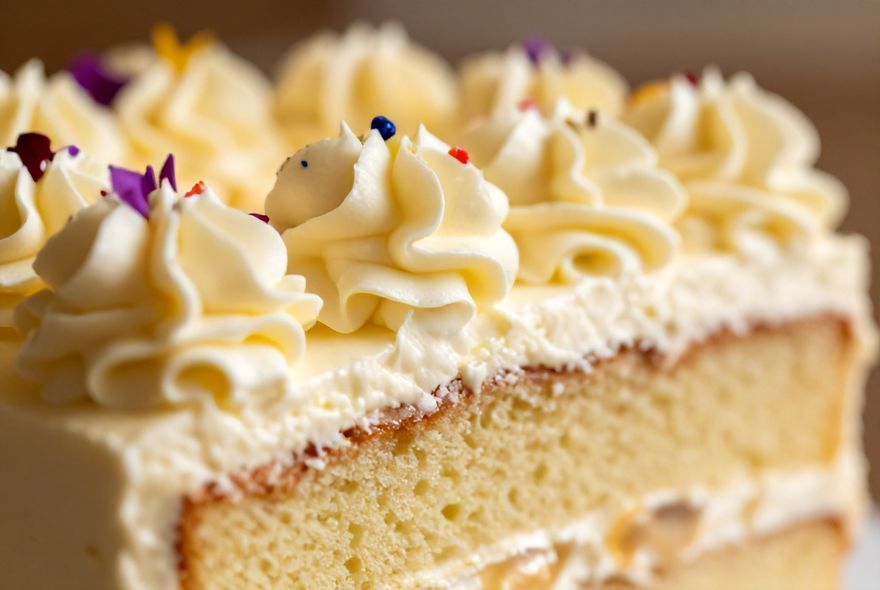
Pairing cake flavors with the right frosting isn’t just about slapping on some icing and hoping for the best. It’s about creating a delightful symphony of flavors that elevate the humble cake into a show-stopping dessert. First, we explored the classic matches like chocolate with vanilla buttercream—simple yet stunning—and why they’re perennial favorites. Then, we jumped into more adventurous territory like pairing lemon cake with blueberry frosting, which gives your tastebuds a zesty fiesta. Understanding how certain cake and frosting combinations harmonize rather than compete is vital; it’s much like any good relationship—the balance of power is key. Finally, we determined that, while rules are helpful, they’re not the law. Sometimes the best desserts come from a playful experiment in the kitchen. After reading this, you’re basically a cake whisperer, tuning flavors into harmonious desserts that sing on the palate.
Now that you’re well-versed in the art of cake and frosting matchmaking, why not get your apron on and start experimenting? Or maybe you’ve got some sweet creations to show off? Share your culinary masterpieces and get inspired by others on Facebook and Instagram. Let the world see your harmonious desserts—who knows, you could become the next cake-flavor virtuoso! Keep dreaming and baking, because life’s too short for boring cakes.





Leave a Reply