
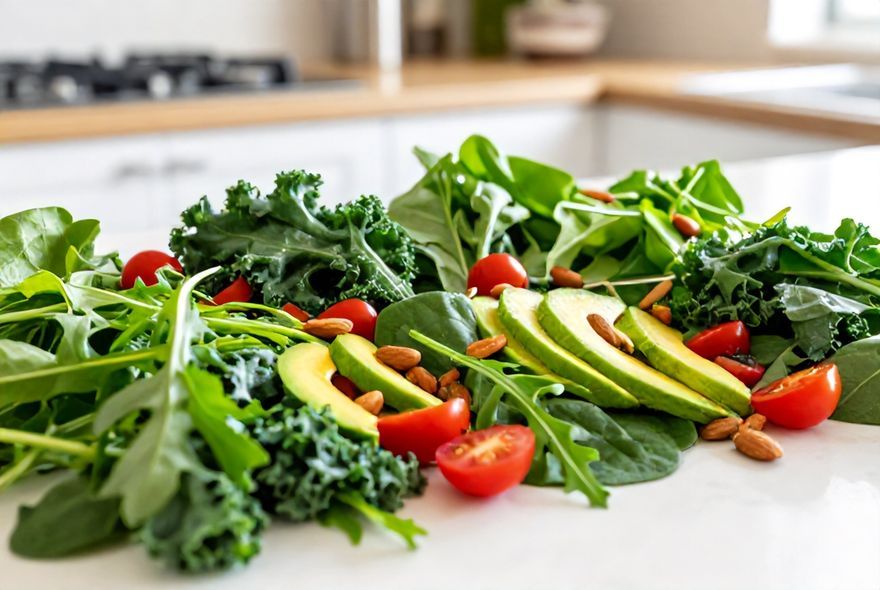
So, you’ve been wondering, “Do You Know The Healthiest Green Salad Ingredients?” Well, if your idea of green leaves is iceberg lettuce – it’s time to level up your salad game! In this blog post, we’re diving into the vibrant world of nutritionally dense greens and clever toppings that make your salads both deliciously satisfying and sneakily healthy. Ever tossed in some spinach and wondered if there’s something even better? Spoiler alert: there is! Ready for a crunch-course in leafy goodness? Grab your salad spinner and let’s get started!
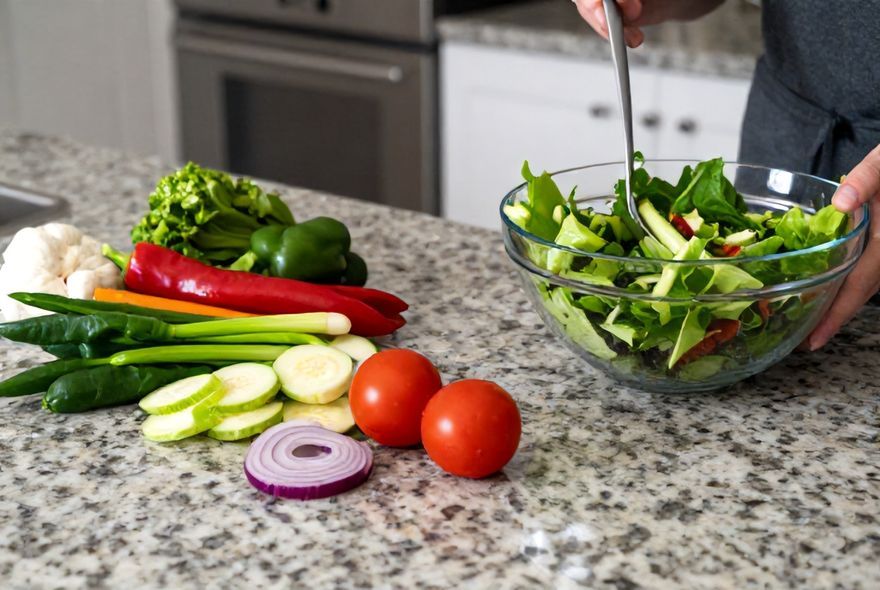
Key Takeaways
- Unearth the power of kale – the king of nutrient-dense greens.
- Spinach isn’t just Popeye’s fave; it adds tons of iron to your salad!
- Crunchy cucumbers or bell peppers? Both add a hydrating twist to every bite.
- Say cheese! A sprinkle of feta or goat cheese boosts flavor and calcium.
- Top it off with nuts or seeds for a satisfying crunch and omega-3 boost.
- Dress it right! Opt for olive oil or balsamic for a heart-healthy drizzle.
Understanding Nutritional Density in Salad Greens
You know that feeling when you’re trying to eat healthier but don’t want to sacrifice flavor? Green salads are honestly one of the easiest wins in nutrition—if you know what you’re doing. The thing is, not all greens are created equal. Some pack way more nutritional punch than others, and honestly, most of us are probably reaching for iceberg lettuce when we could be doing so much better. Let’s talk about what makes certain greens nutritionally dense and why it matters for your health.
- Nutritional Density Defined: Nutritional density refers to the amount of nutrients—vitamins, minerals, and phytonutrients—per calorie. Dark leafy greens like spinach and kale offer significantly more nutrients than lighter varieties, making them ideal for maximizing health benefits in every bite of your salad.
- Micronutrient Profile Matters: The healthiest green salad ingredients deliver essential micronutrients including iron, calcium, magnesium, and vitamins A, C, and K. These nutrients support bone health, immune function, and energy production—basically, the stuff your body actually needs to thrive.
- Bioavailability Considerations: It’s not just about having nutrients; your body needs to actually absorb them. Pairing greens with healthy fats (like olive oil or avocado) enhances the absorption of fat-soluble vitamins, making your nutritionally dense greens even more effective.
- Antioxidant Content: Dark greens contain powerful antioxidants that combat oxidative stress and inflammation. Research shows that incorporating these nutrient-rich ingredients into your daily diet supports long-term wellness and vitality.
- The Variety Advantage: Rotating between different greens ensures you’re getting a broader spectrum of nutrients. Each green salad ingredient brings something unique to the table—literally—so mixing them up is actually a smart strategy.
The Best Leafy Greens for Maximum Health Benefits
So, which greens should actually be in your salad bowl? If you’re serious about creating a healthy green salad, you’ve got some fantastic options that go way beyond basic lettuce. These are the heavy hitters—the greens that’ll transform your salad from “fine” to “actually nutritious.” Let’s break down the top contenders and what makes them nutritional powerhouses.
- Spinach – The Iron-Rich Champion: Raw spinach is packed with iron, folate, and vitamins A and K. It’s one of the most versatile and delicious green salad ingredients you can use. The earthiness of spinach pairs beautifully with other toppings, and it’s tender enough that you don’t need to massage it (though you can if you prefer). One cup of raw spinach contains about 141 micrograms of vitamin K—that’s nearly double what you need daily.
- Kale – The Nutrient Powerhouse: Kale is basically the CrossFit of greens—everyone’s talking about it, and for good reason. It’s loaded with vitamins A, C, and K, plus calcium and antioxidants. The key to great kale salads? Massage it gently with a bit of lemon juice or oil to soften those robust leaves. Lacinato kale tends to be more tender than curly varieties, making it a smart choice for salads.
- Arugula – The Peppery Performer: Don’t sleep on arugula. This peppery green adds serious flavor without needing much dressing. It’s rich in glucosinolates, compounds with potential anti-cancer properties. Plus, arugula’s bold taste means you can use less creamy dressing, keeping your healthy green salad actually light and refreshing.
- Swiss Chard – The Underrated Gem: Chard comes in vibrant colors and delivers impressive amounts of vitamins K, A, and C. It’s heartier than spinach, which means it holds up beautifully to heavier dressings and toppings. The stems are edible too, adding a nice crunch factor to your salads.
- Watercress – The Forgotten Superfood: Watercress might not get as much hype as kale, but it’s seriously nutrient-dense. It contains compounds called isothiocyanates, which research suggests may have protective health benefits. It’s got a peppery bite that makes your salad interesting without being overpowering.
Power Toppings That Amplify Nutritional Value
Here’s where most people mess up their salads—they get the greens right but then load up on toppings that undermine the whole healthy mission. We’re not saying you can’t enjoy your salad; we’re saying you can make it delicious AND nutritious. These toppings aren’t just about flavor (though they deliver that in spades); they’re about turning a simple green salad into a nutritionally complete meal that actually satisfies you.
- Nuts and Seeds – Healthy Fat Heroes: Almonds, walnuts, pumpkin seeds, and sunflower seeds add crunch, healthy fats, and protein to your salads. These ingredients help you feel fuller longer and improve the absorption of fat-soluble vitamins from your greens. A small handful (about an ounce) provides omega-3 fatty acids and magnesium. Toasting them lightly brings out their flavor without adding calories.
- Legumes – The Protein Powerhouses: Chickpeas, lentils, and black beans transform a simple green salad into a complete protein source. They add fiber for digestive health and sustained energy. A half-cup of cooked chickpeas provides about 7 grams of protein and 6 grams of fiber—that’s significant. These ingredients make salads genuinely satisfying, not just something you eat because you’re “supposed to.”
- Colorful Vegetables – The Phytonutrient Squad: Bell peppers, tomatoes, cucumbers, carrots, and beets bring color and variety to your green salad. Each color represents different phytonutrients—red from lycopene, orange from beta-carotene, purple from anthocyanins. The more colors on your plate, the broader your nutrient spectrum. Plus, they add natural sweetness and hydration.
- Cruciferous Additions – The Cancer-Fighting Crew: Broccoli florets, cauliflower, and Brussels sprouts (yes, raw works) contain sulforaphane and other compounds with impressive potential health benefits. They add interesting texture and substance to your salads. Raw cruciferous vegetables are actually more bioavailable than cooked ones for certain beneficial compounds.
- Healthy Fats – The Absorption Enablers: Avocado, olive oil, nuts, and seeds aren’t just tasty—they’re essential. Fat-soluble vitamins like K, A, D, and E need dietary fat to be absorbed properly. An avocado adds creaminess, potassium, and heart-healthy monounsaturated fats. Even a tablespoon of quality olive oil dramatically improves nutrient absorption.
Dressings That Complement Rather Than Compromise
You’ve got this beautiful green salad loaded with nutritionally dense ingredients, and then you drown it in a bottled dressing that’s basically sugar and seed oils. Yeah, that’s not happening on our watch. The right dressing should enhance your healthy green salad, not sabotage it. Let’s talk about how to dress your salad smartly—meaning delicious, simple, and actually good for you.
- Oil and Vinegar – The Classic for a Reason: A simple vinaigrette made with extra-virgin olive oil and vinegar is genuinely all you need. Olive oil provides those fat-soluble vitamins we mentioned, while vinegar adds flavor without calories. The acidity in vinegar may also help moderate blood sugar spikes. A basic ratio is three parts oil to one part vinegar, adjusted to your taste. This approach keeps your green salad healthy without fuss.
- Creamy Dressings Done Right: Greek yogurt, tahini, or mashed avocado can replace mayo-based dressings. These alternatives add protein, healthy fats, and nutrients while keeping things creamy and satisfying. A tahini-lemon dressing, for instance, adds sesame’s mineral content while being way lighter than traditional ranch.
- Citrus-Based Options – Fresh and Functional: Lemon juice, lime juice, and orange juice bring brightness to salads while offering vitamin C. Citrus helps your body absorb iron from greens better—it’s a perfect pairing. A simple lemon-garlic dressing requires just a few ingredients and elevates your healthy green salad without unnecessary additives.
- Herb-Forward Approaches – Flavor Without Fillers: Fresh herbs like basil, cilantro, parsley, and dill pack surprising nutritional benefits and let you use less dressing overall. Herbs contain beneficial plant compounds and make your salad taste restaurant-quality. Blending herbs into a dressing base lets you use less oil while getting more flavor.
- Avoiding Common Pitfalls: Store-bought dressings often contain added sugars, unhealthy oils, and preservatives that completely undermine your healthy green salad efforts. Even “healthy” options can be sneaky. Making your own takes literally five minutes and ensures you know exactly what’s going into your body.
Building a Balanced Salad That Actually Satisfies
Creating a healthy green salad isn’t just about throwing together some nutritionally dense ingredients and hoping for the best. There’s actually a method to making salads that taste amazing and keep you satisfied until your next meal. Think of it like building a house—you need a solid foundation, structural integrity, and some nice finishing touches. Let’s break down how to compose a salad that works.
- The Foundation: Choose Your Greens Wisely: Start with a mix of 2-3 different greens for maximum nutrition and interesting texture. Maybe spinach as your base with some arugula and watercress for peppery notes. The foundation should be about half your salad’s volume. This creates a nutritionally dense base that supports everything else.
- The Structure: Add Substance and Satisfaction: Include a protein source—beans, nuts, seeds, or even grilled chicken if you eat meat. Add 1-2 colorful vegetables for phytonutrients and fiber. This is where your salad becomes a complete meal rather than a side dish. The combination of fiber, protein, and healthy fats creates satiety, meaning you won’t be hungry an hour later.
- The Flavor: Balance Your Elements: Aim for sweet (maybe some berries or carrots), savory (nuts, seeds, maybe cheese), and something acidic or peppery (arugula, citrus dressing, vinegar). This balance keeps your taste buds engaged and makes eating healthy actually enjoyable. A salad should make you happy, not feel like punishment.
- The Ratio Rule: A good starting point is 2 cups greens, ½ cup toppings, ¼ cup protein, and 2-3 tablespoons dressing. This isn’t a hard rule—adjust based on your hunger and activity level. The idea is creating something substantial enough to be a meal but light enough to feel fresh and energizing.
- Prep and Timing Matter: Dress your salad right before eating to prevent wilting. If you’re meal prepping, keep dressing separate. Store greens in airtight containers with paper towels to absorb excess moisture. Hearty greens like kale and chard hold up better to advance preparation than delicate lettuces.
Seasonal Salad Strategies for Year-Round Nutrition
One of the secrets that people rarely talk about is that the best green salad ingredients change with the seasons. Spring brings tender young greens, summer offers abundant tomatoes and cucumbers, fall gives us heartier options, and winter—well, winter actually has some amazing nutrient-dense greens that most people ignore. Eating seasonally isn’t just trendy; it’s actually smarter nutrition and usually cheaper too. Let’s explore how to keep your salads fresh and exciting year-round.
- Spring Salads – The Fresh Start: Spring greens like spinach, watercress, and tender lettuces are at their peak. Pair them with fresh herbs, peas, radishes, and asparagus. Spring is also when fresh herbs become abundant, adding both flavor and beneficial compounds to your healthy green salad. The fresh, light nature of spring ingredients makes this the perfect time to transition from heavier winter foods.
- Summer Abundance – Maximize the Harvest: Summer is tomato season, cucumber season, and berry season. Your green salad base can remain simple because you’ve got incredible vegetables to work with. Add stone fruits, berries, and fresh herbs. The abundance of fresh produce means your nutritionally dense salad ingredients are at peak freshness and flavor without needing much else.
- Fall Transitions – Adding Substance: As temperatures drop, move toward heartier greens like kale, chard, and arugula. Add roasted vegetables, nuts, seeds, and maybe some grains. Fall’s cooler weather means greens are less wilted and more robust. This is when you can experiment with heartier dressings that might overwhelm delicate spring greens.
- Winter Warriors – Nutrient-Dense Powerhouses: Don’t underestimate winter greens. Kale, collards, and chard are actually more nutritious in cold weather as plants concentrate sugars and nutrients as protection. Add root vegetables, seeds, and legumes. Winter greens are less watery than summer varieties, making them more concentrated in nutrients. This is peak season for truly nutrient-dense salad ingredients.
- Storage and Preservation Tips: Buy what’s in season and store properly to maintain nutrition. Greens last longest in airtight containers with minimal moisture. Pre-cut vegetables oxidize faster, so whole is better when possible. Understanding storage helps you maintain the nutritional integrity of your ingredients and reduces waste.
Special Considerations for Specific Health Goals
Here’s the thing—what makes a “healthy” green salad can actually vary depending on your individual goals. Someone training for a marathon needs different nutrition than someone managing blood sugar, and that’s totally okay. The beauty of salads is their flexibility. You can adjust your ingredients to support your specific health objectives while maintaining that nutritionally dense approach we’ve been discussing. Let’s look at how to customize your salad strategy.
- For Weight Management – Focus on Fiber and Protein: Choose leafy greens with high water content, add legumes for protein, and include plenty of fiber-rich vegetables. These elements promote satiety without excess calories. The key is making your salad filling enough that you’re satisfied without needing additional snacks. Avoid oil-heavy dressings, but do include some healthy fat for nutrient absorption and satisfaction.
- For Athletic Performance – Emphasize Carbs and Minerals: Add whole grains, beans, and root vegetables alongside your nutritionally dense greens. Include electrolyte-rich ingredients like beets and leafy greens. Athletes need adequate carbohydrates and minerals for recovery, and a well-composed salad can deliver this. The variety of vegetables provides the micronutrients that support muscle function and recovery.
- For Blood Sugar Management – Prioritize Fiber and Limit Simple Carbs: Emphasize non-starchy vegetables and greens, add protein and healthy fats, and minimize sugary toppings and dressings. The fiber in healthy green salad ingredients helps moderate blood sugar spikes. Including protein and fat slows digestion, further supporting stable blood sugar levels throughout the day.
- For Heart Health – Go Heavy on Leafy Greens and Healthy Fats: Choose dark leafy greens known for heart-protective compounds, add nuts and seeds for omega-3s, and use olive oil-based dressings. Greens contain nitrates that support cardiovascular function. The combination of greens, healthy fats, and nutrient-dense toppings creates a salad that actively supports heart health.
- For Inflammation Reduction – Select Anti-Inflammatory Ingredients: Focus on greens with high antioxidant content like spinach and kale, add colorful vegetables, include turmeric or ginger if desired, and use quality oils. Many plant compounds in these nutritionally dense ingredients have documented anti-inflammatory properties. Building your salad around anti-inflammatory principles supports overall wellness.
Common Salad Mistakes That Undermine Your Health Goals
You know what’s frustrating? Putting effort into eating healthy and then accidentally sabotaging yourself through small mistakes. Most of us don’t realize how easily our good intentions can backfire. The thing is, these aren’t mistakes born from stupidity—they’re usually just habits we’ve picked up or misconceptions about healthy eating. Let’s talk about the pitfalls to avoid so your nutritionally dense salad actually delivers on its promise.
- Drowning Your Salad in Dressing: This is the number one culprit. Two tablespoons of dressing is the recommended amount, but most people use three to four times that. This adds hundreds of empty calories and often includes unhealthy oils and sugars. The solution? Dress sparingly and taste as you go. You’ll be surprised how little dressing you actually need when you use quality ingredients and build flavor thoughtfully.
- Skipping the Healthy Fats: Some people think “healthy salad” means fat-free, which is backwards. Without fat, you’re not absorbing fat-soluble vitamins from your greens. You also won’t feel satisfied. A salad without nuts, seeds, avocado, or oil-based dressing might leave you hungry and craving snacks. The healthy fats are essential, not optional.
- Relying on Iceberg Lettuce: Iceberg is basically water with minimal nutrition. It’s not bad, but it’s not what you want as your salad base if you’re trying to maximize health benefits. Swap it for spinach, arugula, or other nutrient-dense greens. Your nutritionally dense salad needs a worthy foundation.
- Ignoring Portion Sizes of Toppings: Nuts, seeds, and cheese are nutritious but calorie-dense. A handful of nuts is great; a bowl of nuts is excessive. Be intentional about portion sizes while not being neurotic. A quarter-cup of nuts or seeds is usually perfect—enough for nutrition and satisfaction without going overboard.
- Not Varying Your Ingredients: Eating the same salad every day gets boring and limits your nutrient diversity. Rotate your greens, change your toppings seasonally, and try new combinations. This keeps eating interesting and ensures you’re getting a broader spectrum of nutrients rather than the same compounds repeatedly.
Making Your Salad Practice Sustainable Long-Term
The difference between people who maintain healthy eating habits and those who don’t usually comes down to sustainability. You can eat perfectly for two weeks, but if it’s not sustainable, you’ll revert to old habits. The trick with creating a healthy green salad routine is making it enjoyable, convenient, and flexible enough to fit your real life—not some idealized version of your life. Let’s talk about making this work long-term.
- Prep Without Overcomplicating: You don’t need to spend Sunday prepping seventeen salads. Simple prep—washing and storing greens, cutting vegetables, toasting nuts—takes 30 minutes and sets you up for success. Having prepped ingredients available makes throwing together a nutritionally dense salad incredibly convenient. The easier you make it, the more likely you’ll actually do it.
- Keep Your Pantry Stocked: Maintain staples like quality oils, vinegars, nuts, seeds, canned beans, and dried herbs. When your pantry supports salad-making, you’re more likely to assemble one. These shelf-stable ingredients ensure you can always create a nutritious salad regardless of what fresh produce you have on hand.
- Embrace Imperfection: Some days you’ll make an elaborate salad with multiple greens and toppings. Other days, you’ll throw spinach in a bowl with whatever’s available and call it good. Both count. The goal is consistency, not perfection. A simple salad made with nutritionally dense greens is still infinitely better than skipping salads entirely because you don’t have the “perfect” ingredients.
- Get Creative With Combinations: Keep your salad habit fresh by trying new combinations. Maybe try a Mediterranean-inspired salad with chickpeas and feta one week, then an Asian-influenced version with sesame and edamame the next. This prevents boredom and naturally rotates your nutrient sources. Creative experimenting keeps salads exciting rather than feeling like an obligation.
- Listen to Your Body: Pay attention to how different ingredients make you feel. Maybe you feel better with more protein, or perhaps lighter salads work best for you. Your nutritionally dense salad should support your body’s unique needs. This personal experimentation helps you build a sustainable practice that actually feels good rather than just being “healthy.”
Understanding Labels and Quality When Shopping for Greens
Walk into any produce section and you’re faced with dozens of options—organic versus conventional, pre-packaged versus bulk, local versus imported. It’s enough to make your head spin. The good news? You don’t need to be a nutrition scientist to make smart choices. Understanding a few basic things about how to evaluate and select greens helps you get the most nutritionally dense ingredients for your salads. Let’s demystify the produce aisle.
- Organic Considerations for Greens: Greens are high on the pesticide absorption list, so organic matters more here than with some other vegetables. However, if budget is tight, thoroughly washing conventional greens removes most surface residues. The most important thing is eating more greens—whether organic or conventional—rather than avoiding them due to cost concerns. A conventional spinach salad is still far better than no salad.
- Freshness Indicators: Look for vibrant color, firm texture, and no sliminess or brown spots. Greens that are wilted or yellowing have lost nutrients. Smell them if you can—fresh greens should smell like, well, greens. Not musty or fermented. These sensory checks help you identify the most nutrient-rich options available.
- Bulk Versus Pre-Packaged: Pre-packaged salad mixes are convenient but often less fresh than bulk greens you select yourself. They also cost more. Buying bulk greens and storing them properly maintains freshness longer and gives you more control over your ingredients. You avoid the fillers sometimes added to packaged mixes.
- Local and Seasonal Advantages: Local greens picked recently have higher nutrient density than those shipped cross-country. Seasonal greens are fresher and usually cheaper. Farmers markets are great for sourcing peak-freshness ingredients. Supporting local agriculture also connects you with where your food comes from, which often increases your commitment to using it.
- Reading Beyond Labels: Don’t get too caught up in marketing labels like “superfoods” or “nutrient-dense.” These terms are often marketing speak. Focus instead on the actual nutritional content and what appeals to you. A humble spinach bunch is just as nutritious as an exotic imported green, sometimes more so.
The Role of Nutrient Synergy in Your Healthy Salad
Here’s something most people don’t think about: nutrients don’t work in isolation. They work together, sometimes enhancing each other’s effectiveness, sometimes competing for absorption. It’s called nutrient synergy, and understanding it helps you build salads that are truly greater than the sum of their parts. This is where the art and science of salad-building come together to create something genuinely transformative for your health.
- Vitamin C Enhancing Iron Absorption: The iron in spinach and other greens is plant-based (non-heme) iron, which your body absorbs less efficiently than animal-based iron. However, vitamin C dramatically improves this absorption. Adding citrus, tomatoes, or bell peppers to your green salad with spinach means your body actually uses that iron. This is nutrient synergy in action—combining foods makes them more effective.
- Fat-Soluble Vitamin Absorption: Vitamins A, D, E, and K need dietary fat for absorption. This is why that olive oil in your dressing isn’t indulgent—it’s essential. The fat allows your body to actually benefit from the vitamins in your greens. A salad without any fat source is essentially wasting the fat-soluble nutrients you’re consuming.
- Phytonutrient Combinations: Different plant compounds work together synergistically. Eating a variety of colorful vegetables means you’re getting different phytonutrients that support each other’s effectiveness. A salad with spinach, tomatoes, and bell peppers gives you more protective compounds working together than any single ingredient alone.
- Mineral Balance: Certain nutrients compete for absorption—calcium and magnesium, for instance. Including a variety of greens and vegetables ensures you’re getting balanced mineral ratios. This is why rotating your greens (spinach one day, kale another) is smarter than eating the same salad every single day.
- Building a Synergistic Plate: Think about nutrient pairing when you compose your salad. Pair iron-rich greens with vitamin C sources. Include healthy fats. Add a variety of colors. This intentional approach creates a salad where every component supports every other component’s effectiveness. You’re not just eating food; you’re strategically feeding your body.
For more comprehensive information on building nutritionally balanced meals and understanding how different foods work together for optimal health, check out our main guide on green salads, which dives deeper into practical applications and research-backed strategies.
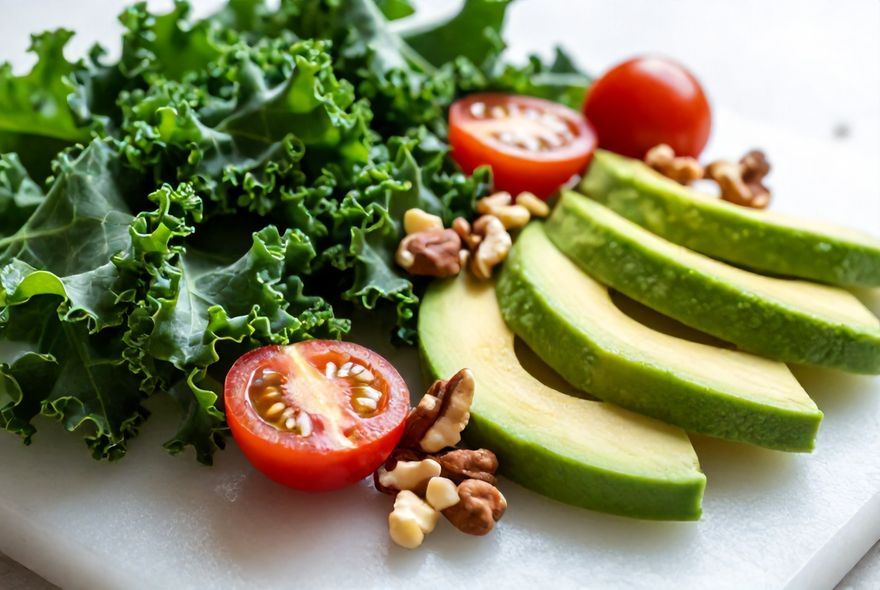
After diving into the kaleidoscope of health-boosting options for your green salads, it’s clear that the journey to crafting the healthiest salad is both colorful and rewarding. We’ve unveiled the most nutritionally dense greens like kale, spinach, and arugula, which aren’t only brimming with vitamins and minerals but also bring different textures and flavors to your bowl. Pairing these power greens with toppings such as nuts, seeds, and a variety of veggies ensures you maximize both taste and nutrition. Swapping out calorie-laden dressings for simple olive oil or lemon juice not only enhances flavors, but also keeps your salad on the healthy side. Maximizing the health benefits of your green salads while keeping them delicious and satisfying is more than possible— it’s downright fun!
So there you have it! From crunchy toppings to vitamin-packed greens, your salad arsenal is primed and ready for action. Whether you’re a seasoned salad samurai or a curious newbie, there’s always room to toss in something new. If you’re hungry for more tips and tricks on making your next meal as nutritious as it is scrumptious, follow us over on Facebook and Instagram. Let’s make every salad bowl a celebration of health and flavor!





Leave a Reply