
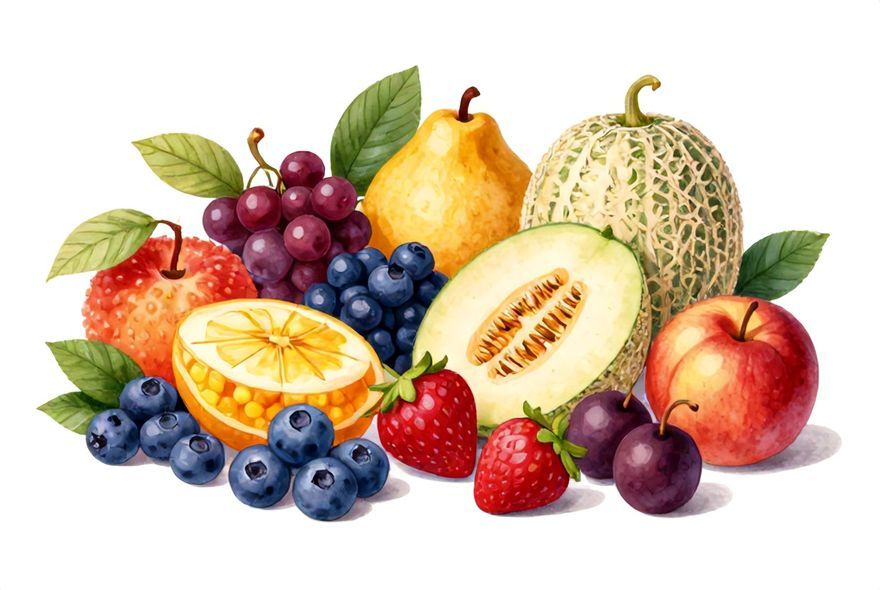
Did you know the banana is technically a berry but the strawberry isn’t? In our latest saga, the Guide To Understanding Different Fruit Categories Explained, we’re diving into the puzzling world of fruit families. From berries to drupes, decoding these categories might make you re-think that smoothie you love. Botanists and grocery stores seem to be having a fruit brawl! Ever wondered why these juicy delights are sorted so differently? Well, you’re in the right place. Spoiler alert: it’s not always what you think!
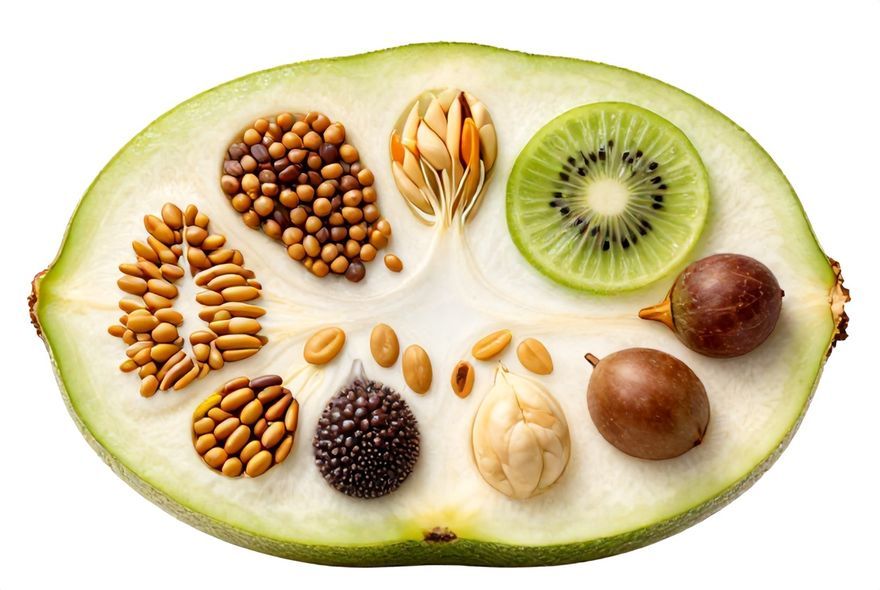
Key Takeaways
- Ever wonder why tomatoes are in the fruit aisle? Discover how botanists categorize them!
- Decode fruit myths – from berries to drupes, it’s a juicy journey.
- Learn why your grocery list is berry different from botany books.
- Get the scoop on why watermelons are surprisingly… berries!
- Why do botanists snub your favorite fruits? Let’s find out!
- Sorting fruits into categories can be bananas—ready for some fruity wisdom?
- Explore the fascinating world of fruit families—your fruit bowl will never be the same!
Why Fruit Classification Matters More Than You Think
You know that moment when you’re standing in the produce aisle, confidently grabbing what you think is a berry, only to later discover it’s botanically something entirely different? Yeah, we’ve all been there. The thing is, fruit categories aren’t just fancy botanical jargon—they actually tell us something really important about what we’re eating, how plants reproduce, and why your grocery store’s organization system drives botanists absolutely bonkers. Understanding different fruit categories explained is like getting the decoder ring to nature’s most delicious mystery. When we talk about fruit families and how botanists categorize them differently than your grocery store does, we’re really diving into the fascinating logic behind how plants evolved and why they look and taste the way they do. Let’s decode this confusing world together, shall we?
- Botanical vs. Culinary Definitions: What your grocer calls a fruit and what a botanist calls one are often two completely different things. Strawberries? Not botanically berries. Bananas? Actually berries. The mix-up happens because culinary definitions focus on taste and texture, while botanical ones focus on how the fruit developed from the flower’s ovary.
- Why This Matters for Your Health: Understanding fruit categories helps you appreciate nutritional diversity. Different fruit families offer different nutrient profiles—knowing whether you’re eating a drupe or a pome means understanding what vitamins and minerals you’re actually getting.
- Evolution’s Fingerprints: The way botanists categorize fruits tells the story of plant evolution. Each category represents a different reproductive strategy plants developed over millions of years, and it’s honestly kind of mind-blowing when you think about it.
- Storage and Ripening Clues: Fruit families behave differently after harvest. Knowing whether something’s a berry or a stone fruit helps you store it properly and understand when it’ll ripen, which means less food waste and more deliciousness.
- A Bridge Between Science and Your Kitchen: This guide connects botanical fruit families to what actually matters—eating better, reducing waste, and genuinely understanding your food from seed to table.
The Botanical Definition: What Actually Makes Something a Fruit?
Here’s where things get interesting. A fruit, botanically speaking, is the mature ovary of a flowering plant, usually containing seeds. That’s it. That’s the whole definition. But wait—before you skip this section thinking it’s too sciencey, hear us out. This one definition is the key that unlocks why your grocery store’s produce section is organized the way it is, and why botanists occasionally lose their minds at farmers markets. When we’re talking about understanding different fruit categories, we need to start here, at the absolute foundation of how botanists categorize them differently than your grocery store does.
- The Ovary is Everything: The fruit develops from the ovary of the flower after pollination. This is what separates true fruits from other plant parts. That apple? Developed from the ovary. That carrot? Nope—that’s a root. It’s all about where it came from on the plant, and that botanical origin story determines everything about how it’s classified.
- Seeds Are the Point: A fruit’s primary job is protecting and dispersing seeds. This is why fruits come in so many different packages—hard shells, fleshy exteriors, winged structures. Each design is nature’s solution to getting those seeds where they need to go, and understanding this helps you see why fruit families exist at all.
- Culinary Vs. Botanical—The Great Divide: Tomatoes, peppers, and cucumbers? Botanically fruits because they develop from the ovary and contain seeds. But your grocery store might stick them in the vegetable section because of how we use them in cooking. This gap between how botanists categorize fruits and how cooks do is responsible for more produce aisle confusion than you’d think.
- It’s Not About Sweet or Savory: Whether something tastes sweet or savory has absolutely nothing to do with whether it’s a fruit. This is a game-changer for understanding different fruit categories. Some fruits are bitter, some are savory, some are downright sour—the taste doesn’t determine the category; the origin from the ovary does.
- The Seed Thing Really Matters: Most fruits contain seeds because that’s literally their job. But seedless grapes and bananas exist because humans bred them that way. Botanically, they’re still fruits—the breeding just removed the seeds that would normally be there.
Simple Fruits vs. Aggregate Fruits vs. Multiple Fruits: The Three Big Groups
Alright, let’s organize this chaos. When botanists categorize fruits, they start with a pretty fundamental split: how many ovaries does that flower have? This might sound overly technical, but it’s actually the clearest way to understand different fruit categories explained. Think of it like sorting your laundry—first you separate by color, then by fabric type. Fruit families work similarly. There are three major ways fruits develop, and once you know them, the entire confusing world of fruit classification starts making sense.
- Simple Fruits—From One Ovary: These develop from a single ovary in one flower. They’re your straightforward fruits—apples, peaches, plums, grapes, watermelons. One flower makes one fruit. It’s simple (hence the name), and it’s the most common setup you’ll find. Understanding that simple fruits are basically the default fruit category helps you see why everything else is an exception worth noting.
- Aggregate Fruits—Multiple Ovaries, One Flower: Here’s where it gets wild. Some flowers have multiple ovaries, and when they all develop, you get an aggregate fruit. Strawberries and raspberries are aggregate fruits—those little drupelets you see are each a tiny fruit from its own ovary. This is why strawberries aren’t technically berries, despite the name. Each little bump on a raspberry is actually a separate fruit. Your mind might be blown right now, and that’s totally valid.
- Multiple Fruits—Many Flowers, One Structure: And then there are fruits that form when multiple flowers fuse together into one structure. Pineapples and mulberries are multiple fruits. Each little segment represents a flower that fused with its neighbors. This is nature’s version of a group project where everyone actually cooperates, and the result is something greater than the sum of its parts.
- Why This Matters for Identification: Once you understand these three categories, you can look at any fruit and start guessing its classification. See little bumps? Probably aggregate. One seed in the middle? Probably simple. Lots of little flowers fused together? Multiple. It’s like learning to read nature’s visual language.
- Storage Implications: These categories also hint at how fruits should be stored. Aggregate fruits like berries are delicate because they’re essentially many tiny fruits held together. Simple fruits like apples are sturdier. Multiple fruits like pineapples are tanks. Understanding which is which helps you handle your produce correctly.
Berries: The Most Misunderstood Fruit Category
Okay, we need to talk about berries because this is where most people’s fruit knowledge goes sideways. You probably think you know what a berry is, right? Wrong—and we say that with love. This is the most common place where how botanists categorize fruits differently than your grocery store creates absolute chaos. A berry, botanically speaking, is a fruit that develops from a single ovary and has seeds embedded in the fleshy interior. That’s the whole definition. And it’s going to completely change how you think about fruit families and different fruit categories explained.
- Strawberries Aren’t Berries—Plot Twist: We know, we know. But here’s the thing: strawberries develop from an aggregate of ovaries, not a single one. They’re aggregate fruits. Those little seeds on the outside? Those are the actual fruits. The fleshy red part is technically the receptacle (the part of the flower that holds everything together). Your grocery store calls them berries, botanists call them aggregate fruits, and both groups are technically right depending on which definition you’re using. It’s maddening and wonderful at the same time.
- Raspberries and Blackberries Are Also Aggregate Fruits: See those little drupelets clustered together? Each one is technically a tiny fruit. When they all stick together, you get what we call a raspberry or blackberry. But neither of these is a true berry in the botanical sense. Understanding different fruit categories means accepting that the names are basically a lie—a delicious, historical lie, but a lie nonetheless.
- Blueberries, Cranberries, and Currants Actually Are Berries: Finally, some good news. These actually fit the botanical definition of berries. They develop from a single ovary, have seeds embedded in flesh, and have a fleshy interior. See? Some names actually make sense. The universe isn’t completely topsy-turvy.
- Bananas and Grapes Are Berries Too: This one blows minds every time. Bananas are berries. Grapes are berries. Kiwis are berries. The reason nobody calls them that is purely historical—the term “berry” just got locked into the culinary world for small, seeded fruits, and it stuck. But botanically? Totally berries. If we started calling bananas berries tomorrow, we’d be more accurate, even if it sounds ridiculous.
- Why Berries Matter in Your Diet: True berries tend to have concentrated antioxidants and are nutritionally dense. Understanding which fruits are actually berries helps you make informed choices about which produce offers the most nutritional bang for your buck. It’s not about the name—it’s about what that classification tells you about the fruit’s composition.
Drupes: The Stone Fruit Family with a Pit Strategy
Let’s talk about drupes, because this is one of the clearest and most logical fruit categories—which means it’s also one of the easiest to understand. A drupe is a fruit with a hard pit or stone in the center, surrounded by fleshy fruit. The pit protects the seed inside, which is a pretty smart evolutionary strategy if you think about it. Understanding drupes is crucial for decoding the confusing world of fruit families because they’re super common, botanically consistent, and way easier to identify than berries. When botanists categorize fruits, drupes are the ones that actually make everyone happy because the definition works perfectly.
- Peaches, Plums, Cherries, and Apricots—Classic Drupes: These are your stereotypical stone fruits. One hard pit, surrounded by sweet flesh. The pit exists to protect the seed, and it’s basically the easiest fruit category to identify because it’s so visually obvious. If you see a pit, you’re probably looking at a drupe. See how simple this is compared to berries? Drupes are like the organized, straightforward friend in the fruit world.
- Mangoes, Olives, and Coconuts Are Drupes Too: Wait, what? Coconuts? Yep. That hard shell inside the coconut isn’t just packaging—it’s the pit. The seed is the white meat inside. Olives have a pit. Mangoes have a giant pit. Once you know the definition, you start seeing drupes everywhere, and it’s actually pretty satisfying to identify them correctly.
- The Evolutionary Brilliance of the Pit: The hard stone protects the seed from being crushed by animals that eat the fruit. It’s nature’s way of saying, “Eat the delicious flesh, but please don’t destroy the seed.” Some animals evolved to crack the pit (like squirrels with nuts), while others just dispersed the whole thing and let time do the work. It’s an elegant system.
- Why Drupes Ripen the Way They Do: Understanding different fruit categories means understanding that drupes have a specific ripening pattern. They continue to ripen after harvest (which is why you can buy hard peaches and let them soften), whereas berries pretty much stop ripening once they’re picked. This is directly related to the pit’s role as a protective structure—the fruit can afford to mature slowly.
- Nutritional Consistency in the Drupe Family: Most drupes are good sources of vitamins, minerals, and fiber. The pit-and-flesh structure tends to deliver consistent nutrition across the family. Understanding that something’s a drupe gives you a pretty good sense of what nutritional profile to expect.
Pomes: The Apple and Pear Paradox
Now here’s a category that really shows why botanists categorize fruits differently than your grocery store does. Pomes are fruits where the ovary is surrounded by the receptacle—basically, the fleshy part you eat includes tissue from outside the ovary itself. This sounds confusing, but it’s actually super important for understanding different fruit categories. Apples, pears, quinces, and medlars are all pomes, and once you understand what makes them different, you’ll never look at an apple the same way again.
- The Structure Tells the Story: In a pome, if you cut it open, you’ll see a papery or cartilaginous core in the middle. That core is the true fruit—that’s where the ovary and seeds are. Everything else around it is the receptacle, which has grown up and become fleshy. So technically, you’re eating both the fruit and the receptacle when you eat an apple. Wild, right? This is the kind of thing that makes understanding different fruit categories actually interesting.
- Apples and Pears Are Basically Cousins: They’re both pomes, which means they share a family structure even though they taste different and have different textures. Recognizing this relationship helps you understand why they have similar storage requirements and ripening patterns—it’s because they share the same fundamental fruit structure.
- The Core Isn’t Waste—It’s the Real Fruit: When you hear “eat the whole apple, including the skin,” botanists are thinking about that core. The seeds in the core are where the genetic information is, where the next generation of apples begins. The flesh is just the wrapper. Understanding this shifts your perspective on what a fruit actually is.
- Why Pomes Keep So Long: The receptacle tissue is sturdy and protective, which is why apples and pears store better than berries. That thick flesh acts as insulation and protection for the seeds inside. This durability is why apples have been a winter staple crop for thousands of years.
- Pollination Patterns in Pomes: Most pomes require cross-pollination, which is why apple orchards plant multiple varieties. Understanding that apples are pomes helps you understand agricultural practices—farmers can’t just plant one variety and expect maximum fruit production because pomes need diversity.
Citrus Fruits: The Hesperidium Specialists
Citrus fruits are in their own special category called hesperidiums, and honestly, they deserve it. Oranges, lemons, limes, grapefruits, and tangerines all share a distinctive structure that makes them immediately recognizable once you know what to look for. Understanding how botanists categorize citrus fruits differently than how your grocery store groups them reveals one of nature’s most elegant fruit designs. The hesperidium is basically a fruit specifically engineered for storage, transport, and protection—which is probably why citrus fruits have been traded across the globe for centuries.
- The Segmented Structure Isn’t Random: That segmented interior of an orange? Those segments (called carpels) are actually separate chambers that grew from different parts of the ovary. Each segment has its own membrane, its own juice sacs, its own organization. This compartmentalization is brilliant—if one segment gets damaged, the others are protected. Understanding different fruit categories means appreciating how citrus fruits literally engineered themselves to survive rough handling and long journeys.
- The Rind is Multi-Layered Protection: The thick skin of a citrus fruit isn’t just one thing—there’s the outer colored layer (the flavedo), the white pithy layer underneath (the albedo), and the membrane layers inside. This is nature’s version of bubble wrap and a protective case. When botanists categorize citrus fruits as hesperidiums, they’re really recognizing this sophisticated protective structure.
- Oil Glands in the Skin Serve a Purpose: Those little pockets in citrus skin that release fragrant oils when you zest them? Those aren’t just for flavor—they’re actually antimicrobial and protective. The fruit uses these compounds to resist rot and fungal growth. It’s self-preserving technology built right into the skin.
- Why Citrus Lasts Longer Than Most Fruits: Because of their hesperidium structure, citrus fruits have incredible shelf life compared to berries or stone fruits. That thick, segmented design protects the juice and flesh inside from moisture loss and damage. This is why oranges can be stored for weeks and still taste great.
- The Nutritional Advantage of Hesperidiums: The segmented structure and protective layers mean citrus fruits retain their vitamin C content longer than softer fruits. The layers protect the juice and nutrients inside, which is why citrus fruits are reliable sources of nutrition even when stored for extended periods.
The Confusing Middle Ground: Why Grocery Stores and Botanists Will Never Agree
Here’s the real talk: botanists and grocery stores will literally never organize fruit the same way, and that’s okay. Actually, it’s more than okay—it’s actually kind of fascinating once you understand why it happens. Your grocery store organizes by culinary use, appearance, and shopping convenience. Botanists organize by reproductive structure and evolutionary relationships. These are two completely different organizational systems with different goals, which is why understanding different fruit categories explained requires knowing both perspectives. When botanists categorize fruits differently than your grocery store does, they’re not being difficult—they’re just answering a different question.
- Tomatoes: The Eternal Debate: This is the classic example. Botanically, a tomato is absolutely a berry—it develops from a single ovary and has seeds embedded in flesh. But it tastes savory, cooks like a vegetable, and is used in savory dishes. So grocery stores put it with vegetables. Both are right. Both are wrong. It’s the fruit category paradox that makes everyone slightly frustrated, and it’s honestly kind of beautiful.
- Cucumbers, Peppers, and Other “Vegetables”: Botanically, these are all berries or drupes or other fruit categories. But culinary tradition and grocery store convenience mean they’re shelved with vegetables. Understanding this gap is the key to understanding why decoding the confusing world of fruit families requires knowing both systems. Neither system is wrong—they’re just answering different questions.
- Why Grocery Stores Organize the Way They Do: Grocery stores think about shopping behavior and how people cook. They assume you want to see fruits together because you might be thinking about making a fruit salad or jam. They put vegetables together because they’re thinking about savory dishes. It’s pragmatic. It’s not scientifically accurate, but it works for shoppers.
- Why Botanists Categorize the Way They Do: Botanists are thinking about evolutionary relationships, reproductive strategies, and how plants developed over millions of years. A fruit classification tells you about the plant’s history and genetics. It’s scientifically elegant, but it means strawberries and raspberries are in completely different categories even though they’re on the same shelf at your store.
- Meeting in the Middle: The smartest approach is knowing both systems. Use the botanical categories to understand what you’re actually eating and how to store it. Use the culinary categories to know how to cook it. Understanding different fruit categories means being flexible enough to use the right system for the right situation.
Practical Applications: Using Fruit Categories in Your Kitchen and Garden
Okay, so you’ve learned all about how botanists categorize fruits and why it’s completely different from your grocery store. But here’s the question that probably matters more: how does this actually help you? Well, understanding different fruit categories has real, practical applications that can improve how you shop, cook, store, and even grow fruit. Once you start seeing fruits in terms of their botanical categories, you become more efficient in the kitchen and more intentional about what you’re eating. Let’s get into the actually useful stuff.
- Storage Strategies Based on Fruit Type: Berries are delicate and need to stay cool and dry—they’re aggregate fruits with tons of surface area, so they’re prone to mold. Drupes can handle a bit more handling and ripen after picking. Pomes last forever in cool storage. Citrus fruits (hesperidiums) are basically indestructible. Once you understand what category your fruit is, you know exactly how to store it for maximum freshness. This isn’t just about keeping fruit fresh—it’s about reducing food waste, which saves money and helps the environment.
- Ripening Expectations Based on Category: Berries stop ripening after harvest—what you pick is what you get. Drupes continue to ripen and soften after picking. Pomes ripen slowly and can be stored unripe for weeks. Understanding these patterns based on fruit categories means you’ll stop buying rock-hard peaches expecting them to soften on your counter (they will) or buying rock-hard strawberries expecting flavor (they won’t). It’s all about managing expectations based on botanical reality.
- Preservation Methods That Actually Work: Different fruit categories preserve differently. Berries make great jams because of their high pectin content. Drupes are perfect for canning whole. Citrus fruits make excellent marmalades because of their pectin-rich pith. Understanding what category you’re working with helps you choose preservation methods that actually succeed. No more failed jam batches because you’re using the wrong fruit.
- Growing Your Own Based on Structure: If you want to grow fruit, understanding categories helps you choose what’s realistic for your space. Aggregate fruits like berries can be grown in containers. Drupes need more space and specific chill hours. Pomes need pollination partners. Citrus needs warmth. Knowing the fruit category helps you pick what will actually work in your garden instead of wasting time on plants that won’t thrive in your climate.
- Nutritional Planning and Food Combining: Understanding different fruit categories helps you build diverse nutrition into your diet. Berries are antioxidant powerhouses. Drupes are good for vitamins and minerals. Pomes have fiber in the skin and core. Citrus is vitamin C central. When you know what category you’re eating, you can strategically combine fruits to hit different nutritional targets. It’s not just about eating fruit—it’s about eating smart.
The Future of Understanding Fruit: Why This Knowledge Matters More Than Ever
Climate change, global trade, and agricultural innovation are all changing how we grow and interact with fruit. Understanding different fruit categories explained isn’t just about knowing trivia—it’s becoming increasingly important as we navigate a rapidly changing food system. When botanists categorize fruits and when we understand why that’s different from grocery store organization, we’re equipping ourselves with knowledge that helps us make better choices about what we eat, where it comes from, and how sustainable that actually is. This is the bigger picture stuff, and it matters.
- Climate Adaptation and Fruit Diversity: As climates shift, some traditional fruit-growing regions are becoming unsuitable for certain crops. Understanding fruit categories helps us think about which fruits might adapt to new climates and what new varieties might thrive in changing conditions. A drupe that evolved in a temperate climate might not survive in a warming world, but understanding its structure helps us predict what will and what won’t.
- Heritage Varieties and Biodiversity: The global food system has narrowed fruit diversity drastically. We grow a few perfect-looking apples and ignore thousands of heritage varieties. Understanding different fruit categories helps us appreciate that diversity—it shows us that the narrow selection at our grocery store is just a tiny fraction of what’s possible. Rediscovering heritage varieties of pomes, drupes, and berries is becoming increasingly important for food security.
- Sustainable Agriculture and Understanding Structure: Farmers who understand fruit categories can make smarter decisions about pest management, water use, and cultivation techniques. A farmer who knows that citrus fruits have specific structural vulnerabilities can protect them better. A farmer who knows that berries are aggregate fruits understands why they’re more delicate and need different harvesting approaches. Knowledge drives sustainability.
- Global Food Trade and Quality Standards: As fruit travels farther and takes longer to reach stores, understanding categories helps us predict quality outcomes. Hesperidiums like citrus travel well because of their structure. Berries are a nightmare in global supply chains because they’re delicate. Understanding why helps us make sense of what’s available when and why some fruits are seasonal while others are year-round.
- Genetic Modification and the Future of Fruit: As we breed new varieties and potentially modify crops genetically, understanding the fundamental structure of fruit categories helps us think critically about what we’re changing and why. Understanding that berries are aggregate fruits means understanding why seedless berries might be fundamentally different from berries with seeds. This knowledge empowers us to make informed choices about food innovation.
Your New Superpower: Seeing Fruit Like a Botanist
So here’s the thing—you’ve now got knowledge that most people don’t have. You understand why strawberries aren’t berries, why bananas actually are, and why your grocery store and botanists will never agree on how to organize the produce section. You know the difference between drupes and pomes, you understand hesperidiums, and you can identify aggregate fruits by looking at them. That’s actually pretty cool, and it’s more than just trivia. When you understand different fruit categories, you’re literally seeing food differently. You’re understanding the evolutionary history embedded in every apple and orange and raspberry you pick up. And that changes how you shop, cook, eat, and think about where your food comes from.
The confusing world of fruit families isn’t actually confusing once you learn the system. Botanists have organized everything logically based on reproductive structure. Your grocery store has organized everything logically based on how people shop. Both make sense in their own context. The trick is knowing both systems and using whichever one serves your purpose. Want to know how to store your fruit? Use the botanical categories. Want to know where to find something in the store? Use the culinary categories. Want to understand the evolutionary story of what you’re eating? Definitely use the botanical categories—that’s where the magic is.
For deeper exploration of fruit classifications and more scientific details, you can visit the main article on fruit categories for comprehensive information and additional resources.
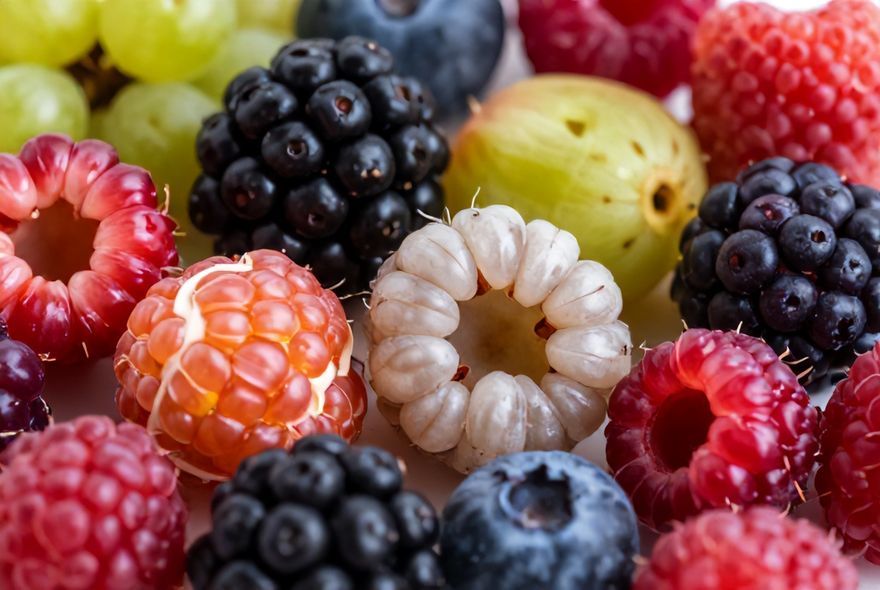
Embarking on a botanical journey through the diverse world of fruit families, you’ve undoubtedly unraveled the mystery of why fruits are grouped into categories like berries, drupes, and others. This guide has shone a light on the often surprising criteria botanists use to classify fruits—criteria that often differ wildly from the organization seen at your local grocery store. By understanding these classifications, from simple fleshy berries to the more complex aggregate drupes, we recognize the intricate beauty and variety nature offers. Armed with this knowledge, you’re now better equipped to appreciate the diversity of your fruit bowl and perhaps even surprise friends with your newfound expertise.
So, as you savor your mixed fruit salad with fresh insights, why not share the juicy knowledge? Follow us on Facebook, Instagram, and Twitter to continue this appetizing conversation. Tag yourself with your favorite fruit revelation, start a botanical debate, or simply flaunt your fruity smarts. It’s time to elevate your discussions from simply “Is the tomato a fruit or vegetable?” to “Is the tomato a true berry?” Go ahead, let’s redefine fruit-speak together! 🍎🍇





Leave a Reply