
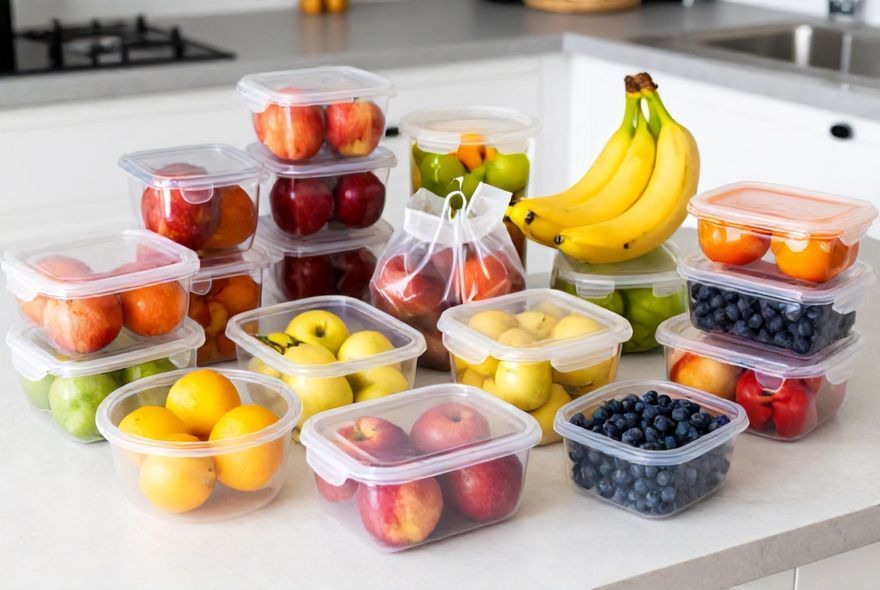
Do you find your fruit turns into a squishy science experiment before you even get the chance to enjoy it? You’re in luck! Our post titled Hacks For Making Fruit Last Longer Without Spoiling is here to rescue your produce—and your wallet! With some pro-level storage know-how, freezing techniques, and preservation tricks, you’ll turn that fuzzy apple into a crisp victory. Interested in cutting waste and saving money while keeping your apples crunchy and bananas blemish-free? Dive in, explore our tips, and become the master of all fruit categories!
Key Takeaways
- Store fruits properly to reduce waste and keep them fresh longer—your wallet will thank you.
- Learn the art of freezing fruits to enjoy summer flavors all year round without spoilage.
- Discover preservation tricks that work like a charm across all fruit types.
- Get savvy with storage hacks and stop your fruits from turning into a science experiment.
- Did you know a few simple tips can save both your fruits and your dollars?
- Master these hacks, and you’ll never fight mushy bananas again—promise!
Why Your Fruit Keeps Going Bad (And What You’re Doing Wrong)
Let’s be honest—we’ve all been there. You buy a gorgeous bunch of bananas or some beautiful berries, and three days later, you’re tossing them in the compost bin. It’s frustrating, wasteful, and honestly, it hits differently when you think about the money you’re literally throwing away. The truth? Most of us aren’t storing fruit correctly, and that’s the real culprit behind premature spoiling. Making fruit last longer without spoiling isn’t rocket science; it’s about understanding how fruit actually works and implementing smart storage hacks that genuinely make a difference.
- Ethylene Gas Is Your Enemy: Certain fruits release ethylene gas, which speeds up ripening in nearby produce. Understanding which fruits are ethylene producers versus ethylene-sensitive is key to preventing premature spoiling.
- Temperature Matters More Than You Think: Different fruits have different ideal storage temperatures. Bananas hate the cold, while berries thrive in cooler conditions. Getting this right can extend shelf life by days or even weeks.
- Humidity Control Changes Everything: Too much moisture and your fruit rots; too little and it dries out. Balancing humidity in your fridge is one of the most overlooked storage hacks that actually works.
- Washing at the Wrong Time Kills Fruit: Pre-washing fruit before storage can introduce moisture that promotes mold growth. Timing your wash is crucial for extending freshness.
- You’re Storing Fruit in the Wrong Spots: That fruit bowl on your counter? It might be sabotaging your efforts. Strategic placement in your kitchen and fridge can make a massive difference in how long fruit lasts.
Master the Art of Ethylene Gas Management for Longer-Lasting Fruit
Here’s something that’ll blow your mind: not all fruits are created equal when it comes to ripening. Some fruits are absolute divas about ethylene gas—they produce tons of it and speed up the ripening of everything around them. Others are sensitive to it and spoil faster when exposed. If you want to make fruit last longer without spoiling, you’ve got to understand this relationship. It’s like having a cheat code for your produce drawer.
- High Ethylene Producers to Keep Separate: Apples, avocados, bananas, kiwis, and stone fruits (peaches, plums, nectarines) are ethylene powerhouses. Store these away from ethylene-sensitive fruits like berries, citrus, and leafy greens. This simple separation hack can extend the life of your delicate fruits significantly.
- Ethylene-Sensitive Fruits Need Their Own Zone: Berries, grapes, citrus fruits, and cucumbers are basically the sensitive souls of the produce world. Keep them as far away as possible from the ethylene producers. Many people don’t realize that storing strawberries next to bananas is literally asking for trouble.
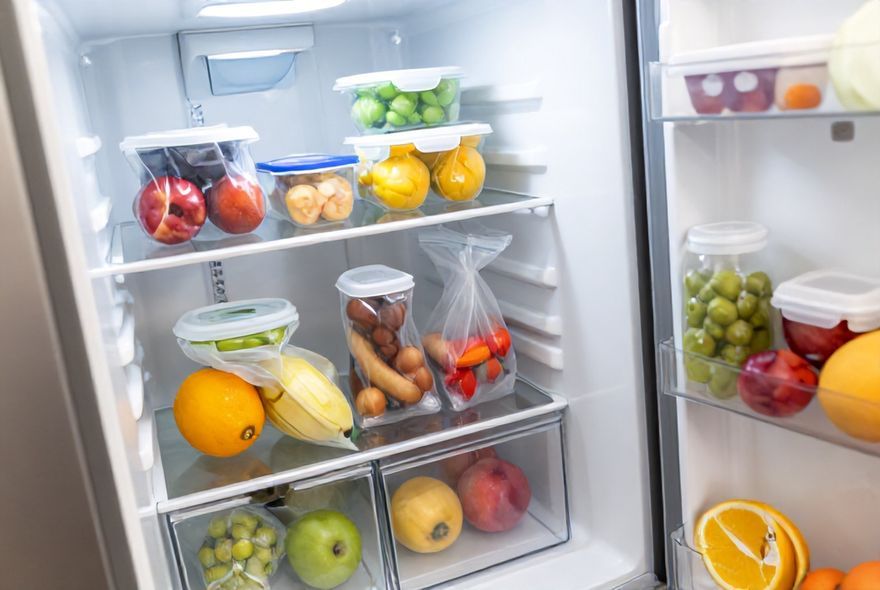
- Use Produce Bags Strategically: Perforated produce bags can help contain ethylene gas around high-producing fruits while still allowing some air circulation. This barrier method is one of the most effective storage hacks for keeping different fruit categories separate without taking up extra fridge space.
- Open Your Crisper Drawers Slightly: If your fridge has separate drawers, using one exclusively for ethylene producers and another for sensitive fruits is genius. Even better? Open the drawers slightly to allow ethylene to escape naturally, reducing its concentration.
- Check Your Fridge’s Air Flow: Some refrigerators are designed with better air circulation than others. Knowing how air moves in your fridge helps you position high ethylene-producing fruits away from the air stream that might carry gas toward your berries.
Temperature Control: The Secret Weapon Against Fruit Spoilage
You know that moment when you put bananas in the fridge and they turn black within 24 hours? That’s because bananas are tropical fruits that genuinely despise cold temperatures. Meanwhile, your berries are sitting on the counter slowly turning to mush because they prefer cooler conditions. Temperature control isn’t just about keeping things cold—it’s about finding the sweet spot for each fruit type. This is where pro-level storage hacks really shine and where most people are unknowingly sabotaging their fruit’s longevity.
- Counter Storage for Tropical and Warm-Climate Fruits: Bananas, avocados, mangoes, and pineapples should live on your counter until they’re ripe, then move to the fridge only if you want to slow ripening further. Keeping these fruits at room temperature (around 68-72°F) maintains their texture and flavor while making fruit last significantly longer compared to refrigerating them prematurely.
- The Fridge is Best for Berries and Delicate Fruits: Strawberries, blueberries, raspberries, and blackberries are happiest in your crisper drawer at temperatures between 32-40°F. This cold environment dramatically slows mold growth and decay, extending shelf life from days to weeks when combined with other preservation tricks.
- Apples Love the Cold (Seriously, Like Really Cold): Apples can last weeks or even months when stored at temperatures around 32°F, which is why they stay crisp in the fridge’s coldest section. If you’re serious about making fruit last longer, dedicate a shelf to your apples and keep it consistently cold.
- Stone Fruits Need a Gradual Temperature Transition: Peaches, plums, and nectarines ripen best at room temperature, but once ripe, they last longer in the fridge. Move them to cold storage only after they’ve reached your desired ripeness level—this hybrid approach is one of the best storage hacks for preventing mealy texture.
- Monitor Your Fridge Temperature Regularly: Most people set their fridge to 40°F and forget about it, but fluctuations happen. Keeping a simple thermometer in your fridge ensures you’re maintaining the ideal temperature for fruit storage, which directly impacts how long your produce stays fresh.
Freezing Techniques That Actually Preserve Fruit Quality
Freezing is like hitting the pause button on fruit spoilage—it’s one of the most underrated preservation tricks in the home cook’s arsenal. But here’s the thing: you can’t just throw fruit in the freezer and expect magic. The method matters enormously. Whether you’re dealing with berries, stone fruits, or tropical varieties, knowing the right freezing techniques means you can extend fruit’s life by months while maintaining decent quality. It’s a game-changer for reducing waste and saving money on produce.
- Flash Freezing Prevents Clumping and Preserves Texture: Spread berries, grapes, or banana slices on a baking sheet in a single layer and freeze for 2-3 hours before transferring to freezer bags. This flash-freezing technique prevents fruit from clumping together into one solid block, making it way easier to use portions later. It’s a simple hack that makes all the difference between usable frozen fruit and a frustrating frozen brick.
- Syrup-Pack Method Works Wonders for Delicate Fruits: For berries and stone fruits prone to freezer burn, create a light syrup (equal parts sugar and water, cooled), pack fruit in it, and freeze. This preservation trick maintains better color, flavor, and texture compared to dry freezing, though it does add sugar content. It’s ideal if you’re planning to use the fruit in smoothies or baking.
- Proper Packaging Prevents Freezer Burn: Use airtight freezer bags, remove excess air, or use vacuum-sealed containers. Freezer burn occurs when fruit is exposed to air and loses moisture, turning mushy and unappetizing. Good packaging is honestly the difference between fruit you’ll actually want to eat and fruit you’ll toss out.
- Blanch and Freeze for Longer Storage: For fruits like peaches or plums, quick blanching (dipping in boiling water for 30-60 seconds) followed by an ice bath helps preserve color and slow enzyme activity. This method extends freezer life significantly and is one of the best preservation tricks for maintaining quality over months.
- Label Everything with Dates: Frozen fruit typically lasts 8-12 months, but quality degrades over time. Using freezer-safe labels with dates ensures you’re using older fruit first and prevents mystery packages lurking in your freezer for two years.
Smart Preparation and Washing Strategies for Maximum Freshness
Here’s something counterintuitive that catches most people off guard: washing fruit right when you get home from the store isn’t always the best move. I know, I know—we’re taught to wash produce immediately, but when it comes to making fruit last longer without spoiling, timing is everything. The moisture from washing can introduce mold and bacteria, especially for delicate berries. Yet completely skipping washing isn’t the answer either. The real trick is strategic preparation that balances cleanliness with longevity.
- Wash Only What You’re Eating Soon: Save the washing for just before you eat the fruit. For berries specifically, this is crucial—unwashed berries last significantly longer because they maintain their natural protective bloom. Wash just the portion you’re about to consume, and leave the rest untouched until you’re ready to eat it.
- Use a Vinegar Solution for Deep Cleaning: When you do wash fruit, a simple solution of one part white vinegar to three parts water kills bacteria and mold spores better than water alone. This preservation trick takes 30 seconds and dramatically extends freshness, especially for berries that are prone to mold growth.
- Pat Dry Thoroughly After Washing: Any residual moisture left on fruit accelerates spoiling. Use paper towels or a clean kitchen towel to dry fruit completely before storage. This small step is surprisingly effective at preventing premature decay, particularly for grapes and berries.
- Remove Damaged Pieces Immediately: One moldy berry or bruised apple can compromise an entire batch through ethylene production and mold spores. Check your fruit when you get home and remove anything that looks questionable. This simple habit prevents cascading spoilage that can ruin multiple pieces of fruit.
- Cut Fruit Right Before Consumption: Once you cut into fruit, you expose interior surfaces to air and bacteria. Pre-cutting fruit might seem convenient, but it dramatically reduces shelf life. Keep fruit whole until you’re ready to eat it—this is one of the most effective storage hacks for maintaining freshness.
Crisper Drawer Optimization: Creating the Perfect Microclimate
Your fridge’s crisper drawer isn’t just a random compartment—it’s actually a humidity-controlled zone designed specifically for produce. Yet most people just toss fruit in there without understanding how to optimize it. The crisper drawer can be your secret weapon for making fruit last longer without spoiling, but only if you’re using it correctly. We’re talking about adjusting humidity settings, understanding drawer placement, and creating microenvironments that keep fruit fresher for weeks instead of days.
- Humidity Settings Actually Matter (Use Them!): Most crisper drawers have humidity controls—high humidity for vegetables and low humidity for fruits. Switch your fruit drawer to low humidity (around 50%) to reduce moisture buildup that causes mold and decay. This simple adjustment is a game-changing storage hack that many people completely ignore.
- Line Your Drawer with Paper Towels: Paper towels absorb excess moisture that accumulates in the crisper, preventing the damp environment where mold thrives. Replace the paper towels weekly, and you’ll notice your fruit stays fresher significantly longer. It’s ridiculously simple but remarkably effective.
- Use the Lower Drawer for High Ethylene Producers: If your fridge has two crisper drawers, designate the lower one for apples, avocados, and bananas. Since ethylene is slightly heavier than air, it tends to sink, so keeping sensitive fruits in the upper drawer creates natural separation without extra effort.
- Don’t Overcrowd Your Crisper: Fruits packed tightly together trap moisture and prevent air circulation, creating a perfect environment for mold and rot. Leave space between pieces so air can circulate freely. This simple spacing hack extends shelf life by allowing ethylene to disperse rather than concentrate.
- Store Fruit in Perforated Containers When Possible: Clear perforated produce containers allow you to see what’s inside while maintaining airflow. This visibility means you’re more likely to use fruit before it spoils, and the perforations prevent moisture buildup compared to solid containers.
Preservation Tricks for Specific Fruit Categories
Different fruits are basically different creatures with completely different needs, which is why a one-size-fits-all storage approach doesn’t work. You can’t treat berries the same way you treat citrus, and tropical fruits have entirely different requirements than stone fruits. This section dives deep into category-specific preservation tricks that actually work. Once you understand what each fruit category needs, you’ll be amazed at how dramatically you can extend shelf life across all your favorite varieties.
- Berries: The Mold Fighters: Berries are prone to mold because of their delicate skin and high surface area. Don’t wash them before storage, keep them in a single layer (not piled high), and consider storing them in a container lined with paper towels that you change every few days. This combination of hacks keeps berries fresh 1-2 weeks instead of 3-4 days. Some people swear by storing berries in a breathable container with vinegar-soaked paper towels for mold prevention.
- Citrus: The Long-Lasting Champions: Oranges, lemons, limes, and grapefruits are genuinely some of the longest-lasting fruits you can buy. Store them in the crisper drawer at cool temperatures, and they’ll last 3-4 weeks easily. They’re ethylene-sensitive but not ethylene producers, so they pair well with most other fruits. The key hack here is keeping them away from apples and bananas specifically.
- Stone Fruits: The Ripeness Balancers: Peaches, plums, nectarines, and apricots need room-temperature ripening, then cold storage once ripe. Wrap individual fruits in paper towels before refrigerating to absorb excess moisture and prevent bruising. This simple hack transforms stone fruits from mealy and disappointing to juicy and delicious when you finally eat them.
- Tropical Fruits: Counter Warriors: Mangoes, pineapples, papayas, and coconuts are tropical and actually suffer in the fridge (except when already ripe). Keep them on your counter at room temperature until ripe, then move to the fridge only if you want to slow further ripening. The trick here is patience—letting these fruits ripen naturally at room temperature gives you better flavor and texture compared to cold-storing them.
- Apples: The Fridge Royalty: Apples are champions at fridge storage and can last weeks or months when kept consistently cold (around 32-40°F). Store them in the crisper on low humidity, and keep them away from high ethylene producers if you’re concerned about other nearby fruits. They’re actually one of the easiest fruits to store long-term once you understand that cold is their friend.
Budget-Friendly and Eco-Conscious Preservation Methods
Reducing waste isn’t just good for the planet—it’s genuinely good for your wallet. When you make fruit last longer without spoiling, you’re literally putting money back in your pocket while reducing the environmental impact of food waste. The preservation tricks in this section are budget-friendly, often using items you already have at home, and they align perfectly with reducing waste. It’s a win-win situation that feels good and saves you real money over time.
- Repurpose Produce Bags and Containers: Save mesh bags from onions, paper bags from bakeries, and containers from berries. These can be repurposed for storage, creating better airflow than plastic bags while keeping costs at zero. Reusing these materials reduces waste and eliminates the need to buy special produce storage containers.
- Make Your Own Produce Wash: That fancy produce cleaner? You don’t need it. A simple solution of water, vinegar, and a tiny drop of dish soap works just as well at a fraction of the cost. This DIY approach saves money while reducing packaging waste—it’s one of the easiest eco-conscious hacks that actually delivers results.
- Compost What You Can’t Save: Sometimes fruit does spoil despite your best efforts. Rather than tossing it in the trash, start composting if you have space. Even apartment dwellers can use small countertop composters. This closes the loop and turns waste into something useful for your garden or community.
- Buy Imperfect Fruit at Discounts: Many stores sell “imperfect” fruit at reduced prices. These fruits work perfectly for storage experiments and preservation tricks since you’re already planning to extend their life. You’ll save money while testing which techniques work best for your household.
- Share Surplus Before It Spoils: When you successfully extend fruit’s life with these hacks, you might end up with more than you can eat. Share the bounty with neighbors, friends, or local food banks before it has a chance to spoil. This generosity reduces waste and builds community while ensuring fruit doesn’t go to waste.
Troubleshooting Common Fruit Storage Problems
Even with the best intentions and knowledge, things sometimes go wrong. Your carefully stored berries still develop mold, or your bananas ripen way too fast. These situations are frustrating, but they’re usually fixable once you understand what went wrong. This section tackles the most common fruit storage problems and offers practical solutions. Think of it as your troubleshooting guide for when your storage hacks aren’t delivering the results you expected.
- Problem: Berries Molding Quickly Despite Your Efforts: Solution: Mold loves moisture, so ensure your crisper is on low humidity and that you’re removing the paper towels that absorb moisture regularly (they can become damp and trap humidity). Also verify you’re not washing berries before storage. If mold persists, your fridge might have too much moisture overall—leave the crisper drawer slightly ajar to improve airflow, or consider upgrading to better-sealed containers that still allow some air circulation.
- Problem: Bananas Ripening Way Too Fast: Solution: Separate bananas from the bunch and wrap the stem in plastic wrap—this slows ethylene release significantly. Store them away from other ethylene producers, and if they’re ripening too quickly even on the counter, move them to the fridge once they reach your preferred ripeness level. The cold won’t stop ripening entirely, but it dramatically slows the process.
- Problem: Citrus Developing Soft Spots or Mold: Solution: Citrus usually lasts forever, so soft spots often indicate contact with a high ethylene producer like apples. Ensure they’re truly separated. Also check that your crisper isn’t too humid—citrus prefers lower humidity than vegetables. If spots appear, they’re usually still fine to eat; just cut away the affected area.
- Problem: Avocados Never Ripening or Ripening All at Once: Solution: Avocados need room temperature to ripen properly. Keep them on your counter, not in the fridge, during the ripening process. Once they feel slightly soft when gently squeezed, move them to the fridge to slow further ripening. If you have a bunch ripening simultaneously, this is actually a good problem—pop extras in the fridge to stagger your eating schedule.
- Problem: Frozen Fruit Coming Out Mushy and Unappetizing: Solution: You’re likely not flash-freezing properly or your packaging isn’t protecting against freezer burn. Try the flash-freeze method on a baking sheet before bagging, and invest in quality freezer bags or containers. Also, don’t thaw frozen fruit at room temperature—thaw it in the fridge overnight or use it directly in smoothies and baking where texture matters less.
Putting It All Together: Your Personal Fruit Storage Action Plan
Reading all these storage hacks and preservation tricks is great, but implementing them is where the real magic happens. You don’t need to do everything at once—start small, test what works for your household, and gradually build a system that keeps your fruit fresher longer. The goal is creating habits that reduce waste, save money, and eliminate that guilt of throwing away perfectly good fruit. Here’s how to actually make this work in your real life, not just in theory.
- Start with Your Problem Fruits: Identify which fruits spoil fastest in your household. Is it berries? Bananas? Stone fruits? Pick one category and focus your efforts there for a week or two. Once you master storage for one fruit type, moving to the next is easier because you understand the underlying principles.
- Audit Your Fridge Setup: Spend 15 minutes understanding your refrigerator’s layout. Where are your crisper drawers? Can you adjust humidity? How is air circulating? This knowledge lets you make informed decisions about which fruits go where. You might realize your current setup is actually working against you—fixing it is often as simple as rearranging what’s where.
- Create a Fruit Storage Cheat Sheet: Write down the ideal storage conditions for your favorite fruits and stick it on your fridge. Include counter vs. crisper, humidity settings, separation requirements, and expected shelf life. This removes guesswork and ensures consistency—you won’t accidentally store apples and berries together again if it’s written right there.
- Establish a Weekly Fruit Check Routine: Set a recurring reminder to check your fruit weekly. Remove anything that’s starting to go bad, rearrange as needed, and plan your meals around fruits that are approaching their peak. This five-minute habit prevents cascading spoilage and ensures you’re eating fruit at peak freshness.
- Experiment and Adjust: Everyone’s kitchen, fridge, and preferences are different. What works perfectly for one person might not be ideal for you. Try different methods, track what works, and refine your approach. After a few weeks, you’ll develop an intuitive understanding of what keeps your fruit fresher longest, and these storage hacks will become second nature.
For more detailed information on extending produce life and reducing kitchen waste, check out our comprehensive guide on fruit storage and preservation techniques. This resource covers advanced methods and seasonal considerations for maximizing your fruit’s freshness year-round.
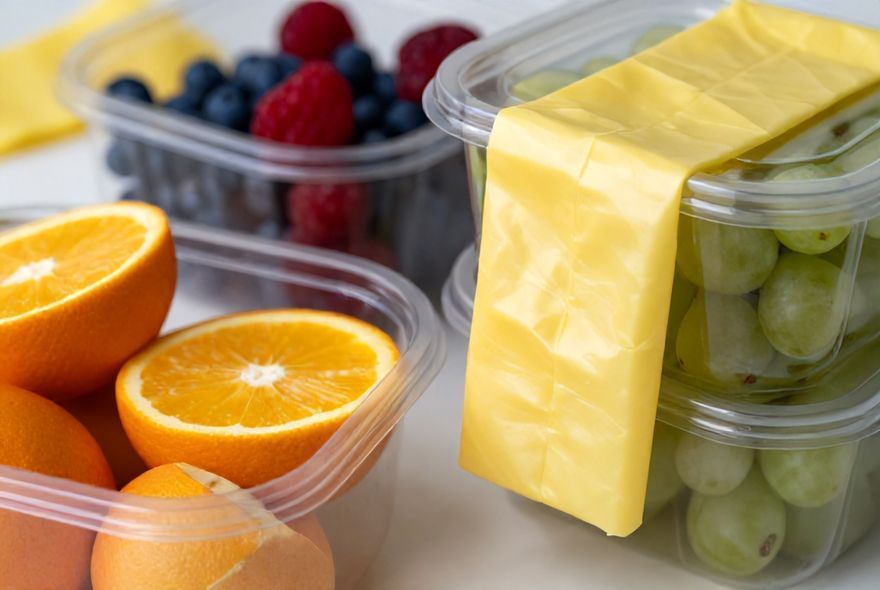
Embracing these fruit-saving hacks not only cuts down on your kitchen waste, but also keeps those grocery bills from rising faster than dough on a summer’s day. By mastering a few simple storage tips, like keeping apples away from bananas and understanding the magic of citrus fruits as natural preservers, you’re already ahead of the game. Add freezing techniques into the mix, and you’ll find your fruit is living its best life—without you racing to make smoothies from half-mushy berries. These storage and preservation tricks work across all fruit categories, making them a must-have in any savvy saver’s arsenal. With these strategies, you’re not just reducing waste and saving money; you’re setting the stage for nutrient-rich, spoil-free snacking.
Feeling inspired to revolutionize how you handle fruit at home? Well, grab your aprons and get ready to join the less-waste movement! Pop over to Facebook, Instagram, or Twitter and connect with our fruit-loving community. Share your own hacks, swap ideas, or just enjoy some fruity banter. Isn’t it about time your fruit got the VIP treatment it deserves? Let’s save some fruit and some dollars together!





Leave a Reply