
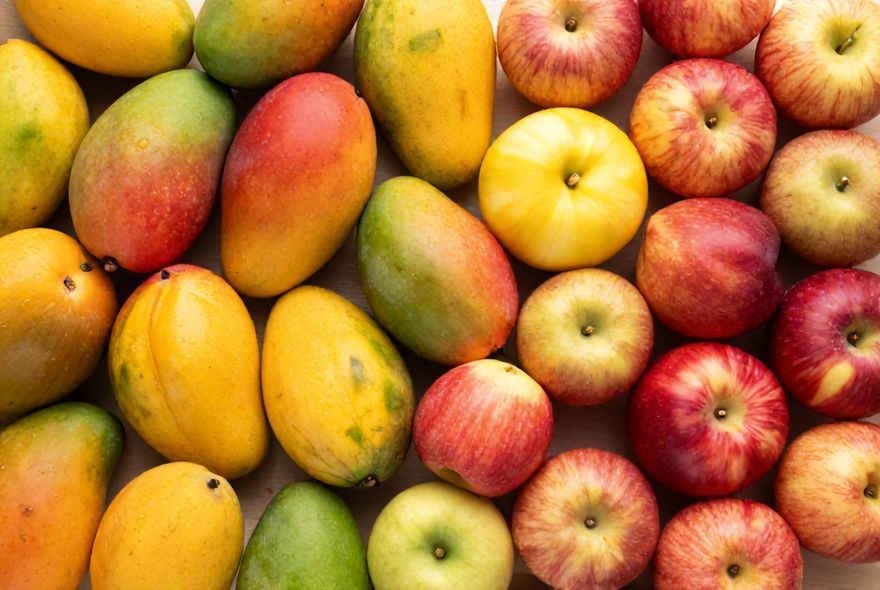
Ever wondered why a mango’s golden hue hits differently than your trusty apple? In ‘Here’s How Tropical Fruits Differ From Temperate Varieties,’ we dive into the juicy details: climate differences, quirky growing seasons, and care needs that make these fruits unique. Whether you’re an armchair botanist or a grocery aisle explorer, knowing why your mango has a shorter lifespan than an apple could change your shopping habits. Trust me, after this deep dive, you’ll never look at a fruit bowl the same way again! Let’s get to the roots of it!
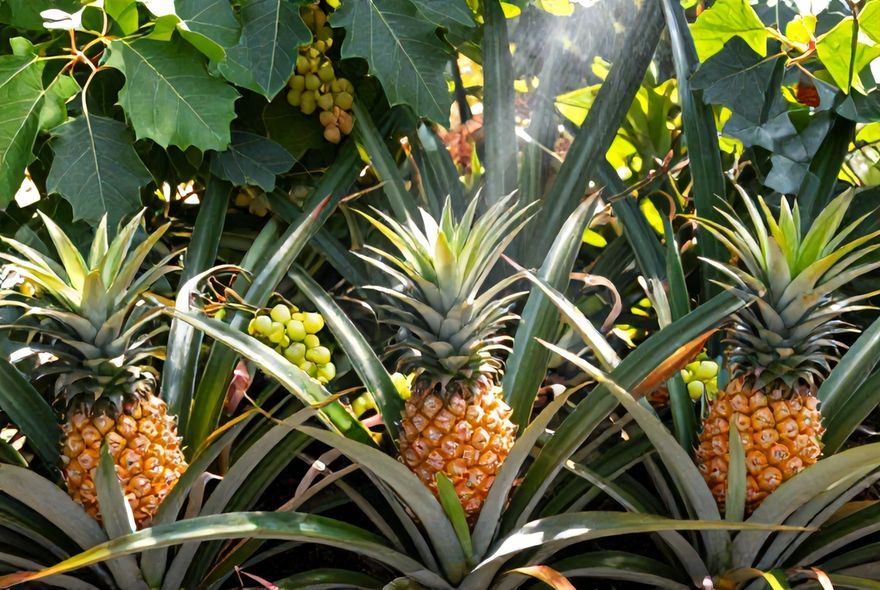
Key Takeaways
- Tropical fruits like mango need warmer climates than apples.
- Apples and mangoes have distinct growing seasons—timing is everything!
- Care requirements differ: apples don’t need a tan, mangoes love the sun.
- Understanding these differences helps make supermarket choices less puzzling.
- Shopping tropical? Watch out for the juicy flavor and nutrients letting apples play catch-up.
- Climate dictates farm choices—a mango can’t take the chill, unlike a dependable apple.
The Climate Story: Why Tropical and Temperate Fruits Are Worlds Apart
You know that moment when you’re standing in the produce aisle, staring at a mango and an apple, wondering why they taste so different? Well, it all comes down to where they grow. Tropical fruits and temperate varieties thrive in completely different climates, and honestly, that’s the root of everything that makes them unique. Tropical fruits like mangoes, pineapples, and bananas need heat, humidity, and consistent warmth year-round. Temperate fruits—think apples, pears, and cherries—actually need those cold winter months to do their thing. It’s not just about preference; it’s about biology. Understanding these climate differences isn’t just trivia for fruit nerds (though we respect that energy); it genuinely matters when you’re choosing what to buy, how to store it, and when to eat it.
- Temperature Requirements: Tropical fruits thrive in temperatures between 70-90°F (21-32°C) consistently throughout the year, while temperate fruits need seasonal temperature fluctuations, with winter dormancy periods essential for proper fruiting cycles.
- Humidity Levels: Tropical regions offer high humidity (60-80%), which tropical fruits depend on for development, whereas temperate fruits prefer moderate humidity and can handle drier conditions during growth.
- Sunlight Exposure: Both types need sunlight, but tropical fruits benefit from intense, year-round UV exposure, while temperate fruits actually need the shorter daylight hours of winter to trigger flowering and fruiting.
- Rainfall Patterns: Tropical fruits evolved with abundant rainfall distributed throughout the year, while temperate fruits adapted to seasonal rainfall with dry periods, influencing their water storage and ripening mechanisms.
- Geographic Distribution: Tropical fruits originated in equatorial and subtropical regions (think Southeast Asia, Central America, and Africa), while temperate varieties come from regions between 30-60 degrees latitude, including Europe, North America, and parts of Asia.
Growing Seasons: The Timeline That Changes Everything
Here’s where things get interesting—and honestly, a bit mind-blowing if you think about it. Tropical fruits don’t really have “seasons” in the way we’re used to thinking about them. A mango tree can produce fruit multiple times a year in some climates, and pineapples? They’re basically ready whenever they feel like it, depending on the specific variety and location. Temperate fruits, on the other hand, follow a strict annual calendar. Apples bloom in spring, develop through summer, and ripen in fall. It’s like nature’s version of a scheduled appointment. This difference affects everything—when you’ll find these fruits at peak ripeness, their nutritional content, and honestly, how fresh they’ll be when they hit your kitchen table. If you’re trying to eat seasonally or maximize freshness, understanding these growing timelines is actually super helpful for making smarter shopping choices.
- Tropical Fruit Cycles: Many tropical fruits have multiple flowering and fruiting cycles per year, with some varieties like mangoes producing fruit 2-3 times annually in ideal conditions, while others like coconuts have a more extended single cycle lasting months.
- Temperate Fruit Schedules: These fruits follow a predictable annual cycle: dormancy in winter (December-February in Northern Hemisphere), blooming in spring (March-May), fruit development in summer (June-August), and harvest in fall (September-November).
- Peak Season Availability: Tropical fruits are often available year-round from various regions globally, but quality and price fluctuate; temperate fruits have distinct peak seasons when they’re most abundant, affordable, and flavorful locally.
- Ripening Speed: Tropical fruits often ripen faster—sometimes within days—due to consistent warmth, while temperate fruits develop more slowly over weeks or months, allowing for more complex flavor development and higher sugar accumulation.
- Storage Longevity: The extended growing season of temperate fruits often means they develop thicker skins and store longer naturally; tropical fruits evolved for quicker consumption in warm climates where spoilage happens faster.
Nutritional Differences: More Than Just Taste
Okay, so we’re all about that nutritional content—or at least, we should be. The thing is, tropical and temperate fruits don’t just taste different; they pack different nutritional punches, and it’s genuinely fascinating. A mango is loaded with vitamin A and tropical enzymes like amylase that aid digestion, while an apple brings the fiber game strong with its quercetin content. These differences aren’t random—they’re adaptations to their growing environments. Tropical fruits often have higher sugar content and more exotic compounds because they evolved in consistently warm environments where energy-dense fruits helped animals disperse seeds. Temperate fruits developed different protective compounds and different nutrient profiles because they needed to survive colder climates and longer storage periods. When you understand these nutritional differences, you’re not just picking fruit; you’re making informed choices about what your body actually needs.
- Vitamin and Mineral Profiles: Tropical fruits like mangoes and papayas are vitamin A powerhouses, while temperate fruits such as apples and pears excel in vitamin C and minerals like potassium; the difference reflects their evolutionary adaptation to respective climates.
- Sugar Content and Sweetness: Tropical fruits generally contain higher natural sugar levels (mangoes: 12-16% sugar, bananas: 12-15%) compared to many temperate fruits (apples: 10-13%, pears: 9-11%), contributing to their intense sweetness and quicker energy availability.
- Fiber Composition: Temperate fruits like apples and pears contain soluble fiber (pectin) that supports digestive health, while tropical fruits like bananas offer resistant starch; both benefit digestion but in different ways.
- Antioxidants and Phytonutrients: Tropical fruits contain unique compounds like mangiferin in mangoes and bromelain in pineapples with anti-inflammatory properties, while temperate fruits offer quercetin and resveratrol found in apples and grapes.
- Water Content: Tropical fruits typically have higher water content (mango: 82%, pineapple: 86%) supporting hydration in hot climates, whereas temperate fruits vary more widely (apple: 86%, pear: 84%), affecting their texture and shelf life.
Care Requirements and Storage: Keeping Them Fresh Your Way
You’ve probably noticed that tropical fruits and temperate fruits behave differently once you bring them home, right? That’s because their care requirements are basically opposites. Tropical fruits are sensitive to cold—seriously, putting a mango in the fridge below 50°F can literally damage it and mess with the ripening process. They want warmth and humidity, preferring your kitchen counter over the cold storage. Temperate fruits, though? They’re basically asking for the fridge. Apples store for months in cold conditions because that’s what their biology expects. Understanding these storage needs isn’t just about keeping fruit fresh longer; it’s about actually enjoying it at its peak. Store a mango wrong, and you get weird texture issues and off flavors. Store an apple wrong, and it gets mealy. So yeah, these care requirements actually matter for your shopping and eating experience.
- Temperature Sensitivity: Tropical fruits like mangoes, bananas, and papayas suffer from chilling injury below 50°F, losing flavor and developing brown spots, while temperate fruits require 32-45°F for optimal storage, thriving in cold conditions that would harm tropical varieties.
- Humidity Preferences: Tropical fruits need moderate to high humidity (50-70%) to prevent excessive moisture loss and maintain skin texture, while temperate fruits prefer lower humidity (60-65%) to prevent mold and fungal issues during storage.
- Ripening Management: Tropical fruits like avocados and mangoes continue ripening at room temperature even after harvest, requiring strategic placement away from ethylene-sensitive produce; temperate fruits like apples stop ripening once harvested and are best stored promptly.
- Shelf Life Duration: Tropical fruits typically last 3-7 days at room temperature before spoiling, while temperate fruits can last weeks to months in proper cold storage (apples: up to 6 months, pears: 2-3 months).
- Handling and Bruising: Tropical fruits have thinner skins more prone to bruising and damage during transport, requiring careful handling and often arriving pre-ripened; temperate fruits have thicker, more resilient skins protecting them through longer supply chains.
Flavor Profiles: Why a Mango Isn’t Just a Sweeter Apple
Here’s something that might seem obvious but is actually pretty deep—tropical and temperate fruits taste fundamentally different, and it’s not just because one is sweeter. A mango has this complex, almost floral sweetness with subtle spice notes that you don’t get in an apple. That’s because tropical fruits developed in environments where they needed to attract specific animals for seed dispersal, so their flavor profiles evolved to be intense and distinctive. Temperate fruits developed different flavor strategies—apples have that crisp tartness combined with sweetness, a balance that came from their cooler growing environment. Understanding these flavor differences helps you appreciate each fruit for what it actually is rather than expecting one to taste like the other. It also helps you pair them better in recipes and choose fruits that match what you’re actually craving.
- Sweetness Intensity: Tropical fruits develop higher sugar concentrations and more intense sweetness, with mangoes offering 12-16% sugar and complex sugars like fructose that provide immediate energy; temperate fruits balance sweetness with tartness, creating more nuanced flavor profiles.
- Aromatic Compounds: Tropical fruits like pineapples contain volatile compounds including esters and aldehydes creating tropical, almost floral notes; temperate fruits like apples contain different volatile compounds producing crisp, sometimes subtle aromatic experiences.
- Acidity Levels: Temperate fruits typically have higher acidity (apples: 0.2-0.8% malic acid, pears: 0.1-0.4%), creating that characteristic tartness; tropical fruits have lower acidity, allowing their sweetness to shine without sharp notes.
- Texture and Mouthfeel: Tropical fruits often have softer, creamier textures (mango, avocado) due to higher water and fat content; temperate fruits offer crispness (apples) or firmness (pears) from their cellular structure and lower water content.
- Enzyme Activity: Tropical fruits contain unique enzymes like bromelain in pineapple and papain in papaya that create tingling sensations and aid protein digestion; temperate fruits lack these exotic enzymatic properties but offer different digestive benefits.
Transportation and Availability: Why You See What You See
Ever wonder why bananas are available year-round but local apples disappear for months? That’s all about how these fruits travel and where they’re grown. Tropical fruits come from regions all around the equator—if one region isn’t producing, another one usually is, so you get consistent supply. Plus, many tropical fruits are grown specifically for export, with massive infrastructure built around getting them to distant markets. Temperate fruits, though? They’re often regional. You get peak availability when local orchards harvest, and the rest of the year, you’re either getting imported fruit or stored fruit. This has huge implications for your shopping choices—tropical fruits might seem “exotic” but are often more consistently available, while temperate fruits might be fresher during peak season but harder to find off-season. Understanding these supply chains actually helps you make choices that align with your values, whether that’s eating locally or prioritizing freshness.
- Global Production Regions: Tropical fruits are grown across equatorial and subtropical zones (Southeast Asia, Central America, Africa, parts of South America), with staggered harvest times allowing year-round global availability; temperate fruits concentrate in specific regions with synchronized seasonal harvests.
- Transportation Methods: Tropical fruits are often harvested slightly under-ripe and ripened during transport or in distribution centers to survive long journeys; temperate fruits are typically harvested closer to peak ripeness and shipped in temperature-controlled conditions.
- Storage Facilities: Commercial temperate fruit production relies heavily on cold storage technology allowing months-long availability from single harvest periods; tropical fruit distribution emphasizes rapid turnover and fresh supply from continuous production cycles.
- Seasonal Pricing Fluctuations: Tropical fruits maintain relatively stable prices year-round due to consistent supply; temperate fruits experience dramatic price swings, with peak season offering affordability and off-season commanding premium prices.
- Local vs. Imported Availability: In temperate regions, local apples and pears dominate during harvest season (fall) while tropical fruits are imported year-round; in tropical regions, the opposite is true, with local mangoes and bananas abundant and temperate fruits being imported and expensive.
Health Implications and Shopping Strategies: Making Smarter Choices
Okay, so here’s the thing—understanding tropical versus temperate fruits isn’t just academic knowledge that makes you sound smart at dinner parties (though it does that too). It actually changes how you shop and what you eat in meaningful ways. If you’re trying to eat seasonally and support local agriculture, knowing that apples are your temperate option during fall and winter makes sense. If you want consistent, year-round tropical nutrients and don’t have access to fresh local produce, understanding that imported mangoes and bananas are reliable choices helps you plan better. And if you’re managing specific health conditions—say, you need more digestive enzymes or specific antioxidants—knowing what each fruit type offers helps you make targeted choices. The bottom line is that tropical and temperate fruits aren’t interchangeable; they’re different tools for different nutritional and culinary purposes. Being aware of these differences makes you a more intentional, healthier eater.
- Seasonal Eating Strategy: In temperate climates, prioritize local apples, pears, and berries during fall/winter months for maximum freshness and minimal transportation; supplement with imported tropical fruits year-round for nutritional variety, or focus on frozen temperate fruits during off-season.
- Nutritional Targeting: Choose tropical fruits when seeking vitamin A, digestive enzymes, and quick energy; select temperate fruits for fiber, sustained energy, and antioxidants like quercetin; ideally consume both for comprehensive nutritional benefits.
- Budget Optimization: Buy temperate fruits in bulk during peak season and freeze or store for off-season use; purchase tropical fruits year-round when prices are stable rather than seeking them seasonally, as they’re often cheaper than out-of-season temperate varieties.
- Freshness Indicators: Tropical fruits develop ripeness quickly once purchased; buy them slightly under-ripe and consume within days; temperate fruits maintain quality longer, so buying them in bulk and storing properly extends value.
- Sustainability Considerations: Eating seasonal temperate fruits reduces transportation emissions; however, purchasing imported tropical fruits directly supports farmers in developing nations; consider your priorities and choose consciously rather than assuming local is always better.
Practical Tips for Your Produce Aisle: From Selection to Table
Alright, let’s get practical because understanding the theory is great, but applying it in real life is where the magic happens. When you’re standing in that produce aisle, these differences between tropical and temperate fruits should actually inform your decisions. You know how to pick a good apple—it’s firm, it’s shiny, maybe you’ve been doing it forever. But a mango? That requires different skills. You need to understand ripeness cues that are totally different from what you look for in apples. And storage—we talked about this—it’s not one-size-fits-all. Your kitchen counter is a mango’s friend but an apple’s enemy. These practical tips bridge the gap between understanding the science and actually eating better fruit. It’s the difference between knowing something intellectually and living it out in your daily routine.
- Selection Tips for Tropical Fruits: Choose mangoes that yield slightly to gentle pressure and have a sweet aroma near the stem; select bananas based on intended use (green for later, yellow for immediate, brown for baking); look for pineapples with firm bodies and fragrant bases; remember that tropical fruits continue ripening after purchase.
- Selection Tips for Temperate Fruits: Pick apples that are firm with no soft spots, as they don’t ripen further after harvest; choose pears that are slightly firm with a fragrant base; look for bright color and firm texture as ripeness indicators; understand that firmness indicates freshness and longevity.
- Storage Setup in Your Kitchen: Keep tropical fruits on the counter in a paper bag to speed ripening or uncovered for slower ripening; refrigerate temperate fruits immediately upon arriving home; never mix tropical and temperate fruits in the same container as they release different ripening gases.
- Ripeness Recognition: Tropical fruits become softer and more fragrant as they ripen; temperate fruits show color changes and slight yielding; learn to recognize the specific cues for each fruit type rather than applying universal ripeness rules.
- Consumption Timing: Eat tropical fruits within days of achieving ripeness due to their quick spoilage; space out consumption of temperate fruits over weeks or months thanks to their extended shelf life; plan purchases based on this timeline to minimize waste.
Understanding Labels and Origin: What Information Actually Matters
You’ve probably noticed those little stickers on fruit with country codes and labels, right? For the longest time, I just peeled them off without thinking, but understanding what they tell you actually matters more than you’d think. That label telling you where your apple or mango came from isn’t just trivia—it’s information that connects directly to everything we’ve been discussing. A mango from India or Mexico arrived by specific supply chains optimized for tropical fruit transport. An apple from Washington or New Zealand traveled different routes and was handled differently. These origins aren’t arbitrary; they reflect the growing conditions, harvest timing, and storage methods we’ve covered. Understanding this connection between origin labels and the science of fruit differences helps you make choices that align with your actual preferences—whether you want peak-season local fruit or consistent year-round tropical imports. It’s the missing link between fruit science and your shopping cart.
- Country of Origin Codes: Labels showing country codes (4-5 digit PLU codes starting with 9 for organic, 8 for conventional) indicate where fruit was grown and harvested; tropical fruit codes often show Central American, South American, or Asian origins while temperate codes typically show North American, European, or Southern Hemisphere origins.
- Ripeness at Origin: Tropical fruits are harvested under-ripe and ripened during transport or distribution, so origin information helps you understand current ripeness stage; temperate fruits are often harvested riper, so origin tells you storage duration and potential remaining shelf life.
- Seasonal Meaning by Region: Temperate fruit origins make season obvious—Washington apples in November are peak season, Chilean apples in June are opposite season; tropical fruit origins reveal staggered production with year-round availability from various regions simultaneously.
- Supply Chain Transparency: Learning fruit origins helps you understand transportation distance, storage methods, and handling duration; this information connects to freshness, environmental impact, and nutritional content at purchase time.
- Supporting Agricultural Systems: Origin labels allow you to make conscious choices supporting specific agricultural regions, whether that’s local farmers during peak season, fair-trade tropical producers, or specific countries you want to support economically.
The Bottom Line: Why These Differences Matter for You
So we’ve covered a lot of ground here—climate requirements, growing seasons, nutritional profiles, storage needs, flavor differences, transportation logistics, and practical shopping tips. But why does all this actually matter for you? Well, it matters because understanding how tropical and temperate fruits differ fundamentally changes how you interact with produce. You stop buying fruit randomly and start making intentional choices based on what you actually need. You know why your mango tastes weird when you refrigerate it immediately (because you shouldn’t), and why your apple lasts three weeks on the counter while your banana lasts three days. You understand that tropical fruits aren’t just “fancy” versions of temperate fruits—they’re completely different organisms with different needs and different gifts to offer your body and your kitchen. And honestly? That knowledge makes you a better eater, a savvier shopper, and someone who actually gets what they’re buying. The differences between a mango and an apple aren’t just botanical trivia; they’re the foundation of smarter, more intentional food choices. Whether you’re prioritizing freshness, nutrition, budget, or sustainability, these differences guide you toward the right choices for your specific situation. That’s powerful stuff, and it all starts with understanding that tropical and temperate fruits really are worlds apart.
- Empowered Shopping Decisions: Armed with knowledge about climate needs, growing seasons, and care requirements, you can shop with purpose rather than habit, selecting fruits that actually align with your nutritional goals, budget constraints, and time availability.
- Reduced Food Waste: Understanding proper storage, ripeness indicators, and consumption timelines for tropical versus temperate fruits means fewer fruits spoiling in your kitchen and more food actually making it to your plate.
- Nutritional Optimization: Knowing what each fruit type offers nutritionally helps you build balanced diets incorporating tropical fruits for certain nutrients and temperate fruits for others, rather than treating all fruit as interchangeable.
- Culinary Creativity: Understanding flavor profiles, texture differences, and ripeness variations opens new cooking and eating possibilities, helping you use each fruit type in ways that maximize its unique qualities.
- Sustainable Choices: Whether you prioritize eating locally during peak seasons or supporting tropical farmers year-round, understanding supply chains and origin information helps you make environmentally and socially conscious decisions aligned with your values.
For more comprehensive information on fruit varieties and their characteristics, check out this detailed resource on fruit types and growing practices, which offers additional insights into optimizing your produce selections.
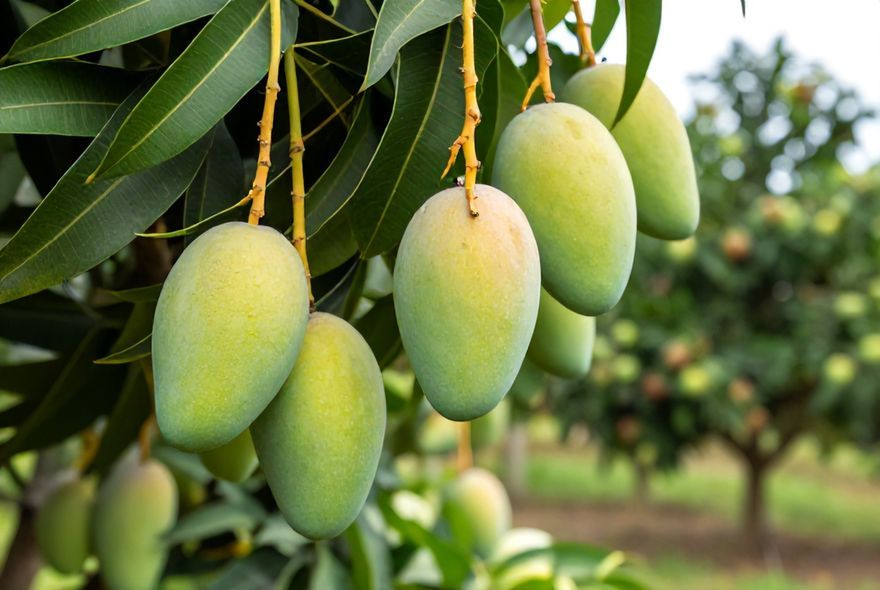
So there you have it, folks—a deep dive into how tropical fruits like the mango stack up against temperate delights like the apple. First off, it’s all about location, location, location! Mangoes thrive in toasty tropical climates, while apples are more at home where the cool breeze dances through an orchard. This climate contrast influences not just their growing seasons—mangoes are typically harvested when it’s balmy, while apples love a crispy autumn—but also their care requirements. Mango trees demand more warmth and moisture, whereas apple trees need chilly sleep time to bear their crunchy fruits. Why does all this matter to you when you’re picking out fruits at the market? Understanding these needs helps you make informed decisions about supporting sustainable farming practices that keep our ecosystems buzzing. Plus, knowing the story behind your fruit can add a sprinkle of magic to your daily menu choices.
Feeling fruity and ready to spice up your produce platter? Follow us on our social media escapades to dabble more in the delightful world of fruits and veggies! Catch our latest tips and taste tests on Facebook, elevate your feed with juicy goodness on Instagram, and subscribe to our YouTube channel for a fresh scoop every week. Who knew being a fruit connoisseur could be this fun? 🙃





Leave a Reply