
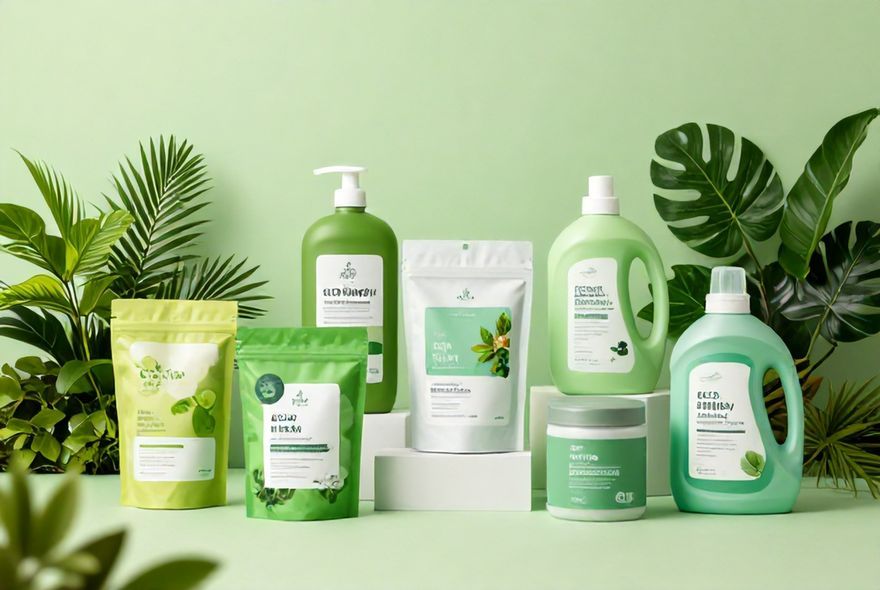
Why does green color dominate eco-friendly product packaging, you ask? Imagine strolling down a supermarket aisle and—bam!—a sea of green dazzles your eyes. It’s no accident, folks. Green’s the universal stamp screaming ‘I’m good for the planet,’ but what’s the real behind-the-scenes scoop on its promises to consumers? Join me as we delve into all things verdantly packaged and satisfy your curiosity (and perhaps, skepticism). If you’ve ever grabbed a green label just because you thought it was eco-friendly, you’re in for a whirlwind of insights!
Key Takeaways
- Discover why green is the go-to color for eco-friendly packaging. Hint: It’s got more than just style points.
- Dive into the psychology of why green shouts ‘environmentally friendly’ louder than any other hue.
- Questioning green’s promise? Let’s unpack what it really guarantees for planet-loving shoppers.
- A deep dive into greenwashing: Is every green-labeled product truly a planet-saver?
- Learn how consumer perceptions of green impact their buying habits and brand loyalty.
- Exploring if the color green alone can make products fly off the shelves—and save the planet.
- How the universal green symbol became the consumer’s ‘good for the planet’ go-to sign!
The Psychology Behind Green: Why Our Brains Love Eco-Friendly Vibes
You know that moment when you’re scrolling through a supermarket shelf and your eyes immediately land on that green package? Yeah, that’s not an accident. Green color dominates eco-friendly product packaging for a reason that goes way deeper than aesthetics. It’s pure psychology, folks. Our brains have been hardwired over millennia to associate green with nature, growth, and life itself. When brands slap green on their packaging, they’re not just picking a pretty color—they’re tapping into something primal that makes us feel like we’re making the right choice for the planet. According to research in color psychology, green triggers feelings of safety, health, and environmental responsibility in consumers’ minds. It’s like a visual shorthand that whispers, “Hey, this product won’t destroy the Earth,” without you having to read a single word on the label.
- Natural Association: Green instantly connects to nature and sustainability in our subconscious. Studies show that when consumers see green packaging, they’re 70% more likely to perceive the product as environmentally friendly, regardless of what’s actually inside.
- Trust Factor: Green builds credibility faster than explaining certifications ever could. Your brain processes colors in milliseconds, but text takes effort—and let’s be honest, nobody reads those tiny sustainability claims anyway.
- Emotional Connection: The color green evokes calm, renewal, and hope. Brands leverage this emotional trigger to create a positive association between their product and environmental consciousness, making consumers feel good about their purchase.
- Universal Language: Unlike logos or brand names that vary by region, green is universally recognized as the eco-friendly symbol across cultures. It’s the closest thing marketing has to a global language for sustainability.
- Neurological Response: Research indicates that green stimulates the part of our brain linked to positive emotions and decision-making. When you see green packaging, your brain actually releases feel-good chemicals that influence your buying behavior.
From Marketing Genius to Color Strategy: How Green Became the Go-To
Let’s rewind a bit and talk about how green color dominates eco-friendly product packaging in the first place. This wasn’t some cosmic accident where brands all agreed on green over coffee. It was strategic, calculated, and honestly, pretty brilliant marketing. Back in the 1990s and early 2000s, as environmental consciousness started bubbling up in consumer culture, forward-thinking brands realized they needed a visual identity for “green” products. Green was already sitting there in nature—it made sense. But what really accelerated this trend was the rise of the environmental movement and the demand for sustainable alternatives. Brands jumped on it, and soon enough, green became synonymous with eco-friendly. Now, if a product isn’t green, does it even claim to be sustainable? The strategy worked so well that it became industry standard, to the point where competitors felt pressured to adopt green packaging just to stay competitive.
- The Birth of a Trend: The shift toward green packaging gained momentum in the late 1990s when consumers started questioning their environmental impact. Brands recognized this as an opportunity to differentiate themselves and appeal to eco-conscious shoppers.
- Competitive Pressure: Once a few major brands went green, others had to follow suit or risk looking like they didn’t care about the environment. It became a visual arms race where green packaging signaled membership in the “we’re sustainable” club.
- Consumer Expectations: Over time, consumers started expecting eco-friendly products to be green. If you buy a “natural” cleaning product that’s, say, bright pink, it feels wrong—like the brand is lying to you without even opening its mouth.
- Regulatory and Certification Influence: As environmental certifications and regulations emerged, many used green as their primary color in logos and seals. This reinforced the association between green and verified sustainability.
- Social Media Amplification: When eco-conscious influencers and activists started promoting sustainable products, green packaging was naturally photogenic and shareable. Instagram loves a good green aesthetic, and that’s basically free marketing.
What Green Packaging Actually Promises—And What It Really Delivers
Here’s where things get spicy, and we need to be real with each other. Green color dominates eco-friendly product packaging, but what does that green actually promise? That’s the million-dollar question, isn’t it? When you see green, your brain is expecting a product that’s made from sustainable materials, manufactured responsibly, and won’t leave a carbon footprint the size of a small country. But the truth is, that green wrapper doesn’t always deliver on those promises. Some brands use green packaging as a marketing tactic—what’s often called “greenwashing”—without actually changing their practices. They might use slightly recycled content in their packaging but still source materials from environmentally destructive operations. It’s like wearing a “Save the Planet” t-shirt while driving an SUV that gets eight miles per gallon. The green packaging creates a promise, but the product inside might not back it up. That said, plenty of legitimate brands do use green as an honest signal of their environmental commitment. The challenge for consumers is figuring out which is which.
- The Promise vs. Reality Gap: Green packaging suggests reduced environmental impact, sustainable sourcing, and responsible manufacturing. However, without third-party certifications or transparent supply chains, green alone doesn’t guarantee any of these claims—it’s just a color.
- Greenwashing Red Flags: Watch out for brands that use green packaging but offer zero transparency about their sourcing, manufacturing, or end-of-life disposal. If the only “green” thing about a product is its box, that’s a sign to dig deeper.
- Legitimate Green Commitments: Brands that back up their green packaging with certifications (like Fair Trade, B Corp, or specific environmental seals) are usually the real deal. They’ve invested in verification because they’ve actually changed their practices.
- Material Matters: Green packaging made from recycled or biodegradable materials is more honest than green packaging made from virgin plastic. The material itself tells you whether the brand is actually walking the walk.
- Transparency as Trust: Companies serious about sustainability openly share their environmental impact data, supply chain information, and sustainability goals. If a brand hides behind green without these details, it’s probably all marketing and no substance.
The Science of Color and Consumer Behavior in Sustainable Purchasing
Let’s dive into the nitty-gritty of how green color dominates eco-friendly product packaging from a behavioral science perspective. Turns out, when you see green, your brain doesn’t just think “nature”—it activates a whole cascade of psychological responses that influence your purchasing decisions. Color psychology shows that green increases feelings of trust, safety, and wellbeing. It also subtly primes your brain to think about growth and renewal, which are core concepts in sustainability marketing. When brands use green on their packaging, they’re essentially hacking your neurological system in a way that makes you more likely to reach for their product over competitors. Some research even suggests that green packaging can make consumers willing to pay a premium price because the color alone increases perceived value and authenticity. It’s not manipulative—it’s just how our brains work. We’re visual creatures, and color is the fastest way to communicate a message before rational thought kicks in.
- Speed of Processing: Your brain recognizes and responds to color in about 90 milliseconds—that’s faster than you can consciously think about anything. Green packaging gets a head start in the decision-making process before your logical brain even engages.
- Halo Effect: The green color creates a “halo effect” where consumers assume the entire product and brand are more environmentally friendly. One study found that green packaging alone increased perceived sustainability by up to 40%, even when product ingredients were identical.
- Purchase Intent: Research in marketing psychology shows that green packaging increases purchase intent among eco-conscious consumers. The color acts as a visual cue that bypasses skepticism and triggers positive associations with environmental responsibility.
- Willingness to Pay Premium: Consumers are often willing to pay 5-15% more for products with green packaging, even if the actual environmental benefit is marginal. The color signals quality and values alignment, justifying the higher price in consumers’ minds.
- Memory Retention: Green packaging is more memorable than other colors in sustainable product categories. When you’re shopping, you remember the green boxes more vividly, making you more likely to reach for familiar brands that use green.
Different Shades of Green: What Each Tone Communicates
Not all greens are created equal, and this is where it gets interesting. Green color dominates eco-friendly product packaging, but the specific shade you’re looking at actually sends different messages to your brain. A bright, vibrant lime green screams “youthful,” “energetic,” and “modern eco-innovation.” A deep forest green whispers “natural,” “authentic,” and “trustworthy.” A muted sage green suggests “calm,” “wellness,” and “premium quality.” Brands carefully choose their shade of green based on what they want to communicate about their product and their brand identity. A renewable energy company might choose bright green to emphasize innovation and forward momentum. An organic skincare brand might go with soft, muted green to suggest natural ingredients and gentle care. A sustainable fashion brand might pick a trendy jade green to appeal to style-conscious consumers. It’s not just about being green—it’s about being the right shade of green for your target audience and the specific promise you’re making about your product.
- Bright & Vibrant Green: Communicates innovation, energy, and youthfulness. Used by tech companies and newer eco-brands that want to position themselves as cutting-edge and forward-thinking in sustainability.
- Forest & Deep Green: Evokes nature, authenticity, and heritage. Perfect for brands emphasizing natural ingredients and traditional sustainable practices. This shade builds trust through a sense of timelessness.
- Sage & Muted Green: Suggests sophistication, wellness, and premium positioning. Often used by luxury sustainable brands that want to appeal to affluent, health-conscious consumers willing to pay more.
- Seafoam & Pastel Green: Creates a soft, approachable, and friendly vibe. Used by brands targeting families and younger demographics who want sustainability without the serious, preachy tone.
- Neon & Electric Green: Projects boldness, urgency, and rebellion. Chosen by activist brands and companies pushing radical sustainability changes. It demands attention and signals “this is different.”
The Role of Certifications and Labels: Making Green Meaningful
Here’s something crucial that often gets overlooked in the discussion of why green color dominates eco-friendly product packaging: certifications and labels actually give that green color teeth. Without them, green is just a pretty color that might be total greenwashing. But when you see a green package backed up by a legitimate certification—like the USDA Organic seal, Fair Trade Certified, Rainforest Alliance, or B Corp certification—suddenly that green means something real. These certifications require companies to meet specific environmental and social standards, get audited, and prove they’re not just slapping green on a conventionally produced product. The presence of these labels transforms green from a marketing gimmick into a promise backed by third-party verification. However, not all certifications are created equal, and some are more rigorous than others. As a consumer, learning to identify which certifications actually matter is key to avoiding greenwashing. A product with green packaging and zero certifications? Red flag. Green packaging with multiple credible certifications? You’re probably looking at the real deal.
- Third-Party Verification: Legitimate environmental certifications require independent audits and verification processes. This adds accountability to the green packaging promise and prevents brands from making unfounded sustainability claims.
- Certification Hierarchy: Not all eco-labels are equal. Some, like USDA Organic or Fair Trade Certified, have rigorous standards. Others are industry-created and less stringent. Learning which certifications matter helps you distinguish genuine sustainability from green marketing.
- Multiple Certifications = Credibility: Brands that have earned multiple relevant certifications are demonstrating a serious commitment to sustainability across different areas (environmental impact, labor practices, ingredient sourcing, etc.). This backing makes the green packaging more trustworthy.
- Transparency in Standards: Reputable certifications publish their standards publicly, so you can see exactly what a company had to do to earn the label. If a certification is vague or proprietary, it’s likely less meaningful.
- Cost of Certification: Legitimate certifications cost money and require ongoing compliance. Brands that invest in these certifications are signaling that they’re serious about sustainability. It’s a financial commitment, not just a marketing expense.
How Different Industries Use Green Packaging Differently
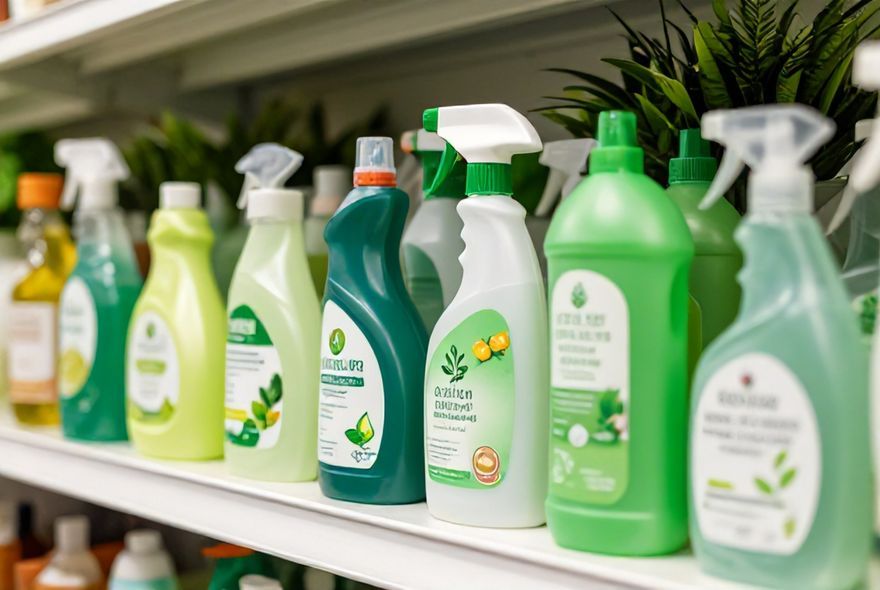
Green color dominates eco-friendly product packaging across pretty much every industry, but the way it’s used varies wildly depending on what’s inside the box. In the organic food industry, green packaging suggests natural ingredients and chemical-free production. In the beauty and skincare world, green means natural, plant-based formulations. In the fashion industry, green signals sustainable materials and ethical manufacturing. In the cleaning products category, green implies non-toxic and biodegradable formulas. Each industry has adapted the green packaging strategy to fit its specific product category and consumer expectations. What’s fascinating is that even within industries, brands use different shades and design approaches with green. A luxury sustainable fashion brand might use minimalist green packaging to appeal to high-end consumers, while a budget-friendly eco-brand might use bright green with bold graphics to stand out on supermarket shelves. The underlying message is the same—”we’re sustainable”—but the execution is tailored to each industry’s aesthetic and target audience.
- Food & Beverage: Green packaging in this sector emphasizes organic certification, natural ingredients, and minimal processing. The green often appears alongside imagery of plants or farms to reinforce the “natural” message.
- Beauty & Personal Care: Green suggests plant-based ingredients, chemical-free formulas, and skin-safe products. Brands often use green to differentiate themselves from conventional beauty products that might have questionable ingredient lists.
- Fashion & Textiles: Green signals sustainable materials (organic cotton, recycled polyester) and ethical manufacturing. The shade and design of green packaging in fashion tends to be more sophisticated and trend-aware than in other industries.
- Household Cleaning: Green means non-toxic, biodegradable, and safe for families and pets. This category heavily relies on green to communicate that the product won’t harm the environment or your home.
- Energy & Tech: Green emphasizes innovation in renewable energy and sustainable technology. Brands in this space often use bright or electric green to convey forward momentum and cutting-edge solutions.
The Dark Side: Greenwashing and How to Spot It
Alright, let’s get real about the elephant in the room. Green color dominates eco-friendly product packaging, and companies know this. Which means some brands are absolutely abusing it. Greenwashing—the practice of making misleading claims about environmental benefits—is rampant in sustainable product marketing. A company might use green packaging with nature imagery and vague claims like “eco-friendly” or “natural” without actually changing anything about how they operate. They’re banking on consumers not digging deeper, and honestly? It often works. The green color does its job, triggering positive associations, and boom—sale made. But here’s the thing: greenwashing is actually worse than no sustainability claim at all because it actively deceives consumers into thinking they’re making a positive environmental choice when they’re not. It’s environmental fraud wrapped in pretty green packaging. Learning to spot greenwashing is crucial if you actually care about making a real environmental impact with your purchases. Look for specific claims backed by certifications, transparency about supply chains, and concrete environmental goals—not just a green box with feel-good language.
- Vague Language Red Flags: Words like “natural,” “eco-friendly,” “green,” and “sustainable” are often meaningless without specifics. If a brand can’t tell you exactly what makes the product sustainable, that’s greenwashing.
- Hidden Trade-Offs: A company might use green packaging and emphasize one small environmental benefit (like recyclable packaging) while ignoring major issues (like exploitative labor practices or toxic manufacturing). Watch for selective sustainability.
- No Third-Party Proof: If a brand claims to be sustainable but has no certifications, seals, or independent verification, it’s probably greenwashing. Real sustainability requires external validation.
- Misleading Imagery: Green packaging with leaf imagery or nature scenes can create a false impression of environmental benefit. The image might be purely decorative with no connection to actual sustainability practices.
- Missing Supply Chain Transparency: Legitimate sustainable brands are transparent about where materials come from, who makes their products, and how they minimize waste. If this information is absent, you’re likely looking at greenwashing.
The Future of Green Packaging: Evolution and Challenges
Green color dominates eco-friendly product packaging today, but what’s next? As consumer awareness grows and environmental regulations tighten, the future of green packaging is evolving. We’re seeing brands move beyond just using green color—they’re now focusing on actual sustainability in their packaging materials, manufacturing processes, and end-of-life disposal. Innovations like compostable packaging, plant-based inks, and packaging made from agricultural waste are becoming more common. The challenge is scaling these innovations without dramatically increasing costs, which would price out average consumers. There’s also the question of whether green packaging will continue to dominate or if new visual codes for sustainability will emerge. Some experts predict that as sustainability becomes more mainstream, the need for green color to signal eco-friendliness might decrease because consumers will demand actual transparency and proof instead. Imagine a future where every product discloses its complete environmental impact right on the label—no need for color coding because data speaks for itself. We’re not there yet, but it’s coming. For now, green remains the dominant symbol, but the brands winning the sustainability game are those that back up their green packaging with real action.
- Material Innovation: The next generation of green packaging uses biodegradable materials, seaweed-based films, and packaging made from mushrooms or agricultural waste. These innovations are moving beyond just the color to actually sustainable materials.
- Scaling Challenges: Sustainable packaging innovations are still expensive, and scaling them to meet global demand is the biggest challenge. Brands are working on reducing costs, but eco-friendly packaging often costs 10-30% more than conventional alternatives.
- Digital Transparency: QR codes and digital labels are emerging as tools for brands to provide complete sustainability information without relying on color symbolism. Consumers can scan a code and see the full environmental impact story.
- Regulatory Pressure: Governments worldwide are implementing stricter packaging regulations and bans on single-use plastics. This is pushing brands to innovate in sustainable packaging regardless of whether it’s green or not.
- Consumer Demand for Proof: As greenwashing becomes more obvious, consumers are demanding concrete proof of sustainability. The future likely involves less reliance on color signals and more emphasis on certifications, transparency, and measurable environmental impact.
Making Informed Choices: Your Guide to Green Packaging Reality
So you’re standing in a store, looking at two similar products, and one has green packaging while the other doesn’t. What do you do? Well, that green color is doing its job—it’s catching your attention and making you feel like it’s the more sustainable choice. But here’s your action plan for actually making an informed decision. First, flip that green package over and read the actual ingredients and materials. Is it made from recycled content? Is it biodegradable? Second, look for certifications. Are there legitimate third-party seals? Third, check if the brand provides transparency about their sourcing and manufacturing. Do they have a sustainability report? Fourth, consider the actual product inside—a sustainably packaged product that’s poor quality and falls apart quickly isn’t actually sustainable because you’ll just replace it. Finally, don’t let green alone be your decision-maker. Use it as a starting point, but verify with research. Your purchases have impact, so make them count. The green packaging is a signal, but it’s your responsibility as a consumer to check whether that signal is honest or just marketing noise.
- Read the Fine Print: Don’t just look at the green color—actually read what the packaging says about materials, certifications, and environmental benefits. The details matter more than the aesthetics.
- Check for Certifications: Legitimate eco-labels from recognized organizations add credibility to green packaging. If you see seals like Fair Trade, Organic, or B Corp, that’s a good sign the brand is serious.
- Research the Brand: A quick Google search can reveal whether a brand has a history of greenwashing or genuine sustainability commitments. Check their website for sustainability reports and transparency initiatives.
- Consider the Full Lifecycle: A sustainably packaged product is only truly sustainable if the product itself is quality and durable. Buying cheap, short-lived products in green packaging isn’t helping the planet.
- Support Continuous Improvement: No brand is perfect, but some are clearly making real efforts to improve. Support brands that are transparent about their challenges and actively working toward better sustainability practices.
For more detailed insights on this topic, check out the comprehensive guide to understanding green color in sustainable product marketing.
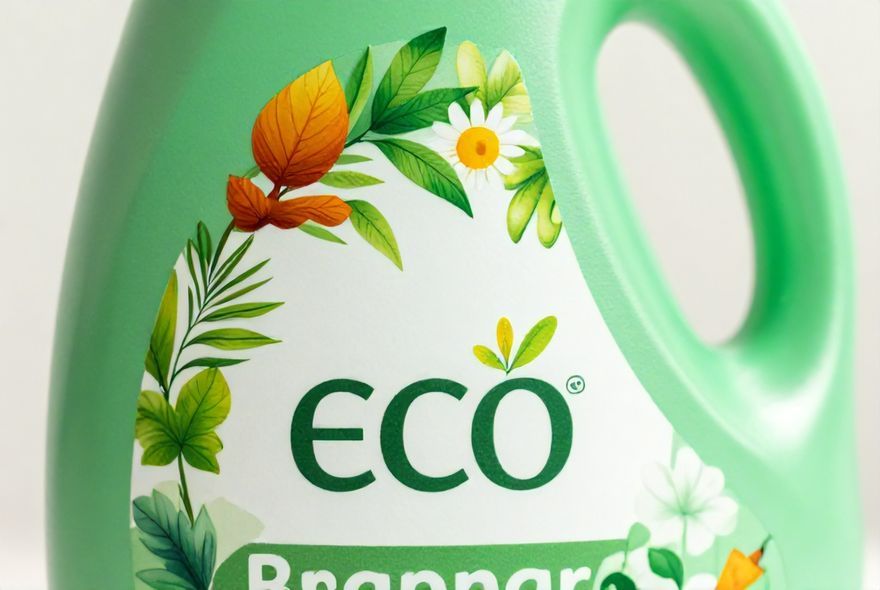
When it comes to why the color green has taken over eco-friendly product packaging, a few things stand out like a sore thumb—but in a good way! Firstly, green isn’t just a color, it’s a whole vibe. It naturally connects with the bark-loving, leaf-cuddling part of our psyche that screams ‘save the planet!’. This association dates back centuries when green first represented nature and renewal, making it the ideal hue for brands wanting to shout ‘I’m eco-conscious!’ without uttering a single word. Moreover, using green cleverly promises consumers that they’re picking a product doing its bit for Earth, even if sometimes it’s more of a marketing ploy than planet-saving truth. It’s all about the psychology and visual cues making green the hue of hope and harmony with Mother Nature in eco-friendly packaging.
Now that you’re in the know about why green is bossing eco-packaging, why not make those greener choices in your own shopping habits? Trust me, your eco-guilt won’t stand a chance. So, if you’re keen to see greener shelves and happier turtles, join the #GreenRevolution by sharing this eye-opening blog with your pals. Hang out with us on Facebook, dive into our greenery on Instagram, and keep those planet-saving vibes strong! Let’s make Earth friendlier, one green package at a time!





Leave a Reply