

Ever looked out at your lawn and wondered why it’s imitating a desert scene from an old western? In our latest post, “Why Your Lawn Turns Brown and How To Keep It Green,” we’re diving headfirst into the science of grass care. Get ready to uncover secrets about watering, nutrients, and sunlight strategies to combat that dreaded summer drought damage. Mastering the art of lush grass is easier than you think—grab a cold drink, sit back, and let’s transform your yard into a plush, green oasis. Ready to become the neighborhood lawn whisperer?
Key Takeaways
- Wondering why your lawn’s gone bleh? It’s all about mastering water, nutrients, and sunlight.
- Don’t let summer droughts dry up your lawn dreams—discover smart strategies to keep it lush.
- Nutrients are like a spa day for grass. Know which ones keep your lawn smiling.
- Figure out your lawn’s love language—water it just right to stop those brown patches.
- Sunlight: Friend or foe to your lawn? Learn how to find the balance for grass bliss.
- Science says: You can beat drought damage. Is your lawn ready to get its groove back?
- Solve the mystery of the brown lawn and unleash your inner grass whisperer.
The Root Cause: Why Lawns Turn Brown in the First Place
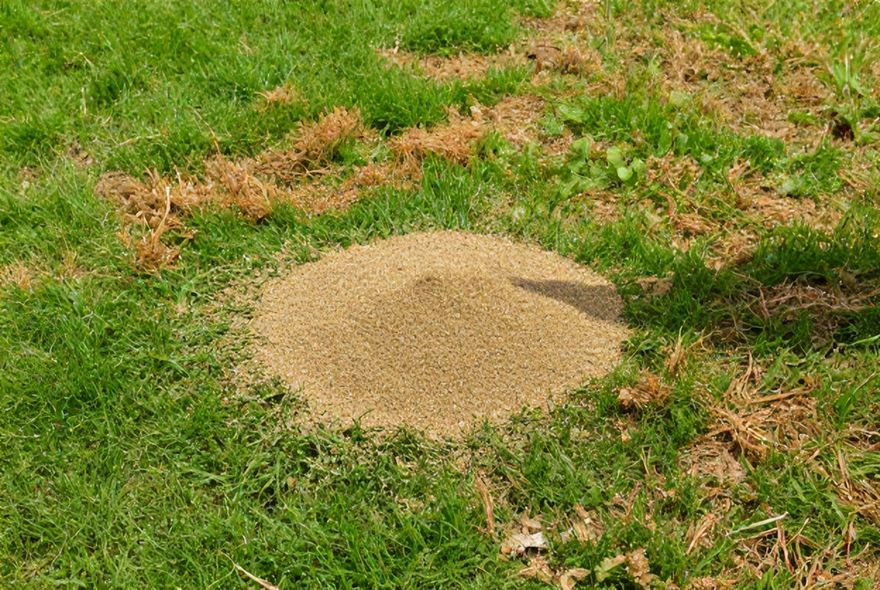
You know that sinking feeling when you look out your window and realize your once-vibrant lawn has turned into a crispy, brown mess? Yeah, we’ve all been there. The thing is, brown grass doesn’t just happen overnight—it’s usually the result of a combination of factors working against your turf. Understanding why your lawn turns brown is the first step toward keeping it green and lush year-round. Whether it’s summer drought damage, nutrient deficiencies, or poor watering habits, there’s always a science-backed reason behind that discoloration. Let’s dig into the real culprits.
- Drought Stress and Water Depletion: When soil moisture drops below what grass needs to survive, your turf enters survival mode. Grass blades lose their turgidity—that plump, healthy appearance—and turn brown as cells dehydrate. Summer drought damage is one of the biggest reasons lawns fail, especially in regions with inconsistent rainfall or extreme heat waves.
- Nutrient Imbalances and Deficiencies: Grass is a living organism that demands nitrogen, phosphorus, potassium, and micronutrients. Without proper fertilization, your lawn can’t photosynthesize effectively or produce the chlorophyll that keeps it green. A nitrogen deficiency, in particular, strips grass of its vibrant color faster than you’d think.
- Poor Sunlight Exposure: Grass needs adequate sunlight to thrive. Shaded areas or trees blocking UV rays mean your turf can’t generate enough energy through photosynthesis. This leads to weakened, discolored grass that’s vulnerable to disease and browning.
- Soil Compaction and Poor Drainage: When soil gets compacted—thanks to foot traffic, heavy equipment, or clay-heavy soil—water can’t penetrate properly. This creates either waterlogged conditions that suffocate roots or dry pockets where grass can’t access moisture, both leading to brown patches.
- Disease and Pest Damage: Brown patch fungus, dollar spot, and other lawn diseases thrive in humid conditions. Similarly, grubs and chinch bugs feed on grass roots, causing brown, dead zones that spread if left untreated.
Mastering the Watering Science: Getting Hydration Right
Here’s where most people mess up—watering is both an art and a science, and most homeowners lean too heavily on the “spray and pray” method. The truth? Your lawn’s watering needs are incredibly specific, and beating summer drought damage starts with understanding how water moves through soil and grass. It’s not just about how much you water; it’s about *when*, *how long*, and *how deep* that water goes. Let’s break down the science that’ll transform your lawn from brown to brilliant.
- Deep, Infrequent Watering Beats Shallow, Frequent Sprinkling: When you water lightly every day, the moisture only penetrates the top inch of soil, encouraging shallow root systems. Grass with shallow roots can’t access water deeper in the soil during hot spells, making it vulnerable to drought. Instead, water deeply 2-3 times per week, aiming for 1-1.5 inches per watering. This forces roots to grow deeper, creating a more resilient turf system that laughs in the face of summer drought damage.
- Timing Matters More Than You Think: Watering early morning—between 4 AM and 8 AM—is your golden window. Why? The soil is cool, evaporation is minimal, and grass has all day to absorb moisture before the heat kicks in. Evening watering can leave grass wet overnight, promoting fungal diseases. Midday watering? Forget it—most of that water evaporates before it does any good.
- Soil Type Determines Water Retention: Sandy soil drains fast and needs more frequent watering, while clay soil holds moisture longer but can become waterlogged. Loamy soil—that magical middle ground—is ideal. You can improve water retention by adding organic matter (compost, mulch) to your soil, which acts like a sponge, storing moisture for roots to access during dry periods.
- The Finger Test Never Lies: Before you water, stick your finger 3-4 inches into the soil. If it feels dry at that depth, it’s time to water. If it’s still moist, hold off. This simple trick beats any generic watering schedule and helps you avoid both underwatering and overwatering—both of which turn lawns brown.
- Adjust for Weather and Season: During peak summer heat, your lawn needs more water. During spring and fall, less. If it rains, skip or reduce your watering schedule. Smart irrigation systems can do this automatically, but honestly, paying attention and adjusting manually works just fine.
Nutrient Strategies: Feeding Your Grass for Green Success
Think of fertilizer as your lawn’s meal plan. You wouldn’t expect your body to function without proper nutrition, and grass is no different. The challenge is that most people either over-fertilize (burning grass brown) or under-fertilize (starving it into that ugly yellowish-brown). Mastering nutrient balance is crucial for keeping your grass lush and vibrant, especially when facing the stress of summer heat. Let’s explore the science of feeding grass the right way.
- Nitrogen: The Chlorophyll King: Nitrogen is the nutrient responsible for that gorgeous green color. It’s also crucial for leaf growth and overall vigor. But here’s the catch—nitrogen doesn’t stick around in soil. It leaches away with water and gets consumed quickly by grass. This is why you need to fertilize regularly, typically 4-6 times per year depending on your region. A nitrogen-rich spring application jumpstarts growth, while a fall application builds reserves for winter dormancy.
- Phosphorus and Potassium: The Supporting Cast: While nitrogen gets the spotlight, phosphorus builds strong roots and potassium enhances disease resistance and stress tolerance. A balanced fertilizer ratio—something like 10-10-10 or 5-10-10—ensures your grass gets the full spectrum of nutrients it needs. This balanced approach is what beats summer drought damage, because well-nourished grass is simply more resilient.
- Micronutrients: The Overlooked Heroes: Iron, magnesium, zinc, and manganese might sound like overkill, but they’re essential for photosynthesis and overall plant health. If your grass is turning brown despite adequate water and nitrogen, a micronutrient deficiency might be the culprit. Soil testing reveals exactly what’s missing, taking the guesswork out of lawn care.
- Slow-Release vs. Quick-Release Fertilizers: Quick-release fertilizers give immediate results but can burn grass and encourage rapid, weak growth. Slow-release fertilizers feed grass gradually over weeks or months, promoting steady, healthy growth and reducing the risk of nutrient runoff. For summer, slow-release options are your friend—they keep feeding during hot spells when grass needs it most.
- Soil Testing: The Game-Changer: Before you fertilize, know your soil’s nutrient profile and pH level. A soil test (usually available through your local extension office) costs $15-30 and reveals exactly what your lawn needs. This science-backed approach eliminates guessing and ensures you’re not wasting money on nutrients your soil already has in abundance.
Sunlight Strategy: Optimizing Light Exposure for Green Grass
Here’s a hard truth: if your lawn doesn’t get enough sunlight, no amount of watering or fertilizing will fully solve browning issues. Grass needs photosynthesis to thrive, and that requires light. The good news? You have more control over sunlight exposure than you might think. Whether it’s pruning trees, choosing shade-tolerant grass varieties, or repositioning your landscaping, understanding how to maximize sunlight is key to keeping grass green even in challenging conditions.
- Minimum Sunlight Requirements: Most grass varieties need at least 3-4 hours of direct sunlight daily. Some shade-tolerant varieties can manage with less, but they’ll never be as vibrant or dense as sun-loving grasses. If you’re getting less than 3 hours of direct sun in certain areas, you’ve identified your brown patch problem—and that’s actually helpful because now you know the fix.
- Tree Trimming and Pruning: Overgrown tree branches blocking sunlight are sneaky brown-grass creators. Pruning lower branches to increase light penetration, removing dead limbs that create heavy shade, and sometimes removing entire problem trees are all legitimate solutions. Yes, it’s sad to lose a tree, but a healthy lawn might be worth it, especially if that tree’s shade is irredeemable.
- Shade-Tolerant Grass Varieties: If you can’t add sunlight, adapt your grass choice. Varieties like fine fescues and some bentgrass varieties tolerate shade better than Kentucky bluegrass or perennial ryegrass. Switching to a shade-tolerant species in problem areas is a realistic solution that beats fighting nature year after year.
- Reflective Surfaces and Strategic Landscaping: Painting fences white or using reflective mulch can bounce additional light into shaded areas. It sounds gimmicky, but it genuinely helps. Repositioning landscaping features to reduce shade zones is also worth considering during spring planning.
- Morning Sun vs. Afternoon Shade: Afternoon shade (especially in scorching climates) can actually protect grass from excessive heat stress. Morning sun, on the other hand, dries dew and reduces fungal disease risk. The ideal scenario? Morning sun with afternoon shade in hot climates, or consistent full sun in cooler regions.
Soil Health: The Foundation of Lush, Green Grass
You can have perfect watering habits and excellent sunlight exposure, but if your soil is in bad shape, your lawn will struggle. Soil isn’t just dirt—it’s a living ecosystem teeming with microorganisms, organic matter, and minerals that grass roots depend on. Building healthy soil is the long-term solution to preventing browning and maintaining that gorgeous green color year-round. Let’s dig into the science of soil health and how it transforms lawns.
- Soil Structure and Aeration: Compacted soil suffocates grass roots and prevents water infiltration. Aeration—punching thousands of small holes into your lawn—relieves compaction, improves drainage, and allows roots to grow deeper. Spring and fall aeration is ideal, and honestly, it’s one of the best investments you can make for long-term lawn health. A single aeration session can transform a struggling lawn within weeks.
- Organic Matter and Compost: Adding compost or organic mulch to your soil improves water retention, enhances microbial activity, and provides slow-release nutrients. Over time, organic matter builds soil structure, making it more resilient to drought and disease. Top-dressing your lawn with 1/4 inch of quality compost each fall is a simple but powerful practice that compounds benefits year after year.
- pH Balance: The Invisible Factor: Grass prefers slightly acidic soil (pH 6.0-7.0). If your soil is too acidic or too alkaline, nutrients become unavailable to roots even if they’re present in the soil. This nutrient “lock-up” is why grass can turn brown despite adequate fertilizing. A soil test reveals your pH, and amendments like lime (to raise pH) or sulfur (to lower it) can correct imbalances.
- Microbial Life and Soil Biology: Beneficial microorganisms break down organic matter, release nutrients, and improve soil structure. Excessive pesticide use kills these microbes, degrading soil health. Reducing chemical inputs and encouraging microbial populations through compost and organic practices creates a healthier soil ecosystem that naturally supports lush grass.
- Drainage and Waterlogging: Poor drainage creates waterlogged conditions where roots rot and anaerobic bacteria thrive, turning grass brown and mushy. Installing drain tiles, creating swales, or adding organic matter to improve soil structure are solutions. In extreme cases, raised planting areas or rain gardens redirect water away from problem zones.
Summer Drought Damage: Prevention and Recovery Strategies
Summer drought damage is the nightmare scenario for lawn lovers—heat waves, dry spells, and stressed grass combine to create brown, dormant-looking lawns. But here’s the encouraging part: with proper prevention strategies and understanding of how grass responds to heat stress, you can dramatically reduce or even eliminate drought damage. Let’s explore the science of heat stress and the practical tactics that keep grass green through summer’s harshest conditions.
- Heat Stress and Dormancy: Understanding the Response: When temperatures soar and moisture depletes, grass enters a defensive state. C3 grasses (cool-season varieties like fescue and bluegrass) naturally slow growth and turn dormant during extreme heat, which looks like browning. This is actually a survival mechanism. C4 grasses (warm-season varieties like Bermuda and Zoysia) thrive in heat but struggle in cold climates. Knowing your grass type helps you understand whether browning is dormancy or actual damage.
- Pre-Summer Hardening Through Fall and Spring Feeding: Grass that enters summer well-nourished and deeply rooted handles heat stress exponentially better. A fall fertilization application builds carbohydrate reserves in roots and rhizomes, essentially storing energy for summer. Spring feeding ensures vigorous growth early in the season. This two-pronged approach means your lawn starts summer in peak condition, ready to weather stress.
- Raising Mowing Height During Summer: This is a game-changer that most people miss. Taller grass (3-4 inches instead of 2-3 inches) shades soil, keeping it cooler and reducing evaporation. Taller grass also has larger leaf surface area for photosynthesis, building energy reserves. Plus, longer blades shade the soil surface, creating a cooler microclimate where roots can function better. Simple height adjustment, massive results.
- Mulching and Organic Matter as Heat Insulators: A 1-2 inch layer of mulch or compost on soil acts as an insulator, keeping soil temperatures 10-15 degrees cooler than bare soil. This reduces water evaporation and stress on roots. While you don’t want to bury grass crowns, strategic mulching in vulnerable areas (under trees, near irrigation heads) provides real protection during heat waves.
- Strategic Irrigation During Peak Heat: During extreme heat waves, increasing watering frequency slightly (while maintaining deep soaking) helps grass survive. The goal is keeping soil moisture consistent without creating waterlogged conditions. Watering early morning before heat kicks in, plus possibly a light evening sprinkling during extreme heat, can be the difference between green grass and brown dormancy.
Disease and Pest Management: Addressing Brown Spots Beyond Drought
Sometimes brown grass isn’t about drought, nutrients, or sunlight—it’s about invisible enemies. Fungal diseases like brown patch, dollar spot, and rust thrive in warm, humid conditions, turning perfectly healthy grass brown in patches. Similarly, grubs and chinch bugs feed on grass roots, creating brown, dead zones. Identifying whether browning is environmental or pest-related is crucial because the solutions are completely different. Let’s explore how to diagnose and manage these threats.
- Brown Patch and Fungal Disease Recognition: Brown patch starts as small brown or gray spots that expand into irregular rings, often with a darker border and lighter center. It thrives in humidity, warm temperatures (70-85°F), and poor air circulation. Dollar spot creates small, straw-colored patches about the size of a silver dollar. Rust appears as orange or reddish powder on grass blades. These conditions need fungicide treatment, improved air circulation, and reduced humidity—not just more water.
- Grub and Chinch Bug Identification: If you can pull up brown grass patches easily and see white C-shaped grubs underneath, you’ve got a grub problem. Chinch bugs are tiny insects visible along the brown patch edges. Both feed on grass roots, causing brown, spongy patches. Spring treatment with grub preventatives or targeted insecticides can save your lawn before damage spreads.
- Preventative Practices Over Reactive Treatment: Proper watering (avoiding evening moisture that encourages fungal growth), good air circulation through pruning, appropriate mowing height, and balanced fertilization create conditions where disease struggles to establish. It’s easier to prevent disease than fight it once it takes hold, and this preventative approach aligns with sustainable lawn care.
- Soil Biology and Disease Suppression: Healthy soil with active microbial populations naturally suppresses many turf diseases. Building soil health through compost, reducing chemical inputs, and encouraging beneficial microorganisms creates a biological defense system. This isn’t just environmentally friendly—it’s also more effective long-term than relying solely on fungicides.
- When to Call in Professionals: Identifying diseases accurately requires expertise. If you’re unsure whether browning is environmental stress or disease-related, a local turf professional or extension agent can diagnose the problem and recommend targeted solutions. Sometimes a $50 consultation saves you hundreds in unnecessary treatments or worsened conditions.
Practical Action Plan: Your Roadmap to Green Grass
Alright, so you understand the science behind why lawns turn brown and how to keep them green. But knowing and doing are two different things. Let’s create a practical, seasonal action plan that you can actually implement without becoming a full-time lawn scientist. This roadmap takes the science we’ve covered and transforms it into manageable steps that progressively build a healthier, greener lawn through the year.
- Spring Kickoff (March-May): Start with a soil test to understand your lawn’s nutrient profile and pH. Apply a balanced, slow-release fertilizer as grass begins growing. Aerate if soil is compacted—spring is ideal for cool-season grasses. Adjust your mower height upward and begin a consistent watering schedule as temperatures warm. This spring foundation sets up success for summer.
- Early Summer Preparation (May-June): Increase mowing height to 3.5-4 inches to shade soil and reduce drought stress. Ensure your irrigation system is functioning properly and set it for early morning watering. Apply a second fertilization (lighter than spring) to maintain nutrient levels. Watch for early signs of disease or pests and address them immediately.
- Peak Summer Management (June-August): Maintain deep, infrequent watering (1-1.5 inches, 2-3 times weekly). Monitor soil moisture with the finger test. Resist the urge to fertilize during extreme heat—wait until cooler weather returns. Keep mowing high and avoid stress-inducing practices. This is maintenance mode, not growth mode.
- Fall Recovery (September-November): Apply a fall fertilization with emphasis on potassium and phosphorus to build root reserves and disease resistance. Aerate again if needed. Overseed thin or damaged areas with appropriate grass varieties. Reduce mowing height slightly as growth slows. This season is about rebuilding strength for winter and next summer.
- Winter Monitoring (December-February): Dormant grass doesn’t need much, but don’t walk on frozen, frosted grass (it damages blades). Plan spring improvements, order seed or mulch, and review what worked and what didn’t this year. Use this downtime to reflect and adjust your strategy for the coming season.
Long-Term Green Lawn Success: Building Resilience
The ultimate goal isn’t just fixing brown grass this summer—it’s building a lawn so resilient that browning becomes rare. This means shifting from reactive, crisis-mode thinking to proactive, systems-based lawn care. When you address the fundamentals—soil health, appropriate watering, proper nutrition, and pest prevention—your lawn naturally resists browning, disease, and stress. Let’s explore how to build this long-term resilience.
- The Compound Effect of Consistent Practices: Each year you aerate, add compost, adjust watering practices, and manage nutrients properly, your soil gets healthier and your grass grows stronger. These improvements compound. Year one might show modest improvement, but by year three or four, you’ll have a lawn that laughs at stress conditions that would devastate an unmaintained yard. This isn’t magic—it’s basic biology compounding.
- Reducing Chemical Dependency: Over-reliance on synthetic fertilizers and pesticides creates a cycle of dependency and degrades soil health. Gradually shifting toward organic practices—compost, natural fertilizers, biological pest control—builds healthier soil and reduces costs long-term. Plus, you’re not dumping chemicals into groundwater. Win-win.
- Accepting Imperfection and Dormancy: Here’s a mental shift: not every blade of grass needs to be green 365 days a year. Cool-season grasses naturally go dormant in summer, and that’s okay. A dormant lawn that’s still alive is healthier than a stressed, struggling lawn being pushed to stay green. Accept seasonal changes and work with your grass’s natural rhythms rather than against them.
- Documenting What Works for Your Specific Lawn: Every lawn is unique—different soil, different sunlight, different climate microconditions. Keep notes about what works. Did reducing mowing height help or hurt? Did that new fertilizer brand perform better? Did aeration actually make a difference? Your own data becomes more valuable than any generic advice because it’s specific to your lawn.
- Continuous Learning and Adaptation: Lawn care science evolves. New grass varieties with better drought tolerance are developed. Better irrigation technologies emerge. Staying curious and willing to try new approaches—while documenting results—keeps your lawn care practices fresh and effective. The lawns that stay green longest are maintained by people who treat it as ongoing learning, not a set-it-and-forget-it system.
Lush, green lawns may feel like a myth during summer’s peak heat, but with some strategic planning and a little effort, you can keep your grass vibrant and healthy. By understanding the science behind why your lawn turns brown and implementing targeted efforts, such as precise watering schedules, balanced nutrient applications, and maximizing sunlight exposure, you’ll be well-equipped to combat summer drought damage. It’s all about finding the right balance. Remember, lawns need water, yes, but drowning them won’t help. Similarly, sunlight is vital, but too much without adequate hydration can be disastrous. The key takeaways are all about moderation and paying attention to what your grass tells you. By mastering these strategies, you’re not just keeping your lawn green; you’re beating the heat like a pro.
Now that you’ve got the lowdown on keeping your patch of paradise in top shape, why not share your green-thumb saga with your fellow gardening enthusiasts? Join our community on Facebook, show off your lush success on Instagram, or come debate the latest fertilizer trends on our Twitter. Your lawn is your canvas, so let’s paint it green together! Don’t just read about healthy lawns—help spread the greenery revolution. Let’s make the world a little less brown and a lot more inviting, one lawn at a time!





Leave a Reply