
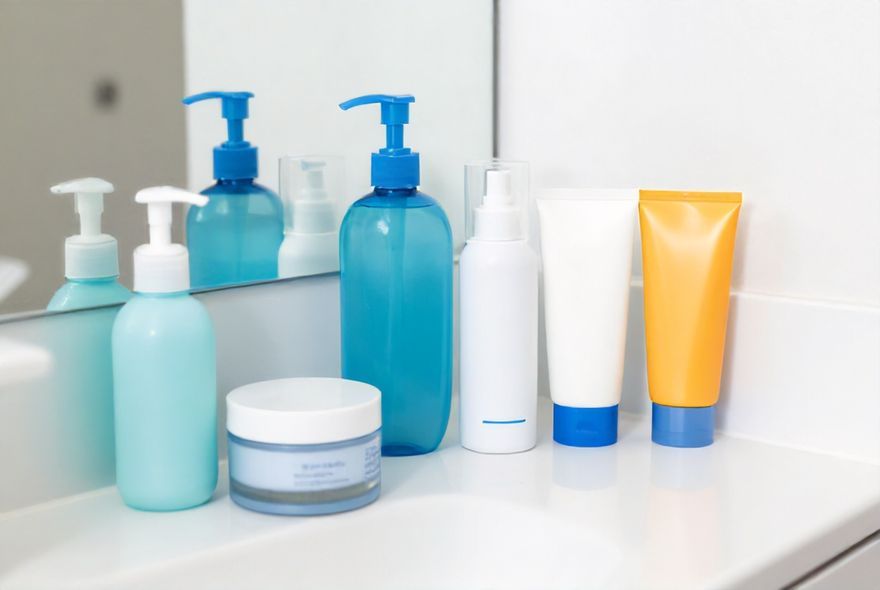
Do you really need eight steps in your skincare routine, or is it more about having a part-time job of massaging creams at 2 a.m.? Let’s debunk the multi-step skincare myth and dive into what products are truly clutch for your glow game versus ones crafted by marketing gurus to downsize your wallet faster than a flash sale. Ever fallen prey to a new ‘must-have’ toner that now gathers dust? We’ve got data insights, stories, and laughs cooked up just for you in this 4,000-word skincare journey!
Key Takeaways
- Think you need all those skincare products? Think again!
- Learn which skincare steps are vital and which are just marketing fluff.
- Discover the myth of the multi-step skincare routine.
- Find out which skincare products are wallet-drainers.
- Do fewer steps in skincare offer more benefits? Let’s find out!
- Is your beauty routine more about sales than skincare? We’ll tell you.
The Great Skincare Routine Myth: Why More Isn’t Always Better
Here’s the thing—you’ve probably scrolled through social media and seen those satisfying 10-step skincare routines with perfectly organized bottles lined up like soldiers ready for battle. It looks amazing, right? But here’s what nobody tells you: that elaborate routine might be doing more harm to your wallet than good to your skin. The multi-step skincare myth has become so ingrained in our beauty culture that we’ve forgotten to ask the most important question: do you really need eight steps in your skincare routine? Let’s be honest, the skincare industry has spent billions convincing us that more products equal better skin. But spoiler alert—that’s not always the case.
- The skincare industry is worth over $140 billion globally, with marketing often driving purchases more than actual skin needs—many products are designed to look appealing rather than deliver transformative results
- Dermatologists consistently recommend that most people can achieve healthy skin with just three to four core steps, making elaborate routines unnecessary for average skin types
- Overusing skincare products can actually damage your skin barrier, leading to sensitivity, irritation, and breakouts—essentially paying more money to create bigger problems
- The “eight-step routine” trend originated in Korean beauty culture but was adapted and exaggerated by Western brands to maximize product sales and consumer spending
- Studies show that simplicity in skincare often yields better compliance and results, as people who stick to fewer products see more consistent improvements than those juggling multiple items
Understanding Your Skin’s Actual Needs Versus Marketing Hype
You know that moment when you’re standing in the skincare aisle and feel completely overwhelmed by the sheer number of options? That’s not accidental—it’s by design. The beauty industry thrives on confusion because confused customers buy more stuff. But here’s what you need to understand: your skin has basic biological needs, and marketing often exploits gaps between those needs and our insecurities. When we talk about which skincare products are truly non-negotiable, we’re really asking what your skin actually requires to function healthily. The rest? That’s where the marketing genius comes in.
- Your skin barrier needs only cleansing, hydration, and sun protection—these three elements form the foundation that dermatologists universally agree upon, making them the true non-negotiable skincare products
- Marketing targets specific concerns (aging, acne, dullness) by creating “solutions” that often overlap in function but are marketed as separate necessities—you might own five different “brightening” products that do essentially the same thing
- The placebo effect plays a massive role in skincare satisfaction; people report better results simply because they believe a product is expensive or has more steps involved, even when the actual ingredients are identical
- Seasonal changes, climate, and individual skin fluctuations mean your routine should adapt, yet most skincare advice treats routines as static year-round necessities rather than flexible guidelines
- Ingredient overlaps are rampant—serums, essences, toners, and ampoules often contain nearly identical active ingredients but are priced and marketed as distinct product categories to justify multi-step routines
The Core Three: What Your Skin Actually Requires Daily
Let’s strip everything back and talk about what actually matters. If you were stranded on a desert island with room for only three skincare products—and trust me, your skin would be just fine—what would they be? These are your non-negotiable skincare products, the holy trinity that every skin type needs regardless of age, concern, or climate. Everything else? That’s bonus territory, the nice-to-haves that might provide incremental benefits but aren’t essential for healthy skin. Understanding this distinction is genuinely life-changing for your skincare routine and your bank account.
- A gentle cleanser removes dirt, oil, and environmental pollutants without stripping your skin—this is non-negotiable because a clean canvas is where healthy skin starts, making it the foundation of any skincare routine
- A moisturizer appropriate for your skin type keeps your skin barrier functioning properly, preventing water loss and protecting against irritants—this isn’t optional, it’s biological necessity that every single person needs regardless of whether they have oily or dry skin
- Sunscreen (SPF 30 or higher) prevents UV damage, which accounts for approximately 80% of visible skin aging and significantly increases skin cancer risk—this is the one step that literally every dermatologist agrees should never be skipped
- These three steps can be completed in under five minutes, take up minimal shelf space, and cost a fraction of an elaborate eight-step routine while delivering 90% of the skincare benefits you’d get from a complex routine
- If you add just one more step, a targeted treatment for your specific concern (whether that’s acne, aging, or sensitivity), you’ve covered virtually everything dermatologists recommend for optimal skin health
The Gray Area: Products That Might Help (But Aren’t Essential)
Now we’re getting into the interesting territory—the products that fall into the “helpful but not required” category. These are the serums, essences, and treatments that can genuinely improve your skin, but they’re not make-or-break for basic skin health. This is where skincare gets personal because what works as an added benefit for one person might be completely unnecessary for another. The key is understanding the difference between a product that solves a genuine problem versus one that’s solving a problem the marketing team invented.
- Vitamin C serums, retinol products, and niacinamide treatments can provide measurable benefits for specific concerns like fine lines, texture, or breakouts, but they’re enhancements to a basic routine rather than foundations—think of them as skincare upgrades rather than necessities
- Exfoliants (whether chemical or physical) can improve skin texture and clarity, but they’re not needed daily for most people; once or twice weekly is typically sufficient, meaning you don’t need a separate exfoliating step in your routine if you’re using other active ingredients
- Eye creams are technically moisturizer for a smaller area; you can absolutely use your regular moisturizer around your eyes and save the money, though a dedicated eye product might provide slightly more targeted benefits if you have specific concerns
- Essences and toners originated in Asian skincare routines and do serve a purpose (hydration and pH balancing), but they’re redundant if your cleanser and moisturizer are already doing those jobs—they’re the skincare products that often feel luxurious but deliver minimal additional benefit
- Face masks, treatments, and boosters can feel indulgent and provide temporary improvement, but they’re better viewed as occasional self-care rather than essential steps in your regular skincare routine
The Marketing Genius: How the Beauty Industry Convinced You to Buy More
Let’s talk about the real elephant in the room—the absolutely brilliant marketing that’s convinced millions of people that eight-step routines are normal and necessary. You have to admire the strategy, honestly. It’s genius in a slightly manipulative way. The beauty industry has taken a basic biological need (healthy skin) and transformed it into an elaborate consumption pattern that keeps people buying, upgrading, and worrying. Understanding how this works is your first line of defense against unnecessary spending on skincare products that don’t actually serve your skin.
- The “routine culture” on social media presents skincare as a form of self-care and identity, making people feel that owning more products equates to self-love—this emotional connection drives purchasing decisions far more than actual skin benefits
- Price anchoring makes expensive products seem justified; when a $200 serum is positioned next to a $50 option, both suddenly seem reasonable, even though the $50 option might contain nearly identical ingredients
- Product categorization creates artificial necessity; essences, toners, serums, ampoules, and boosters are often functionally similar but marketed as distinct categories requiring separate purchases—this is pure marketing genius designed to drain your wallet
- Limited editions and seasonal releases create artificial urgency and FOMO (fear of missing out), making people buy products they don’t need simply because they’re available for a limited time
- Influencer partnerships normalize elaborate routines by showing aesthetically pleasing product collections; when someone you admire uses eight products, it feels aspirational rather than excessive, even though their skin would likely be just fine with three
Simplifying Your Routine: A Practical Framework for Skincare Success
Okay, so you’re convinced that you don’t need eight steps. But where do you start? How do you figure out which skincare products actually deserve a spot in your routine and which ones are just taking up space? Here’s the thing—simplifying doesn’t mean settling for mediocre results. It means being intentional about every single product that touches your face. This framework will help you build a routine that’s actually suited to your skin rather than just mimicking what looks good on Instagram.
- Start with the core three (cleanser, moisturizer, sunscreen) and use them consistently for at least two to four weeks; you need this baseline to understand your skin’s true needs before adding anything else
- Identify your primary skin concern (if you have one)—whether that’s acne, aging, sensitivity, or dullness—and add only one targeted treatment product; trying to address multiple concerns simultaneously often leads to over-complicated routines and product conflicts
- Perform the “removal test” by eliminating one product for two weeks and observing what actually happens to your skin; if nothing changes negatively, that product probably isn’t essential for your specific needs
- Keep a simple skincare diary noting which products you use and how your skin responds; this data-driven approach removes emotion and marketing influence from your decisions, helping you identify which skincare products genuinely benefit your skin
- Resist the urge to add new products when you see them; instead, commit to finishing or fairly testing what you have first—this prevents accumulation and gives products adequate time to show results, typically four to six weeks for most skincare benefits
Skin Type Variations: Why Your Routine Might Differ From Everyone Else’s
Here’s where things get beautifully individual. While the basics apply to everyone, the specific products and steps that work for you might look completely different from your best friend’s routine. And that’s actually perfect, because it means you have permission to ignore those elaborate eight-step guides that claim to be universal solutions. Your skin is unique, and your routine should reflect that reality. Understanding your skin type and concerns is the key to building a routine that actually serves you rather than just following trends.
- Oily and acne-prone skin might benefit from exfoliating treatments and lightweight hydration, potentially needing fewer moisturizing steps than dry skin types—this means someone with oily skin could actually need fewer products than someone with dry skin, directly contradicting the idea that everyone needs the same eight-step routine
- Dry skin requires more hydration and might benefit from richer moisturizers, serums, and occasional nourishing masks, but this doesn’t mean eight steps—it means choosing the right products for hydration rather than adding unnecessary ones
- Sensitive skin often needs fewer products because each additional product is another potential irritant; ironically, sensitive skin types typically benefit most from simplified routines with minimal ingredients
- Combination skin (oily in some areas, dry in others) can use different products on different zones, but this is still simpler than an eight-step routine—it’s customization based on need, not complexity for complexity’s sake
- Aging skin benefits from targeted treatments like retinol or peptides, but these are additions to the core routine, not separate steps; you’re still working with three to four fundamental steps, just upgrading the quality and active ingredients
Budget-Friendly Skincare: Getting Results Without the Eight-Step Price Tag
Let’s be real—skincare can get expensive fast. When you’re buying eight different products, even at mid-range prices, you’re looking at a significant monthly or quarterly investment. But here’s the secret: you don’t need to spend a fortune to have healthy, glowing skin. In fact, people with simpler routines often spend less overall while getting better results, simply because they’re making intentional choices rather than accumulating products based on marketing hype. The money you save by ditching unnecessary steps can be invested in higher-quality versions of your core skincare products.
- A basic skincare routine using affordable, effective products (drugstore brands work perfectly fine) costs around $30-50 monthly, while an eight-step routine with mid-range products easily exceeds $100-200 monthly—that’s a difference of $600-2000 annually
- Multi-tasking products offer better value; a good moisturizer with SPF eliminates the need for separate sunscreen, and a cleanser with gentle exfoliating properties can handle both cleansing and mild exfoliation duties
- Focusing your budget on the products that make the biggest visible difference (sunscreen for prevention, moisturizer for skin barrier health, and one targeted treatment for your primary concern) yields better results than spreading limited budget across eight products
- Drugstore skincare products are increasingly effective because regulations require similar efficacy standards regardless of price; you’re often paying for packaging and branding rather than actual performance differences
- Investing in one high-quality product (like a premium sunscreen or retinol treatment) while using affordable options for basic steps often yields better results than buying eight mediocre products
The Real Talk: When You Might Actually Benefit From Additional Steps
Okay, I don’t want to be misleading here—there are genuinely some situations where having more than the basic three to four steps makes sense. This isn’t about never adding products; it’s about adding them strategically based on actual skin needs rather than marketing pressure. If you have specific concerns or conditions, certain additional steps might legitimately improve your skin. The difference is that you’re adding them because they solve a real problem, not because someone on TikTok said you should. Let’s talk about when the extra steps actually deserve a place in your routine.
- Active acne or persistent breakouts might warrant adding a targeted acne treatment (benzoyl peroxide or salicylic acid), but this still doesn’t require eight steps—it’s core routine plus one specialized treatment
- Visible signs of aging (fine lines, loss of elasticity) could benefit from adding retinol or peptide serums, but again, these are upgrades to your basic routine rather than necessities—you’re looking at five steps maximum, not eight
- Severely compromised or reactive skin might need additional soothing steps like targeted serums or calming masks, but even then, you’re typically looking at four to five core steps with occasional supplementary treatments
- Extreme climates (very hot, very cold, very humid, or very dry) might require routine adjustments, such as lighter moisturizers in summer or richer ones in winter, but this is adaptation rather than accumulation—you’re swapping products, not adding them
- Professional treatments (like chemical peels or laser therapy) might temporarily warrant additional supportive products, but this is situational rather than permanent routine expansion
Building Your Personal Skincare Philosophy: Moving Beyond Trends
Here’s what I want you to take away from all of this: skincare should be about what works for your skin, not about following trends or impressing people on the internet. Building a personal skincare philosophy means understanding that you have the authority to decide what goes on your face and why. It means being willing to go against the grain and use three products when everyone else is using eight. It means understanding the difference between genuine skin health and the appearance of having it all figured out. Your skin will thank you, and so will your wallet.
- Question every product before adding it to your routine by asking: “What specific problem does this solve for my skin?” If you can’t answer clearly, it probably doesn’t deserve a spot
- Track your skin’s response to changes over weeks and months rather than days; real skincare improvements take time, and patience helps you distinguish between placebo effects and actual benefits
- Understand that your routine will evolve as your skin changes with age, season, and life circumstances—what works perfectly today might need adjustment next year, which is normal and healthy
- Give yourself permission to keep a simplified routine without guilt; having fewer products doesn’t mean you’re not taking skincare seriously or that you don’t care about your appearance
- Remember that the most sustainable skincare routine is one you’ll actually stick with consistently; a simple routine done daily beats a complicated one done sporadically every single time
Making Your Final Decision: Craft a Routine That’s Right for You
So, do you really need eight steps in your skincare routine? The honest answer is almost certainly no. What you need is a routine built on understanding your skin’s actual requirements, your personal concerns, and your willingness to resist marketing pressure. This might look like three steps, four steps, or even five if you have specific needs—but eight? That’s usually excessive. The best part about finally ditching the myth of the eight-step routine is the freedom you gain. Freedom from unnecessary spending, freedom from complicated morning and evening rituals, and freedom to focus on what actually matters: healthy skin that feels good and looks good.
- Your core routine should take no more than five to ten minutes total; if you’re spending 30 minutes on skincare each morning and night, you’ve probably added steps that aren’t serving your skin
- Start with the framework provided here, test it for at least four weeks, then thoughtfully add products only if you identify genuine gaps or concerns that your current routine isn’t addressing
- Remember that skincare is just one factor in skin health; sleep, hydration, diet, stress management, and genetics all play major roles, and no number of products can compensate for neglecting these fundamentals
- Be willing to evolve your routine as you learn more about your skin and as your skin changes; skincare isn’t static, and what works at 25 might need adjustment at 35 or 45
- For a comprehensive guide to understanding which products truly deserve a spot in your simplified routine, check out this detailed resource on selecting the best skincare products for your skin type, which breaks down ingredient effectiveness and product recommendations based on actual skin science rather than marketing hype
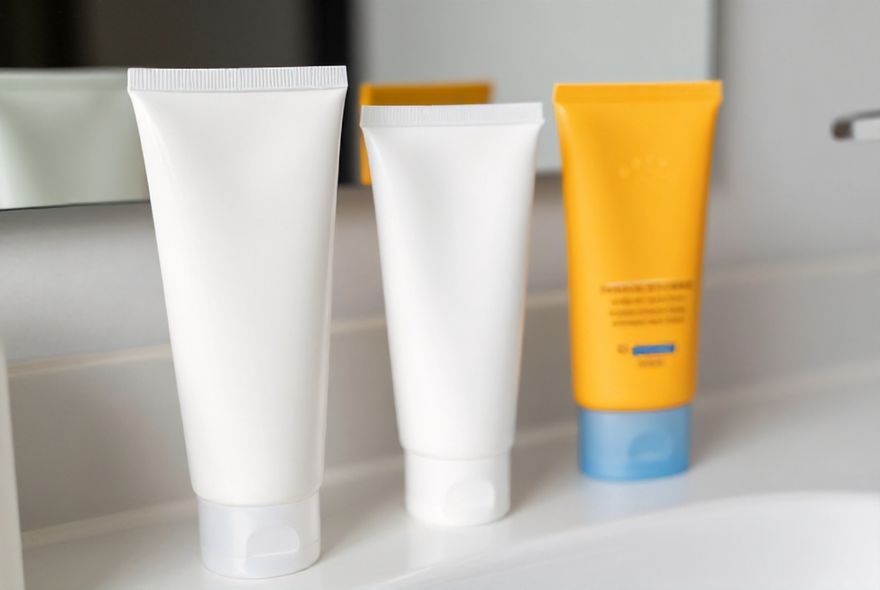
After wading through the sea of serums and moisturizers, it turns out you might not really need those eight elaborate steps in your skincare routine after all. At the heart of glowing skin lies a few basic yet powerful products: a gentle cleanser, a reliable sunscreen, and a moisturizer that delivers hydration with a punch. We’ve debunked the multi-step skincare myth and discovered that many products touted as ‘essentials’ are actually pure marketing strategies crafted to siphon your savings. So, the next time a new ‘miracle’ product winks at you from the shelf, remember that simplicity might be the true secret to your skin’s happiness. Through the maze of choices, the core message remains: prioritize what your skin really needs, not what’s trending.
If you’re itching to clear out your crowded cabinets and embrace a minimalist approach, let’s keep that skin glowing and wallet full! Follow me on Facebook and Instagram for more down-to-earth skincare advice and tips. Plus, don’t forget to subscribe to my updates so you never miss an honest take on the latest beauty craze. Let’s simplify, chat, and laugh at marketing genius together!





Leave a Reply