
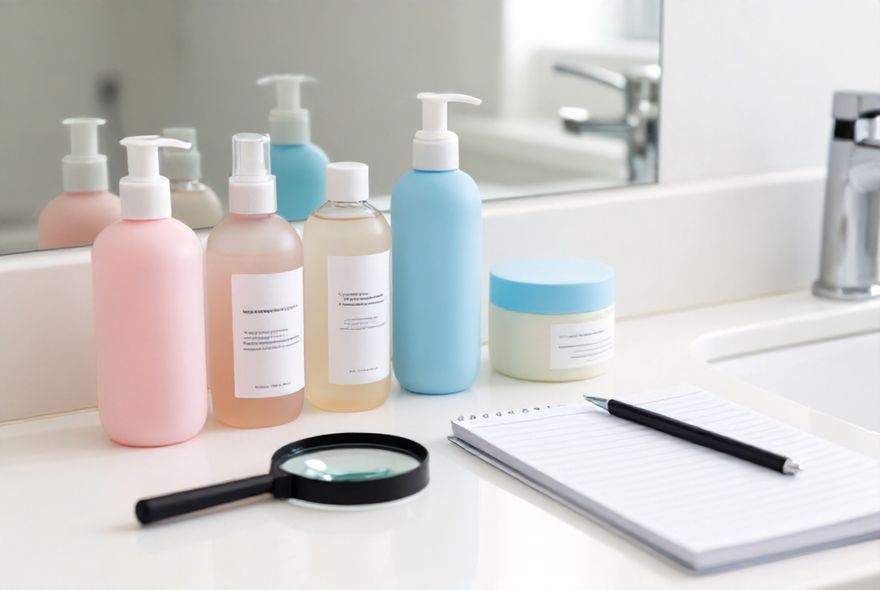
Ever stared blankly at a skincare label, wondering if it’s an ancient spell or just fancy marketing mumbo jumbo? Fear not, dear reader! In “Here’s How To Decode Skincare Labels Like A Beauty Expert,” we’re diving headfirst into the world of cryptic ingredient lists and sneaky marketing jargon. You’ll master the art of distinguishing genuine skincare solutions from those pretty packages designed to seduce your wallet. Who knew skincare could be this fun and enlightening? So, let’s unravel these mysteries and empower your next shopping spree—the right way!
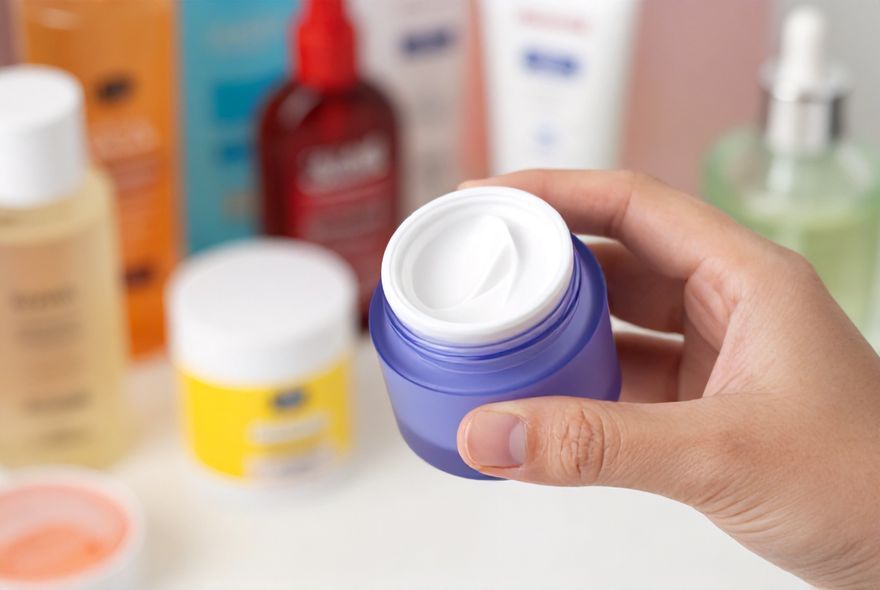
Key Takeaways
- Learn how to read skincare labels like a pro and avoid marketers’ traps.
- Decode the difference between snazzy packaging and real solutions.
- Ingredient lists aren’t scary—I’ll help you break them down.
- Discover which buzzwords are legit and which ones lie to your wallet.
- Stop being duped by ‘all-natural’; find out what truly matters.
- No more guessing—see past the hype and get your skin what it needs.
- Can’t pronounce it? That’s okay—learn which ingredients benefit you.
The Marketing Maze: Why Skincare Labels Are Deliberately Confusing
You know that moment when you’re standing in the skincare aisle, squinting at a bottle that promises to “revolutionize your complexion” with “cutting-edge botanical extracts”? Yeah, we’ve all been there. The truth is, skincare labels are often written in a language designed to dazzle rather than inform. Marketing departments spend millions crafting language that sounds scientific, luxurious, and utterly irresistible—all while keeping the actual ingredient story buried in tiny print. Understanding how to decode skincare labels is your superpower for separating the genuinely effective products from the pretty packaging designed to lighten your wallet. Let’s break down the sneaky tactics brands use and how you can become a savvy skincare detective.
- Ingredient Order Matters More Than You Think: The FDA requires skincare products to list ingredients in descending order by weight. This means that the first few ingredients make up the bulk of what you’re paying for. If water is listed first and your “miracle serum” contains only 1% of the actual active ingredient you’re paying premium prices for, you’ve been played.
- Buzzwords Are Marketing Gold: Terms like “clinically proven,” “dermatologist-tested,” and “hypoallergenic” sound official but often lack regulation. “Hypoallergenic” doesn’t actually mean allergen-free—it just means the brand thinks it’s less likely to cause allergies. Always look for third-party certifications or actual clinical studies backing these claims.
- The “Natural” Trap: “All-natural” ingredients aren’t automatically better or safer. Poison ivy is natural, but you wouldn’t want it on your face. Conversely, synthetic ingredients like niacinamide are lab-created powerhouses backed by solid science. Don’t assume natural equals superior when it comes to skincare efficacy.
- Percentage Transparency Is Rare: While brands must list ingredients in order, they rarely disclose percentages for anything beyond the top ingredients. This means an expensive serum could contain 0.5% of the hyaluronic acid that’s prominently featured on the label—essentially marketing theater with minimal active benefit.
- Fragrance and Essential Oils Hide Dozens of Chemicals: When you see “fragrance” or “parfum” listed, it’s actually a catch-all term hiding up to 3,000 different chemical compounds. Essential oils smell amazing but can irritate sensitive skin. If you’re prone to sensitivity, these hidden ingredients might be your invisible enemy.
Decoding the Ingredient List: From Top to Bottom
Reading a skincare ingredient list is like learning a new language, but once you crack the code, you’ll never buy blindly again. The ingredient list—officially called INCI (International Nomenclature of Cosmetic Ingredients)—is your roadmap to understanding exactly what’s in your jar. The challenge? Ingredients are listed using their scientific names, which can feel like you’re reading ancient Latin. But here’s the good news: once you know what to look for, you can spot quality ingredients versus fillers in seconds. Let’s walk through how to actually read these lists like someone who knows their stuff.
- Water (Aqua) is Usually the Star: If water isn’t the first ingredient, the product’s formula is unusual. Water is the base of most skincare products, serving as a delivery system for active ingredients. Don’t judge a product harshly for having water first—instead, focus on what comes after it.
- Humectants Draw Moisture In: Look for glycerin, hyaluronic acid (sodium hyaluronate), and sorbitol in the top five ingredients if you want genuine hydration. These humectants literally pull moisture from the air and deeper skin layers into your epidermis. They’re the real MVPs of hydrating skincare, far more effective than marketing-friendly terms like “super-hydrating complexes.”
- Emollients Seal and Soften: Ingredients like ceramides, squalane, and plant oils (jojoba, rosehip, argan) seal moisture into your skin. If you have dry skin, these should appear relatively early in your ingredient list. They’re not fancy, but they’re genuinely transformative for skin barrier health.
- Active Ingredients Often Hide in the Middle: Vitamin C, retinol, niacinamide, and alpha hydroxy acids (AHAs) might appear in the middle or even toward the end of the list, but their position doesn’t always reflect their effectiveness. What matters is whether the concentration is high enough to actually work. A product with 10% vitamin C will outperform one listing it fifth but at 0.1% concentration.
- Preservatives Aren’t the Enemy: Ingredients like phenoxyethanol, methylisothiazolinone, or sodium benzoate get bad press, but they prevent your skincare from growing mold and bacteria. Without preservatives, your “natural” product would become a petri dish within weeks. Modern preservative systems are generally safe when used properly.
The Active Ingredients That Actually Deliver Results
This is where skincare gets real—the ingredients that actually do something measurable for your skin. While marketing departments love throwing around exotic-sounding plant extracts and proprietary complexes, the truth is that a handful of well-researched ingredients have genuinely earned their reputation for delivering results. These are the powerhouses that show up in clinical studies, dermatologist recommendations, and the routines of actual beauty experts. When you’re evaluating skincare products, these are the MVPs you should be hunting for. According to research on skincare efficacy, these ingredients consistently outperform their counterparts in clinical settings.
- Retinol and Retinoids: The Gold Standard for Anti-Aging: Retinol (vitamin A) boosts collagen production and cell turnover, making it the most clinically proven anti-aging ingredient on the market. Prescription retinoids like tretinoin work faster, but over-the-counter retinol still delivers real results with consistent use. Fair warning: retinol makes you photosensitive, so SPF is non-negotiable.
- Vitamin C (L-Ascorbic Acid): Brightening and Protective: Not all vitamin C is created equal—L-ascorbic acid is the most effective form, though it’s unstable and expensive. Look for products in opaque bottles, as vitamin C degrades with light exposure. At 10-20% concentration, it genuinely brightens and protects against environmental damage. Cheaper forms like ascorbyl palmitate work but are less potent.
- Niacinamide: The Unsung Hero: This B vitamin is incredibly versatile, reducing inflammation, strengthening your skin barrier, minimizing pores, and regulating sebum production. It’s gentle enough for sensitive skin yet effective enough to make a visible difference. At just 4-5% concentration, it works beautifully—and it’s affordable.
- AHAs and BHAs: Chemical Exfoliation Done Right: Glycolic acid (AHA) and salicylic acid (BHA) dissolve dead skin cells chemically rather than physically scrubbing them away. This means less irritation and better results for most skin types. Look for 5-10% concentrations for effectiveness, and always follow with sunscreen because these ingredients increase sun sensitivity.
- Hyaluronic Acid (Sodium Hyaluronate): The Hydration Heavy-Hitter: This humectant can hold up to 1,000 times its weight in water, making it invaluable for plumping skin and improving texture. It works best when applied to damp skin, so use it right after cleansing while your face is still slightly wet to lock in maximum moisture.
Spotting Red Flags and Greenwashing Tactics
Here’s where things get a bit sneaky. Skincare brands have become masters at making products sound more effective, natural, or luxurious than they actually are. Greenwashing—making a product seem more eco-friendly or natural than it really is—is rampant in the beauty industry. Similarly, misleading claims about efficacy, safety, or sourcing are designed to make you feel good about your purchase while potentially not delivering on promises. Learning to spot these red flags will save you money and your skin from unnecessary experiments. Let’s talk about the manipulation tactics you should watch out for.
- Vague Claims About “Proprietary Complexes”: When a brand touts a mysterious “patented formula” or “exclusive complex” without explaining what it contains, be skeptical. Real innovation is usually transparent about ingredients. If they won’t tell you what’s in it, there’s probably a reason—likely that it’s not as special as they’re suggesting.
- Exaggerated Before-and-After Photos: Professional photography, lighting, and makeup can make any product look miraculous. Real skincare results take time and aren’t as dramatic as marketing photos suggest. If a brand’s before-and-afters look too good to be true, they probably are.
- “Clean,” “Non-Toxic,” and “Chemical-Free” Terminology: These terms aren’t regulated, and they’re often misleading. Everything is made of chemicals—water is a chemical. “Clean beauty” usually just means excluding certain ingredients that may or may not be actually harmful. Don’t let marketing buzzwords override ingredient research.
- Celebrity Endorsements Without Dermatological Backing: Just because a celebrity uses a product doesn’t mean it’s effective or right for your skin. Celebrities are paid to promote products, and they often have access to professional skincare treatments that complement their routines. Their glowing skin might have nothing to do with the serum they’re hawking.
- Overpromising Results and Timelines: Real skincare changes take 4-12 weeks to become visible because that’s your skin’s natural cell turnover cycle. If a brand promises results in days, they’re either exaggerating or the product contains irritants that create temporary plumping through inflammation (not actual improvement).
Understanding Concentrations: Why “It’s In There” Isn’t Enough
This is the secret that separates savvy skincare shoppers from casual buyers. A product can legally list an ingredient on its label even if it contains a microscopic amount—essentially a “we can say it’s in there” loophole. Imagine buying a face cream that lists vitamin C as the fifth ingredient but contains only 0.1%—it’s technically truthful marketing, but practically useless. Understanding effective concentrations transforms you from a label reader into someone who can actually predict whether a product will work. This is where skincare becomes more science than marketing.
- Effective Concentration Ranges Are Researched and Real: Vitamin C needs 10-20% concentration to show visible brightening effects. Retinol works at 0.25-1%. Niacinamide becomes effective at 4-5%. These aren’t random numbers—they’re derived from clinical studies showing where results become measurable and visible. A product listing these ingredients but at lower concentrations is essentially paying for the placebo effect of seeing the ingredient name.
- The “Cocktail Effect” Complicates Things: Sometimes lower concentrations of multiple active ingredients work better than high concentrations of one. A serum with 3% retinol, 5% niacinamide, and 2% hyaluronic acid might outperform a 10% retinol serum for some skin types. This is why ingredient lists matter more than just chasing the highest percentages.
- pH Levels Affect Ingredient Efficacy: AHAs and BHAs need a pH below 3.5 to exfoliate effectively. If a product’s pH is too high (closer to neutral), the active ingredients can’t work as intended. Most brands don’t list pH because they know many products are pH-buffered for comfort rather than efficacy. This is a trade-off between results and irritation.
- Stability and Shelf Life Impact Real Results: Vitamin C degrades with light and air exposure. Retinol becomes less potent over time. If a skincare product has been sitting on a shelf under fluorescent lights for months, its active ingredients might be significantly less potent than when manufactured. Always check manufacturing and expiration dates, and store products in cool, dark places.
- Formulation Type Matters for Delivery: A 5% vitamin C in a lightweight serum penetrates better than 10% vitamin C in a heavy cream. A retinol in an oil base delivers better than in a water-based formula. The vehicle matters as much as the concentration. This is why two products with similar ingredients can have vastly different results based on how they’re formulated.
Reading Between the Lines: What Brands Won’t Tell You
Skincare marketing operates in a gray zone where technically truthful statements can be wildly misleading. Brands carefully craft language to suggest benefits without explicitly claiming them, avoiding FDA regulations while still influencing your purchasing decisions. They use terms like “may help” and “suggest” to imply results without guaranteeing them. Understanding these linguistic tricks is crucial for making informed decisions. You’ve probably noticed how skincare ads seem to promise everything while actually committing to nothing—that’s intentional strategy. Let’s decode the language games that keep your wallet lighter and your skin no better off.
- “May Support” and “Helps” Are Non-Committal Language: When a brand says a product “may support skin hydration” or “helps reduce the appearance of wrinkles,” they’re legally protected from false advertising claims. These phrases suggest benefit without guaranteeing it. Compare this to clinical study language like “significantly reduced wrinkle depth by X percent”—that’s a real claim with measurable outcomes.
- Ingredient Lists Don’t Tell the Whole Storage Story: Products can be manufactured in ways that degrade active ingredients. A serum listing vitamin C might have been exposed to heat or light during shipping, rendering it less potent. Brands aren’t required to disclose storage conditions or how long products sat in warehouses. This is why purchasing from retailers with proper storage practices matters.
- “Dermatologist-Recommended” Isn’t “Dermatologist-Formulated”: A dermatologist recommending a product just means they think it’s fine—not that they created it or that it’s superior to alternatives. Some dermatologists get paid for recommendations, a detail rarely disclosed. Look for products actually formulated by dermatologists or backed by peer-reviewed clinical trials.
- Test Results Are Often Conducted on the Brand’s Products: When a brand claims “clinically proven efficacy,” they usually mean they paid for a study testing their specific formula. Independent studies are rarer and more trustworthy. Also, sample sizes matter—a study on 50 people is less reliable than one on 500 people, but brands rarely highlight this distinction.
- Luxury Pricing Doesn’t Equal Luxury Results: Skincare is one of the few industries where price has almost no correlation with efficacy. A $200 serum might contain the same active ingredients as a $20 alternative, with the price difference being packaging, marketing, and brand prestige. Some expensive products are worth it; many are just expensive.
Building Your Ingredient Watchlist: Personal Skin Chemistry Matters
Here’s something that changes everything: the best skincare product in the world won’t work if it doesn’t match your skin’s specific needs and sensitivities. Your skin chemistry is unique, influenced by genetics, environment, age, and a million other factors. Building a personal ingredient watchlist—knowing which ingredients work beautifully for your skin and which ones cause irritation—is the difference between skincare success and expensive mistakes. This personalized approach beats any generic expert recommendation because it’s tailored specifically to you. Let’s talk about how to identify your skin’s preferences and create a list of ingredients you actively seek out.
- Keep a Skincare Journal to Track What Works: Write down products you use, their key ingredients, and how your skin responds over 2-4 weeks. Note improvements in texture, hydration, clarity, and any irritation. Over time, patterns emerge showing which ingredients genuinely improve your skin and which ones cause problems. This data is more valuable than any influencer recommendation.
- Sensitive Skin Requires Ingredient Avoidance Strategy: If your skin reacts to fragrance, essential oils, or certain preservatives, know your triggers. A product can be genuinely excellent but wrong for your skin. Common irritants include alcohol denat, fragrance, essential oils, and certain botanical extracts. Building a “do not use” list prevents costly trial-and-error experiments.
- Layering Actives Requires Understanding Compatibility: Combining retinol with vitamin C can work beautifully but requires knowing how to space them properly (usually on alternate nights). Mixing acids (AHAs/BHAs) with other exfoliating ingredients risks over-exfoliation and damage. Understanding ingredient interactions prevents skin barrier damage masquerading as “purging.”
- Skin Type Changes Seasonally and With Age: Your skin’s needs aren’t static. Winter might require heavier emollients while summer needs lighter hydration. Hormonal changes, stress, and diet affect skin temporarily. The product that was perfect last year might not be ideal now. Regularly reassessing your ingredient needs prevents product waste and keeps your routine actually effective.
- Patch Testing New Products Prevents Painful Mistakes: Before applying a new product to your entire face, test it on a small area for 3-5 days. This simple step prevents full-face reactions to ingredients your skin dislikes. It’s not glamorous, but it’s the difference between a minor setback and a serious skin barrier disruption.
The Price-to-Performance Reality Check
Let’s talk money, because skincare budgets matter. The skincare industry thrives on the assumption that higher price equals better results, but that’s simply not true. You can find incredibly effective products at every price point, and expensive products often rely on brand prestige and packaging rather than superior formulations. Understanding the actual cost breakdown of skincare helps you make smarter purchasing decisions without feeling like you’re sacrificing quality. For more comprehensive guidance on finding genuinely effective products at various price points, check out our detailed guide to the best skincare products for your skin, which breaks down performance across different budgets. Here’s how to evaluate whether a product is worth its price tag.
- Ingredient Cost vs. Product Cost: The Gap is Massive: The actual ingredients in a skincare product typically cost 10-20% of the retail price. The remaining 80-90% covers packaging, marketing, distribution, and profit margins. A $150 serum with $15 worth of ingredients is banking on brand reputation and marketing spend, not ingredient superiority. Mid-range brands often offer better value because they spend less on luxury packaging and celebrity endorsements.
- Packaging Adds Significant Cost Without Benefit: Airless pump bottles, frosted glass jars, and luxury-feeling containers can add $5-15 to a product’s cost. These don’t make the formula better—they just look nice on your bathroom shelf. If you’re trying to maximize skincare efficacy per dollar, simpler packaging often means more budget allocated to actual ingredients.
- Brand Size and Supply Chain Affect Pricing: Smaller indie brands might charge premium prices because they can’t achieve economies of scale. Massive corporations might charge less despite higher ingredient quality because they manufacture in huge volumes. Neither price nor brand size guarantees efficacy—actual ingredients and concentrations do.
- Drugstore Brands Often Outperform Luxury Counterparts: Clinical studies consistently show that inexpensive drugstore moisturizers and sunscreens perform as well as luxury alternatives costing 5-10 times more. The ingredient list is what matters, not the prestige of the brand name. Your skin doesn’t care about the bottle’s aesthetic; it cares about the formula inside.
- Price Anchoring Affects Your Perception of Value: When you see a $200 serum next to a $30 alternative with similar ingredients, your brain assumes the expensive one works better. This price anchoring bias is why luxury brands can charge premium prices—they’ve trained us to believe higher price means better results. Don’t fall for this. Compare ingredient lists and concentrations, not price tags.
Making Your Final Decision: The Expert Checklist
You’ve learned how to decode labels, understand active ingredients, spot marketing tricks, and evaluate pricing. Now it’s time to pull it all together into a practical decision-making framework. When you’re standing in front of two products that both claim to solve your skincare concern, having a checklist prevents impulse purchases and ensures you’re choosing based on actual ingredient quality, not marketing appeal. This is your skincare decision superpower. Use this framework every time you’re considering a new product, and you’ll make purchases you actually love instead of regretting.
- Ingredient List Check: Does the product contain active ingredients proven to address your specific concern? Are these ingredients listed early enough (usually top 10) to be present in meaningful concentrations? If you don’t recognize most ingredients, research them before buying—don’t let fancy scientific names intimidate you into skipping this step.
- Concentration Verification: Does the product disclose concentrations of key active ingredients? If not, can you find this information from the brand or third-party reviews? Aim for proven effective concentrations: 10-20% vitamin C, 0.25-1% retinol, 4-5% niacinamide, 5-10% AHAs/BHAs. Lower concentrations might still work, but they’re less likely to deliver noticeable results.
- Compatibility Assessment: Will this product work with your current routine or conflict with existing ingredients? Does it require additional sun protection or special storage? Will it work for your skin type and sensitivity level? One product can’t be everything—understand what it’s designed to do and whether that aligns with your needs.
- Third-Party Validation Search: Before purchasing, spend 10 minutes searching for independent reviews, dermatologist recommendations, or clinical study results. Real user reviews on trusted platforms often highlight issues luxury marketing hides. Look for patterns in feedback, not just individual 5-star or 1-star reviews.
- Return Policy and Patch Test Plan: Can you return the product if it doesn’t work for your skin? Plan to patch test for 3-5 days before full-face application. If a brand doesn’t offer returns or seems offended by the idea that a product might not work for everyone, that’s a red flag about their confidence in the actual formula.
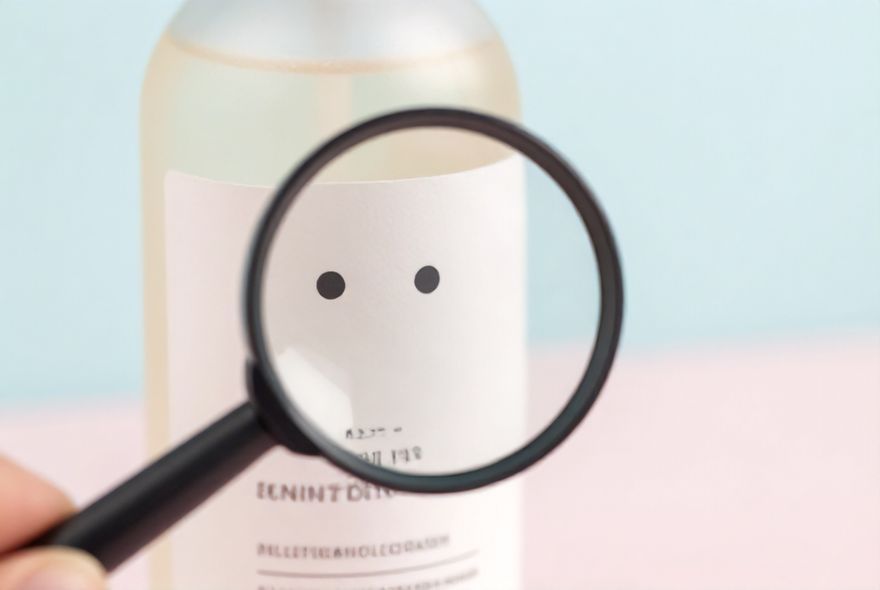
Decoding skincare labels might not be on your bucket list right next to skydiving or swimming with sharks, but it should be! By learning how to read ingredient lists and navigate marketing jargon, you’re equipping yourself with the tools to choose skincare products that actually do what they promise. Bye-bye empty promises, hello radiant skin! The art here is distinguishing the genuine skincare solutions from the clever packaging designed to whisk money from your wallet without a trace. Whether it’s parsing the never-ending list of chemicals that sound like they belong in a sci-fi movie or unravelling the claims that come with a healthy dose of skepticism, you’ve got this.
Now that you’re armed with all this newfound skincare savvy, how about putting it to the test? It’s time to cleanse, tone, and moisturize your way to becoming the skincare guru you were always destined to be. Share your label-decoding adventures with us and join a community that’s all about keeping it real when it comes to self-care. Head over to Facebook, Instagram, and connect with fellow skincare detectives. Let’s chat, swap tips, and maybe even giggle at our past skincare blunders together!





Leave a Reply