
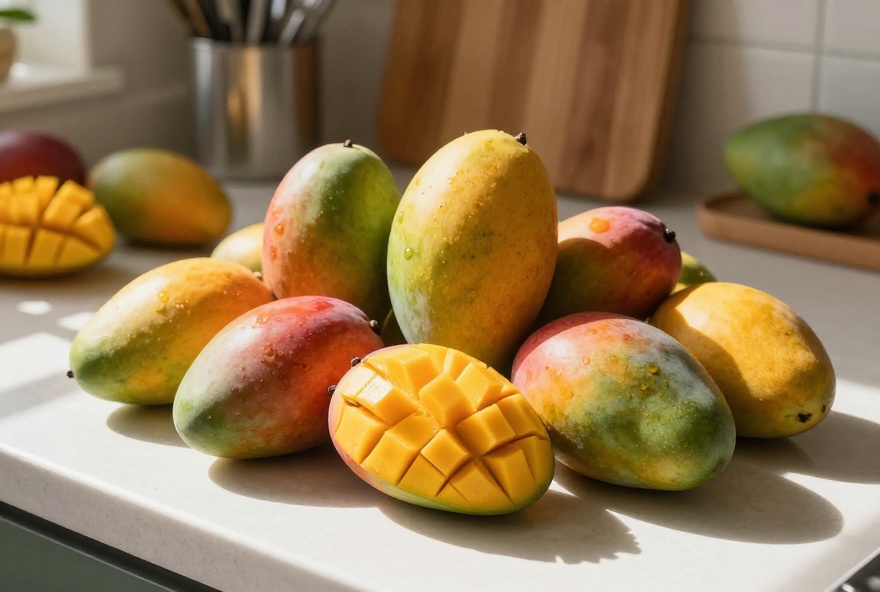
Ever picked a mango that tasted like cardboard? Let’s fix that! In “How To Choose The Perfect Mango Variety For Your Recipe,” we’ll guide you through the juicy world of mangoes, helping you master the art of selecting the right variety for your culinary masterpiece. After all, not all mangoes are created equal, and your recipe deserves the best. Ready to dive in?
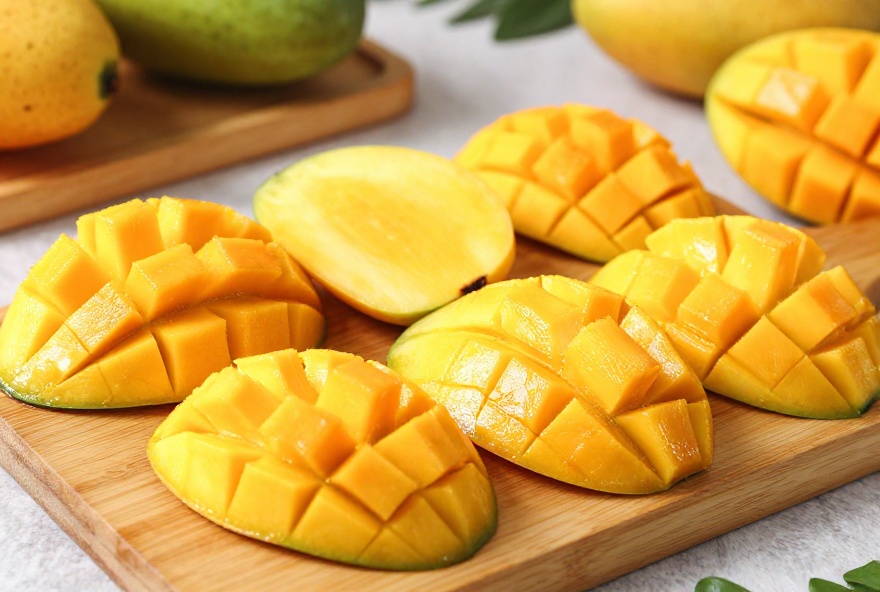
Key Takeaways
- Discover why all mangoes aren’t created equal.
- Boost your recipes with the perfect mango match!
- A hint of humor—ever had a mango disaster?
- Sweet, tangy, or floral? Pick your flavor!
- The right mango can elevate your culinary game.
- Say goodbye to bland with the right mango variety!
Understanding Why Mango Variety Matters in Your Kitchen
Here’s the thing—walking into a grocery store and grabbing whatever mango looks pretty is basically cooking blind. You know that moment when a recipe calls for mangoes and you end up with something that tastes more like fiber than fruit? Yeah, that’s because not all mangoes are created equal, and choosing the right variety can completely transform your dish. Whether you’re whipping up a smooth mango lassi, crafting the perfect salsa, or baking a decadent mango cake, the variety you pick makes all the difference. Let’s talk about how to choose the perfect mango variety for your recipe so you nail it every single time.
- Different mango varieties have distinct flavor profiles—some are sweet, others tangy, and some offer a creamy texture that’s pure heaven
- Fiber content varies dramatically between varieties, affecting how your dish turns out
- Sugar levels and acidity play major roles in both raw consumption and cooked applications
- Regional availability means knowing what’s in season helps you grab the best quality at your local market
The Sweet Spot: Best Varieties for Desserts and Sweet Dishes
When you’re baking or making desserts, you want mangoes that bring serious sweetness and creaminess to the party. Think about it—if your mango tart tastes bland, your guests won’t come back for seconds. We think the key here is picking varieties that have naturally high sugar content and a buttery texture. These mangoes are basically nature’s candy, and they’ll make your desserts absolutely sing.
- Alphonso mangoes are the rockstars of the dessert world—creamy, fragrant, and packed with natural sweetness that needs minimal added sugar
- Ataulfo mangoes bring a honey-like flavor that’s perfect for mango cheesecakes, mousses, and ice creams
- Why go for Kesar mangoes? Because their golden color and rich, aromatic taste make any dessert look and taste Instagram-worthy
- Honey mangoes live up to their name with a taste that’s literally like eating concentrated sweetness—ideal for glazes and compotes
Fresh and Bright: Varieties Perfect for Salsas and Raw Applications
Now, if you’re making fresh mango salsa, ceviche, or just serving sliced mangoes at brunch, you need varieties that pack a punch of flavor without being overly mushy. Raw applications demand mangoes with firm flesh, good acidity, and that bright, tropical punch that makes your taste buds wake up. You want something that holds its shape and doesn’t turn into mush the second you cut into it.
- Ataulfo mangoes strike the perfect balance—firm enough to slice thin, with a flavor that’s both sweet and slightly tart
- Kent mangoes are your go-to for salsas because they’re less fibrous and hold their structure beautifully when diced
- Why pick Tommy Atkins? They’re sturdy, have lower fiber content, and their mild sweetness won’t overpower other ingredients in your salsa
- Manila mangoes bring a delicate, aromatic quality to raw dishes—use them when you want something elegant and understated
Smoothies and Beverages: Finding Mangoes That Blend Like a Dream
Making mango lassi, smoothies, or blended drinks is where texture really matters. You don’t want to end up with a stringy nightmare in your blender—trust me, there’s nothing fun about fishing mango fibers out of your smoothie. The best varieties for beverages are those with creamy flesh and minimal fiber content. These blend into silky, luxurious drinks that taste like you hired a professional barista.
- Alphonso mangoes are basically liquid gold when blended—they create that creamy, velvety texture that makes smoothies irresistible
- Langra mangoes (also called Dussehri in some regions) have low fiber and sweet flavor that’s perfect for traditional mango drinks
- Does your beverage need tropical punch? Grab Keitt mangoes—they’re larger, juicier, and less fibrous than many alternatives
- Chaunsa mangoes blend into buttery drinks with floral undertones that elevate your beverage game instantly
Cooking and Curries: Varieties That Hold Up to Heat
When you’re tossing mangoes into curries, chutneys, or cooked dishes, you need varieties that won’t disintegrate into mush the moment they hit the pan. Cooking demands mangoes with firmer flesh and enough acidity to balance rich spices. Think of it like casting actors—some varieties are scene-stealers that shine through any sauce, while others fade into the background. You want the stars of your dish to actually perform.
- Totapuri mangoes are practically made for cooking—firm flesh, high acidity, and they maintain their shape beautifully through simmering and sautéing
- Langra mangoes bring subtle sweetness to curries without overpowering spice blends
- Why use Badami mangoes in your savory dishes? Their balanced sweetness and slight tang complement complex curry spices perfectly
- Mallika mangoes stay firm during cooking and offer a pleasant tartness that brightens heavy, creamy sauces
Reading the Signs: How to Pick Ripe Mangoes of Any Variety
Okay, so you’ve figured out which variety to buy—now comes the tricky part. Picking a truly ripe mango is like a little treasure hunt at the supermarket. Different varieties give different signals when they’re ready to eat, and knowing these clues means you’ll never bite into a hard, flavorless mango again. We think this is where most people slip up, so let’s get specific about what to look for.
- Gentle pressure test: A ripe mango yields slightly to palm pressure without being mushy—think “avocado texture,” not “overripe banana”
- Aroma matters more than you’d think—sniff near the stem end, and if it smells fragrant and fruity, you’re golden
- Color varies wildly by variety, so don’t rely on it alone. Some mangoes stay green when ripe, others turn red or yellow
- The skin should feel smooth and unblemished—dark spots or wrinkles mean the fruit is past its prime
Storage and Timing: Making Your Mango Choice Last
Here’s something nobody talks about enough—buying the right mango variety also means understanding how long it’ll last before you need to use it. Some varieties are built for speed (eat them today), while others are patient waiters that’ll stick around for several days. If you’re planning ahead, this matters big time. You don’t want to buy premium Alphonso mangoes on Monday if you’re not using them until Friday.
- Quick-ripening varieties like Manila and Ataulfo are perfect for same-week use—grab them when you’re ready to cook
- Langra and Totapuri mangoes have better staying power and can wait patiently in your fruit bowl for up to a week
- Room temperature ripening takes 2-4 days depending on variety—speed it up by placing them in a paper bag with a banana
- Once ripe, move them to the fridge to extend their life by several more days without compromising flavor or texture
Regional Varieties and Where to Find Them
The mango world is genuinely vast—there are hundreds of varieties grown across different regions, and each one brings something special to the table. Your local market probably stocks only a fraction of what’s available globally, but knowing what’s seasonal and regional helps you make smarter choices. You don’t need to memorize every variety, but understanding what grows where and when sets you up for success in your kitchen.
- Indian varieties like Alphonso, Langra, and Chaunsa dominate the premium market and are worth seeking out when available
- Philippine mangoes including Carabao (also called Ataulfo) are buttery and creamy—look for them in Asian markets
- Mexican varieties such as Ataulfo and Kent are widely available in North America and excellent for multiple applications
- Seasonal timing means mango season varies by region—spring/summer in most places, but some varieties show up year-round
For deeper insights on mango varieties and their culinary applications, check out this comprehensive guide that breaks down everything you need to know about choosing mangoes like a pro.
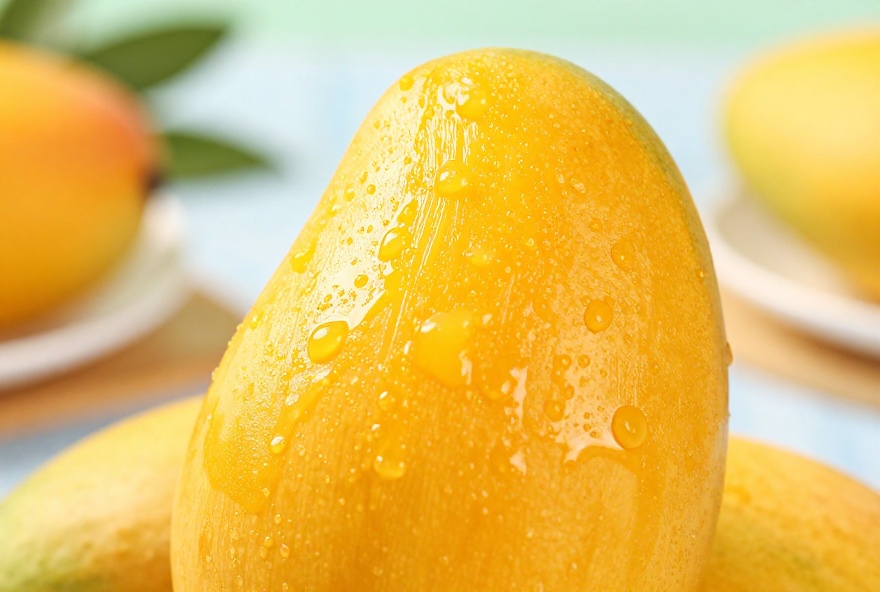
Choosing the right mango variety can transform any dish from decent to delightful. By understanding the distinct textures and flavors unique to varieties like the sweet, juicy Alphonso or the tangy, firm Tommy Atkins, you ensure your culinary masterpiece reaches its full potential. Yes, mangoes can be just as nuanced as your favorite wine—each with its unique flair. Remember, picking the right mango isn’t just about sweetness but also about enhancing your recipe’s profile, because every dish deserves only the most impeccable taste choices.
Ready to become the master of mango selections? Dive into our flavor-filled journey and find that perfect variety for every recipe. Don’t let another meal go mango-less! Follow us on Facebook and Instagram for more mouth-watering insights, and trust us, your kitchen (and taste buds) will thank you. Let’s make every dish a mango masterpiece today!





Leave a Reply