
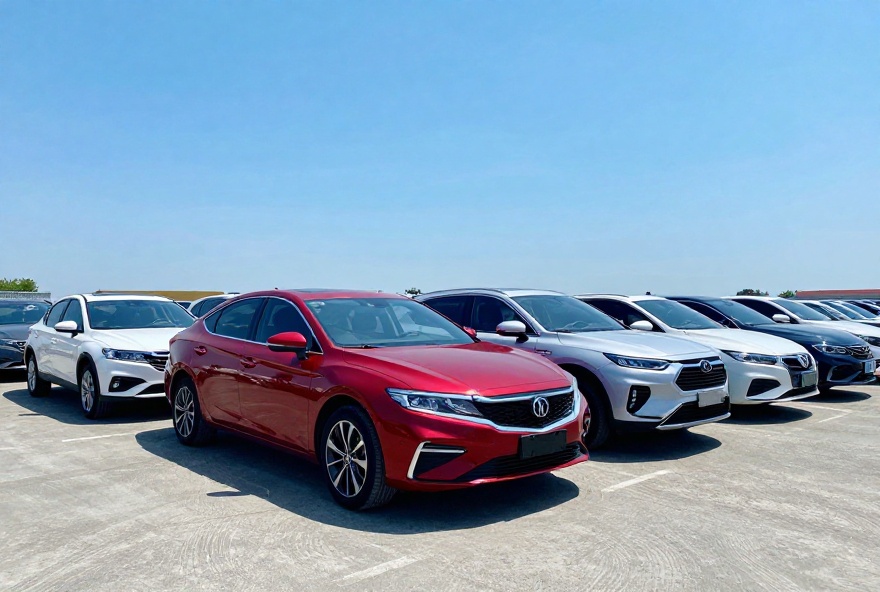
Ever been wooed by a snazzy used car, only to find out it’s got more quirks than your eccentric uncle? In ‘How To Inspect A Used Car Before Buying One’, we’ll take you on a joyride through spotting hidden hiccups in pre-owned vehicles. Think of it as your ultimate inspection roadmap—one that might just save you from car calamities and hefty bills. Fasten your seatbelt and let’s drive into the details!
Key Takeaways
- Spot hidden car problems like a pro with this inspection guide.
- Catching red flags early means saving big dollar bills later.
- Get the lowdown on what to check before you sign those papers.
- Your wallet will thank you for spotting the lemons among the gems.
- Think you know used cars? Think again after reading this!
- Learn the do’s and don’ts of inspecting a used car.
Why A Pre-Purchase Inspection Saves You Thousands
You know that sinking feeling when you realize you’ve made a terrible financial decision? Buying a used car without proper inspection is basically asking for that feeling. Here’s the thing—most people walk onto a lot, fall in love with a shiny exterior, and sign papers without understanding what’s lurking beneath. A comprehensive inspection roadmap isn’t just smart; it’s essential. When you inspect a used car before buying, you’re essentially giving yourself permission to walk away from a lemon. We’re talking about potentially saving thousands by catching red flags early, before you’re legally bound to that money pit.
- Hidden mechanical issues cost an average of $1,500–$5,000 in repairs post-purchase—don’t let that be you.
- A thorough pre-purchase inspection takes 2–3 hours but prevents months of headaches and wallet pain.
- Spotting hidden problems early gives you leverage to negotiate a better price or walk away entirely.
- Most dealerships expect savvy buyers to inspect—it’s part of the game, so don’t skip it.
The Exterior: What The Paint Tells You
Alright, let’s start with what you see first—the body. The exterior isn’t just about aesthetics; it’s a storyteller. Mismatched paint, rust, or uneven panel gaps? These aren’t cosmetic quirks—they’re red flags screaming accident history or poor maintenance. When you inspect a used car’s exterior, you’re reading its autobiography. Faded paint in one area suggests a previous repair, and that matters because it hints at how the car was treated before landing in front of you.
- Run your hand along panels to feel for ripples or dents that suggest previous collision work.
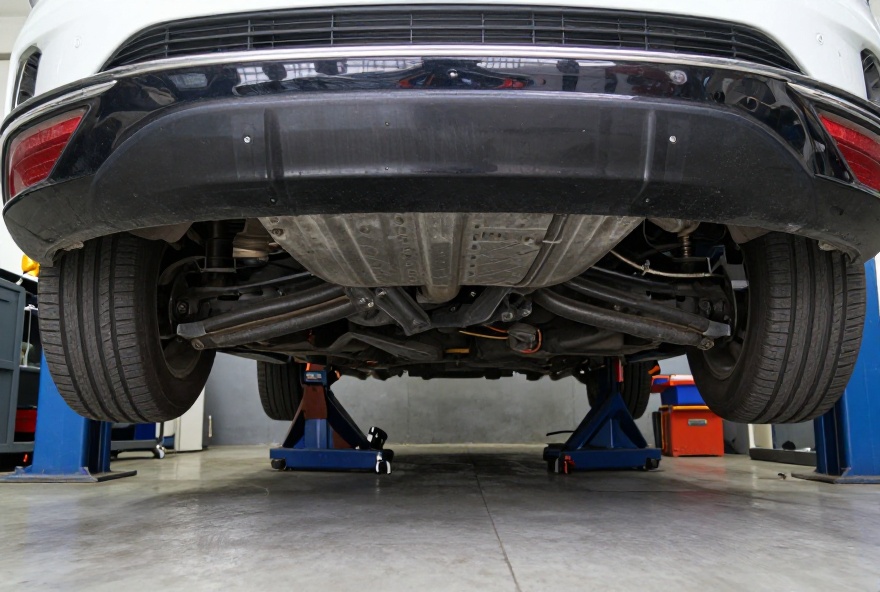
- Check for rust in wheel wells, undercarriage, and door edges—this stuff spreads faster than gossip at a family dinner.
- Mismatched paint colors across panels? That’s often a sign of repainting after an accident, so ask questions.
- Inspect trim, moldings, and weather stripping for cracks or gaps indicating age or poor repairs.
Under The Hood: Decoding The Engine Bay
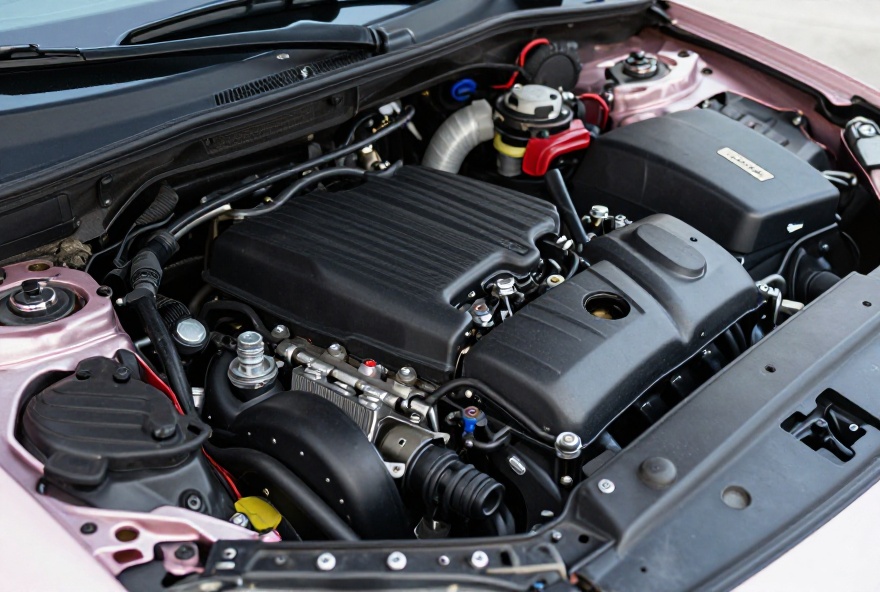
Pop that hood and take a deep breath—literally and figuratively. The engine bay reveals so much about a vehicle’s history and current condition. You don’t need to be a mechanic to spot obvious issues, and honestly, that’s why you should bring one along. Look for leaks, corrosion, and general cleanliness. A spotless engine bay might seem impressive, but sometimes it’s masking problems. When inspecting a used car, the engine bay is where hidden problems often hide, so pay attention to fluid levels, hose conditions, and any signs of repair work.
- Check all fluid levels (oil, coolant, brake fluid, transmission fluid) and look for discoloration or leaks underneath.
- Inspect belts and hoses for cracks, fraying, or brittleness—these are cheap to replace but critical for performance.
- Look at battery terminals for corrosion and check the battery date; replacements run $100–$200.
- Examine spark plugs and air filters; excessive buildup suggests neglected maintenance history.
The Chassis And Suspension: Test The Bounce
Here’s a fun trick that separates casual buyers from serious inspectors—the bounce test. Push down on each corner of the vehicle and release. It should bounce once or twice and settle. If it bounces repeatedly? Suspension issues. The chassis and suspension system are responsible for ride quality and safety, and problems here aren’t cheap fixes. When you inspect a used car’s suspension, you’re checking whether the previous owner treated it like a family vehicle or a weekend thrill ride.
- Press down firmly on each corner; excessive bouncing indicates worn shocks or struts needing replacement ($400–$1,500 per corner).
- Spin the wheels and listen for grinding or clicking sounds suggesting brake or wheel bearing problems.
- Inspect brake pads visually through wheel spokes; thin pads mean imminent replacement costs.
- Look for uneven tire wear patterns—this reveals alignment issues or aggressive driving habits.
The Interior: Clues Hidden In Plain Sight
Don’t overlook the cabin—it’s practically a time capsule of how someone lived with this car. Stains, odors, and worn controls tell stories about maintenance habits and driving intensity. You know that new car smell? If a used car smells aggressively fresh, someone’s trying to cover something up. When you inspect the interior, you’re not just checking comfort; you’re understanding whether the previous owner cared for this vehicle like a prized possession or treated it like a rental.
- Check dashboard for cracks, which worsen over time and indicate sun damage or age-related deterioration.
- Test all electronics—windows, locks, climate control, infotainment—because repairs add up fast.
- Examine seat condition for tears, stains, or excessive wear suggesting heavy use or neglect.
- Smell for persistent odors masking mold, pet damage, or water intrusion—all expensive problems lurking beneath.
The Test Drive: Listen And Feel Your Way To Truth
The test drive is where everything comes together. Sure, a car can look perfect sitting still, but put it in motion and problems reveal themselves. Listen for strange noises, feel for vibrations, and pay attention to how it handles. During the test drive phase of your inspection roadmap, you’re experiencing the vehicle in its natural habitat. This is where you catch transmission hesitation, brake issues, or engine knocking that no static inspection reveals.
- Listen for clunking, grinding, or knocking sounds from the engine, transmission, or suspension during acceleration and braking.
- Feel for brake responsiveness and any soft or spongy pedal sensation—this suggests brake system problems.
- Test steering feel; excessive play or vibration at highway speeds indicates alignment or suspension wear.
- Accelerate onto a highway and listen for transmission smoothness; hesitation or rough shifts are red flags.
Documentation And History: The Paper Trail Never Lies
Here’s something many people gloss over—the paperwork. A vehicle history report is your best friend when buying used. Request the Carfax or AutoCheck report before purchasing; these reveal accidents, title issues, and service records. When you inspect a used car, you’re not just looking at the physical machine—you’re investigating its documented past. Multiple accident reports, title problems, or inconsistent service records? Walk away. This is where you catch the real hidden problems that no physical inspection alone can reveal.
- Pull a history report showing accident records, title status, and odometer readings across time.
- Review maintenance records from the dealership or previous owner; regular servicing suggests responsible ownership.
- Verify the title isn’t salvaged, branded, or flooded—these designations tank resale value.
- Cross-reference reported mileage with service records; suspicious jumps indicate odometer fraud or missing maintenance.
Bringing In A Professional: When To Call For Backup
Look, we all have limits. Unless you’re mechanically inclined, hire a pre-purchase inspection from a trusted mechanic. This typically costs $100–$300 but could save you thousands. A professional brings expertise, diagnostic tools, and an unbiased eye. When you inspect a used car with a certified technician, you’re getting a detailed report highlighting issues you might miss. Think of it as insurance against making a costly mistake—because honestly, it absolutely is.
- Independent mechanics often provide more thorough inspections than dealership mechanics with sales incentives.
- Ask the mechanic for a written report detailing findings, estimated repair costs, and safety concerns.
- Use the report as negotiation leverage; most sellers expect price adjustments after major issues surface.
- Don’t skip this step on “great deals”—those are often where problems hide deepest.
Red Flags That Demand Walking Away
Sometimes the smartest purchase is the one you don’t make. Certain issues are dealbreakers—not because they can’t be fixed, but because the repair costs or underlying problems make the deal unsustainable. When you inspect a used car and encounter these warning signs, trust your gut. Your inspection roadmap should include knowing when to say “thanks, but no thanks.” Spotting hidden problems is great, but knowing which problems are too big to tackle is wisdom.
- Frame damage or structural issues from major accidents—these compromise safety and hide expensive repairs.
- Flood damage indicators like water stains, mold, or musty smells; electrical problems from flooding are unpredictable.
- Engine knocking or overheating issues suggesting internal damage requiring engine replacement ($3,000–$8,000).
- Transmission slipping or hesitation; automatic transmission repairs run $1,500–$4,000 minimum.
For more detailed guidance on vehicle inspection practices, check out this comprehensive resource that breaks down the process step-by-step.
Conclusion
Inspecting a used car before buying can seem daunting, but with a roadmap in hand, you’re equipped to dodge those sneaky, costly pitfalls. From scrutinizing exterior paint to popping the hood for a good mechanic’s view, every inch of that pre-owned vehicle holds a story worth uncovering. Remember, knowledge is power, and in this case, it’s the key to saving thousands and putting your mind at ease. This guide has walked you through the details, empowering you to catch those red flags and make an informed decision. Safety’s not just in the roads you drive, but in the ride you choose.
Ready to rev up your car-buying confidence? Put this inspection roadmap to the test and steer clear of any buyer’s remorse. While you’re at it, why not share your car-inspecting adventures with us on Instagram or boast about your newfound skills on Facebook? Because let’s face it, who doesn’t love a savvy car buyer?





Leave a Reply