
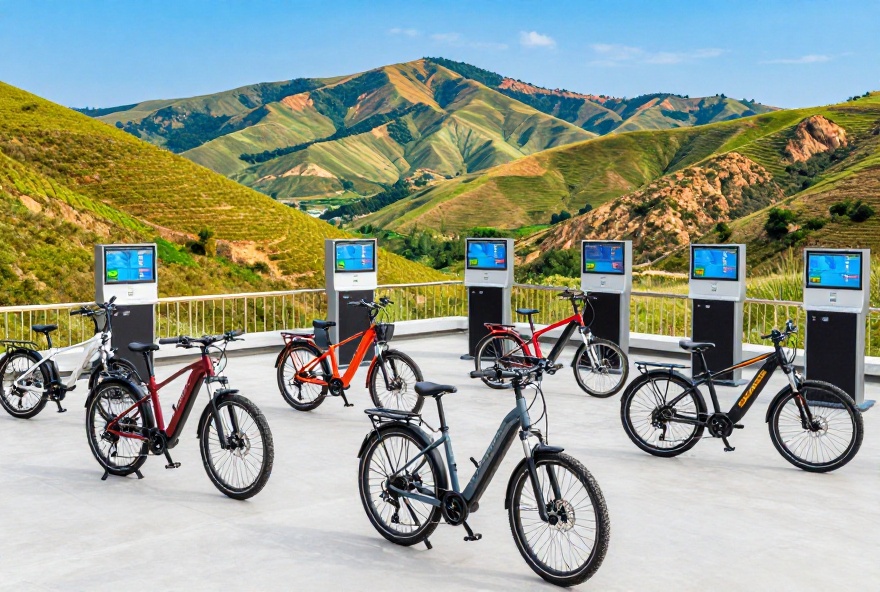
Ever been pumped about an e-bike’s specs only to end up feeling tricked faster than a cartoon character on a banana peel? In ‘Do You Know These Hidden E-Bike Weight and Range Lies’, we expose the fine art of manufacturers gaming specs under perfect conditions. We’ll dive into how those dreamy numbers actually stack up against your local hills and daily rides. Ready for some honest ebike talk?
Key Takeaways
- Manufacturers often inflate e-bike range by testing under ideal conditions—like flat terrain and no wind.
- Learn how weight specs are commonly perceived versus reality for e-bikes. It’s all about that uphill struggle!
- Discover realistic e-bike range estimates based on your terrain and riding habits so you never run out of juice.
- Avoid getting duped by knowing which manufacturers’ claims are just marketing fluff.
- Get savvy about discrepancies in e-bike specs—knowledge is power, and power equals range!
- From pavement to trails, understand how conditions can drastically affect your e-bike’s performance.
The Great E-Bike Range Myth
You know that moment when you’re scrolling through e-bike specs and see “100-mile range” plastered all over the listing? Yeah, we need to talk about that. Manufacturers love throwing out these optimistic numbers, but here’s the thing—those ranges are tested under perfect conditions that basically don’t exist in real life. We’re talking flat terrain, gentle pedaling, ideal weather, and a rider who weighs exactly what the manual says. If you actually want realistic numbers for your commute or weekend adventures, buckle up because the truth is way different from the marketing speak.
- Perfect Conditions Aren’t Real: Factory range tests use flat, smooth terrain with zero headwind, optimal battery temperature, and minimal throttle use—basically a laboratory fantasy.
- Your actual range could be 30-50% lower depending on hills, weather, and how aggressively you ride—factors manufacturers conveniently ignore when they’re promoting their specs.
- Battery Degradation Over Time: That advertised range? It’s based on a brand-new battery. After a year or two, you’re looking at 10-20% less capacity, though the spec sheet never mentions this reality.
- Temperature matters way more than most riders realize—cold weather can slash your range by up to 40% since lithium batteries are basically grumpy in the winter.
Weight Specifications: The Fine Print Nobody Reads
Let’s be real—when an e-bike brand advertises a weight, they’re often being creative with what counts and what doesn’t. You’ll find bikes listed as “lightweight” at 45 pounds, but that’s just the frame and motor without pedals, the display unit, or sometimes even the battery. It’s like saying a car weighs 2,000 pounds when you exclude the wheels and engine. Understanding what to avoid when buying an ebike means digging into these sneaky weight games.
- Battery Weight Is Often Hidden: Some manufacturers list the bike without the battery or claim a lighter battery option that barely holds a charge—read the fine print before you get surprised at the store.
- Pedals, kickstands, fenders, and lights are sometimes listed separately, making the actual bike you’ll ride feel heavier than advertised.
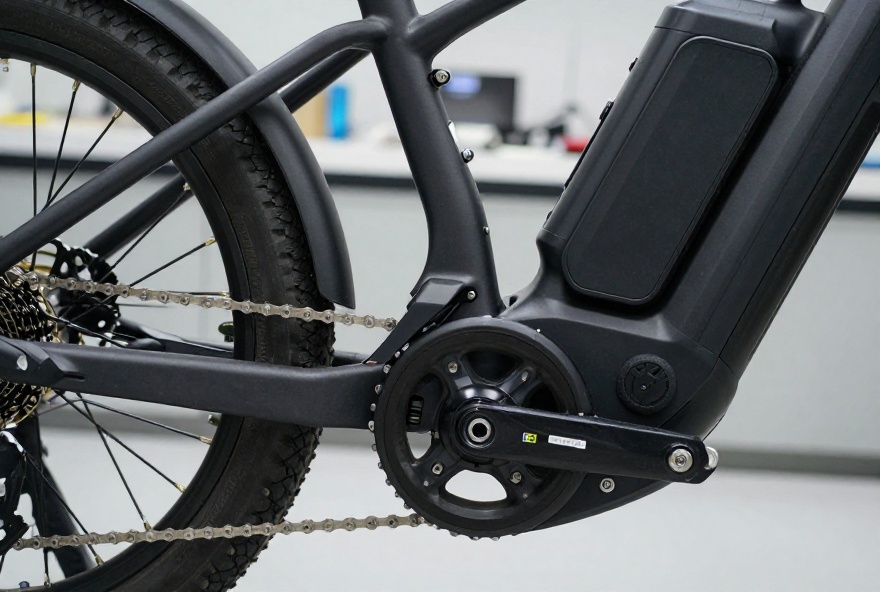
- Motor Type Changes Everything: A mid-drive motor system will feel and weigh differently than a hub motor, but manufacturers often downplay this distinction in their marketing.
- Real-world weight includes everything you’ll actually carry—the battery, display, brakes, and all the other components that make it rideable.
Terrain is Your Silent Range Killer
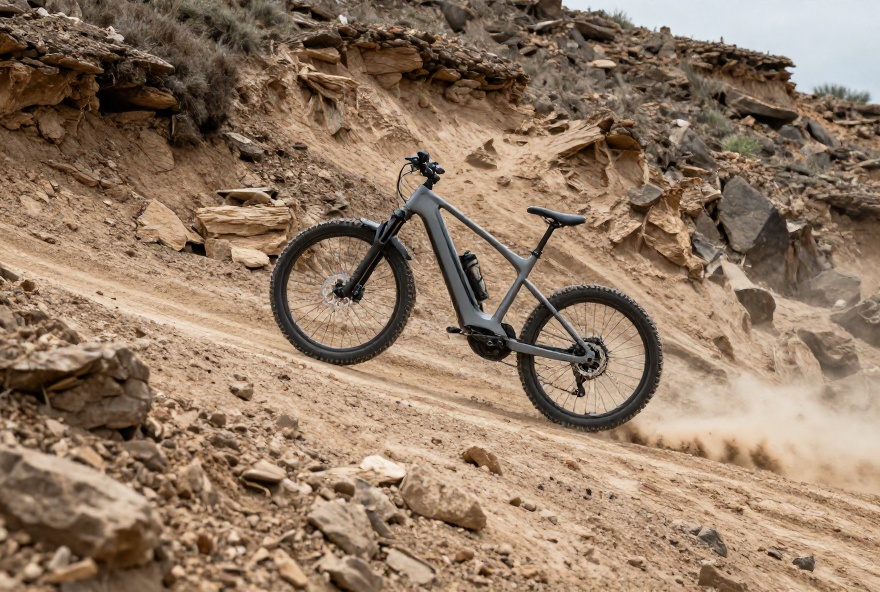
Here’s something manufacturers won’t tell you at the showroom: where you actually ride matters more than almost anything else. An e-bike tested on pancake-flat ground will perform wildly differently on hilly terrain, gravel paths, or city streets with constant stop-and-go traffic. If you live in a mountainous area or even just moderately hilly suburbs, that advertised range is basically fiction. This is crucial knowledge when trying to figure out what to avoid when buying an ebike, because terrain directly impacts whether you’ll make it home on a single charge.
- Hills Drain Battery 2-3x Faster: Every 100 feet of elevation gain burns significantly more power than cruising on flat ground—something the spec sheets completely ignore.
- Gravel and rough surfaces create rolling resistance that eats into your range faster than smooth pavement ever would.
- Urban Riding Patterns Kill Efficiency: Constant acceleration, braking, and stop-light waiting uses way more battery than the steady cruising speed that manufacturers test for.
- Headwind conditions can reduce your range by 15-25%, yet no manufacturer tests their bikes into the wind for honest numbers.
Rider Weight and Riding Style: The Variables Nobody Controls
Here’s the uncomfortable truth that manufacturers definitely don’t emphasize—your weight and how you ride the bike dramatically changes everything. A 150-pound rider on flat terrain with gentle pedaling will get completely different results than a 250-pound rider tackling hills with aggressive throttle use. The “average rider” assumption in e-bike specs is usually around 165-180 pounds, but if you’re outside that range, your experience will vary significantly. Your actual riding style—whether you’re pedal-assisting gently or hammering the throttle constantly—makes the advertised range almost meaningless.
- Every additional 50 pounds of rider weight reduces range by approximately 5-10%, a calculation manufacturers conveniently exclude from their marketing.
- Throttle vs. Pedal-Assist Mode: Using throttle-only mode burns battery 3-4 times faster than pedal-assist, yet specs often assume light pedal-assist usage.
- Riding style consistency matters—aggressive acceleration and hard braking reduce efficiency way more than steady, moderate riding patterns.
- Cargo Changes Everything: Carrying a backpack, groceries, or a child seat adds weight and wind resistance that the spec sheet never accounted for.
Temperature and Seasonal Riding Reality
Weather is basically the villain in the e-bike range story, and it’s one that manufacturers barely mention. Cold temperatures are particularly brutal on lithium batteries—the chemical reactions inside literally slow down when it’s freezing outside. We’re not just talking about a minor 5% reduction either; winter riding can slash your range by nearly half compared to summer conditions. If you live somewhere with real winters or even just cool mornings, those summer-tested range numbers become nearly useless for most of the year.
- Cold Weather Cuts Range Dramatically: Below 32°F, expect 30-40% less range as battery chemistry slows down and becomes less efficient.
- Wet conditions increase tire rolling resistance and motor load, reducing range even when temperature isn’t the issue.
- Heat Is Also a Battery Enemy: Extreme heat (above 95°F) degrades battery health faster and reduces range in the moment.
- Pre-warming your battery in cold weather helps, but manufacturers won’t tell you this trick because it’s not in their perfect lab conditions.
Motor Efficiency Claims That Don’t Add Up
E-bike motors come with efficiency ratings that sound impressive until you realize they’re measured under extremely controlled laboratory conditions. A motor rated at “95% efficient” still loses power through the drivetrain, and that efficiency number doesn’t account for real-world variables like loose chains, dirty components, or the power needed to overcome air resistance at higher speeds. When manufacturers claim their motor provides “consistent power delivery,” they’re usually testing at a constant speed on perfect terrain—nothing like actual riding.
- Motor efficiency ratings ignore drivetrain losses from the chain, gears, and bearings that consume 5-15% of motor power in reality.
- Speed Matters More Than Advertised: Higher speeds require exponentially more power, so that 100-mile range at 15 mph becomes 50 miles at 25 mph.
- Motor lag and ramp-up time during acceleration uses extra battery power that the efficiency specs completely overlook.
- Controller Settings Change Everything: Mid-drive motors with multiple assist levels will have wildly different range depending on which mode you’re using—a detail buried in the manual.
Battery Health and Charging Habits Nobody Discusses
Your battery’s real-world range depends heavily on how you treat it, and manufacturers definitely won’t take responsibility for that. Constantly charging to 100% or letting it drain to zero, storing it in extreme temperatures, or exposing it to moisture all degrade battery health faster than the spec sheet predicts. Most e-bike batteries are rated for 500-1,000 charge cycles, but that number assumes perfect conditions and proper care. In reality, how you charge and store your bike makes the difference between getting 80% of advertised range after two years or barely 60%.
- Charging Habits Impact Longevity: Keeping your battery between 20-80% charge extends its lifespan and maintains range better than full charge cycles.
- Temperature-controlled storage is ideal but rarely mentioned as important—leaving your bike in a hot garage or freezing shed degrades battery health faster.
- Cycle Count Reality Check: That 1,000-cycle rating? Each charge from 0-100% counts as one cycle, so partial charges might extend it, but aggressive riding accelerates degradation.
- Water exposure and moisture damage void range claims, yet manufacturers don’t emphasize how important weatherproofing really is for battery longevity.
Making Sense of Realistic E-Bike Expectations
So what does this all mean for you? When you’re evaluating e-bikes and trying to figure out what to avoid when buying an ebike, take the advertised range and cut it by 30-50% depending on your specific situation. If a bike claims 80 miles, plan for 40-55 miles in real conditions. Check detailed reviews from actual owners in climates similar to yours, because their experience is infinitely more valuable than any manufacturer spec. Look beyond the marketing numbers and ask questions about weight breakdowns, test rides on hilly terrain, and honest conversations with dealers about range in your local environment. Consider learning more about common e-bike buying mistakes to make sure you’re getting a bike that matches your real-world needs, not the fantasy conditions in a laboratory.
- Request Detailed Component Weights: Ask dealers to break down exactly what’s included in the advertised weight and what’s sold separately.
- Test ride in your actual terrain if possible—hills, rough roads, and weather conditions matter way more than smooth test tracks.
- Calculate Real Range Based on Your Stats: Use online calculators that factor in your weight, terrain, and riding style for honest estimates.
- Read owner reviews specifically mentioning range in conditions like yours—someone in Colorado or Florida will have completely different results than someone in Kansas.
Unveiling the hidden secrets behind e-bike weight and range specs is like peeling back the layers of an onion—sometimes it stings, but it’s worth it in the end! We’ve discovered how manufacturers might skew those numbers under





Leave a Reply