
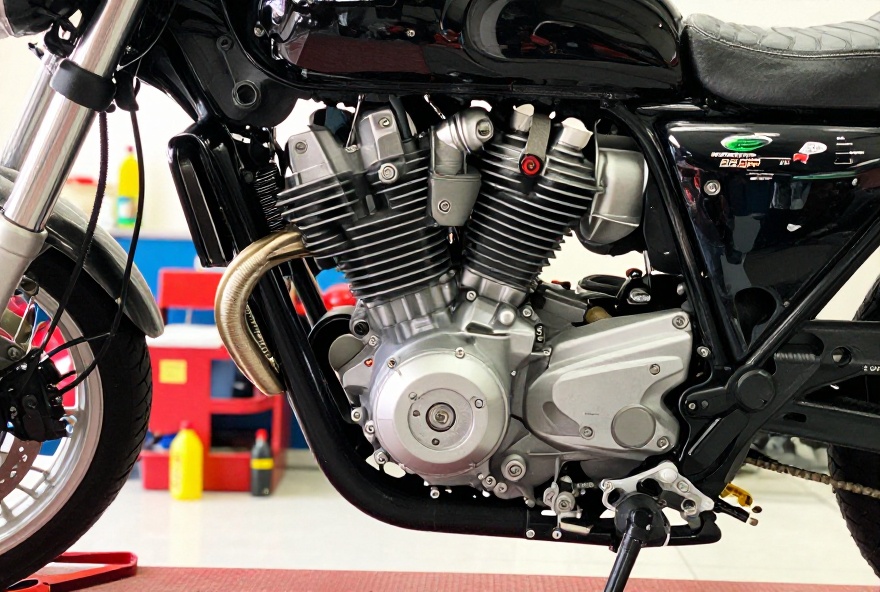
Imagine cruising down the highway, but your engine sputters thanks to E20 fuel damage! In ‘How To Protect Your Motorcycle Engine From E20 Fuel Damage,’ we dive into how sneaky ethanol is the culprit behind corroded fuel injectors and carburetors, especially in those beloved older bikes. Don’t worry, we’ve got the trusty hacks you need to keep your ride purring. Ready to revamp your bike’s resilience? Let’s dive in!
Key Takeaways
- Discover how E20 fuel sneaks up on your motorcycle—it’s not just gas, it’s mischief!
- Older bikes beware! E20 ethanol could be the arch-nemesis of your fuel injectors and carburetors.
- Learn which vintage motorcycles are flashing the warning lights with E20 ethanol.
- Grab the toolkit of maintenance hacks to keep your engine roaring despite the ethanol invasion.
- Say goodbye to corrosion and hello to smooth rides with smart fuel management tips.
- Understand why your classic bike might not be the best drinking partner for E20 fuel.
- Pump up your ride’s longevity with clever tricks to dodge E20’s tricky traps.
Understanding E20 Fuel and Why Your Motorcycle Engine Should Care
You know that moment when you pull up to the pump and realize fuel has changed? Well, E20 is here, and it’s not just another octane rating. E20 ethanol fuel contains up to 20% ethanol—double what older bikes were designed to handle. This shift in fuel composition is creating real headaches for motorcycle owners, especially those riding vintage or mid-range models. The sneaky part? The damage happens gradually, so you might not notice until it’s too late. Understanding how E20 affects your engine is the first step toward keeping your ride healthy and avoiding costly repairs down the line.
- E20 contains 20% ethanol versus 10% in E10, making it significantly more aggressive on older fuel systems.
- Ethanol is a solvent that naturally attracts water—this hygroscopic property causes corrosion in fuel injectors and carburetors over time.
- Older motorcycles lack the fuel system materials engineered to resist ethanol’s corrosive properties, putting pre-2000s bikes at higher risk.
- The transition to E20 fuel motorcycles impact varies by manufacturer, with some engines showing symptoms within months of regular use.
How E20 Ethanol Corrodes Fuel Injectors and Carburetors
Here’s where things get technical, but stick with me—it matters. E20 ethanol is basically a tiny saboteur working inside your fuel system. When ethanol meets moisture (and it always does), it creates a corrosive environment that eats away at metal components. Your fuel injectors and carburetors weren’t built expecting this level of aggression, so the damage compounds quickly. Think of it like leaving your bike in the rain for months without protection—except this corrosion happens from the inside out, where you can’t see it coming.
- Carburetor Varnish Buildup: E20 ethanol leaves sticky residue that clogs fuel passages, reducing engine performance and throttle response.
- Fuel Injector Clogging: Ethanol’s solvent properties dissolve old fuel deposits, which then accumulate as blockages in injection nozzles.
- Metal Corrosion: Aluminum and brass components in older carburetors corrode faster when exposed to ethanol-water mixtures—this weakens structural integrity.
- Rubber seals and gaskets deteriorate under ethanol exposure, leading to fuel leaks and air intrusion into the fuel system.
Which Older Bikes Struggle Most With E20 Fuel Motorcycles Impact
Not all motorcycles are created equal when it comes to handling E20. If you’re riding a classic cruiser from the 1980s or a reliable mid-range commuter from the early 2000s, you’re in the higher-risk zone. Bikes manufactured before 2005 typically have fuel systems designed for pure gasoline or low-ethanol blends. The materials used—aluminum carburetors, rubber fuel lines, and basic seals—just weren’t engineered with E20 ethanol in mind. Newer bikes? They’ve got fuel injectors, better materials, and software that adapts to different fuel compositions. But if your motorcycle has some miles on it, this is a conversation you need to have with yourself.
- Pre-2005 Carbureted Engines: These are the most vulnerable, lacking fuel injection’s precision and modern material resistance.
- Cruisers and Touring Bikes: Larger fuel tanks mean longer fuel storage periods, allowing ethanol and water to do more damage over time.
- Vintage and Classic Models: Bikes older than 20 years often have original fuel system components that have zero tolerance for ethanol content.
- Motorcycles with extended storage periods face accelerated corrosion since stagnant fuel allows ethanol and water to settle and concentrate.
The Water Problem: Ethanol’s Hidden Partner in Crime
Here’s the thing about ethanol that most riders don’t realize—it loves water like it loves your fuel injectors. Ethanol is hygroscopic, which is a fancy way of saying it pulls moisture from the air straight into your fuel tank. This creates the perfect storm: ethanol plus water equals corrosion. Your motorcycle’s fuel tank isn’t perfectly sealed, and condensation happens naturally during temperature changes. Add E20 ethanol into the mix, and suddenly you’ve got a chemical reaction happening right where your engine needs clean fuel. It’s like inviting trouble to park in your gas tank.
- Condensation Acceleration: E20 ethanol absorbs atmospheric moisture at twice the rate of standard gasoline, creating rust-promoting conditions.
- Phase Separation Risk: In high-humidity conditions, ethanol and water can separate from gasoline, causing fuel stratification and engine stalling.
- Microbial Growth: The ethanol-water mixture creates an ideal breeding ground for bacteria and fungi that clog fuel filters and lines.
- Temperature fluctuations worsen the water absorption problem—your bike sitting in the sun all day creates condensation that E20 fuel immediately absorbs.
Early Warning Signs Your Engine Is Under Attack
Your motorcycle talks to you if you listen. Pay attention to changes in how your bike runs, because catching E20 ethanol damage early can save you thousands in repairs. Some symptoms are obvious, while others are subtle enough that riders miss them until the problem becomes serious. You know your bike better than anyone, so trust your instincts when something feels off. Here are the red flags that tell you E20 fuel damage might be happening right now.
- Rough Idling and Hesitation: Clogged fuel injectors cause uneven fuel delivery, making your engine sputter or hesitate during acceleration.
- Fuel Odor Changes: A stronger-than-usual fuel smell, especially when parked, indicates potential fuel leaks from corroded gaskets and seals.
- Difficulty Starting: Varnish buildup in carburetors prevents proper fuel atomization, making cold starts progressively harder.
- Reduced Fuel Economy: Your bike working harder to burn compromised fuel means worse mileage—watch for a sudden drop in how far you can ride per tank.
- Visible Corrosion: If you can see rust inside your fuel tank or discoloration on fuel system components, E20 damage is already advanced.
Maintenance Hacks to Keep Your Engine Running Strong
The good news? You’ve got options. Protecting your motorcycle engine from E20 ethanol damage doesn’t require an engineering degree or emptying your wallet. These maintenance hacks are practical, affordable, and proven to extend your fuel system’s lifespan significantly. Think of them as preventative medicine for your bike—small actions now prevent massive problems later. Let’s break down the strategies that actually work.
- Use Fuel Stabilizers and Additives: Products designed for ethanol-fuel compatibility reduce corrosion and prevent varnish buildup—use them every fill-up on older bikes.
- Drain Your Tank Regularly: If you store your motorcycle seasonally, empty the fuel tank completely or use premium fuel stabilizers to prevent ethanol-water separation.
- Switch to Ethanol-Free Fuel: Many gas stations now offer pure gasoline options—seek them out for your vintage or sensitive fuel system.
- Install a Fuel Filter Upgrade: Modern, high-quality fuel filters with finer mesh catch ethanol-induced particulates before they reach your injectors or carburetors.
- Consider Fuel System Cleansing: Professional fuel system cleaning services dissolve varnish and remove corrosion deposits—worth the investment for pre-2005 bikes.
Upgrading Your Fuel System: When Prevention Isn’t Enough
Sometimes, prevention isn’t enough, especially if your motorcycle already shows signs of E20 ethanol damage. When that’s the case, upgrading your fuel system components might be the smartest move. Modern fuel system parts are engineered to handle E20 and beyond, plus they often improve performance and reliability. It’s an investment in your bike’s future, and honestly, it’s easier than dealing with repeated repairs from ethanol corrosion. You’re not replacing your entire engine—just the parts that are suffering most.
- Fuel Injector Replacement: Modern injectors resist ethanol corrosion and deliver fuel more precisely, improving both performance and fuel economy.
- Carburetor Rebuild or Replacement: Rebuilding with ethanol-resistant materials or switching to a modern fuel injection system eliminates the problem entirely.
- Fuel Line and Gasket Upgrades: Ethanol-compatible rubber compounds and seals prevent leaks and ensure your fuel stays clean.
- Fuel Tank Coating: Protective coatings applied to the inside of your tank prevent rust and corrosion from ethanol-water mixtures.
Your Motorcycle’s Long-Term Health Strategy
Protecting your motorcycle engine from E20 fuel damage isn’t a one-time fix—it’s an ongoing commitment. Think of it like dental care: regular maintenance prevents emergencies, and catching problems early saves money. Your bike has been loyal to you, so returning that loyalty with proper fuel system care just makes sense. The maintenance hacks and upgrades we’ve discussed work best when combined into a comprehensive strategy tailored to your specific motorcycle and riding habits. For deeper insights into E20 fuel impact on motorcycle engines, check out our complete guide on E20 fuel impact on bike engine longevity.
- Schedule Seasonal Fuel System Inspections: Before and after storage periods, check your fuel quality and system condition—catch problems before they become expensive.
- Document Your Maintenance: Keep records of fuel additives used, filter changes, and any fuel system work—this helps track patterns and plan future upgrades.
- Stay Informed About Fuel Options: Monitor which local gas stations offer ethanol-free fuel and make it your go-to choice for older bikes.
- Join Motorcycle Communities: Fellow riders share real-world experiences with E20 ethanol issues and solutions—their insights are invaluable for your specific bike model.
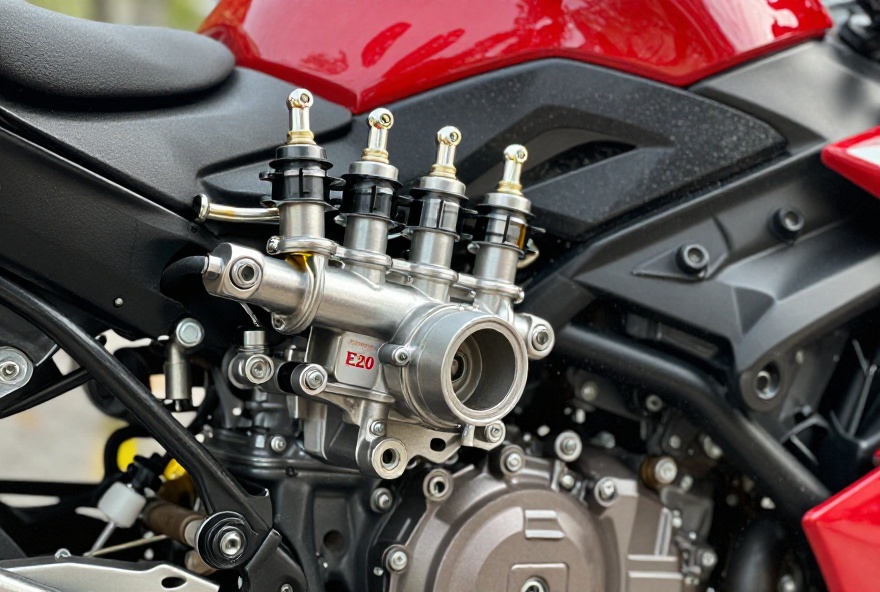
Protecting your motorcycle engine from E20 fuel damage isn’t as complicated as it may seem. We’ve uncovered how this stealthy ethanol can wreak havoc, particularly on older bike models with their vulnerable fuel injectors and carburetors. But fear not, because implementing a few strategic maintenance hacks can go a long way in preserving your ride. From using fuel stabilizers to regularly checking for signs of corrosion, staying proactive is key. Whether your chopper is a vintage icon or just a few years old, these tips will keep it purring like a kitten for years to come.
If you’re revved up about keeping that engine running smoothly, why not spread the wisdom? Share your thoughts or your own hacks with us on Facebook. Drop us a line, or even a pic of your trusty steed on Instagram here. Let’s ride the E20 wave together, without the hiccups!





Leave a Reply