
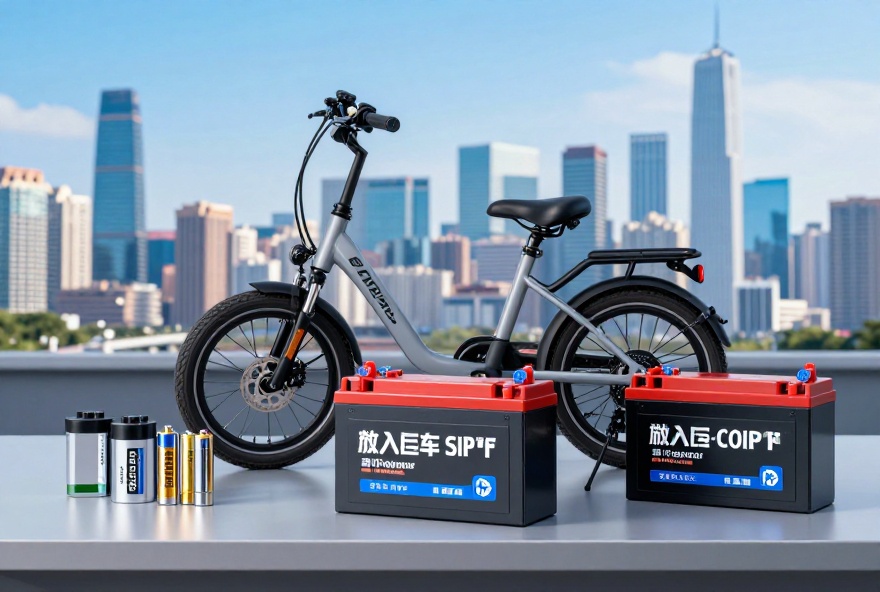
Ever feel like a detective when shopping for an e-bike? ‘How To Spot Fake E-Bike Battery Claims Before You Buy’ is your magnifying glass. We’re diving into the sneaky tactics sellers use to bloat their specs, promising the moon, but often delivering a lemon. Discover the telltale signs and simple tests that unveil the real deal—before your wallet feels lighter than the bike! Let’s embark on this electric journey, shall we?

Key Takeaways
- Beware of exaggerated e-bike battery specs—don’t get zapped!
- Simple tests can expose a battery’s real power before you buy.
- Spot the sneaky tricks sellers use to inflate battery performance claims.
- Understand the true capacity and lifespan of e-bike batteries.
- Save money by avoiding fake battery claims that drain your budget.
- Unlock secrets to identifying reliable battery sources for e-bikes.
The Battery Claims Game: Why Sellers Play Fast and Loose With Numbers
You know that feeling when you’re scrolling through e-bike listings and see claims like “500-mile range” or “lifetime battery warranty”? Yeah, those red flags exist for a reason. The e-bike market’s booming, which means sellers are getting creative—sometimes a little too creative—with their battery specs. Here’s the thing: manufacturers often quote ideal conditions that rarely exist in real life. Understanding how to spot fake e-bike battery claims before you buy is crucial because, let’s face it, the battery’s usually the most expensive component of your ride.
- Range claims often assume flat terrain, perfect weather, and a 150-pound rider pedaling lightly—conditions most of us never experience.
- Watt-hour (Wh) ratings get padded by calculating peak output rather than continuous delivery capacity.
- Marketing teams love using “up to” language—it’s legally safe but practically misleading for what to avoid when buying an ebike.
- Cycle life promises (“1000+ cycles”) ignore real-world degradation patterns and how fast batteries actually die.
- Weight ratings are sometimes tested with minimal cargo, not the actual loads riders carry daily.
Decoding the Spec Sheet: What Numbers Actually Matter
Alright, let’s talk numbers—but the honest ones. When you’re evaluating e-bike batteries, certain specifications tell you far more than flashy marketing claims. The battery’s watt-hours (Wh), voltage, and amp-hour (Ah) rating form the foundation of real performance. But here’s where it gets sneaky: sellers mix metrics in ways that confuse buyers. A 48V, 15Ah battery sounds impressive, but what does it actually mean for your commute?
- Watt-hours are your best friend—they directly measure usable energy. A 750Wh battery will consistently outperform a 500Wh one under similar conditions, regardless of voltage manipulation.
- Voltage (24V, 36V, 48V) doesn’t determine range—watt-hours do. Higher voltage can mean efficiency gains, but it’s not a direct power indicator.
- Amp-hour ratings multiplied by voltage give you watt-hours; if the math doesn’t check out, someone’s being dishonest about capacity.
- Weight and size matter more than you’d think—heavier batteries often indicate denser cells with better longevity, though sellers sometimes hide this detail.
The Temperature Trap: How Weather Destroys Range Promises
Ever notice how your phone dies faster in winter? Same deal with e-bike batteries, except sellers conveniently forget to mention it. Temperature is one of the biggest factors affecting battery performance, yet it’s almost never part of the pitch. Cold weather can slash your range by 20-40%, and heat accelerates degradation. When someone claims you’ll get 60 miles per charge, ask yourself: are they assuming summer conditions on a flat bike path, or real-world riding?
- Cold temperatures increase internal resistance, reducing available power—lithium batteries lose efficiency below 50°F.
- Hot environments (above 95°F) cause chemical reactions that permanently damage cells, shortening overall lifespan.
- Ideal testing happens around 70°F in controlled labs, nowhere near the conditions your commute faces.
- Storing batteries in extreme temperatures between rides compounds the problem, yet most sellers don’t warn you about this.
- Real-world range estimates should account for seasonal variation—a 10-15% reduction from quoted specs is realistic for winter riding.
The DIY Battery Test: Simple Ways to Verify Claims Before Handing Over Cash
You don’t need lab equipment to spot fake e-bike battery claims. Some practical tests reveal whether a seller’s actually honest about their product. These aren’t foolproof, but they’ll catch the obvious liars and help you feel confident in your purchase. The key is doing your homework before you buy—not after you’ve already spent thousands on an underperforming ride.
- The weight test—genuine lithium batteries have specific weight-to-capacity ratios. A 48V 15Ah battery should weigh around 2.5-3.5 pounds; if it’s mysteriously lighter, something’s wrong.
- Ask for third-party testing results or certifications (UL, CE standards)—legitimate manufacturers provide these documents freely.
- Request a range test video under conditions you’d actually encounter—flat terrain with a real rider at moderate assist is more honest than marketing footage.
- Check the battery management system (BMS) specs—cheap systems can’t properly balance cells, leading to faster degradation and safety issues.
- Cross-reference specs across multiple retailers; if one seller claims wildly different performance than competitors, they’re likely exaggerating.
Warranty Weaseling: What “Lifetime” Really Means (Spoiler: Not Much)
Nothing screams “fake promise” like a lifetime warranty that has more asterisks than actual protection. We’ve all seen those claims—”lifetime battery guarantee!”—slapped across product pages. But read the fine print, and suddenly it’s conditional on ideal use, only covers defects not degradation, and voids if you ride in rain or use it too much. It’s technically legal, morally questionable, and unfortunately common in the e-bike world.
- Most “lifetime” warranties actually cover manufacturing defects only, not normal wear and tear—which includes capacity loss.
- Capacity guarantees typically cap at 80-85% retention after 2-3 years; beyond that, you’re buying a replacement.
- Conditions like “normal use” are vague enough to deny almost any claim if the company wants to fight it.
- Real protection comes from warranties that specify cycle counts (usually 500-1000 cycles before 80% capacity) rather than time-based promises.
- Ask specifically: “What percentage capacity loss is covered?” If they dodge the question, move on to what to avoid when buying an ebike—this seller.
Comparing Apples to Oranges: Why Specs Look Different Across Brands
You’re comparing three e-bikes, and they’ve all got different battery specs despite similar price tags. One claims 60-mile range, another promises 80 miles, and the third is vague about distance but brags about “premium cells.” How do you know which is actually better? The frustrating answer is that there’s no standardized testing across the industry. Manufacturers use different assumptions, terrain profiles, and rider weights. It’s like comparing fuel economy claims from different car brands without a uniform EPA test.
- Range claims vary because there’s no industry standard—some brands assume 150-pound riders, others use 200 pounds or more.
- Assist level matters hugely but gets glossed over; eco mode gives way more range than turbo, yet sellers often quote the best-case scenario.
- Terrain assumptions differ: claimed ranges on flat ground might be 30% higher than hilly reality, and sellers rarely specify this.
- Motor efficiency isn’t standardized either—mid-drive motors have different range characteristics than hub motors, but marketing treats them equally.
- Create your own comparison matrix using watt-hours as the baseline, then adjust for terrain, weight, and assist level you’ll actually use.
Red Flags That Scream “Avoid This Battery”
Sometimes you don’t need detailed specs to know a battery’s a dud. Certain warning signs are so obvious they’re almost comical—except they cost you real money when you ignore them. These are the instant deal-breakers, the ones that should send you running toward a competitor, no matter how good the rest of the bike looks. Learning what to avoid when buying an ebike starts with recognizing these glaring issues.
- No UL or CE certification—these standards exist for safety; if a manufacturer skips them, they’re cutting corners on quality control too.
- Vague capacity specs like “extra-large” or “premium”—real specs use watt-hours; if they’re hiding numbers, there’s a reason.
- Unusually cheap pricing for high-capacity claims—battery cells cost what they cost; if the price seems impossible, the specs probably are too.
- Sellers who won’t provide written specs or warranty terms—legitimate companies document everything transparently.
- Reviews mentioning rapid capacity loss (hitting 50% in under a year)—that’s not normal degradation; that’s a defective pack.
Building Your Confidence: Questions to Ask Before Purchasing
You’re ready to buy, but before you hand over your credit card, there’s a final step—asking the right questions. These aren’t confrontational; they’re just what any smart buyer should know. A reputable seller welcomes these questions because they’ve got nothing to hide. If you encounter resistance or vague answers, that’s your cue to keep looking. For more comprehensive guidance on e-bike buying decisions, check out this resource on avoiding common e-bike buying mistakes today.
- What’s the tested range under your actual riding conditions (weight, terrain, climate)?
- How many charge cycles does the battery handle before dropping to 80% capacity?
- Is the BMS user-replaceable if it fails, or does the whole battery get tossed?
- What’s the warranty’s actual coverage—not the marketing version, but the real terms in writing?
- Can they provide independent testing data or user reviews confirming the range claims?
In the world of e-bikes, it pays to have your BS detector tuned for action. Sellers often use sneaky spec tricks to inflate battery claims—yes, we noticed! Before your wallet takes a hit, it’s crucial to wade through marketing smoke and mirrors with a discerning eye. Remember, battery capacity isn’t just about the numbers game; it’s about actual performance. Learn how to evaluate claims using simple tests like real-life range checks and evaluating weight vs. capacity ratios to see through marketers’ illusions. By staying informed, you’ll enjoy a reliable ride rather than an electrifying surprise.
Ready to dive deeper into the world of honest e-bike choices? Hit up our community of savvy cyclists on Facebook and Instagram for the latest tips and tricks to keep you zipping around town the right way. Your future, fully charged self will thank you!





Leave a Reply