
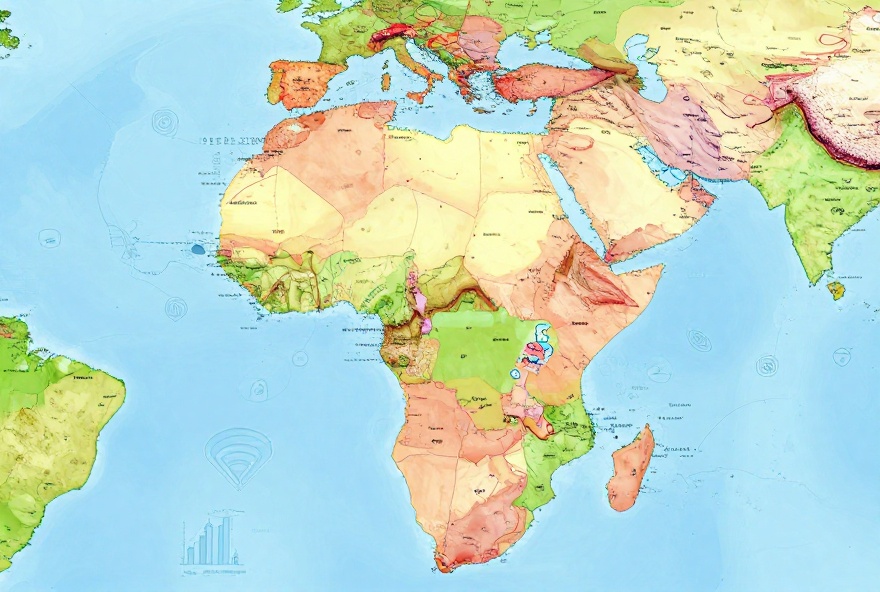
So, you’ve stumbled upon “How To Understand African Continental Free Trade Area Basics” and are probably wondering—what’s in it for me? Picture this: a massive trade agreement reshaping Africa’s economic landscape, and you’re in the front row! This blog breaks down what the African Continental Free Trade Area (ACFTA) means for businesses, economies, and your day-to-day life. Ever tried decoding complex trade jargon? It’s like speaking cat to a dog. But worry not, this one’s for humans. Dive deep into how this game-changer affects every corner of the continent.
Key Takeaways
- Grasp the basics of the African Continental Free Trade Area and why it’s such a big deal.
- Learn how this trade agreement revolutionizes business operations across Africa.
- Explore its impact on the African economy—spoiler: it’s game-changing.
- Find out how the agreement benefits everyday African citizens in their daily lives.
- Dive into how this agreement can boost African businesses to new heights.
- Discover the connection between regional trade and broader economic stability—who doesn’t want a stable economy?
- Uncover the potential challenges and opportunities for those navigating this new trade landscape.
What Exactly Is the African Continental Free Trade Area?
So, you’ve probably heard the buzz about the African Continental Free Trade Area, but what does it really mean? Think of it as Africa’s answer to creating one massive, interconnected marketplace—kind of like how the European Union operates, but tailored for the continent’s unique needs. Launched in January 2021, this trade agreement is reshaping the continent’s economic future by eliminating tariffs and trade barriers between 54 African nations. It’s not just bureaucratic jargon; it’s a genuine attempt to unlock Africa’s economic potential and boost intra-continental trade that’s been historically fragmented.
- The Agreement Covers: Goods, services, investment, and intellectual property across participating African nations, creating a unified market of over 1.3 billion people.
- Historical Context: Before the African Continental Free Trade Area, African countries traded more with Europe and Asia than with each other—a pattern this agreement aims to flip.
- Tariff Elimination Timeline: The framework targets phasing out tariffs on 90% of goods over the next five to eight years, depending on each nation’s development level.
- Who’s Involved?: All 54 African Union member states can participate, though ratification processes vary by country, affecting implementation speed.
How This Game-Changing Trade Agreement Actually Works
You know that feeling when you’re trying to buy something from across town, but bureaucracy gets in the way? Multiply that by 54 countries, and you’ve got the pre-African Continental Free Trade Area situation. This agreement essentially removes those roadblocks. It operates through a phased approach—starting with goods, then expanding to services, investment, and intellectual property. Each country commits to lowering import tariffs, which means products move faster, cheaper, and more efficiently across borders. The real magic happens when businesses can operate seamlessly across multiple markets without constantly navigating different tariff structures.
- Negotiation Process: The African Continental Free Trade Area was negotiated over three years by trade ministers from all participating nations, balancing each country’s economic interests.
- Implementation Framework: Countries follow a structured roadmap—Phase One focuses on goods and services, Phase Two covers investment, Phase Three addresses intellectual property and competition policy.
- Dispute Resolution Mechanism: The agreement includes systems for resolving trade conflicts, preventing disputes from spiraling into trade wars—a safeguard that strengthens confidence.
- Flexibility Built In—Developing nations get extended timelines to reduce tariffs, ensuring smaller economies aren’t overwhelmed during the transition period.
The Economic Impact for African Businesses
Here’s where things get exciting. For African businesses, the African Continental Free Trade Area opens doors that were previously locked. Imagine a Nigerian textile manufacturer suddenly able to sell directly to markets in Kenya, Ghana, and Ethiopia without jumping through endless tariff hoops. That’s the real potential here. Businesses get access to a vastly larger consumer base—over 1.3 billion people—without the massive costs that international trade typically demands. Small and medium-sized enterprises especially benefit because they no longer need to operate exclusively within their home countries to scale effectively.
- Market Expansion Opportunities: African businesses can now explore 53 additional national markets instead of relying solely on domestic demand, dramatically increasing growth potential.
- Supply Chain Integration: Manufacturing becomes more efficient when companies source raw materials from the cheapest suppliers across the continent rather than importing from outside Africa.
- Job Creation Potential: According to economic analyses, this trade agreement could generate millions of new jobs across various sectors—from manufacturing to logistics to services.
- Competitive Advantage—Lower tariffs mean African goods become more price-competitive globally, helping the continent’s products compete with imports from Asia and Europe.
What Changes for Everyday African Citizens?
You might be wondering how this affects regular folks just trying to live their lives, right? Well, the impact is more direct than you’d think. When trade barriers drop, prices often follow. That smartphone component manufactured in South Africa becomes cheaper in Ghana. Agricultural products flow more freely from countries with surplus to those with shortages. Consumers benefit from better prices and wider product variety. Additionally, as economies grow from increased trade, job opportunities expand, wages potentially rise, and living standards improve—though these benefits take time to materialize and require good governance to distribute fairly.
- Consumer Price Benefits: Reduced tariffs should lower the cost of imported goods, making everyday products more affordable across African nations.
- Agricultural Access: Farmers and consumers in food-deficit regions gain access to affordable agricultural products from surplus-producing countries, improving food security.
- Employment Growth: As businesses expand across borders, they hire more workers, creating job opportunities in transportation, logistics, retail, and professional services.
- Innovation and Technology Transfer—Increased competition and business collaboration encourage companies to adopt better technologies and practices, benefiting consumers through improved product quality.
Key Challenges Facing the African Continental Free Trade Area
Let’s be real—this agreement isn’t a magic wand. It faces genuine obstacles that could slow or complicate its success. Infrastructure gaps across the continent mean moving goods between countries can still be expensive and time-consuming. Some nations worry about protecting their domestic industries from larger, more established competitors. Corruption and unclear customs procedures in certain regions create friction. Political instability in some areas adds uncertainty. Plus, not all countries have ratified the agreement yet, creating uneven implementation. Understanding these challenges isn’t pessimistic—it’s realistic. Acknowledging them helps us figure out solutions.
- Infrastructure Deficits: Poor roads, limited ports, and inadequate rail networks make cross-border trade physically difficult, requiring massive investment to resolve.
- Industrial Capacity Disparities: Larger, more industrialized African nations might dominate trade, potentially disadvantaging smaller economies unless support mechanisms are strengthened.
- Non-Tariff Barriers: While tariffs are being eliminated, some countries use regulations, safety standards, and customs procedures as subtle trade barriers that the agreement must address.
- Political and Security Concerns—Border disputes, civil unrest, and political instability in certain regions create genuine obstacles to smooth trade implementation and enforcement.
How Different African Sectors Benefit Differently
Not all industries experience the African Continental Free Trade Area equally. Some sectors are positioned to absolutely boom, while others face tougher transitions. Manufacturing gets a huge boost because companies can now operate across the continent more freely. Agriculture benefits from reduced barriers, though it requires quality standards and modern logistics. Services—banking, telecommunications, professional consulting—gain from expanded market access. However, sectors that relied on tariff protection to shield them from international competition face pressure to innovate or adapt. It’s crucial understanding these sector-specific impacts because they shape how different communities experience this trade agreement.
- Manufacturing Renaissance: Textile, automotive, and electronics manufacturers gain access to larger markets and cheaper regional supply chains, potentially revitalizing African industrial sectors.
- Agricultural Transformation: Farmers can now export beyond borders more easily, though they must meet quality standards and compete with neighbors—spurring productivity improvements.
- Technology and Services Boom: Tech startups, financial services, and consulting firms can scale across multiple African nations simultaneously, accelerating digital transformation.
- Energy Sector Opportunities—Renewable energy projects can now serve regional markets, encouraging investment in solar, wind, and hydroelectric power across the continent.
The Roadmap: What’s Happening Next?
So what does the immediate future look like? We’re currently in Phase One, which focuses on trade in goods and services. Countries are gradually reducing tariffs, though at different speeds depending on their development status. Negotiations for Phase Two—covering investment and intellectual property—are ongoing. The real momentum builds as more nations ratify the agreement and implement their commitments. By the late 2020s, if things progress as planned, the African Continental Free Trade Area should be substantially operational. This timeline matters because it affects when businesses can realistically expand, when consumers see price benefits, and when African nations can genuinely leverage their collective economic power.
- Current Phase Focus: Goods and services trade liberalization continues, with tariff reduction schedules being implemented on an accelerated timeline in some sectors.
- Negotiation Milestones: Investment protocol and intellectual property discussions are underway, with expected completion timelines extending into 2024-2025.
- Infrastructure Investment Needs: The World Bank and African Development Bank are mobilizing financing for transportation corridors, ports, and digital infrastructure essential for success.
- Institutional Strengthening: The African Continental Free Trade Area Secretariat is building capacity and establishing dispute resolution mechanisms to ensure smooth operation.
Why Understanding the African Continental Free Trade Area Matters Now
You don’t need to be an economist to recognize that this trade agreement is reshaping Africa’s economic landscape. Whether you’re a business owner exploring new markets, an investor looking for growth opportunities, or simply someone interested in global economics, the African Continental Free Trade Area deserves your attention. It represents a fundamental shift in how African nations approach commerce and development. Understanding its basics gives you insight into where African economies are heading, what opportunities are emerging, and what challenges remain. Plus, as this agreement matures, its effects will ripple through global supply chains and international trade patterns—affecting everyone, everywhere.
- Strategic Importance: This agreement positions Africa as an increasingly important economic player, attracting global investor attention and reshaping trade relationships.
- Business Opportunity Window: Early movers who understand and adapt to the African Continental Free Trade Area stand to gain significant competitive advantages in emerging markets.
- Development Potential: Economists estimate this trade agreement could boost intra-African trade by 50% over the next decade, fundamentally transforming the continent’s economic trajectory.
- Geopolitical Implications—As Africa becomes more economically integrated, it gains greater leverage in global negotiations and partnerships, shifting power dynamics in international affairs.
As we thread through the economic tapestry of Africa, the African Continental Free Trade Area (AfCFTA) emerges as a beacon of hope and opportunity. At its core, this trade agreement is poised to revolutionize the way businesses operate, unifying diverse economies under a single market umbrella, much like a well-organized potluck. You bring the peanut stew, I’ll bring the jollof rice, and together we’re cooking up prosperity. For businesses, this means access to a broader market and reduced tariffs, effectively cutting through the red tape like grad school scissors on a gaudy ribbon. Everyday African citizens will see these changes trickling down through job creation and affordable goods, making life just a tad bit smoother – like finding that extra bit of Wi-Fi on a busy day. By leveling the playing field, the AfCFTA is crafting an economically formidable continent ready to take on global challenges with renewed vigor.
So, are you ready to jump on this economic bandwagon? The AfCFTA isn’t just a fancy acronym; it’s a ticket to a brighter future for Africa. If this inspires your inner economist or stirs up your entrepreneurial spirit, join in on the conversation. Share your thoughts and stay updated by following our journey across the web. Connect with us on Facebook, Instagram, and engage in the chat—because together, we’re not just part of the change; we’re leading it. Let’s seize this golden opportunity and start shaping the Africa we dream of today!





Leave a Reply