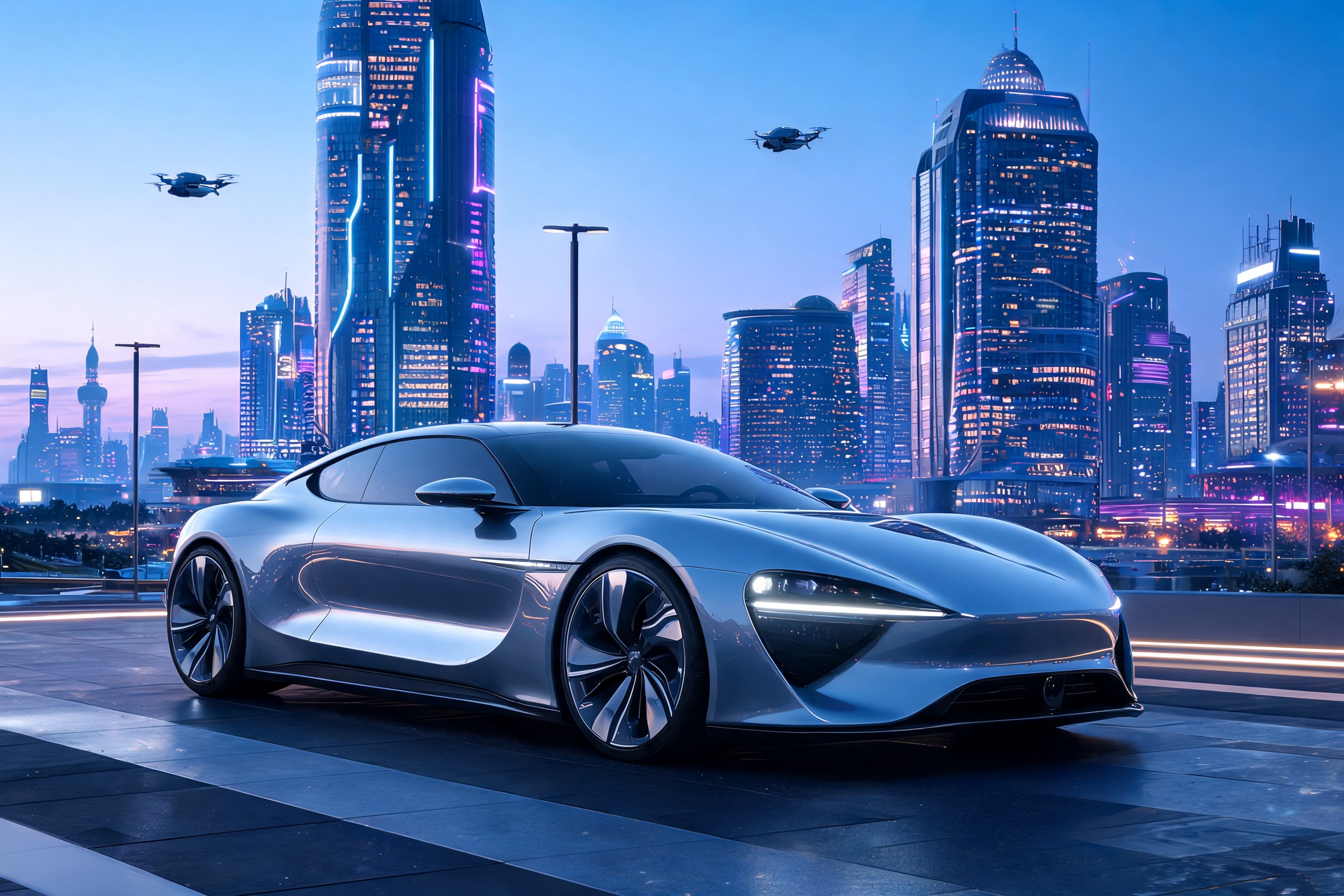
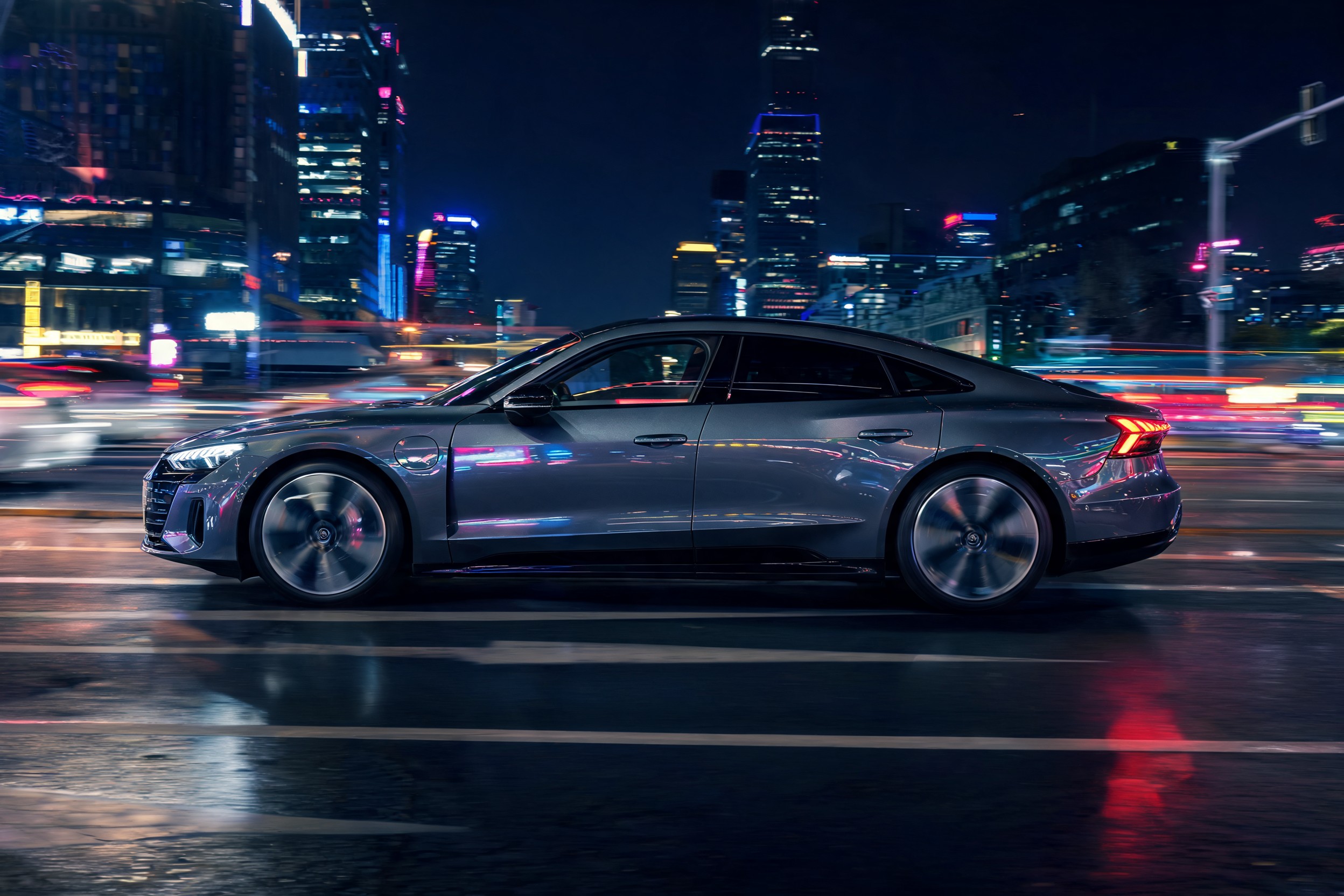
Ever thought about how the luxury car market might evolve with upcoming electrification changes? Well, buckle up! “Why Audi’s 2030 EV Strategy Could Reshape The Luxury Car Market” dives into just that, exploring how Audi’s daring plans to dethrone the big T (Tesla, anyone?) could shift gears in the premium market. Trust me, this isn’t just another auto forecast—it’s a potential game-changer!
Key Takeaways
- Can Audi’s 2030 electrification plan really dethrone the EV giant, Tesla?
- Bold moves ahead! Audi’s taking the luxury EV market by storm.
- Get the lowdown on Audi’s game-changing EV models for 2030.
- Think Tesla can’t be challenged? Audi’s got some surprises in store.
- Audi’s innovative strategy: paving the way to a greener, premium future.
- Premium market, watch out! Audi’s electrification roadmap is here.
- Ever wondered who can rival Tesla? Audi’s strategy might just answer that.
The Bold Electrification Plan That’s Shaking Up Luxury
You know that moment when a legacy brand decides to go all-in on electric vehicles? Well, we’re watching it happen in real-time with one of Europe’s most prestigious automakers. Their 2030 EV strategy isn’t just another corporate pledge—it’s a comprehensive roadmap designed to challenge established players and fundamentally reshape the luxury car market. This isn’t about dipping a toe into electrification; it’s about diving headfirst into the future while maintaining that premium cachet buyers expect.
- Complete Portfolio Transformation: By 2030, the brand plans to phase out traditional combustion engines across most segments.
- Investment Scale — Over €15 billion committed to EV development and battery technology.
- Market Positioning: Targeting the premium segment where margins are higher and consumers demand cutting-edge technology.
- Speed to Market: Launching multiple game-changing EV models within the next few years to capture market share.
Challenging Tesla’s Dominance in Premium Electric Vehicles
Let’s be real—Tesla’s had the luxury EV playground mostly to itself for a while now. But here’s where things get interesting. Traditional luxury automakers are bringing something Tesla can’t easily replicate: decades of heritage, established dealer networks, and that intangible prestige factor. The 2030 EV strategy represents a calculated bet that premium buyers want more than just electric; they want craftsmanship, heritage, and the kind of luxury experience that comes from centuries of expertise.
- Heritage Advantage: Combining century-old craftsmanship with cutting-edge electric technology.
- Dealer Network Strength — Established service centers and customer relationships provide crucial infrastructure advantages.
- Premium Positioning: Targeting affluent buyers who prioritize quality over price alone.
- Technology Parity: Developing proprietary battery tech and autonomous features to compete directly.
Game-Changing EV Models Leading The Charge
So what’s actually coming down the pipeline? We’re talking about some seriously impressive vehicles that are designed to turn heads and prove that electric can be just as luxurious—if not more so—than anything powered by gasoline. These aren’t compromise vehicles; they’re purpose-built electric platforms that leverage years of research and development.
- Next-Generation Performance: New models featuring advanced battery systems delivering 500+ mile ranges.
- Design Innovation — Sleek, aerodynamic forms optimized for efficiency without sacrificing aesthetic appeal.
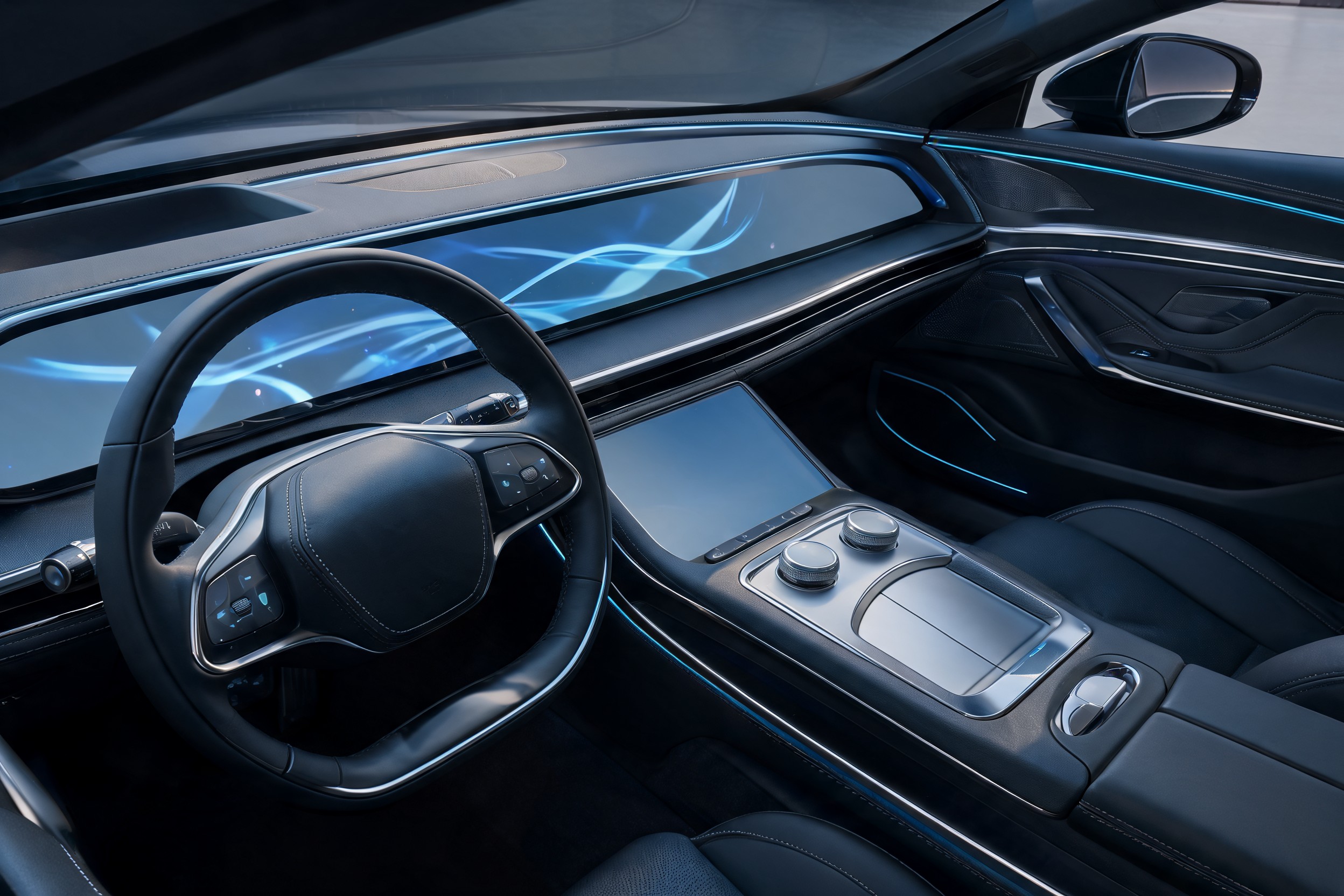
- Interior Tech: Immersive digital experiences and autonomous driving features setting new standards.
- Sustainability Focus: Ethically sourced materials and circular economy principles built into manufacturing.
Battery Technology: The Real Game Changer
Here’s the thing nobody talks about enough—electric vehicles are only as good as their batteries. And this is where the real innovation happens. The company’s investing heavily in next-generation battery chemistry and manufacturing, which means faster charging times, better range, and—crucially—lower costs as production scales. We’re talking about solid-state battery research that could revolutionize the entire industry.
- Solid-State Development: Next-gen batteries promising higher energy density and faster charging capabilities.
- Manufacturing Efficiency — Building dedicated battery plants to control supply chains and reduce costs.
- Sustainability Metrics: Battery recycling programs ensuring environmental responsibility throughout the vehicle’s lifecycle.
- Cost Reduction: Scaling production to make premium EVs more accessible without compromising margins.
Market Impact And Consumer Expectations
What does this mean for you, the consumer or enthusiast? It means choice, competition, and innovation accelerating across the luxury segment. When established players commit to aggressive electrification timelines, entire supply chains mobilize, technology develops faster, and prices eventually normalize. The luxury car market’s about to get a lot more interesting—and significantly more electric.
- Competitive Pricing: Increased competition driving premium EV prices toward more accessible levels.
- Enhanced Features — Rapid development cycles bringing cutting-edge tech to market faster.
- Service Infrastructure: Expanding charging networks and service centers making EV ownership more convenient.
- Consumer Confidence: Brand reputation ensuring quality and long-term value retention for buyers.
The Strategic Timing Question
Timing’s everything, right? The 2030 EV strategy arrives at a critical inflection point. Global regulations are tightening, consumer preferences are shifting dramatically toward sustainability, and the infrastructure for electric charging is finally maturing. This isn’t just about being first—it’s about being positioned perfectly when the market fundamentally transforms. For more comprehensive insights into how this strategy unfolds, check out the detailed analysis on this topic.
- Regulatory Alignment: Meeting and exceeding emissions standards across all major markets.
- Infrastructure Readiness — Partnering with charging networks to ensure seamless ownership experience.
- Supply Chain Preparation: Securing battery materials and components before shortages become critical.
- Brand Legacy: Positioning as the luxury brand that conquered the electric transition successfully.
In a world where Tesla continues to set the pace, Audi is shifting into high gear with its 2030 electrification strategy, aiming to reshape the luxury car market. With a confident approach, Audi plans to launch a series of game-changing EV models designed to attract the premium customer, challenging Tesla’s dominance. This roadmap is a bold move to assert its position within the evolving automotive landscape, capturing not only market share but also the imagination of the luxury consumer. Watch out, Tesla; it seems the game is afoot, and Audi’s bringing its A-game.
So there you have it—Audi’s charging forward in the electric arena! Curious to see how their lineup unfolds? Don’t miss out on the action; keep up with all the updates and surprises by following along on Instagram and join the conversation on Threads. And hey, we’re on Facebook too!
Leave a Reply