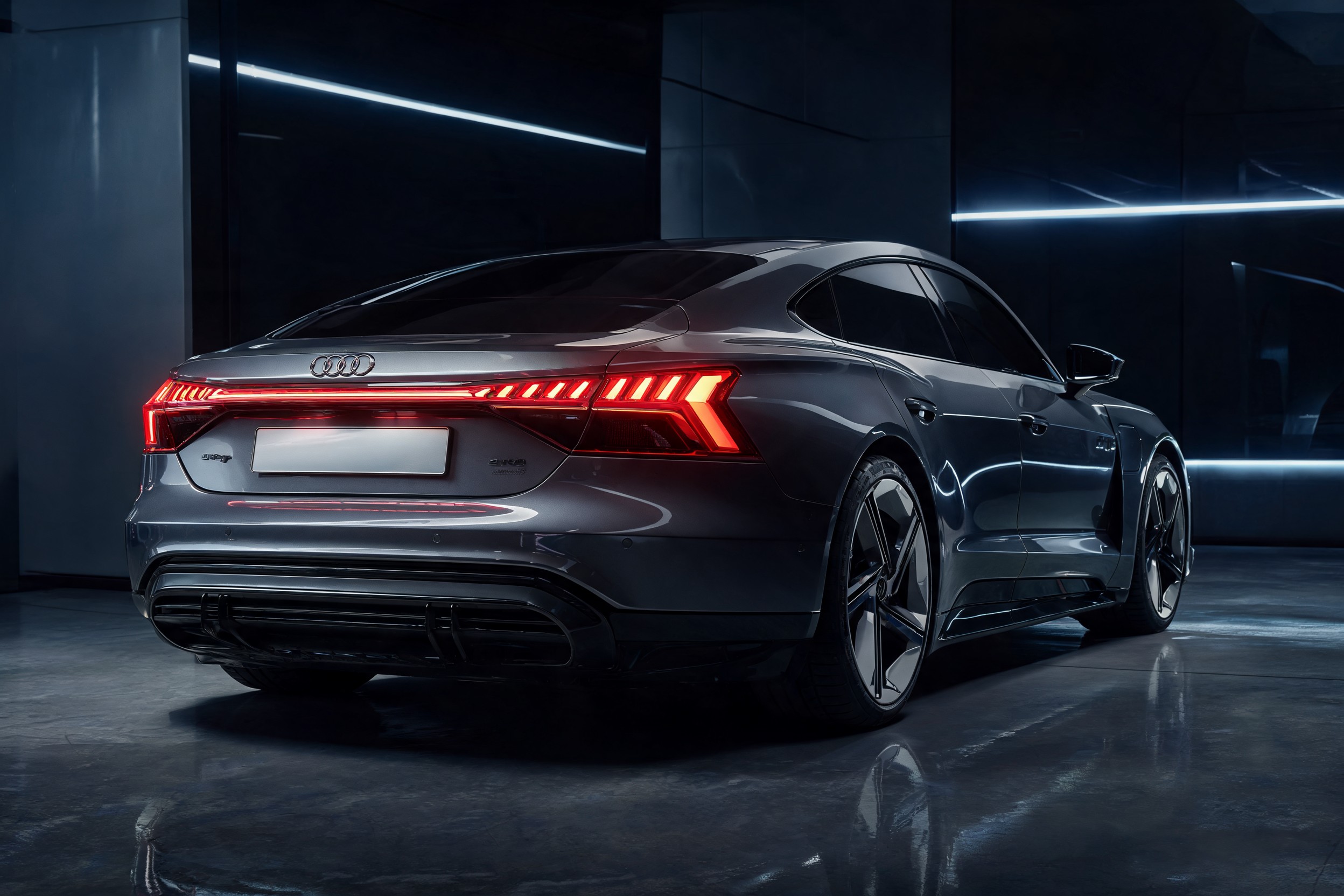
Here’s How Audi’s Game-Changing OLED Tail Lights Work starts with a simple idea: lighting can do a lot more than glow. In luxury cars, OLED tech is making tail lights safer, sharper, and way smarter than the old bulb-and-pray routine. We’ll unpack how these futuristic lights improve visibility, style, and signaling, plus why they matter for your next premium ride. Curious how a tail light gets this clever? Let’s pop the trunk and take a look.
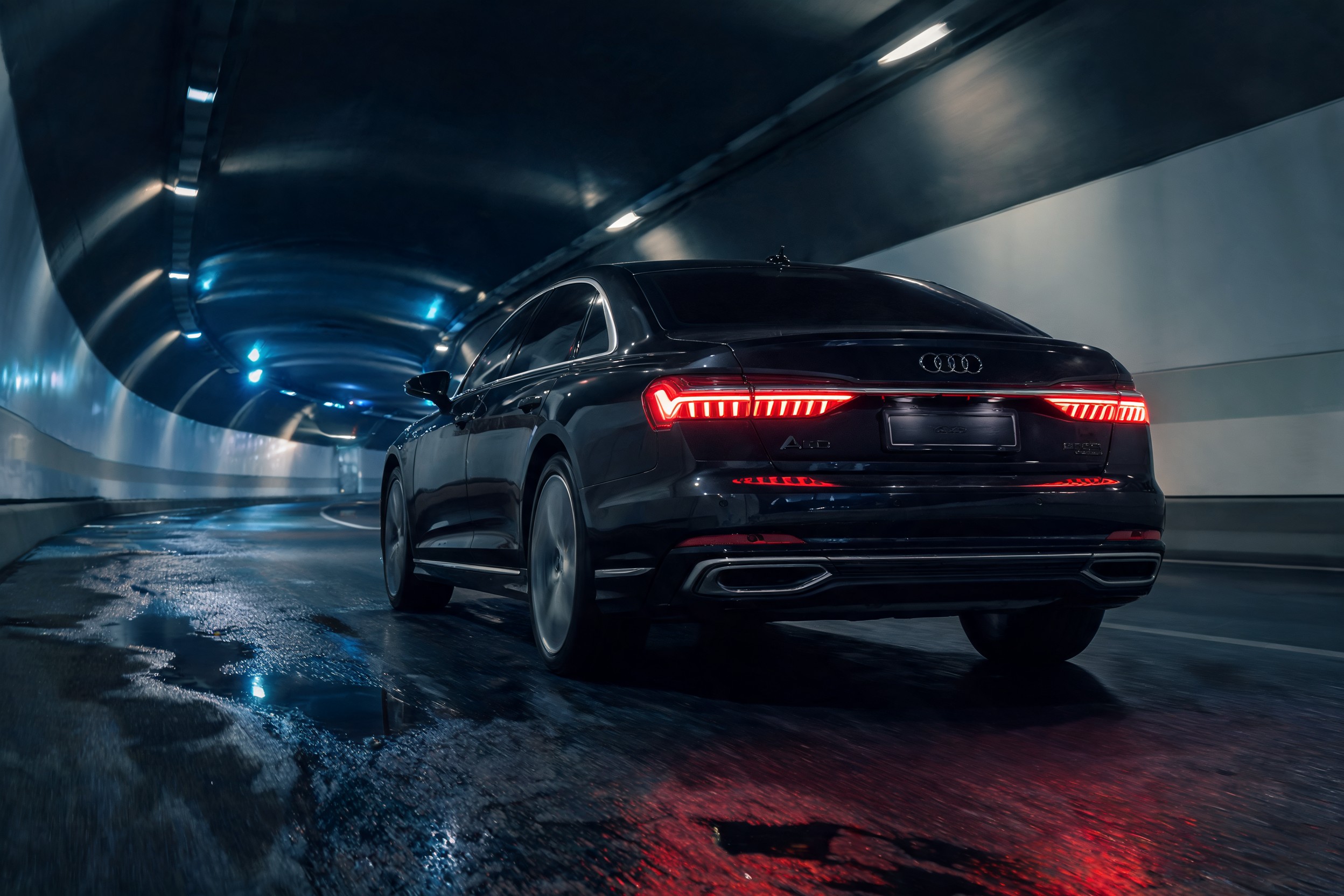
Key Takeaways
- OLED tail lights bring a slick, futuristic look that turns heads before the car even parks.
- They’re smarter than old-school lights, using precision control to improve signaling and visibility.
- Safer night driving? Yep—these lights can boost clarity and make your intentions easier to read.
- The tech behind them is all about efficiency, flexibility, and a premium vibe that feels very next-gen.
- Luxury rides get a serious upgrade when design and safety team up like this.
- If you’ve ever thought tail lights were just tail lights, this is the glow-up you didn’t know you needed.
What Are OLED Tail Lights and Why Should You Care?
So, you’ve probably noticed those sleek, glowing tail lights on some fancy cars lately, right? Yeah, we’re talking about OLED tail lights—the tech that’s making traditional LED designs look like they’re from the Stone Age. OLED stands for Organic Light-Emitting Diode, and honestly, it’s a pretty big deal in the automotive world. These aren’t just prettier lights; they’re fundamentally smarter and safer than what we’ve been slapping on cars for the past couple decades. The innovation represents a genuine leap forward in automotive safety and design, combining functionality with that jaw-dropping aesthetic appeal that luxury vehicles are known for.
- What OLED actually means: Each pixel produces its own light, unlike LEDs that require backlighting. This means deeper blacks, more vibrant colors, and pixels that can turn on and off independently—talk about precision.
- Why the automotive industry is buzzing: OLED tail lights offer superior visibility in all weather conditions, faster response times when braking, and customizable light patterns that traditional tail lights simply can’t match.
- The safety angle: Because OLED lights illuminate instantly and can display multiple brightness levels, they reduce reaction time for drivers behind you. That split-second difference? It could literally save lives.
- Design flexibility you’ve never seen: Manufacturers can now create intricate, pixel-perfect patterns and animations, transforming the rear of a vehicle into a canvas of technological expression.
- Energy efficiency matters too: OLED lights consume less power than their LED counterparts, which means better battery performance in electric vehicles—a win-win scenario.
The Technology Behind OLED Tail Light Innovation
Let’s dig into the nitty-gritty of how this technology actually works, because it’s genuinely fascinating. Unlike traditional incandescent bulbs that rely on filaments heating up, or even LEDs that use semiconductors, OLED technology operates on a completely different principle. Each tiny organic pixel acts as its own light source, emitting light when an electric current passes through organic compounds. It’s elegant, efficient, and frankly, it’s the kind of innovation that makes you wonder why we didn’t think of this sooner.
- Pixel-level control: Every single pixel can be individually controlled, allowing for dynamic patterns, sequential lighting, and even customizable animations that respond to different driving situations.
- Instant illumination without warmup time — Unlike LEDs that need milliseconds to reach full brightness, OLED pixels light up instantaneously. This means your brake lights are communicating danger to the car behind you faster than ever before.
- Organic materials create superior contrast: Because OLED pixels emit their own light and can turn completely off, you get perfect blacks and incredible contrast ratios that make the tail lights pop with visual clarity.
- Thermal efficiency advantage: These lights generate less heat than traditional alternatives, which reduces strain on the vehicle’s cooling systems and improves overall reliability in hot climates.
- Scalability across different designs: Manufacturers can create flexible OLED displays that curve around the vehicle’s body, enabling creative design possibilities that were previously impossible with rigid LED strips.
Safety Benefits That Actually Make a Difference
Here’s where OLED tail lights really shine—literally and figuratively. When we talk about automotive safety, we’re talking about split-second decisions that prevent accidents. The faster your tail lights communicate braking or turning intentions to the driver behind you, the better. OLED technology doesn’t just meet safety standards; it exceeds them in ways that could genuinely reduce rear-end collisions and improve traffic flow on highways.
- Response time is critical: OLED lights respond to brake input in approximately 0.5 milliseconds, compared to LEDs which take around 200 milliseconds. For a car traveling at 60 mph, that difference means an extra 16 feet of reaction distance—enough to prevent a collision.
- Adaptive brightness for visibility in daylight — These lights automatically adjust their intensity based on ambient light conditions, ensuring they’re always visible whether you’re driving in bright sunshine or dense fog.
- Multi-state communication: Instead of simple on-off signals, OLED lights can display multiple brightness levels and patterns, allowing vehicles to communicate different messages—standard braking, emergency braking, lane changes, and more.
- Improved visibility in poor weather: Rain, snow, and fog don’t diminish OLED light output the way they can with traditional lights. The precision of pixel control means nothing blocks the critical safety message.
- Customizable safety patterns — Manufacturers can program sequential lighting patterns that draw attention and alert following drivers more effectively than static red lights ever could.
Design and Aesthetic Game-Changers
Let’s be honest—safety is crucial, but let’s also talk about the elephant in the room: these lights look absolutely incredible. The design possibilities with OLED technology have opened up a whole new frontier in automotive aesthetics. You know that moment when you see a stunning car driving away from you, and the tail lights just grab your attention? That’s OLED technology doing its thing, transforming the rear of a vehicle into a signature design element that’s as much about brand identity as it is about function.
- Signature lighting patterns create brand identity: Each manufacturer can develop distinctive OLED light signatures—think animated sequences that play when you unlock the car or animated welcome patterns when you approach it.
- Seamless integration with vehicle design — OLED displays can be curved, shaped, and integrated into the vehicle’s body in ways that traditional rigid lights never could, creating a more cohesive, modern aesthetic.
- Customization possibilities for owners: Future vehicles might allow drivers to adjust lighting patterns, colors, and animations through a smartphone app or in-vehicle interface—personalizing your car’s personality.
- High-resolution displays enable pixel art: Imagine tail lights that display intricate patterns, geometric designs, or even animated graphics. We’re talking about turning the back of your car into a rolling art installation.
- Premium feel that justifies luxury pricing: The sophistication and precision of OLED technology communicates quality and innovation, reinforcing the premium positioning of luxury vehicles.
Energy Efficiency and Electric Vehicle Advantages
Here’s something that doesn’t get enough attention: OLED tail lights are genuinely more efficient than their predecessors. For traditional gas-powered vehicles, this means slightly better fuel economy. But for electric vehicles? This is huge. Every watt of power that doesn’t get wasted on lighting is a watt that extends your driving range. In an era where EV owners obsess over maximizing mileage between charges, this seemingly small innovation contributes to the overall efficiency equation in meaningful ways.
- Lower power consumption across the board: OLED lights typically draw 30-40% less power than comparable LED systems, directly translating to better battery performance in electric vehicles.
- Reduced thermal load on vehicle systems — Less heat generation means less strain on cooling systems, particularly important in vehicles already managing heat from high-capacity batteries.
- Extended battery range in EVs: While the improvement might seem small per light, multiply that efficiency gain across all lighting systems (tail lights, brake lights, turn signals), and you’re looking at meaningful range extension.
- Sustainability alignment with green manufacturing: OLED technology reduces overall energy consumption, aligning with the sustainability goals that EV manufacturers are promoting.
- Smart power management integration: OLED systems can be programmed to reduce brightness when power reserves are low, automatically optimizing energy distribution throughout the vehicle.
Real-World Implementation and Current Models
So, you’re probably wondering which cars actually have this technology right now, and when you might see it in more vehicles. The adoption is happening faster than you’d think. Premium and luxury manufacturers have already begun rolling out OLED tail light systems, and we’re on the cusp of seeing this technology become more widespread across the automotive industry. The transition isn’t instantaneous because of manufacturing complexity and cost considerations, but the trajectory is clear.
- Premium brands leading the adoption curve: High-end manufacturers are investing heavily in OLED tail light development, positioning it as a key differentiator in their luxury lineups.
- Manufacturing scalability improving rapidly — As production techniques advance and competition increases, OLED tail light manufacturing becomes more efficient, gradually reducing costs.
- Integration with autonomous driving features: OLED lights can communicate with other vehicles and road infrastructure, playing a crucial role in the development of autonomous driving systems.
- Regulatory approval moving forward: Safety agencies worldwide are testing and certifying OLED tail lights, establishing standards that will facilitate broader adoption.
- Cost reduction timeline: Current OLED tail light systems command a premium, but industry experts predict costs will drop significantly within 3-5 years as manufacturing scales up.
Comparing OLED to Traditional and LED Alternatives
You know what helps put new technology in perspective? Comparing it head-to-head with what we’ve been using all along. When you stack OLED tail lights against traditional incandescent bulbs and even modern LEDs, the advantages become pretty obvious. But it’s not like traditional lights are suddenly useless—they’re still reliable and cost-effective. It’s just that OLED represents a genuine technological leap forward in almost every measurable category.
- Incandescent bulbs versus OLED: Incandescents are slow to illuminate, generate excessive heat, consume more power, and have shorter lifespans. OLED eliminates all these problems while adding customization capabilities.
- LED systems can’t match OLED’s response time and design flexibility — While LEDs improved dramatically over incandescents, they still can’t achieve the instantaneous pixel-level control that OLED technology enables.
- Lifespan advantages: OLED displays typically last 20,000+ hours, comparable to quality LEDs but with superior performance characteristics and design possibilities throughout their operational life.
- Cost comparison reality check: Yes, OLED systems currently cost more upfront, but when you factor in longevity, efficiency, and safety benefits, the total cost of ownership actually becomes competitive over time.
- Future-proofing your vehicle: OLED technology is still evolving, meaning future software updates could add new safety features or customization options to existing vehicles.
The Future of Automotive Lighting Technology
We’re living in an interesting moment where automotive technology is advancing at an almost dizzying pace. OLED tail lights are just one piece of a much larger puzzle involving autonomous driving, vehicle-to-vehicle communication, and increasingly sophisticated driver assistance systems. The future of lighting in vehicles is going to be far more than just illuminating the path—it’s going to be about communication, customization, and integration with every other system in the car.
- Vehicle-to-vehicle communication integration: Future OLED systems will communicate directly with other vehicles, displaying warnings about hazardous driving conditions, accidents ahead, or emergency maneuvers.
- Augmented reality integration possibilities — Imagine OLED tail lights that display information to drivers behind you, projecting hazard warnings or navigation instructions directly onto the road surface.
- AI-powered adaptive lighting systems: Machine learning algorithms will optimize lighting patterns based on traffic conditions, weather, time of day, and individual driving patterns.
- Holographic display evolution: The next generation of OLED technology might incorporate holographic elements, creating three-dimensional light projections that communicate far more information than traditional lights.
- Energy harvesting possibilities: Researchers are exploring ways to harvest energy from OLED displays themselves, potentially powering other vehicle systems with the light they generate.
Making the Right Choice for Your Next Luxury Ride
So here’s the practical question: if you’re shopping for your next vehicle, does OLED tail light technology matter? The honest answer depends on your priorities, budget, and how long you plan to keep the car. OLED lights are an increasingly common feature in premium vehicles, and understanding what they actually do helps you make informed purchasing decisions. They’re not just a flashy add-on—they’re a genuine safety and efficiency upgrade that contributes meaningfully to the overall driving experience.
- Safety-conscious buyers should prioritize: If accident avoidance and communication clarity matter most to you, OLED tail lights represent a meaningful safety upgrade worth factoring into your decision.
- Long-term ownership value increases with OLED systems — Vehicles equipped with advanced lighting technology tend to maintain better resale value and appeal to future buyers.
- Electric vehicle owners get maximum benefit: If you’re buying an EV, the efficiency gains from OLED lighting directly impact your driving range and charging frequency.
- Design enthusiasts will appreciate the aesthetic factor: Let’s face it—OLED tail lights look stunning, and they’re a visible expression of technological sophistication that you’ll appreciate every time you drive.
- Future-proofing considerations matter: Technology built on OLED platforms will likely receive software updates and new features throughout the vehicle’s lifecycle, making it a more future-proof investment.
Conclusion
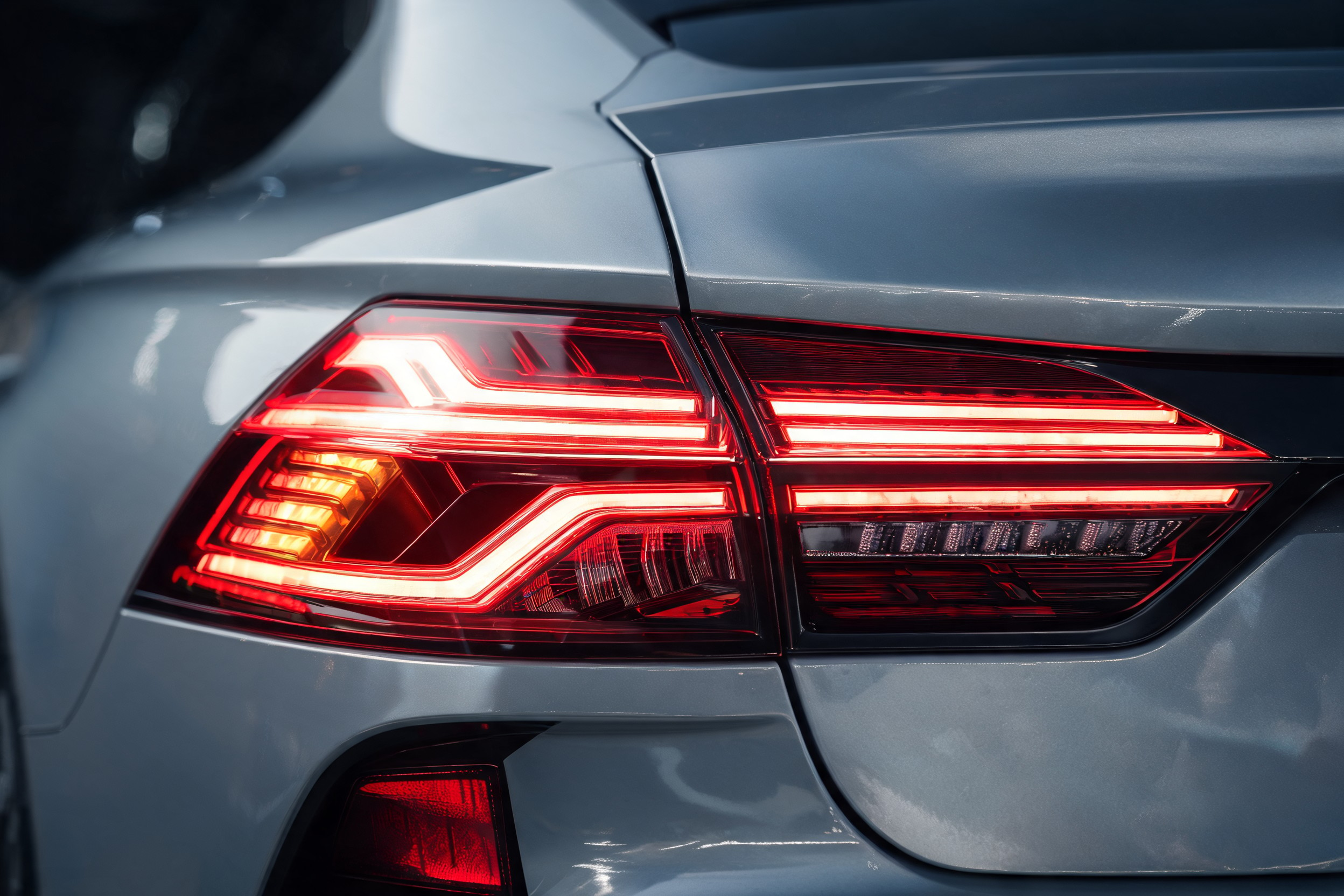
Audi’s game-changing OLED tail lights aren’t just a flashy design flex; they’re a smart step toward safer, more responsive rear lighting. By using organic light-emitting diodes, these lights can create sharper illumination, more precise signaling, and even dynamic lighting patterns that help the car communicate better with other drivers. That’s the real win here: improved visibility, clearer intent on the road, and a premium look that fits right in with Audi’s luxury DNA. As we’ve broken down in this post, the tech behind Audi OLED tail lights shows how design and safety can finally shake hands instead of awkwardly waving from across the parking lot. And for anyone keeping an eye on where automotive innovation is headed, this is a pretty strong clue that the future of tail lights is going to be smarter, sleeker, and a lot more adaptable than the old bulb-and-plastic routine.
Wrapping this up, if you’re into future-forward car tech that actually earns the hype, Audi’s OLED tail lights are worth a second look. Want more breakdowns like this with the same mix of useful and mildly nerdy? Stay in the loop by connecting with me on Instagram, LinkedIn, and Threads. That way, you won’t miss the next shiny bit of automotive wizardry when it rolls in.
Leave a Reply