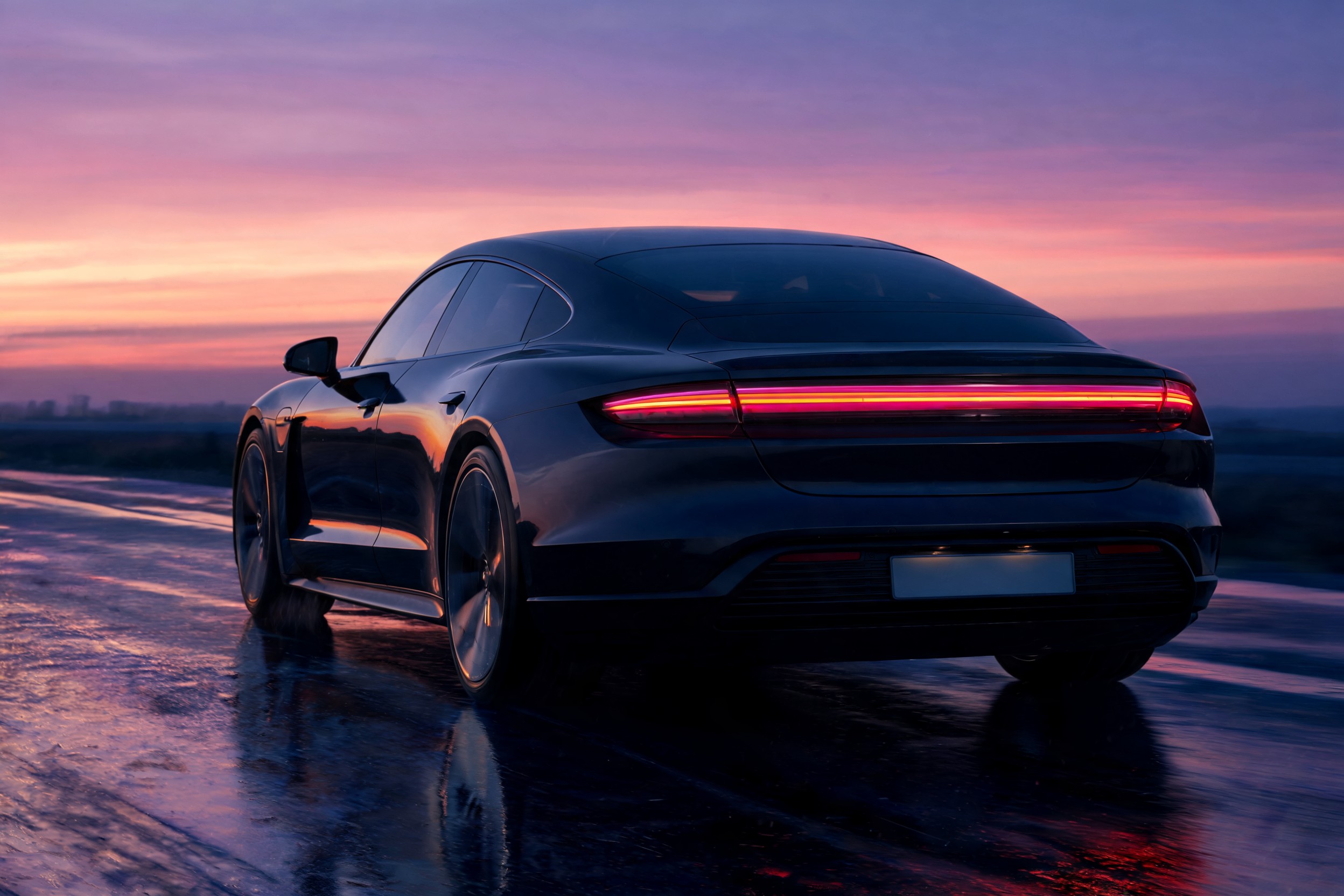
Why OLED Tail Lights Are Replacing Traditional LED Technology Fast is more than a style story. Luxury automakers are swapping LEDs for OLED tail lights because they respond quicker, shine more clearly, and look downright futuristic. As the details suggest, that combo could boost safety too. Let’s unpack why drivers—and their bumpers—should care.
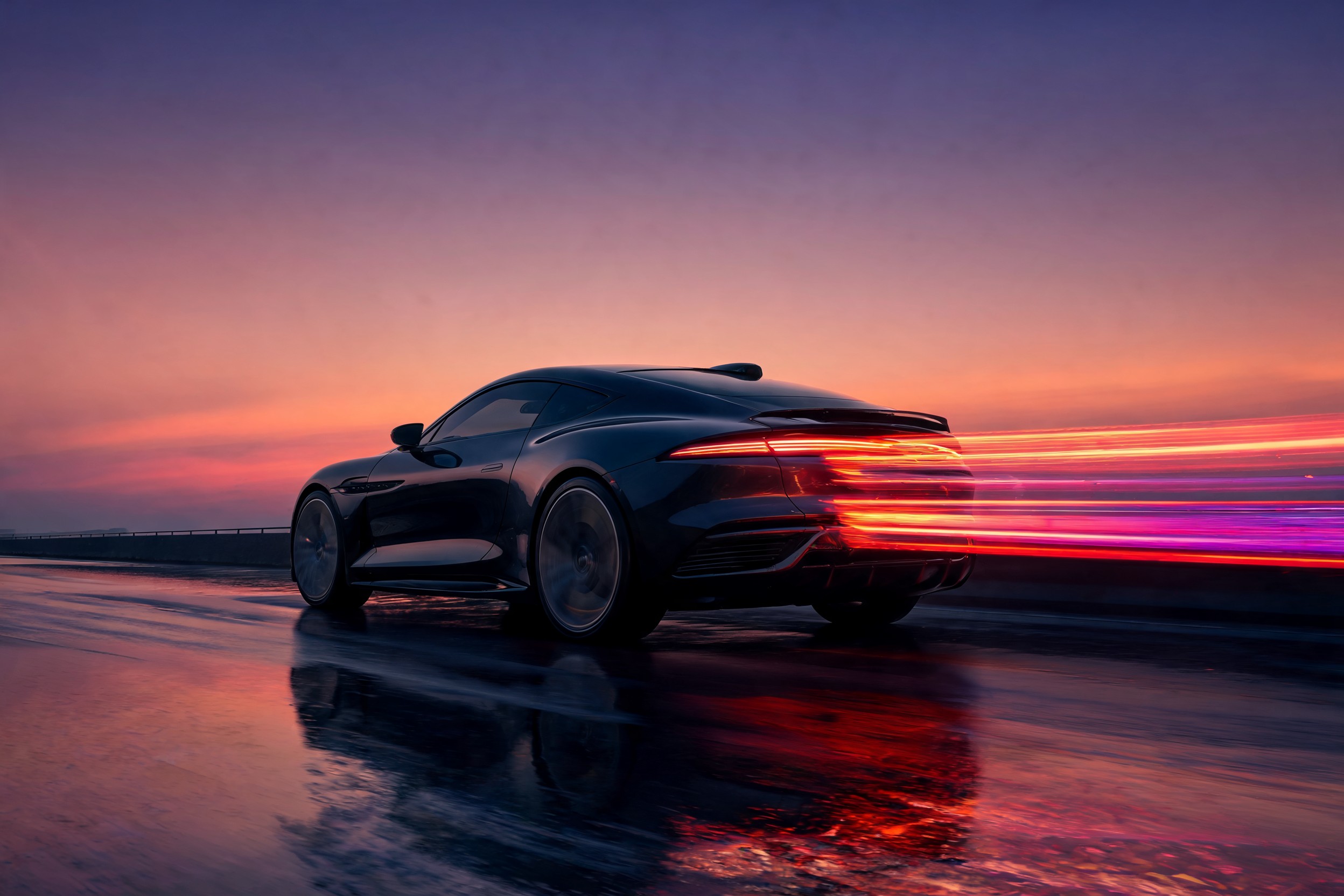
Key Takeaways
- OLED tail lights are quickly stealing the spotlight from traditional LEDs.
- Luxury automakers love the faster response times—because every millisecond counts.
- Better visibility means drivers behind you get the message sooner. Nice, right?
- Sleeker, thinner designs give rear lighting a premium, futuristic look.
- Auto safety tech is getting smarter, and tail lights are coming along for the ride.
- Not just flashy—OLED lighting could help reduce rear-end confusion in traffic.
The Speed Advantage: Why Response Time Matters
Here’s the thing—when you’re braking on the highway, milliseconds count. Traditional LED tail lights have a response time of around 200 milliseconds, which sounds quick until you realize OLED tail lights respond in just 0.3 milliseconds. We’re talking about a difference that could literally be the gap between a fender-bender and a serious collision. The faster your brake lights illuminate, the quicker the driver behind you reacts. It’s physics meeting safety in the most elegant way possible.
- Instantaneous Illumination: OLED technology lights up almost instantly, giving trailing drivers precious extra reaction time.
- Reduced Accident Risk: Studies show faster-responding tail lights can prevent rear-end collisions in critical situations.
- Real-World Impact: Even a 0.2-second difference translates to several car lengths at highway speeds—literally life-saving.
- No Warm-Up Period: Unlike LEDs, OLED tail lights don’t need time to reach full brightness; they’re ready immediately.
Superior Visibility in All Weather Conditions
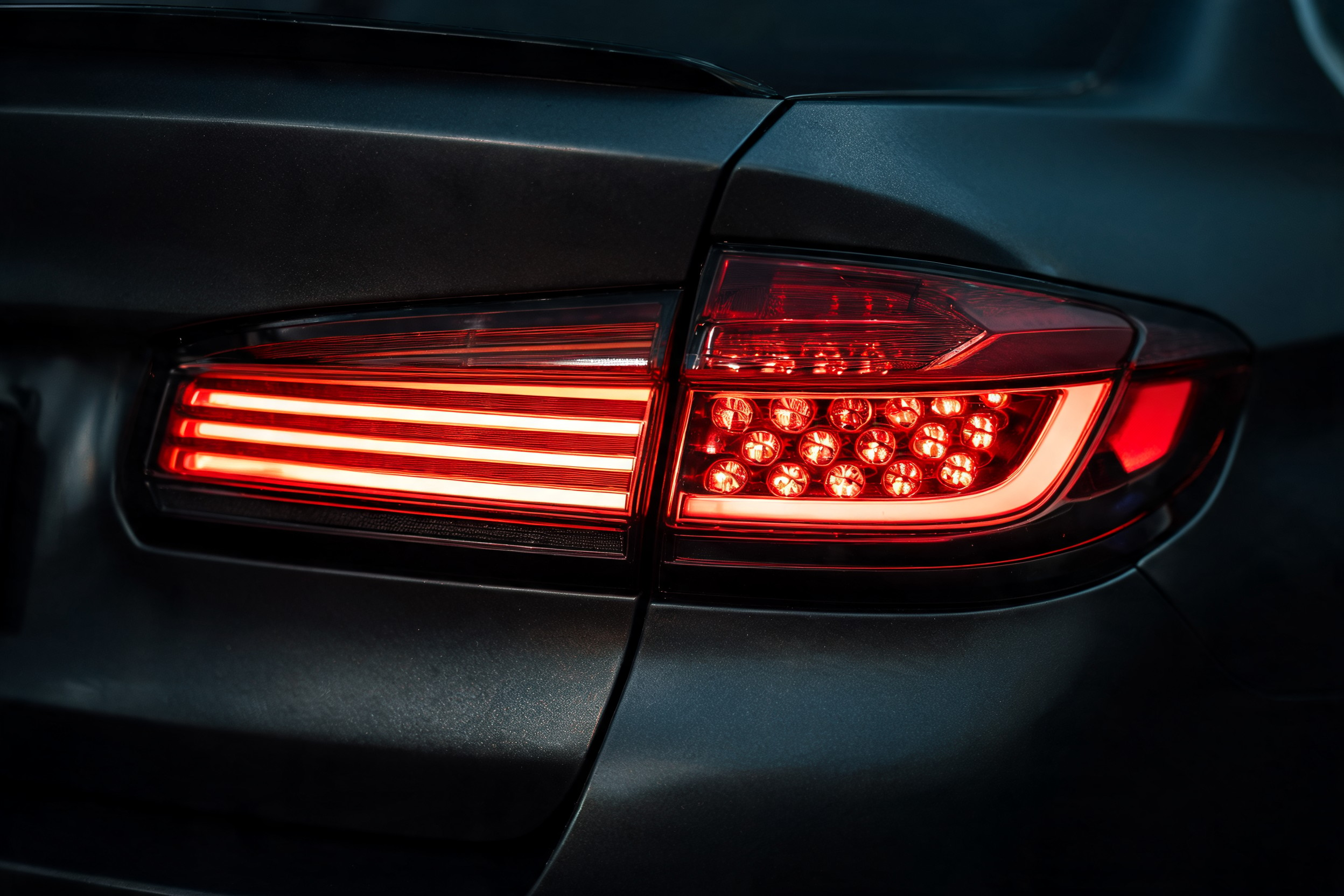
You know that moment when you’re driving in heavy rain or fog, and you can barely see the car ahead? OLED tail lights punch through those conditions with remarkable clarity. They emit light uniformly across the entire panel rather than relying on individual point sources like LEDs. This means better visibility from wider angles, which is especially crucial in poor weather when every bit of visibility counts for safety on the road.
- Uniform Light Distribution: OLED panels emit consistent brightness across the entire surface, unlike clustered LED diodes.
- Wide Viewing Angles: You’ll see OLED tail lights clearly even from extreme side angles—critical for lane-change safety.
- Weather Performance: Rain, snow, and fog don’t diminish OLED visibility the way they can obscure traditional LED tail lights.
- No Dark Spots: OLED eliminates the “dead zones” that sometimes appear in LED arrays.
Design Freedom: Sleeker, More Sophisticated Aesthetics
Let’s be honest—luxury automakers didn’t switch to OLED tail lights just for safety (though that’s huge). The design possibilities are absolutely game-changing. OLED panels are thin, flexible, and can be shaped into virtually any form factor. This means thinner bezels, seamless integration with vehicle architecture, and those jaw-dropping light signatures you see on high-end vehicles. It’s where function meets form in the most satisfying way.
- Thin Panel Design: OLED tail lights are significantly thinner than LED assemblies, allowing for sleeker rear-end styling.
- Customizable Patterns: Manufacturers can create dynamic light signatures and animations—adding personality to vehicles.
- Seamless Integration: The flexibility of OLED allows designers to curve and shape lights to match vehicle contours perfectly.
- Premium Perception: OLED tail lights have become a status symbol in the luxury automotive segment.
Energy Efficiency and Longevity
You might think something this advanced burns through power faster, but you’d be wrong. OLED tail lights are actually more energy-efficient than LEDs, especially when displaying red light (which is what we see on brake lights). They generate less heat, which means less strain on your vehicle’s electrical system. Plus, they’re built to last, with most OLED panels rated for the lifetime of the vehicle—no frequent replacements needed.
- Lower Power Consumption: OLED technology uses less electricity than comparable LED setups, improving fuel efficiency.
- Reduced Heat Output: OLED doesn’t waste energy as heat, keeping your trunk cooler and protecting nearby components.
- Extended Lifespan: OLED panels maintain brightness consistency over hundreds of thousands of miles.
- Cost-Effective Long-Term: While initial installation costs more, you’re saving on replacements and repairs down the road.
The Adoption Trend Across Luxury Brands
It’s not just one or two manufacturers jumping on the OLED bandwagon—it’s becoming the industry standard for premium vehicles. High-end automakers recognize that OLED tail lights represent the future of automotive lighting technology. They’re investing heavily because customers demand better safety features, distinctive designs, and cutting-edge technology. Once you’ve seen OLED tail lights in action, there’s really no going back.
- Market Leaders Setting Standards: Luxury brands are pioneering OLED adoption, influencing mid-range manufacturers to follow suit.
- Competitive Differentiation: OLED tail lights have become a key selling point in the premium segment.
- Technology Trickle-Down: As production scales up, OLED tail lights will eventually become more affordable across vehicle categories.
- Consumer Expectations Rising: Buyers increasingly view OLED lighting as a must-have feature rather than a luxury add-on.
Looking Forward: The Future of Automotive Lighting
The shift from traditional LED to OLED tail lights isn’t just a trend—it’s a fundamental evolution in how vehicles communicate on the road. Safety improvements, design flexibility, and energy efficiency make OLED the logical next step. As these technologies become more accessible and affordable, we’ll see them trickling down to mainstream vehicles. For now, OLED tail lights remain a hallmark of innovation in the automotive world, representing everything from enhanced visibility to sophisticated design language. If you’re interested in learning more about automotive innovations and their impact on vehicle safety, check out our main resource hub for deeper insights.
- Continued Innovation: Expect even more advanced features as OLED technology develops and manufacturers compete for market share.
- Affordability Curve: What’s luxury today becomes standard tomorrow—OLED will eventually be commonplace.
- Safety Standards Evolution: Regulatory bodies are likely to mandate faster response times, accelerating OLED adoption industry-wide.
- Integration with Smart Systems: Future OLED tail lights will communicate with autonomous driving systems and other vehicles.
Conclusion
OLED tail lights are quickly moving from “nice-to-have luxury” to “why isn’t everybody using these?” and the reasons are pretty convincing. Compared with traditional LED technology, OLED tail lights offer faster response times, sharper visibility, and a cleaner, more modern look that helps automakers design slimmer rear ends without sacrificing safety. That’s a big deal for luxury brands chasing style and smarter lighting performance at the same time. In the real world, these lights can make braking signals clearer and more immediate, which is exactly the kind of tiny upgrade that can make a big difference when it matters most. In short, the shift to OLED tail lights isn’t just about looking futuristic—it’s about making cars safer, smarter, and a whole lot sleeker.
Wrapping it up, if you’re into the kind of car tech that blends style with real safety benefits, OLED is worth keeping on your radar. Got thoughts on Audi OLED tail lights or other next-gen lighting trends? I’d love to hear them—drop by Instagram, connect on LinkedIn, or catch the conversation over on Threads.
Leave a Reply