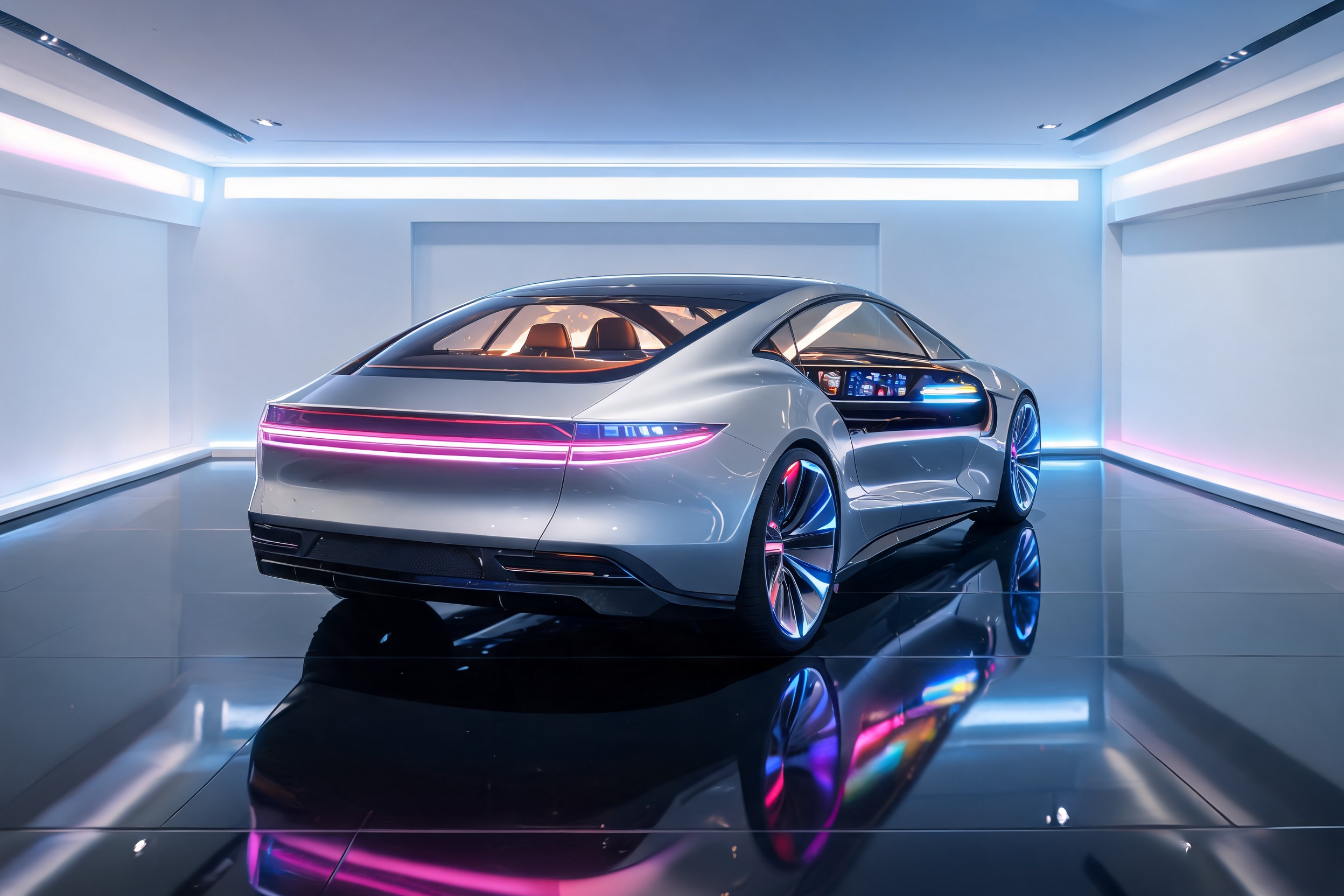
In Guide To Understanding Automotive OLED Technology and Future Cars, we’re looking past those cool tail lights to see how OLED is reshaping premium car design. From customizable dashboards to interactive headlights, this tech is turning cabins and exteriors into something smarter, sleeker, and a bit sci-fi. Even recent automotive insights point to big shifts ahead—so let’s unpack what matters before your next luxury ride.
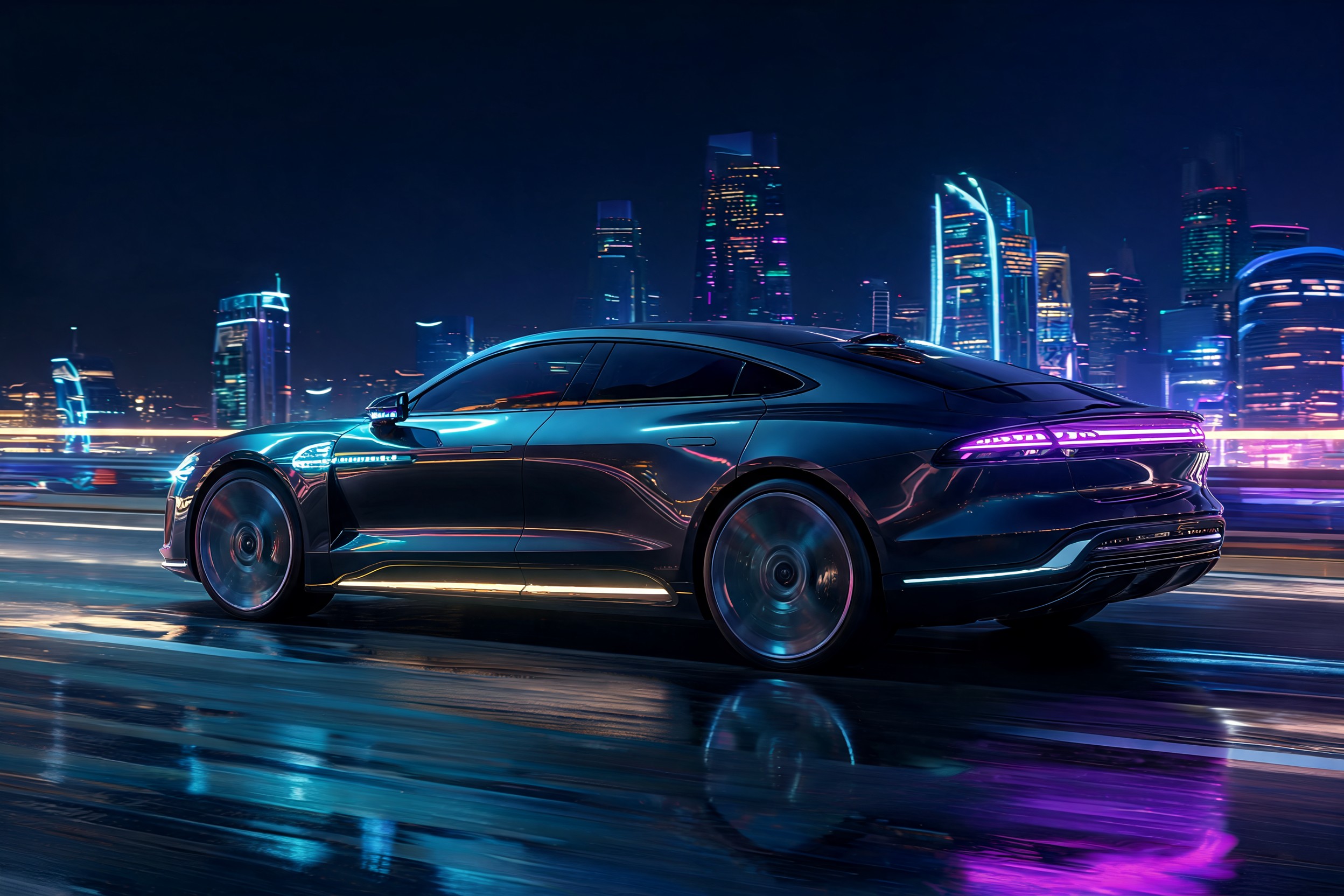
Key Takeaways
- OLED isn’t just for flashy tail lights—it’s changing how future cars look and feel inside and out.
- Customizable dashboards are making premium interiors more personal, playful, and a whole lot less boring.
- Interactive headlights could help cars communicate smarter on the road. Handy, right?
- Automotive OLED technology is becoming a bigger deal for premium vehicle buyers who want style with substance.
- This shift in car design goes way beyond looks—it’s about visibility, branding, and next-gen usability.
- If you’re shopping high-end, OLED features may be one of those “nice now, must-have later” upgrades.
What Makes Automotive OLED Technology Different
You know that moment when you first see a car with those mesmerizing glowing tail lights that seem to dance? That’s OLED technology doing its thing, and honestly, it’s way cooler than just a pretty light show. OLED—organic light-emitting diode—is fundamentally changing how we think about automotive lighting and design. Unlike traditional LED systems, OLED displays emit their own light, meaning each pixel is independently controllable. This isn’t just about aesthetics; it’s a complete reimagining of how cars communicate with drivers and pedestrians alike.
- Individual pixel control allows for dynamic lighting patterns that traditional LEDs simply can’t achieve
- Thinner form factor means designers have more creative freedom in vehicle aesthetics
- Lower power consumption compared to conventional lighting systems—better for battery efficiency in electric vehicles
- Faster response times enable real-time communication features we’re only beginning to explore
Beyond Tail Lights: Interior Dashboard Revolution
Alright, so OLED started making waves with those fancy tail lights, but the real game-changer is happening inside your car. Picture stepping into a premium vehicle where your entire dashboard isn’t just a static display—it’s a fully customizable, interactive interface that adapts to your mood, driving style, and preferences. That’s the future of automotive OLED technology, and it’s arriving sooner than you’d think. Manufacturers are exploring curved OLED screens that wrap around the steering wheel, creating immersive driving experiences that feel genuinely futuristic.
- Curved and flexible OLED displays eliminate bezels for a seamless cockpit design
- Personalization features let drivers customize colors, layouts, and information displays on-the-fly
- What happens when your dashboard adapts in real-time to traffic conditions and navigation needs?
- Enhanced safety through clearer, more readable information presentation in all lighting conditions
Interactive Headlights: Communication Beyond Brightness
Here’s where things get genuinely wild—imagine headlights that don’t just illuminate the road but actually communicate with other drivers and pedestrians. Interactive headlights powered by OLED technology are shifting from fantasy to reality. These systems can display messages, warning symbols, or directional indicators directly on the road surface, creating a whole new language between vehicles and their environment. We’re talking about safety innovations that could significantly reduce accidents before they happen.
- Matrix lighting systems project patterns that warn pedestrians of vehicle intentions
- Road projection capabilities display navigation cues directly onto pavement ahead
- Adaptive beam patterns adjust automatically based on driving conditions and oncoming traffic
- Communication interface for autonomous vehicles to signal their next moves to surrounding traffic
Why Premium Vehicle Buyers Should Care Right Now
If you’re shopping for your next premium vehicle, understanding automotive OLED technology gives you serious insight into what you’re actually paying for. This isn’t just about having the shiniest new gadget—it’s about investing in technology that fundamentally improves your driving experience, safety, and the resale value of your car. Premium manufacturers are already integrating OLED systems as signature features, and this trend is only accelerating as the technology becomes more refined and affordable.
- Resale value increases with vehicles equipped with cutting-edge OLED display systems
- Safety enhancements from interactive lighting justify premium pricing in the long run
- Customization options mean your car truly reflects your personal style and preferences
- Future-proofing your purchase with technology that’ll remain relevant for years to come
The Manufacturing Challenge and Timeline
So here’s the real talk—OLED manufacturing for cars isn’t exactly simple, and that’s why you’re not seeing it everywhere yet. The precision required, the durability standards for automotive applications, and the cost of production all present legitimate challenges. However, manufacturers are solving these problems faster than skeptics predicted, with several premium brands already offering OLED-equipped models. The timeline for mainstream adoption? We’re probably looking at the next five to seven years before OLED becomes a standard feature rather than a luxury option.
- Production scalability is improving, bringing manufacturing costs down steadily
- Durability testing ensures OLED systems withstand extreme temperatures and vibrations
- Supply chain investments suggest manufacturers are confident in long-term OLED viability
- Early adopters among premium brands are paving the way for broader market penetration
Real-World Applications Already Available
Don’t think OLED technology is just a pipe dream—it’s already here in several production vehicles. We’re seeing premium manufacturers implementing OLED tail lights as standard or optional features, and some are pushing the boundaries with experimental interior displays. These early implementations give us a glimpse into what’s possible and help manufacturers refine the technology before rolling out more ambitious applications. If you’re serious about understanding where automotive design is headed, paying attention to current OLED implementations is essential.
- Current OLED tail light systems from leading manufacturers showcase proven reliability
- Test vehicles with OLED dashboards are generating real-world performance data
- Consumer feedback from early adopters is directly shaping next-generation features
- Aftermarket OLED lighting options are becoming available for enthusiasts willing to upgrade
Sustainability and Efficiency Gains
Beyond the “wow factor,” automotive OLED technology actually delivers tangible benefits for the environment and your wallet. OLED systems consume less power than traditional lighting solutions, which matters significantly when you’re dealing with battery-powered electric vehicles. Every watt saved on lighting is a watt available for propulsion, directly extending your vehicle’s range. Plus, the longevity of OLED components means fewer replacements over your car’s lifetime, reducing waste and manufacturing impact. For more detailed insights into OLED technology advancements, check out our main automotive technology resource.
- Energy efficiency improvements directly correlate with extended EV driving range
- Reduced heat generation compared to LED systems—better for vehicle thermal management
- Longer lifespan means fewer component replacements and less environmental waste
- Manufacturing processes are becoming increasingly sustainable as production scales up
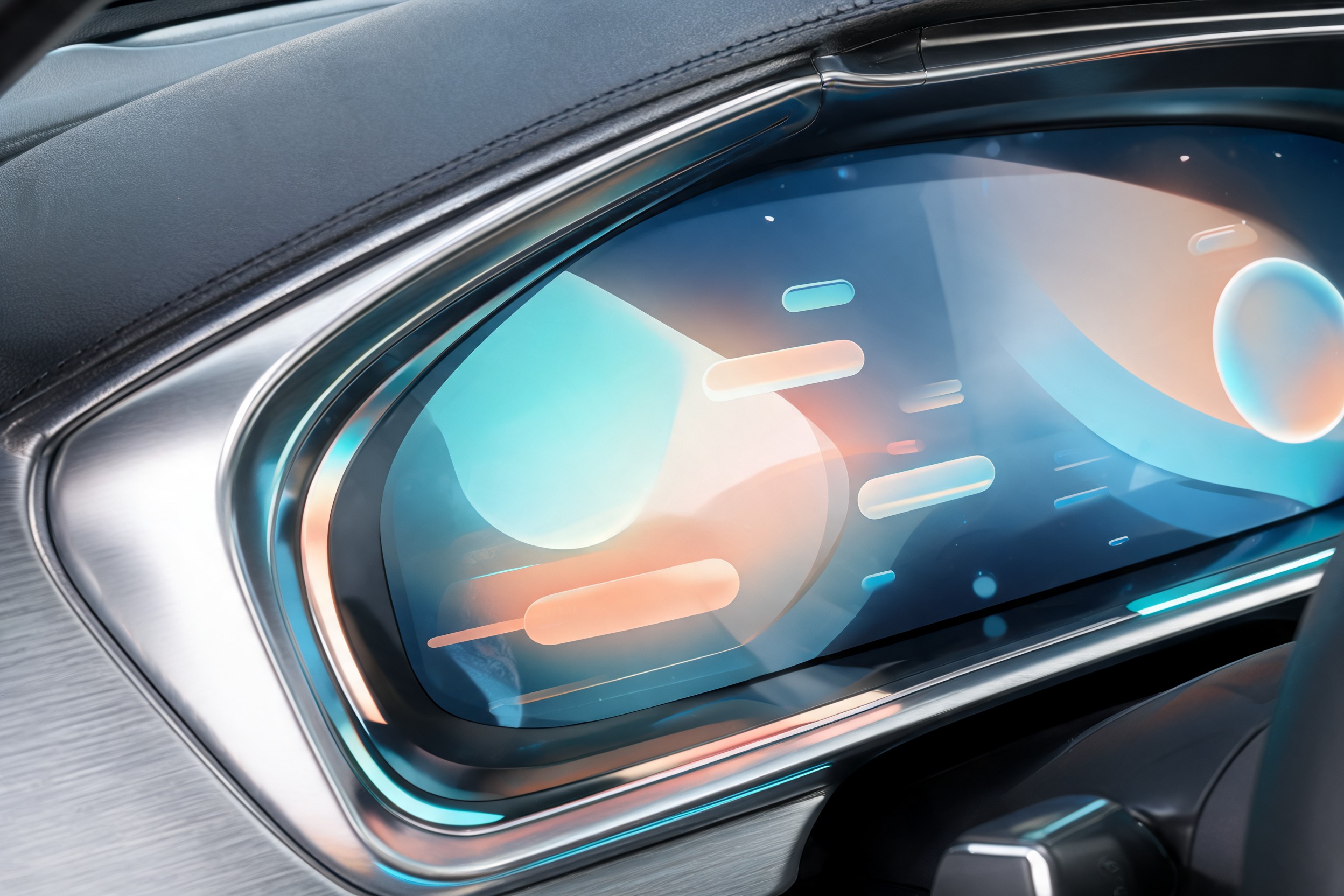
Automotive OLED technology is quickly moving from a cool design flex to a real feature with purpose. In this guide to understanding automotive OLED technology and future cars, the big takeaway is simple: OLED isn’t just about flashy Audi OLED tail lights anymore. It’s helping automakers build cleaner dashboards, more flexible cabin displays, and even interactive lighting systems that make cars feel smarter and more personal. That matters because premium buyers aren’t just shopping for horsepower now—they’re also paying attention to experience, visibility, and design that feels a little more “future” and a little less “meh.” As this tech matures, it’s shaping the next wave of cars in a way that’s both stylish and practical.
Conclusion
If you’re enjoying this kind of car-tech rabbit hole, keep the curiosity rolling and check out more updates on Instagram, LinkedIn, and Threads. OLED is proving that the future of driving isn’t only faster—it’s brighter, smarter, and a whole lot better looking. Stay tuned, because the next premium vehicle you admire might just be glowing in all the right places.
Leave a Reply