
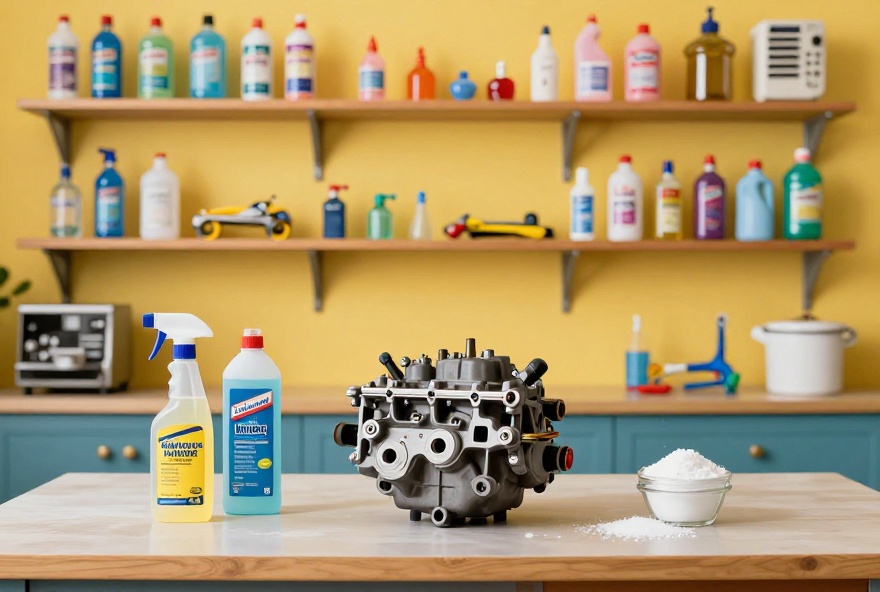
Ever stared at a clogged carburetor and thought, ‘Is this going to swallow my weekend?’ Before you grab the wrench, take a deep breath. In our blog, ‘Best Ways To Unclog a Carburetor Using Simple Cleaners,’ you’ll learn how household items and commercial cleaners can tackle that stubborn gunk. No mechanic needed, just patience and maybe some coffee. Ready to dive in?
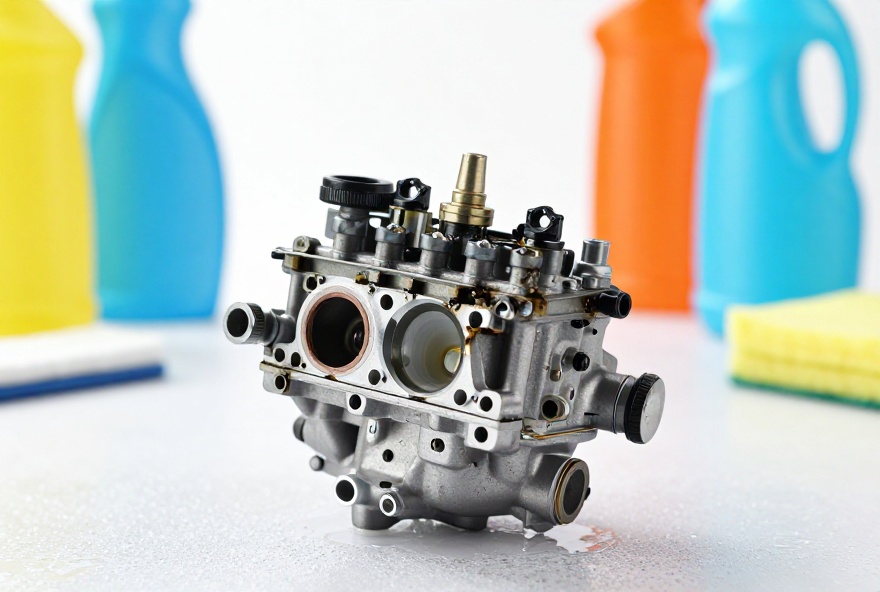
Key Takeaways
- Got a clogged carburetor? No wrench needed—just patience!
- Discover household items that double as carburetor cleaners.
- Say goodbye to stubborn buildup with easy solutions.
- Explore commercial cleaners that make carburetor issues disappear.
- Avoid dismantling your carburetor with these no-fuss tricks.
- Unclog your carburetor with patience and the right cleaner.
Why Your Carburetor Gets Clogged (And Why It Matters)
You know that moment when your engine sputters, coughs, and refuses to start? Yeah, your carburetor’s probably throwing a tantrum. Over time, fuel residue, dirt, and varnish build up inside your carburetor, creating stubborn blockages that mess with fuel flow. The good news? You don’t need to be a mechanic or disassemble your entire engine to fix it. Learning the best ways to unclog a carburetor using simple cleaners is totally doable, and honestly, kind of satisfying once you see results.
- Varnish accumulates when fuel sits idle for months—it’s basically fuel’s version of a bad hair day.
- Dirt particles slip through air filters and settle in carburetor passages, restricting fuel delivery.
- Water contamination from humidity creates corrosion that clogs jets and ports.
- Engine performance suffers—rough idling, hard starts, and reduced power are classic red flags.
Household Items That Actually Work Wonders
Before you run to the store, check your garage. Seriously, some everyday items sitting in your cabinet can dissolve carburetor buildup just as effectively as pricey solutions. We think you’ll be surprised at what works. White vinegar, acetone, and even cola have legitimate cleaning power when applied correctly and given time to do their magic.
- White Vinegar: Its acidity cuts through varnish and light deposits—soak small parts overnight for best results.
- Acetone (Nail Polish Remover): A powerful solvent that dissolves stubborn buildup; use in well-ventilated areas only.
- Baking Soda Paste: Mix with water to create a gentle abrasive for exterior gunk without scratching surfaces.
- Cola and Carbonic Acid: The acidity works surprisingly well on light deposits—it’s not just for drinking, apparently.
Commercial Cleaners: The Shortcut Route
If you’re in a hurry or dealing with serious buildup, commercial carburetor cleaners are your friends. These products are specifically formulated to tackle dissolving stubborn carburetor residue without requiring complete disassembly. They’re convenient, potent, and honestly worth the investment if your DIY household items aren’t cutting it. Most spray directly into the carburetor while the engine runs—talk about efficient.
- Aerosol cleaners penetrate deep into jets and passages that household items might miss.
- They evaporate quickly, leaving no residue behind—unlike vinegar, which can leave mineral deposits.
- Most brands include detergents that improve fuel flow and restore engine performance immediately.
- Safe for rubber and plastic components when used as directed—read labels, folks.
The Soak Method: Patience Pays Off
Here’s the thing about unclogging a carburetor without taking it apart—sometimes the best solution is simply letting cleaners do their work. The soak method is old-school, reliable, and requires zero mechanical skills. You’re basically giving your carburetor a spa day in a bucket of cleaner, and it’s surprisingly effective for moderate buildup situations.
- Remove the carburetor bowl (if accessible) and submerge affected parts in your chosen cleaner overnight.
- For fuel tanks, pour cleaner directly in and let it sit for 24-48 hours before running the engine.
- Gentle agitation with an old toothbrush helps dislodge particles without damage.
- This approach works best for preventative maintenance or early-stage clogging—catch problems before they escalate.
The Spray-and-Run Technique for Quick Fixes
Want results faster? The spray-and-run method is your answer. You’re essentially flushing cleaner through your carburetor while the engine runs, letting combustion heat and fuel flow work together to break down deposits. It’s convenient, requires minimal effort, and often works wonders on light to moderate buildup without any disassembly.
- Start your engine and let it warm up—heat helps cleaners penetrate more effectively.
- Spray commercial carburetor cleaner into the air intake or fuel line (follow product instructions carefully).
- Listen for engine response—sputtering and coughing mean it’s working, not breaking; that’s normal.
- Repeat treatments over several engine runs if stubborn buildup persists—consistency matters here.
Prevention: The Real Hero Move
Here’s what we think separates weekend warriors from frustrated folks: prevention beats cure every single time. Regular fuel additives and proper storage habits mean you’ll rarely face serious carburetor clogs. Think of it as brushing your teeth instead of waiting for a root canal—way smarter approach to keep your engine happy.
- Use fuel stabilizers during off-season storage to prevent varnish formation and gum buildup.
- Run your engine monthly, even in winter, to keep fuel fresh and flowing through carburetor passages.
- Store fuel in clean containers away from moisture and contaminants—water is carburetor enemy number one.
- Consider ethanol-free fuel if available in your area; it resists oxidation and varnish formation better than regular gas.
When to Call in the Professionals
Look, sometimes DIY solutions hit a wall. If you’ve tried household items and commercial cleaners without improvement, or your carburetor’s severely damaged, that’s when professional help becomes worth the expense. Mechanics have ultrasonic cleaners and specialized equipment that can handle situations beyond simple cleaner treatments. No shame in knowing your limits—that’s actually smart.
- Persistent rough idling after treatment suggests internal damage or jet erosion beyond cleaner’s reach.
- Fuel leaks indicate gasket or seal failure—cleaners won’t fix mechanical problems, only chemical ones.
- If your engine won’t start after multiple treatment attempts, professional diagnosis saves frustration and money.
Your Action Plan Starts Now
Ready to master the art of dissolving stubborn carburetor buildup? Start with what you’ve got at home—vinegar, acetone, or baking soda. Give it time to work, stay patient, and monitor your engine’s response. For detailed guidance on how to clean a carburetor without taking it apart, check out this comprehensive resource that walks you through every method step-by-step. Your engine will thank you once that fuel flows freely again, and honestly, you’ll feel pretty accomplished knowing you fixed it yourself.
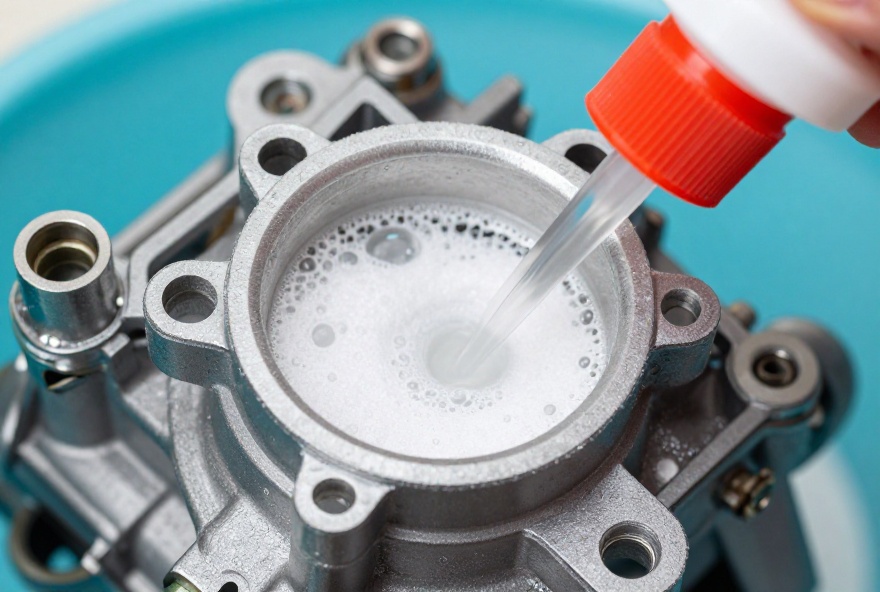
Wrapping things up, we’ve journeyed through the vibrant world of carburetor cleaning, revealing that there’s no need to wield a wrench to conquer stubborn buildup. Armed with patience, household items, and a splash of commercial cleaner wisdom, you’re more than ready to tackle that pesky grime. Whether it’s using vinegar’s gentle caress or carb cleaner’s tough love, we’ve shown that the path to a smooth-running engine is just a sprinkle and a soak away. Dive into the art of maintenance with these invaluable techniques, enhancing the longevity and performance of your beloved machine, all while keeping your toolbox at bay.
So, why stop at just learning? Dive into action! Channel your inner DIY enthusiast and give those carburetors a cleanse they won’t forget. For more tips, tricks, and the occasional humorous tale, give us a follow on Facebook, catch our latest updates on Instagram, and chat with us over on Twitter. Let’s make carburetor cleaning not just a task, but a triumph!





Leave a Reply