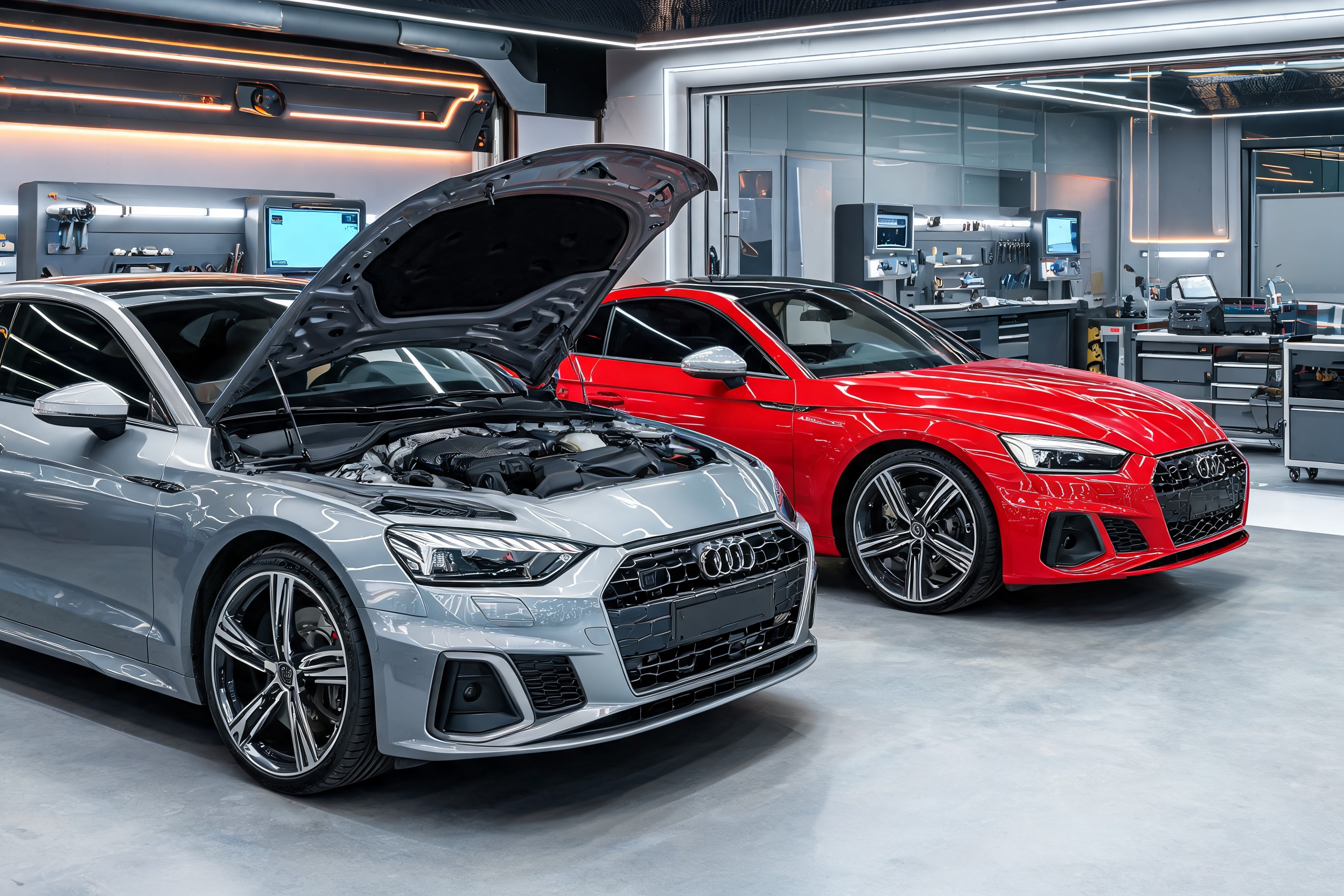
So, you’re thinking of buying an Audi, but don’t want a lemon that drives like one? ‘Why These Audi Years Have The Worst Reliability Records’ unravels years haunted by engine failures, transmission breakdowns, and pesky electrical gremlins. We’ll spare you the repair bills and the heartache—after all, cars should enrich your life, not empty your wallet!
Key Takeaways
- Wondering which Audi models are ticking time bombs? We’ve got a list!
- Some Audi years are notorious for engine failures—steer clear!
- Transmission breakdowns can ruin your day; know which Audi years to avoid.
- Electrical gremlins causing mischief in certain Audi models—don’t be a victim.
- Saving your wallet from Audi repair disasters—here’s how.
- Car troubles are no fun, so let’s avoid them altogether with this guide.
The Dark Side of Audi: Which Years to Avoid
Look, we all love the sleek lines and engineering prowess that come with an Audi. But here’s the thing—not all model years are created equal. Some Audi models to avoid have earned notorious reputations for catastrophic failures that’ll drain your wallet faster than a fuel leak. We’re talking engine failures, transmission breakdowns, and electrical gremlins that’ll make you question every decision. This guide breaks down the specific Audi years plagued by these issues so you can dodge the bullet and find a reliable ride instead.
- The 2009-2012 Audi A4 suffered from carbon buildup issues causing engine hesitation and check engine lights—a problem that persisted across multiple generations.
- Early 2000s models experienced transmission failures as early as 60,000 miles, with repair costs hitting $4,000+.
- Electrical gremlins in 2008-2010 models led to mysterious warning lights and infotainment system failures.
- Engine timing chain problems affected several generations, requiring complete engine rebuilds—not a cheap fix, trust me.
Engine Failures That’ll Make You Weep
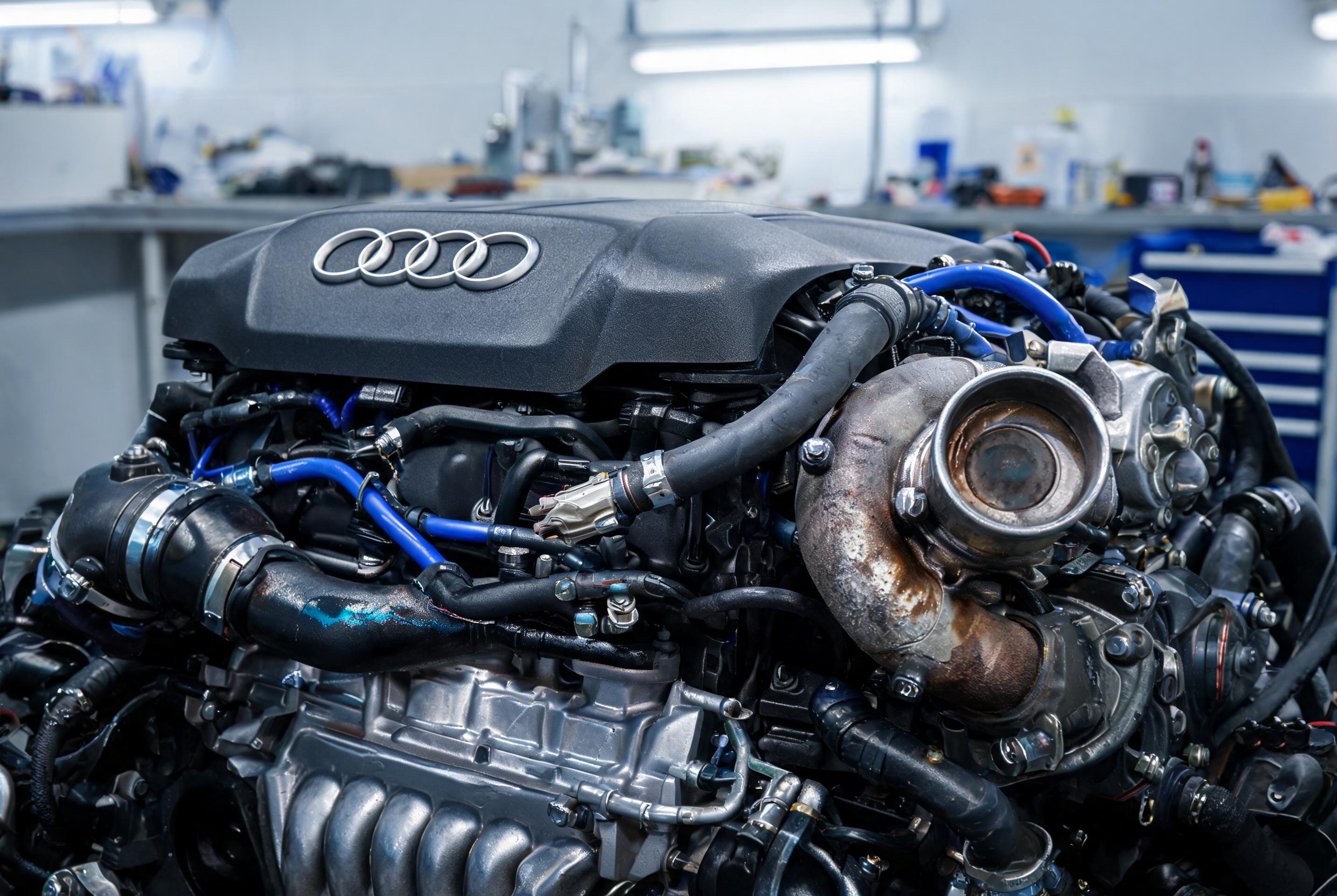
Engine failures are the nightmare scenario for any car owner. You know that moment when your check engine light comes on and your heart sinks? Well, certain Audi model years made this feeling a regular occurrence. The 2010-2014 Audi A6 and A4 models developed a nasty habit of carbon accumulation on intake valves, causing rough idling and reduced fuel economy. Even worse, some owners reported complete engine seizures without warning.
- Carbon Buildup Crisis: Direct injection engines in 2009-2013 models couldn’t handle carbon deposits, leading to performance degradation and costly cleaning procedures.
- Timing chain tensioner failures in 2006-2008 models resulted in catastrophic engine damage—we’re talking $8,000 to $15,000 in repairs.
- Oil sludge problems affected the 2008-2010 A3 and A4, reducing engine lifespan significantly.
- Engine knocking and pinging indicated deeper issues with fuel quality sensors in early 2000s models.
Transmission Breakdowns: The Financial Killer
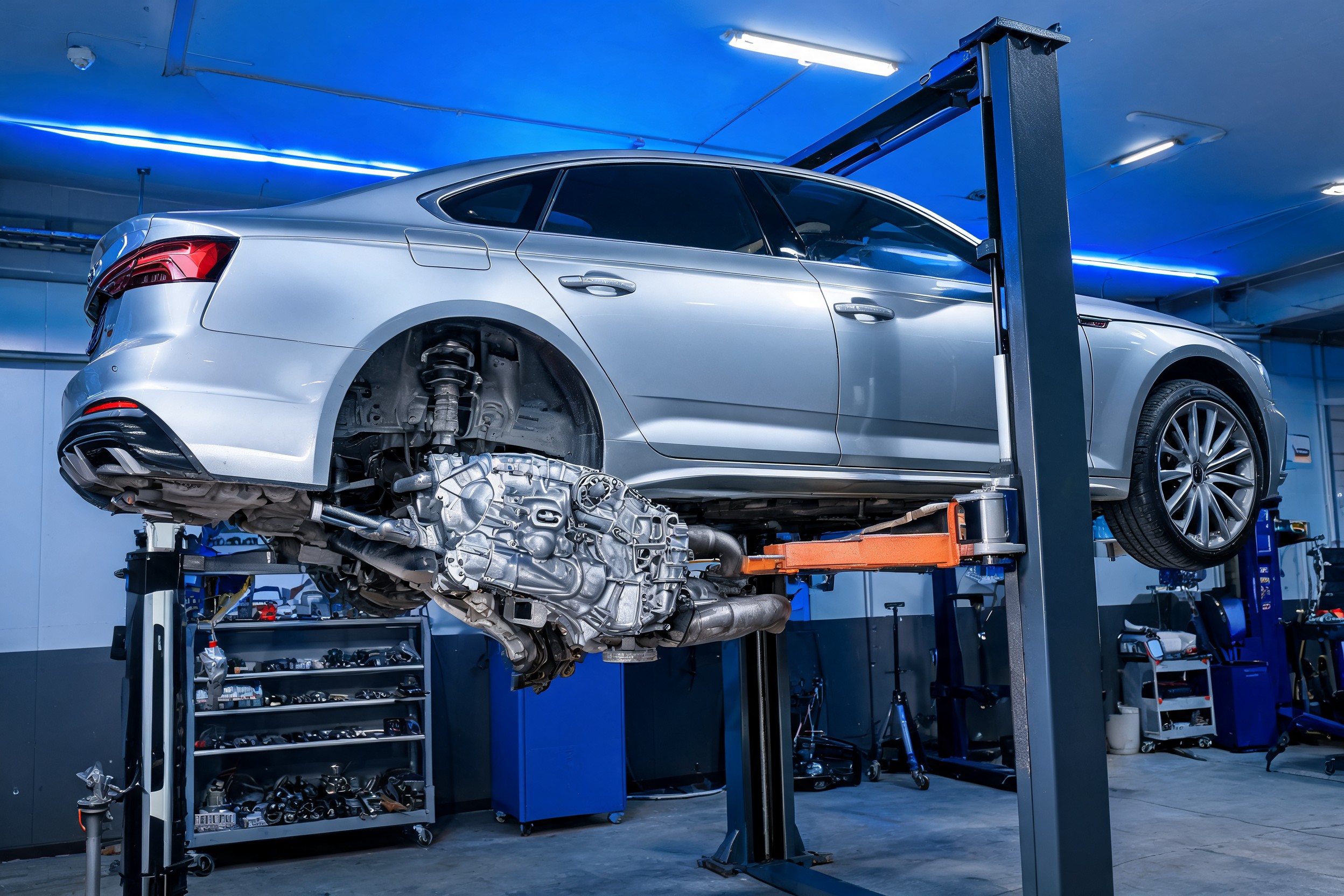
Transmission issues are expensive nightmares that can strike without mercy. If you’ve been eyeing a used Audi, the transmission history matters more than you’d think. The 2005-2008 automatic transmission models became infamous for shuddering, slipping, and complete failure. Owners reported transmission problems emerging before 80,000 miles, and dealers often suggested full replacement rather than repair.
- CVT transmission failures in 2007-2010 models caused loss of power and warning lights that never quit.
- Mechatronic unit failures—the brain of the transmission—affected 2006-2009 A4 and A6 models, costing upwards of $6,000 to replace.
- Hesitation and jerky shifting in 2008-2012 models indicated deeper transmission fluid issues.
- Complete transmission replacement was necessary for many 2005-2007 owners, not a repair—a financial gut punch nobody wants.
Electrical Gremlins: The Mysterious Menace
Electrical issues in Audi models to avoid are like that friend who shows up unannounced and causes chaos. The 2008-2011 generation became notorious for electrical gremlins that ranged from annoying to absolutely baffling. Owners faced flickering lights, failing infotainment systems, and mysterious warning messages that diagnostic tools couldn’t explain. Some even experienced complete electrical shutdowns while driving—terrifying stuff.
- Battery drain issues in 2009-2012 models left owners stranded, often traced to faulty control modules.
- Infotainment system crashes and freezes plagued the 2010-2013 A4 and A6, requiring expensive software updates or full unit replacement.
- Lighting failures—including headlight and taillight malfunctions—affected visibility and safety in 2008-2010 models.
- Door lock and window failures emerged randomly, suggesting deeper wiring harness problems in early 2000s vehicles.
Which Specific Model Years Deserve the Blacklist
If you’re shopping for a used Audi, certain years earned their bad reputation through consistent, widespread problems. The 2006-2008, 2009-2012, and 2014-2016 model years stand out as particularly problematic across multiple platforms. These generations experienced overlapping issues—engine failures, transmission breakdowns, and electrical nightmares hitting simultaneously. A used Audi from these years might seem like a bargain until repairs start piling up.
- 2006-2008 A4: Timing chains, transmission mechatronics, and electrical harness failures converged into a perfect storm.
- 2009-2012 A4 and A6—the worst offenders—combined carbon buildup engines with transmission hesitation and electrical gremlins.
- 2014-2016 models inherited some transmission issues from previous generations, though improved software helped somewhat.
- Early 2000s A6 models suffered from nearly every problem mentioned, making them risky purchases even at low prices.
Smart Shopping: How to Avoid These Problem Years
Don’t let a slick salesman convince you that a cheap Audi is worth the headache. Before signing on the dotted line, do your homework. Get a pre-purchase inspection from an independent specialist—not the dealer. Request full service history and ask pointed questions about major repairs. If the seller dodges, that’s your red flag right there. Check online forums where real owners share their horror stories; their experiences are worth more than any sales pitch.
- Always obtain a comprehensive pre-purchase inspection focusing on engine, transmission, and electrical systems.
- Review complete service records—look for patterns of repeated repairs that signal deeper issues.
- Run a VIN check through multiple databases to uncover accident history and previous repairs.
- Test drive in various conditions, paying attention to transmission smoothness, warning lights, and electrical responsiveness.
- Consider newer model years (2017+) or alternative brands if you want peace of mind over badge prestige.
The Bottom Line: Is an Older Audi Worth It?
Here’s my honest take—an older Audi can be worth it, but only if you’re buying the right year and prepared for potential headaches. The Audi models to avoid we’ve covered represent genuine reliability risks that’ll cost serious money down the road. If you’re committed to the brand, aim for 2017 and newer models or stick with pre-2005 classics if you want something older. Otherwise, you might find more reliable options elsewhere. For more detailed vehicle comparisons and reliability ratings, check out comprehensive automotive resources that break down year-by-year performance data.
- Budget-conscious buyers should prioritize newer used models over “bargain” problem years.
- Extended warranty coverage becomes essential when buying Audi models to avoid from unreliable generations.
- Join owner communities online to get real-world feedback about specific VINs or model variations.
- Consider certified pre-owned vehicles with manufacturer backing as a safer compromise between cost and reliability.
In the grand tour through Audi’s intricate maze of engine failures and notorious electrical gremlins, you’ve hopefully gathered a toolkit of insights to dodge those infamous model years. We’ve pinpointed specific Audi years where reliability took a back seat, plagued by transmission breakdowns and other gremlins, enabling you to steer clear of trouble. It’s like knowing which stormy seas to avoid before setting sail—critical for any Audi enthusiast aiming to enjoy the ride rather than troubleshoot. Our exploration also highlights these issues, giving you the knowledge to make wiser car choices.
Ready to put these insights to the test, or simply craving more juicy automotive tips? Dive into the community for more engaging content! If Instagram is your jam, join us here. For professional connections and detailed discussions, hit us up on LinkedIn. Or, thread your thoughts with us on Threads. Drive safe and stay savvy!
Leave a Reply