
Ever wondered which Audi models could turn your dream ride into a wallet nightmare? Welcome to our guide on Audi’s most expensive repair bills and why they matter if you’re eyeing a used buy. We’ll explore shocking repair costs that’ll make you think twice and reveal the priciest pitfalls. Buckle up—you might just save your savings!

Key Takeaways
- Thinking about buying a used Audi? Beware of some jaw-dropping repair costs.
- Find out which Audi models require a small fortune for repairs.
- Learn the secrets behind Audi’s most notoriously expensive repair bills.
- Don’t let unexpected repair bills surprise you—know your Audi risks.
- Expenses that could make you reconsider that tempting pre-owned Audi deal.
The Real Cost of Ownership: Why Audi Repairs Hit Different
Look, we all know luxury cars come with a price tag—but have you ever stopped to think about what happens when something breaks? Audi models, while stunning to drive, can absolutely drain your wallet fastest when repair bills start rolling in. The shocking repair costs on certain models might make you reconsider that used buy you’ve been eyeing. Here’s the thing: it’s not just about the sticker price on the lot—it’s what happens after you drive it home that counts.
- Labor costs for Audi repairs run 30-40% higher than mainstream brands, thanks to specialized technicians and proprietary diagnostic tools.
- Parts scarcity and sourcing—especially for older models—can double your repair timeline and expenses.
- Transmission rebuilds on certain Audi models can hit $4,000-$8,000, depending on the year and complexity.
- Electrical system failures are surprisingly common, with diagnostic fees alone starting at $150-$300 before any actual repair work begins.
Which Audi Models to Avoid (And Why)
You know that moment when you’re scrolling through used listings and spot a “great deal”? Yeah, some of those deals come with hidden nightmares. Certain Audi models have earned a reputation for astronomical repair costs, and understanding which ones can save you thousands. The models to avoid often share common mechanical weak points that dealers love to charge premium prices for.
- A4 and A6 (2009-2016)—Carbon buildup on direct-injection engines leads to performance drops and expensive cleaning procedures running $600-$1,200.
- Q7 (first generation)—Suspension and air spring failures plague these SUVs, with replacements costing $2,500-$4,000 per corner.
- Transmission fluid leaks on dual-clutch models—a design flaw that requires full replacement rather than simple sealing ($3,500-$5,500).
- Timing chain tensioner issues on V6 engines can lead to catastrophic engine damage if ignored, totaling $6,000-$12,000 in repairs.
The Transmission Trouble That Keeps On Giving
Transmissions are where Audi repair costs get genuinely scary. We’re talking about one of the most expensive components in any vehicle, and certain Audi models have earned a less-than-stellar reputation for transmission reliability. The shocking repair costs here can bankrupt an unprepared owner, especially when warranty periods expire.
- DSG dual-clutch transmissions shudder and hesitate, requiring recalibration ($800-$1,500) or full replacement ($4,500-$8,000).
- CVT transmissions in some models slip into limp mode, necessitating expensive software updates or hardware replacement.
- Transmission fluid burns through faster than expected—regular top-offs become necessary maintenance costing $150-$300 per visit.
Engine Problems That Empty Your Bank Account
Engine issues are the nightmare scenario for any car owner. With Audi models, certain engine designs have proven problematic, and the repair bills reflect the complexity. When engine trouble strikes, shocking repair costs become a reality that makes you question everything about that “amazing deal” you got six months ago.
- Valve carbon deposit buildup on FSI and TFSI engines reduces fuel economy by 10-15%, with cleaning costing $600-$1,200 per cylinder bank.
- Oil sludge buildup—caused by short driving cycles—requires complete engine flushing ($400-$800) and sometimes full engine replacement ($5,000-$15,000).
- Turbocharger failures on boosted engines happen unexpectedly, with replacements running $2,000-$4,500 including labor.
- Water pump and coolant system leaks are frequent culprits, costing $800-$1,600 depending on engine configuration.
Electrical Gremlins: The Hidden Expense
Here’s something that catches people off guard—electrical issues on luxury vehicles are genuinely expensive to diagnose and fix. Audi models, with their increasingly complex electronics, can throw you curveballs that drain your wallet fastest when something goes wrong. The shocking repair costs for electrical problems often exceed what owners expect because finding the root cause takes hours of specialized labor.
- Battery management system failures ($1,200-$2,000)—especially on hybrid and newer models with multiple battery packs.
- Door lock actuators and window regulators fail frequently, with each replacement running $300-$600 per door.
- Infotainment system glitches require software updates or complete unit replacement ($1,500-$3,500)—frustrating when you’re paying for luxury features that don’t work.
- Sensor malfunctions trigger warning lights and limp mode—diagnostic costs can exceed repair costs if you’re unlucky.
Suspension and Brake System Nightmares
Suspension components wear differently on Audi models compared to mainstream vehicles. The advanced engineering that makes them fun to drive also means repair bills skyrocket when suspension or brakes need attention. It’s the kind of thing that makes you reconsider that used buy when the mechanic breaks out the calculator.
- Air suspension systems (common on A6, A8, and Q7 models) require complete replacement at $2,500-$5,000 per axle.
- Control arm bushings deteriorate faster than expected, causing clunking noises and alignment issues ($800-$1,500 per side).
- Brake pad wear sensors malfunction constantly, with replacements costing $200-$400 plus the brakes themselves.
- Adaptive damping systems fail without warning—replacement costs $1,200-$2,500 depending on the system complexity.
Preventive Maintenance: Your Best Defense
Here’s the silver lining—you can actually avoid some of these catastrophic repair bills with smart preventive maintenance. Understanding what to watch for on Audi models helps you catch problems early, before shocking repair costs spiral out of control. Regular servicing might seem expensive upfront, but it’s genuinely cheaper than emergency repairs down the line.
- Stick to the manufacturer’s service schedule religiously—skipping services compounds problems exponentially.
- Monitor fluid levels monthly (oil, coolant, transmission fluid, brake fluid) since leaks are common culprits.
- Listen for unusual sounds—clunking, whining, or grinding often signals problems that cost less to fix when caught early.
- Get a pre-purchase inspection from an independent specialist when buying used, not just the dealer’s rubber-stamp approval.
Making an Informed Decision
So what’s the takeaway? Audi models can be fantastic vehicles—truly, they’re engineering marvels. But certain years and models come with repair cost reputations you need to respect. Before you reconsider that used buy, do your homework. Check reliability ratings, ask mechanics about common issues, and factor in maintenance costs when calculating true ownership expenses. For comprehensive information about specific models and their repair histories, check out detailed analysis on automotive reliability. The shocking repair costs on some models aren’t unavoidable—they’re just predictable if you know what to look for.
- Research model-specific forums where owners share real repair experiences and costs.
- Compare warranty options carefully—extended warranties might actually be worth the investment on problematic models.
- Budget 2-3% of the vehicle’s value annually for maintenance, not the typical 1% for mainstream vehicles.
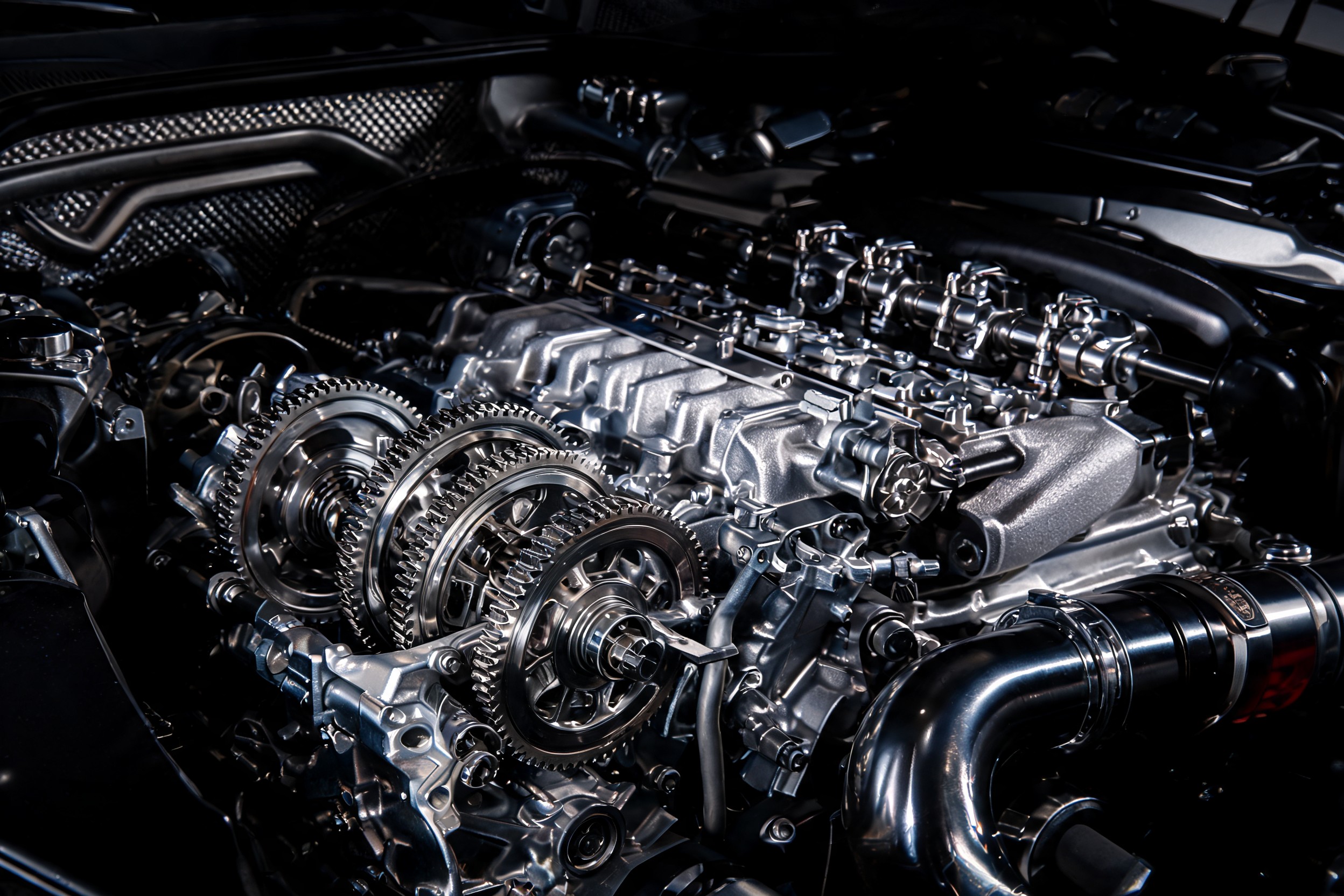
So, you’ve danced through the dizzying list of Audi’s most wallet-busting maintenance nightmares, and hopefully side-stepped the models that stealthily suck your savings. The truth is, while Audis offer luxury and superb drive experience, certain models are best left admired from a distance unless you’re a fan of fun little surprises in the repair bill department. This guide peeks under the hood, highlighting costs that could make a used buy seem more like a used mistake. Remember, forewarned is forearmed in this sleek yet complex world of high-end German engineering.
Ready to nerd out even more on all things Audi (and avoid repair bill pit stops)? Let’s keep the conversation rolling! Check out my Instagram for more riveting insights here, or if you’re feeling professional, let’s connect on LinkedIn there. And hey, don’t forget Threads is where the fun’s at too here. Dive in!
Leave a Reply