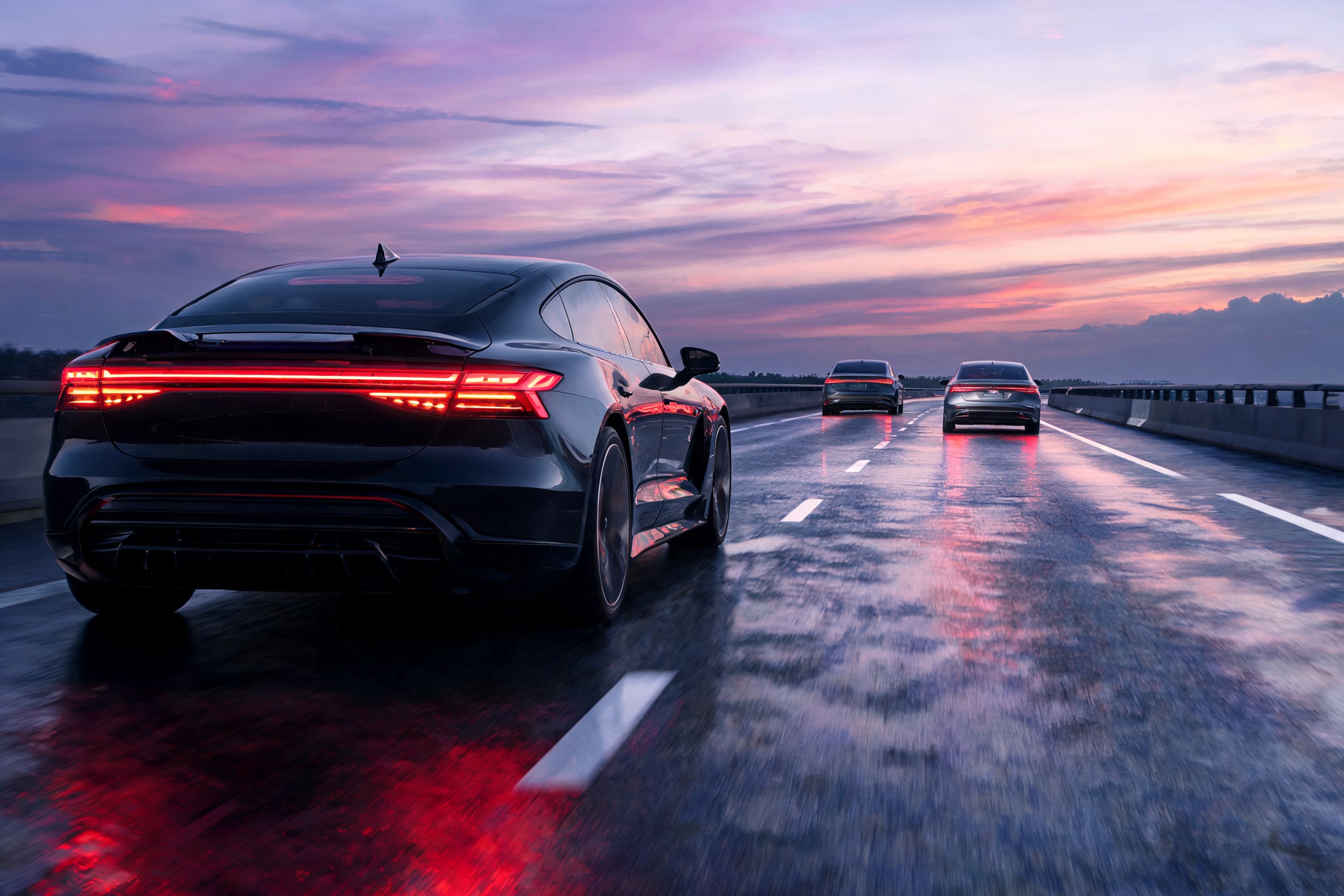
Do You Know How Smart Tail Lights Prevent Accidents on Roads? In this post, we’ll unpack how intelligent OLED tail lights help vehicles communicate, boost brightness automatically, and make night drives safer. It’s a clever slice of automotive safety tech—less guesswork, fewer rear-end surprises, and a lot more peace of mind when the road gets dark and hectic.
Key Takeaways
- Smart tail lights don’t just glow—they can warn other drivers before trouble starts.
- OLED technology helps rear lighting stay bright, clear, and easy to spot at night.
- Automatic brightness adjustment means less glare and better visibility in changing conditions.
- Vehicle-to-vehicle communication can make sudden stops a lot less dramatic. Whew.
- Safer night driving starts with lighting that reacts faster than human reflexes.
- Intelligent rear lighting is a small upgrade with a big road-safety payoff.
The Evolution of Tail Light Technology on Modern Roads
You know that heart-stopping moment when a car brakes suddenly ahead of you at night, and you’re scrambling to react? Yeah, we’ve all been there. Well, smart tail lights are changing that game entirely. Traditional tail lights have done their job for decades—they light up, they dim, that’s it. But intelligent OLED tail lights represent a massive leap forward in vehicle safety. These aren’t just about looking sleek; they’re about communication, precision, and literally saving lives on the road. Let’s dive into how this technology works and why it matters so much for everyone sharing the asphalt.
- Smart tail lights use OLED technology to communicate with following vehicles in real-time, reducing reaction time during emergencies.
- Adaptive brightness adjusts automatically based on ambient light conditions, making vehicles more visible during twilight hours and poor weather.
- These systems can display warning patterns—think of them as a visual language between cars that goes beyond a simple red glow.
How Intelligent OLED Tail Lights Communicate
Here’s where things get genuinely fascinating. Smart tail lights aren’t just passive indicators anymore—they’re active communicators. When you hit the brakes hard, intelligent OLED systems don’t just turn red; they pulse, flare, or create expanding patterns that grab attention faster than conventional lights. This communication happens in milliseconds, which might not sound like much until you realize it could mean the difference between a gentle tap and a serious collision.
- Pattern Recognition: Following drivers subconsciously recognize urgent braking patterns, triggering faster reaction times compared to static light signals.
- Vehicle-to-Vehicle Messaging: Some systems integrate with connected car technology, allowing vehicles to “talk” about road conditions and sudden stops.
- Customizable alert sequences—harder braking triggers more intense light patterns, creating intuitive danger signals.
Automatic Brightness Adjustment for Night Drives
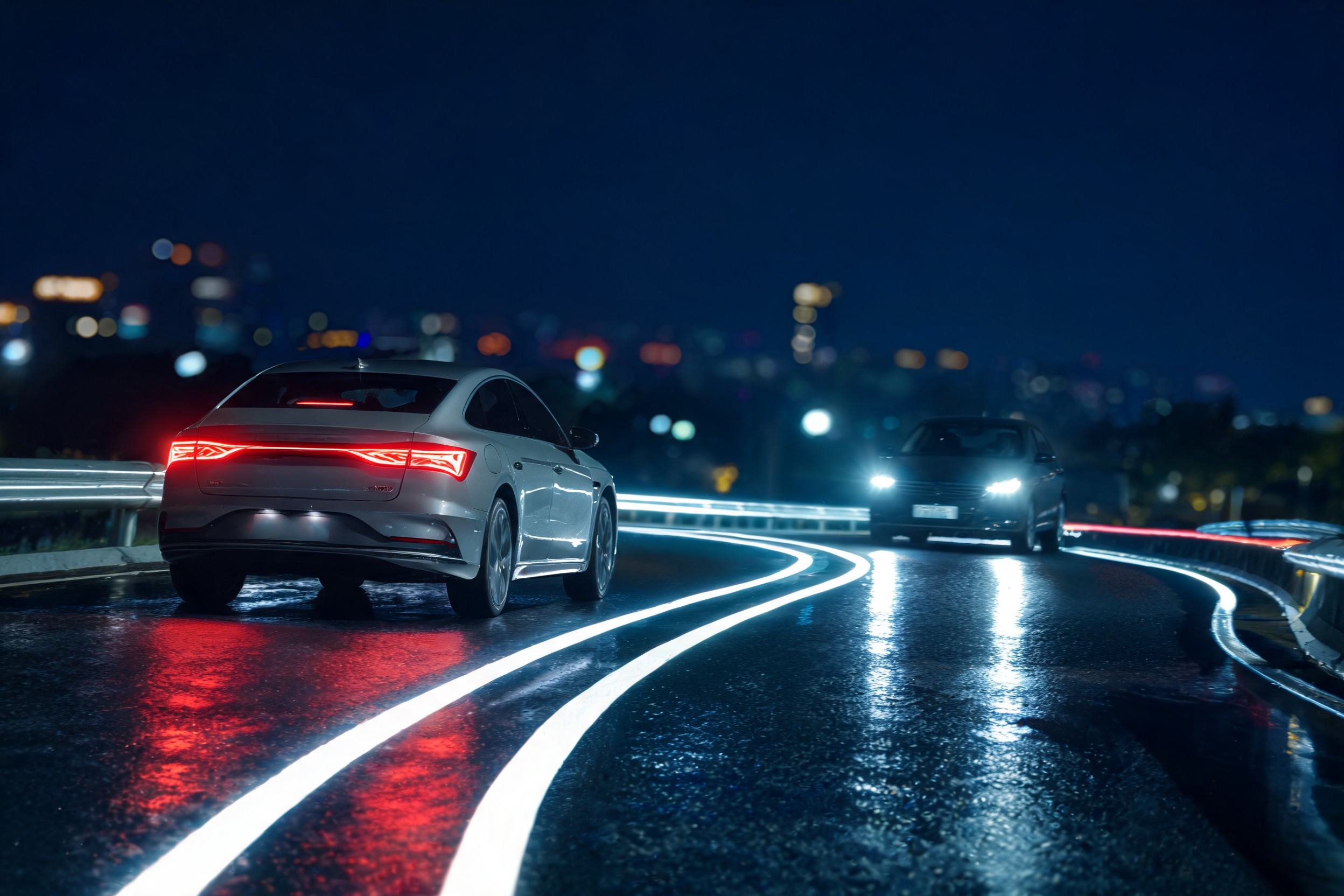
Night driving? That’s when smart tail lights really shine—literally. One of the coolest features of intelligent OLED tail lights is their ability to adjust brightness automatically based on surrounding conditions. If you’re on a well-lit highway, they dial it back. But hit a dark country road, and they ramp up intensity. It’s like having a safety system that thinks ahead for you, ensuring you’re always visible without blinding other drivers with unnecessarily harsh light.
- Sensors detect ambient light levels and adjust OLED brightness in real-time, optimizing visibility without glare.
- Prevents “washout” on bright days where traditional tail lights fade into the background.
- Reduces eye strain for following drivers during extended night drives—a feature that sounds small but impacts fatigue significantly.
Enhanced Safety During Emergency Braking
Emergency stops are where smart tail lights truly prove their worth. When you slam on the brakes, intelligent OLED tail lights don’t just turn on—they create dynamic visual alerts that demand attention. This isn’t about gradual illumination; it’s about rapid, unmistakable signals that cut through darkness, rain, or fog. Studies show that faster perception by following drivers directly correlates with accident prevention, and that’s exactly what this technology delivers.
- Rapid Response Time: OLED pixels activate faster than traditional LED or incandescent bulbs, shaving critical milliseconds off reaction time.
- Multi-level intensity signals communicate different urgency levels—gentle slowdown versus emergency stop.
- Works seamlessly in adverse weather—fog, rain, and snow don’t diminish the effectiveness of intelligent OLED signals.
The Road Safety Impact You Should Know About
Let’s get real about the numbers. Rear-end collisions account for a significant portion of highway accidents, and most happen because following drivers don’t see brake lights in time or don’t recognize the urgency. Intelligent OLED tail lights directly address this problem. By improving visibility and creating intuitive communication between vehicles, they reduce the likelihood of these incidents. It’s preventative safety tech that works silently in the background, doing its job without requiring driver intervention.
- Enhanced visibility reduces rear-end collision risk, particularly during low-light conditions and sudden traffic changes.
- Faster driver recognition of braking events leads to quicker response times—sometimes the margin between a close call and a crash.
- Scalability across vehicle fleets means widespread adoption could significantly impact overall road safety statistics.
Why This Technology Matters Beyond Just Looking Cool
Sure, smart tail lights look impressive—they’ve got that futuristic vibe that turns heads. But that’s honestly the least important part. What matters is the safety revolution happening beneath that sleek design. We’re talking about technology that communicates, adapts, and actively prevents accidents. For anyone spending significant time on roads—commuters, delivery drivers, long-haul travelers—intelligent OLED tail lights represent a genuine advancement in personal safety. For more detailed information on how this technology works, check out the main article that explores the full scope of automotive safety innovations.
- Accessibility: This technology is becoming standard on modern vehicles, making advanced safety features available to everyday drivers.
- Future-Ready: As vehicles become more connected, intelligent OLED systems integrate seamlessly with autonomous driving and smart traffic systems.
- Peace of Mind—knowing that your vehicle is actively communicating your intentions to others on the road creates a safer driving experience for everyone involved.
Conclusion
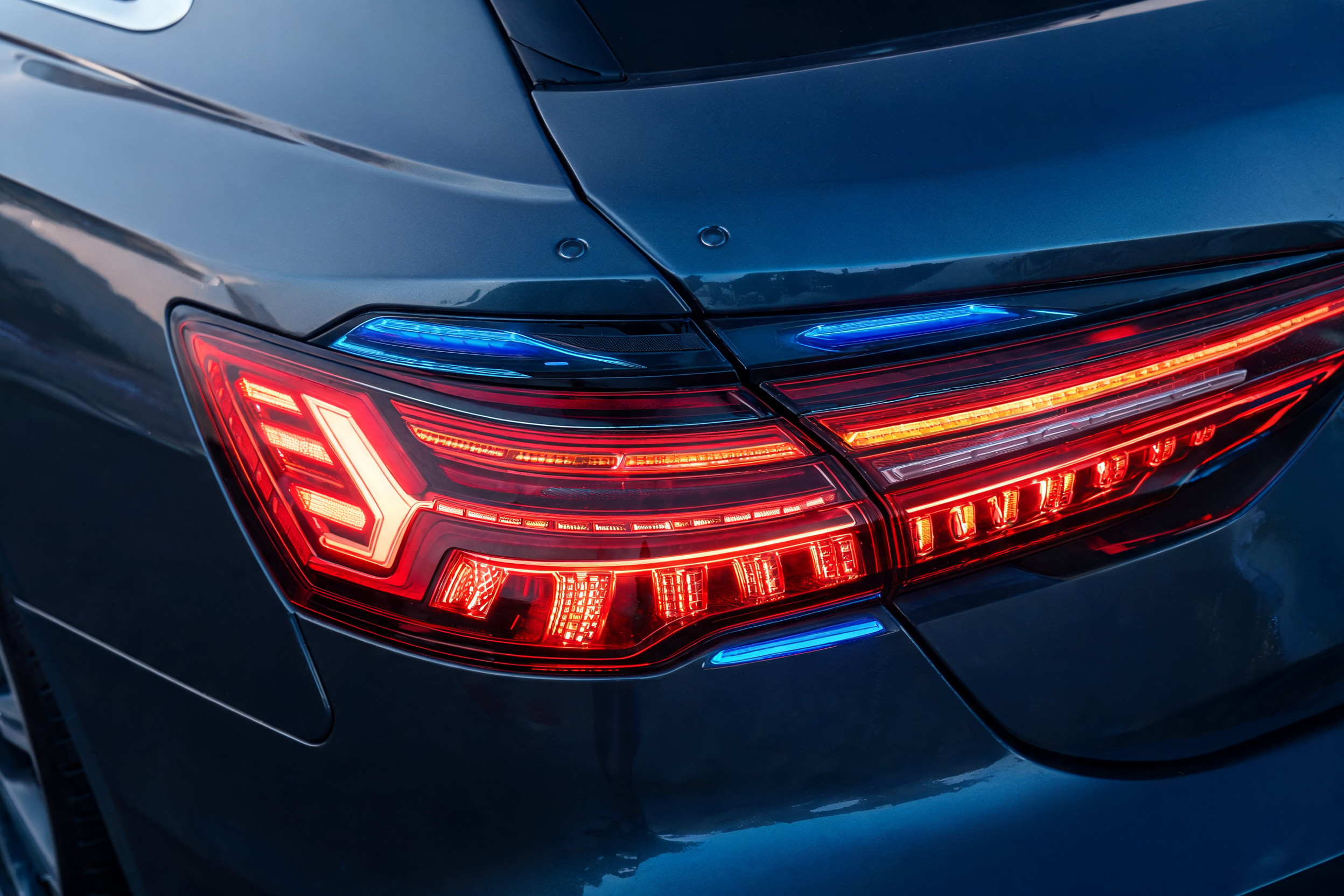
Smart tail lights aren’t just a flashy design upgrade—they’re a real safety tool with brains. Audi’s intelligent OLED tail lights show how modern rear lighting can communicate more clearly with nearby drivers, adapt brightness automatically, and make sudden stops far easier to notice in time. That matters a lot on dark roads, in heavy traffic, and during those “why is everyone braking at once?” moments. In short, this is where the blog’s core message lands: better visibility, quicker reaction time, and fewer accidents, all from a tail light that actually thinks a bit ahead.
Wrapping this up, if you like tech that makes driving safer without shouting about it, this is the good stuff. Want more smart-vehicle updates and road-safety insights? Follow along on Instagram and LinkedIn—because even tail lights deserve a little spotlight.
Leave a Reply